Women as agents of peace, change
By empowering women and upholding their rights, we build stronger, more resilient, and more peaceful communities for generations to come, says Renee Laiviera
The international community transformed the way women in conflict and peacebuilding are viewed, recognising them not only as victims of war but as powerful agents of peace, leadership and change. This year marks 25 years since this landmark development with the adoption of United Nations Security Council Resolution 1325, which laid the foundation for the Women, Peace and Security (WPS) agenda.
The WPS agenda calls for the full involvement of women in peace processes and decision-making, the protection of women and girls from gender-based violence and the integration of gender perspectives in all policies and programmes related to peace and security. These principles highlight that, when women participate meaningfully, peace agreements are more sustainable, communities become more resilient and societies are better equipped to prosper.
At its core, the WPS agenda is a call to action to ensure that women are not only present in discussions of peace and security but are empowered to influence decisions that shape their lives and their societies.
However, while significant progress has been achieved over the past 25 years, many challenges persist. Women continue to face barriers to reach decision-making positions and remain disproportionately exposed to violence, sexual harassment in the workplace and limited economic opportunities.
This reality underscores the need to continue strengthening women’s empowerment through the WPS agenda, ensuring that equality is not just an aspiration but a lived experience.
In this regard, Malta has taken important steps to advance the WPS agenda through its first National Action Plan (NAP) launched in 2020. The NAP outlines four strategic pillars: promoting the WPS agenda both domestically and internationally; preventing all forms of violence; increasing participation of women at all decision-making levels; and increasing and strengthening partnerships between government, civil society and international bodies.
As part of this NAP, the National Commission for the Promotion of Equality (NCPE) plays a key role in ensuring that gender equality is truly safeguarded.
The NCPE investigates cases of discrimination and promotes equality, notably through training sessions for the Armed Forces of Malta, conducts outreach to marginalised groups in society and runs awareness-raising campaigns.
Alongside this, the NCPE disseminates educational materials such as leaflets and posters during training sessions, conferences and outreach events to raise awareness and empower individuals, including victims, to report cases of discrimination or sexual harassment at the workplace.
The NCPE consistently advocates for more women in decision-making positions and for stronger measures to address sexual harassment at the workplace.
When women are excluded from leadership, when their voices are silenced, or when gender-based violence goes
unaddressed, societies cannot achieve sustainable peace. To this end, the NCPE’s work in investigating complaints of discrimination in employment, education, and access to goods and services is essential for creating environments where equality can truly flourish.
Moreover, the NCPE advocates that equality must be viewed through an intersectional lens. Women’s experiences differ depending on other factors such as race, age, sexual orientation and socioeconomic status.
Through collaboration, awareness and action, we can ensure that equality becomes a lived reality for all.
As Brigitte Balipou, a magistrate from the Central African Republic and a prominent advocate for women’s rights, stated at the UN Security Council Open Debate on WPS (2014): “Without strengthened investment in women’s human rights, equality, education and women-led civil society, we will not see sustainable peace.”
Her words remain so relevant today as they remind us that, by empowering women and upholding their rights, we build stronger, more resilient and more peaceful communities for generations to come.
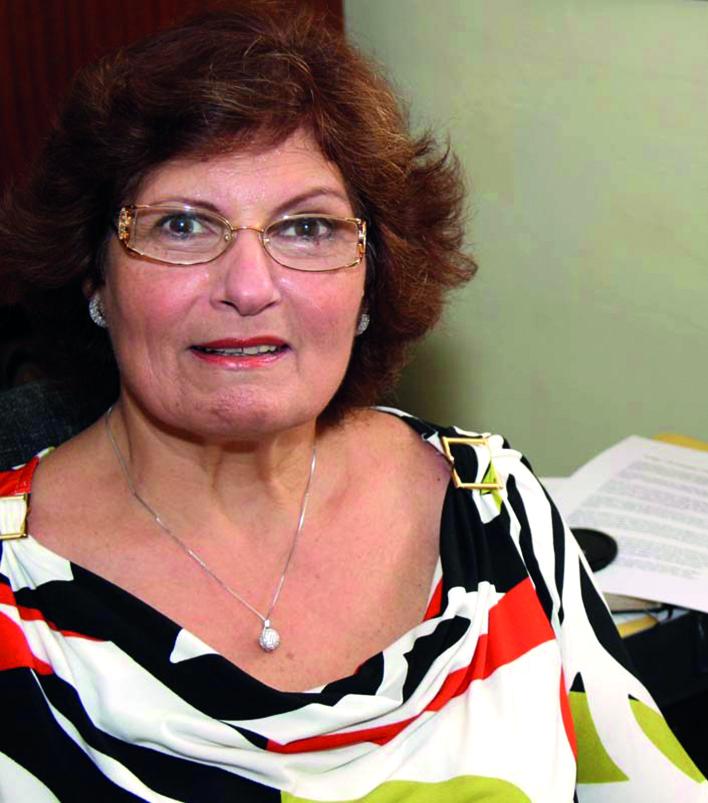
Renee Laiviera is the commissioner of the National Commission for the Promotion of Equality (NCPE).