Women in politics and leadership
We need more women at the decision-making table, not as a token presence, but as equal partners in shaping our future, says Mariah Meli
The fight for equality is not a chapter that has been closed; it is a mission that must continue with urgency and determination. Women have made undeniable strides in public life and in the work world, yet, we remain underrepresented in political leadership in both the international and the local level. This is not due to a lack of capability but a legacy of structural barriers that persist today.
As a young mother stepping into public life, I am fully aware that my presence in politics carries both responsibility and meaning. This journey is not driven by personal ambition alone but by a commitment to representation, fairness and ensuring that the realities of everyday life are reflected in the decisions that shape our communities. Politics must reflect society as it is today, not as it once was.
For too long, leadership has been shaped by a narrow perspective. Women have had to work harder to be heard, to be taken seriously and to prove their worth. The expectation that women must excel professionally while carrying the weight of traditional responsibilities – often under hasher scrutiny –remains a persistent reality. These challenges are the reason why more women must step forward. Not despite them but because of them.
Breaking barriers is not symbolic; it is transformative. Every woman who enters politics challenges outdated systems and redefines leadership. We are not here to fit into old structures – we are here to reshape them. True leadership is not about maintaining the status quo but about driving progress and ensuring that no one is left behind.
At the heart of this transformation lies local governance. Local councils are the foundation of democracy – they are where policies directly impact people’s daily lives. From cleaner streets to stronger communities, local leadership shapes the quality of life of our citizens. Women bring essential perspectives to these roles, rooted in lived experience, empathy and practical understanding of community needs.
Strengthening female participation in local governance is not optional – it is necessary. We need more women at the decision-making table, not as a token presence but as equal partners in shaping our future. Communities thrive when leadership reflects their diversity and when decisions are made with inclusivity at their core.
Labour has always stood on the side of equality, social justice and opportunity- Mariah Meli
This is why I firmly believe that the Labour movement is the natural political home for progressive women. Labour has always stood on the side of equality, social justice and opportunity. Historically, it played a central role in empowering women – beginning with securing women’s right to vote – and it has continued to champion reforms that have improved the lives of women and families, from workplace rights to social protections. Labour does not treat gender equality as a slogan; it treats it as a principle that must be embedded in policy and action.
Being part of this movement means being part of a collective effort to build a fairer society. It means recognising that empowering women strengthens the entire community. It means standing for a politics that is inclusive, forward-looking and rooted in real-life challenges.
However, we must also be honest – progress will not happen on its own. It requires political will, commitment and the courage to challenge entrenched systems. It requires creating pathways for women to enter politics, supporting them throughout their journey and ensuring that their voices are not only heard but respected.
As I present myself as a candidate, I do so with conviction. I represent a generation that refuses to accept limitations placed upon it. I represent women who balance responsibilities, who contribute to their communities and who deserve a voice in shaping decisions that affect their lives.
This is not just about increasing numbers; it is about changing politics itself. It is about building a system that reflects modern society, where leadership is defined by capability, integrity and vision, not by gender.
The future of politics must be more inclusive, more representative and more just. And that future will only be achieved when women are not the exception in leadership but the norm.
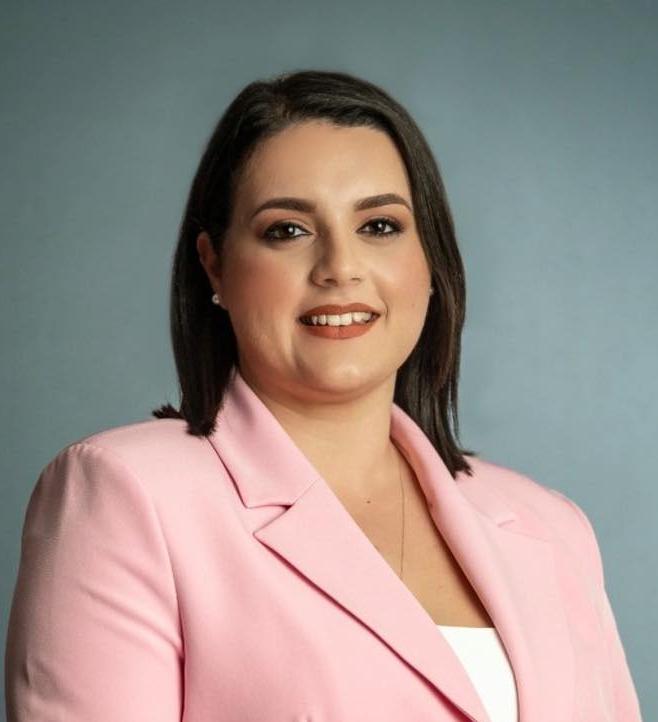
Mariah Meli is the mayor of Għargħur and a Labour Party candidate on the ninth and 10th districts.