How prosecutors say the Daphne Caruana Galizia murder was planned
Tumas millionaire Yorgen Fenech faces life imprisonment over murder charges
Yorgen Fenech, the 44-year-old scion to the Tumas Group empire, is on trial for the murder of journalist Daphne Caruana Galizia, almost seven years after his dramatic arrest aboard a luxury yacht.
Fenech is accused of complicity in the October 2017 car bombing that saw Caruana Galizia blown up outside her Bidnija home. He is further accused of criminal association with the perpetrators of the bomb plot.
Five gang members have already been convicted for the plot, while a sixth man, Melvin Theuma, will provide testimony in a trial that could see the wealthy businessman jailed for life if found guilty by jurors.
The details of the murder plot have been outlined by prosecutors in the bill of indictment against Fenech.
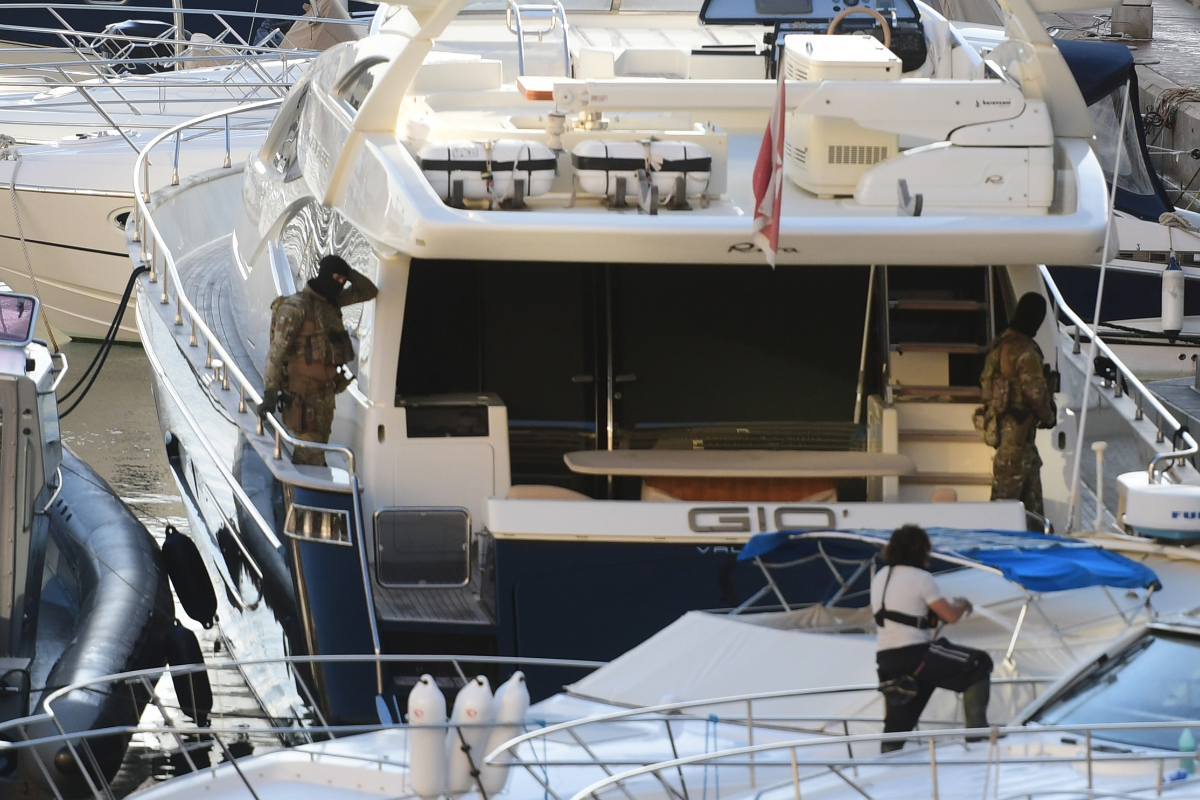 Yorgen Fenech was arrested on board his yacht, Gio, in November 2019. Photo: Jonathan Borg
Theuma, a taxi driver and friend of Fenech, confessed to acting as a go-between for the murder. He says Fenech gave him €150,000 to find someone to murder the journalist.
It was in April 2017 when, according to Theuma, Fenech asked him for a furtive meeting near the Blue Elephant restaurant in St Julian’s to talk about something too sensitive to be discussed over the phone.
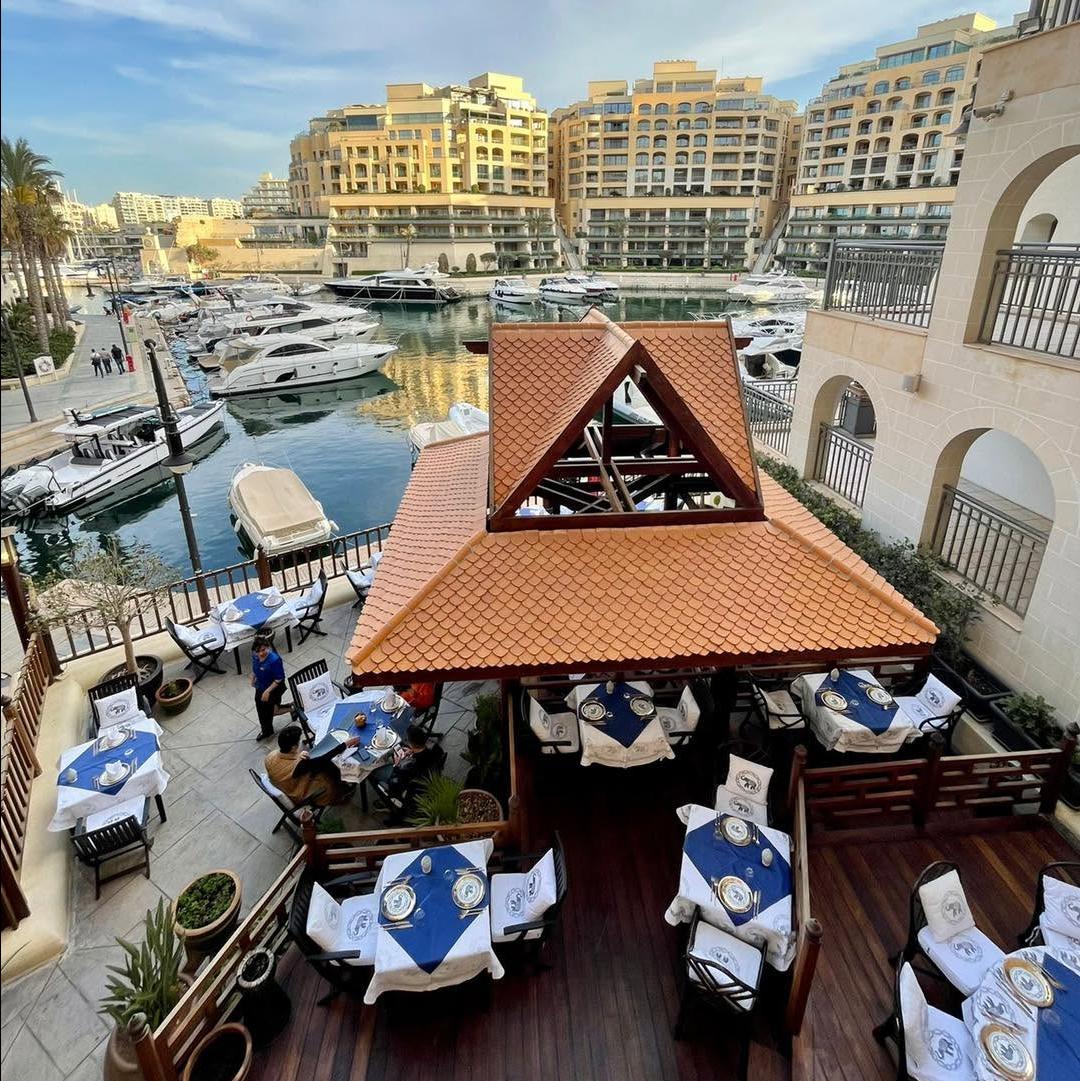 The Blue Elephant in Portomaso, St Julian's. Photo: Blue Elephant Malta/Facebook.
The Tumas businessmen is alleged to have told Theuma he wanted the journalist killed because she was on the brink of publishing a story about his uncle Ray.
Fenech suggested Theuma get in touch with “George iċ-Ċiniż from Marsa” to carry out the murder, according to the middleman.
‘Will this guy pay’
Theuma contacted George Degiorgio’s brother Alfred, known as il-Fulu, and a meeting was set up at a criminal hotspot known as the Marsa potato shed.
At this meeting, Theuma told Alfred Degiorgio that someone was willing to pay to have Caruana Galizia eliminated. He did not reveal who was behind the request.
Degiorgio’s response came in the form of a question: "But will this guy pay?"
Theuma reassured him that if the mastermind could not afford it, he wouldn't have even bothered to come and speak to him.
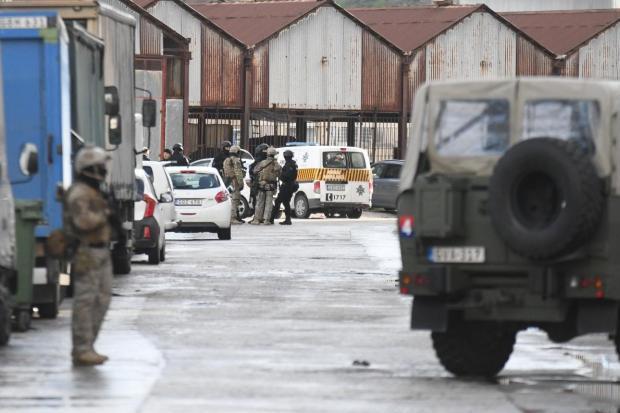 The Degiorgio brothers were arrested at the Marsa potato shed in December 2017. File photo.
Alfred Degiorgio told Melvin Theuma that he would speak to "his associates" and get back to him with an answer.
Two days later, Theuma and Degiorgio met again, this time at Busy Bee in Msida.
There, Degiorgio quoted Theuma a price of €150,000 for the journalist’s murder.
This sum was to be split into an upfront deposit of €30,000, and €120,000 to be paid after the assassination was carried out.
Theuma told Degiorgio that he would inform the person who commissioned the murder and get back to him.
Election interruption
On May 1, 2017, then Prime Minister Joseph Muscat announced a snap election for June 3.
Following the announcement, Fenech allegedly called Theuma and instructed him to put the assassination on hold.
Around two weeks after the election, which saw Muscat’s Labour Party return to power, Fenech allegedly once again greenlit the bomb plot and handed Theuma a brown package with €150,000 in cash for the murder.
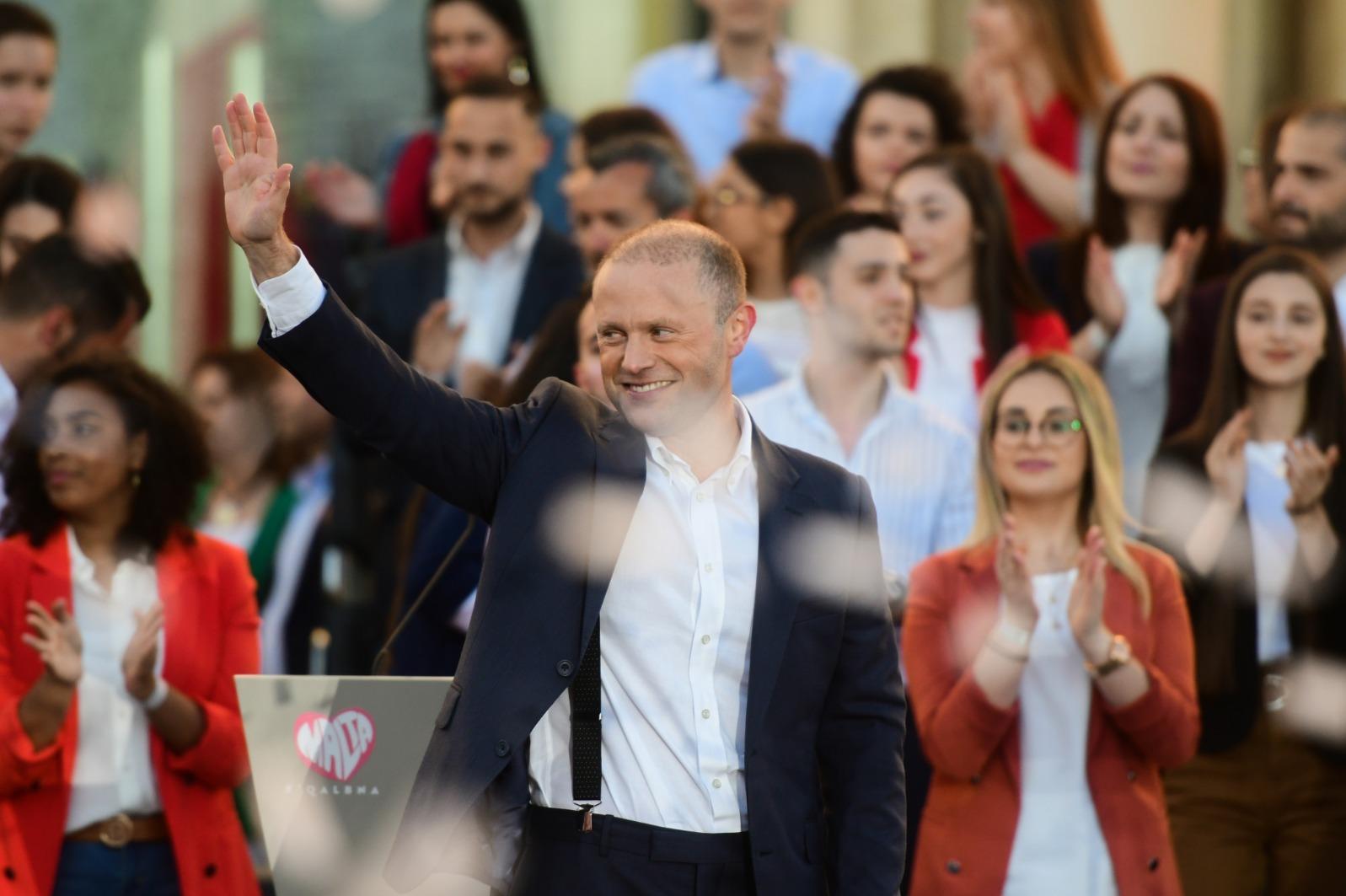 Joseph Muscat seen on May 1, 2017, when he called a snap general election. File photo.
Melvin Theuma took €30,000 from this sum and delivered it to Alfred Degiorgio as the requested deposit for the killing.
He set aside the remaining balance to be handed over once the murder was carried out, as agreed.
As days, weeks and eventually months passed following the payment of the deposit, Fenech allegedly grew anxious.
Theuma has previously claimed Fenech continuously pressured him to push Alfred Degiorgio and his associates to assassinate Caruana Galizia as quickly as possible because she was about to publish information about him personally and not about his uncle, as he had previously claimed.
Bidnija surveillance
The triggermen were not idle during this period. The Degiorgio brothers, together with their associate Vincent Muscat (il-Koħħu), began frequently scouting the Bidnija area to study and observe the surroundings of the journalist’s residence as well as her movements.
As part of the plot, they arranged to acquire a powerful explosive, mobile phones distinct from those they habitually used, and a number of SIM cards.
During the night between October 15 and 16, 2017, they found the opportunity to open Caruana Galizia's car.
They placed a highly potent bomb beneath the driver's seat.
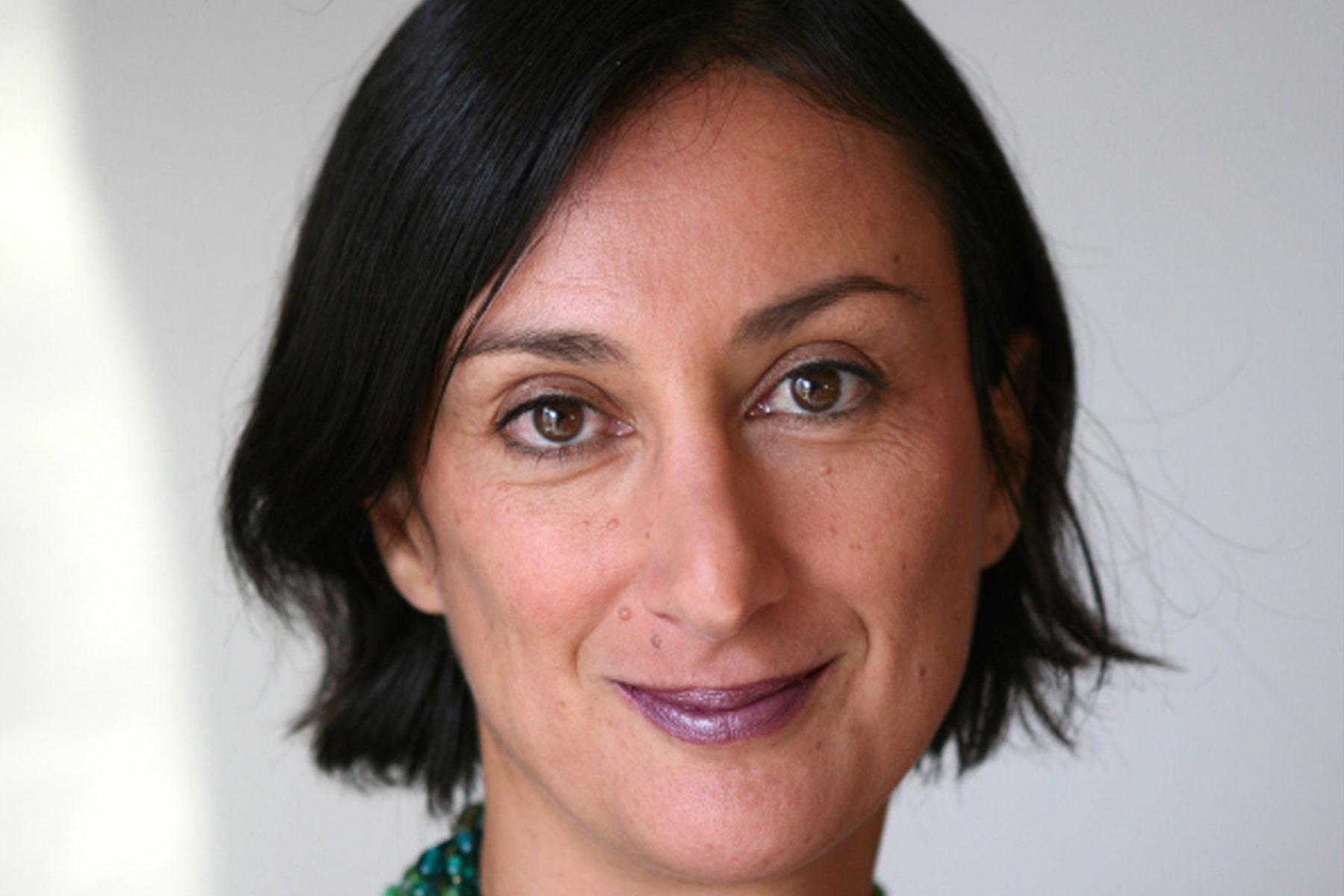 Daphne Caruana Galizia. Photo: Pippa Zammit Cutajar
The device was armed not only with high explosives but also with a GSM module, enabling it to be detonated remotely via a mobile phone.
Shortly before 3pm on October 16, Caruana Galizia left her home, got into her vehicle and drove to the bank.
Alfred Degiorgio, who was monitoring Caruana Galizia’s residence with Vince Muscat, called his brother George Degiorgio, who was on his cabin cruiser Maya in the Grand Harbour.
Degiorgio picked up a mobile phone, typed in the code ‘#rel1 = on’, and sent it to the SIM card number inside the GSM module that was part of the bomb under the driver’s seat of Caruana Galizia’s vehicle.
The subsequent explosion was so violent that various parts of the journalist’s body were blown out of the car by the blast. The rest of her body ended up burnt amidst the twisted metal frame of what moments before had been her car, after it ended up as a ball of fire in a field adjacent to the road.
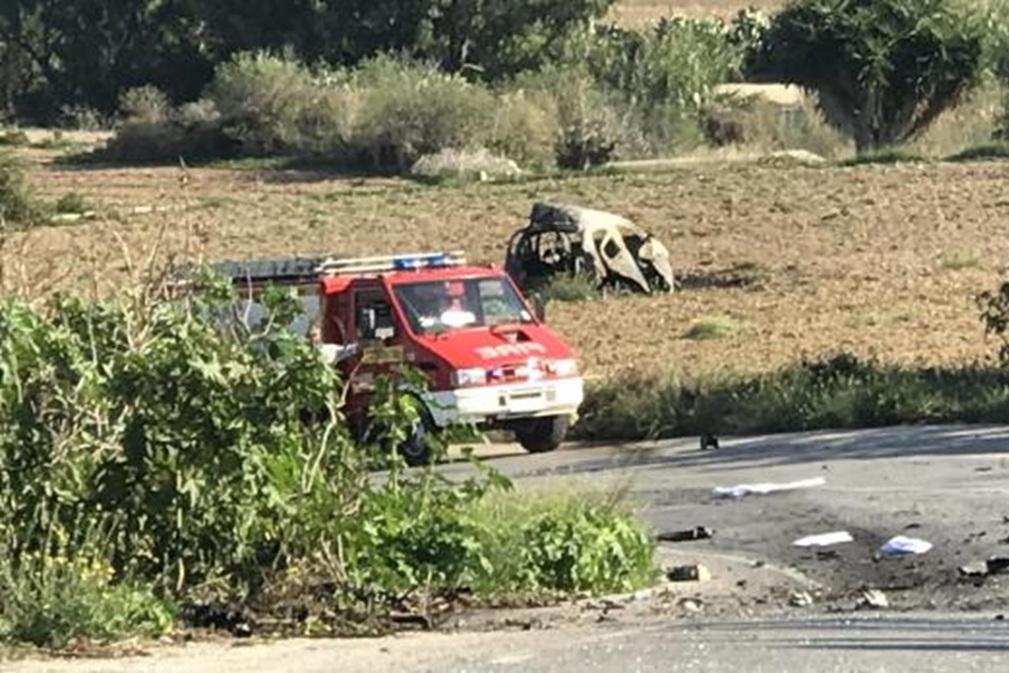 The car bomb obliterated the journalist outside her Bidnija home. File photo.
Her son, Matthew, was first on the scene and has described seeing pieces of plastic, glass and flesh.
“I noticed my mother’s leg on the ground in the field,” he told the trial of the bomb makers. “That is when I realised that she hadn’t survived.”
Money and power
Shockwaves from the bomb plot would resonate for years to come.
Fenech’s arrest in November 2019 during an alleged attempt to flee Malta following Theuma’s arrest, and the mass street protests that followed, led to the downfall of Muscat’s government.
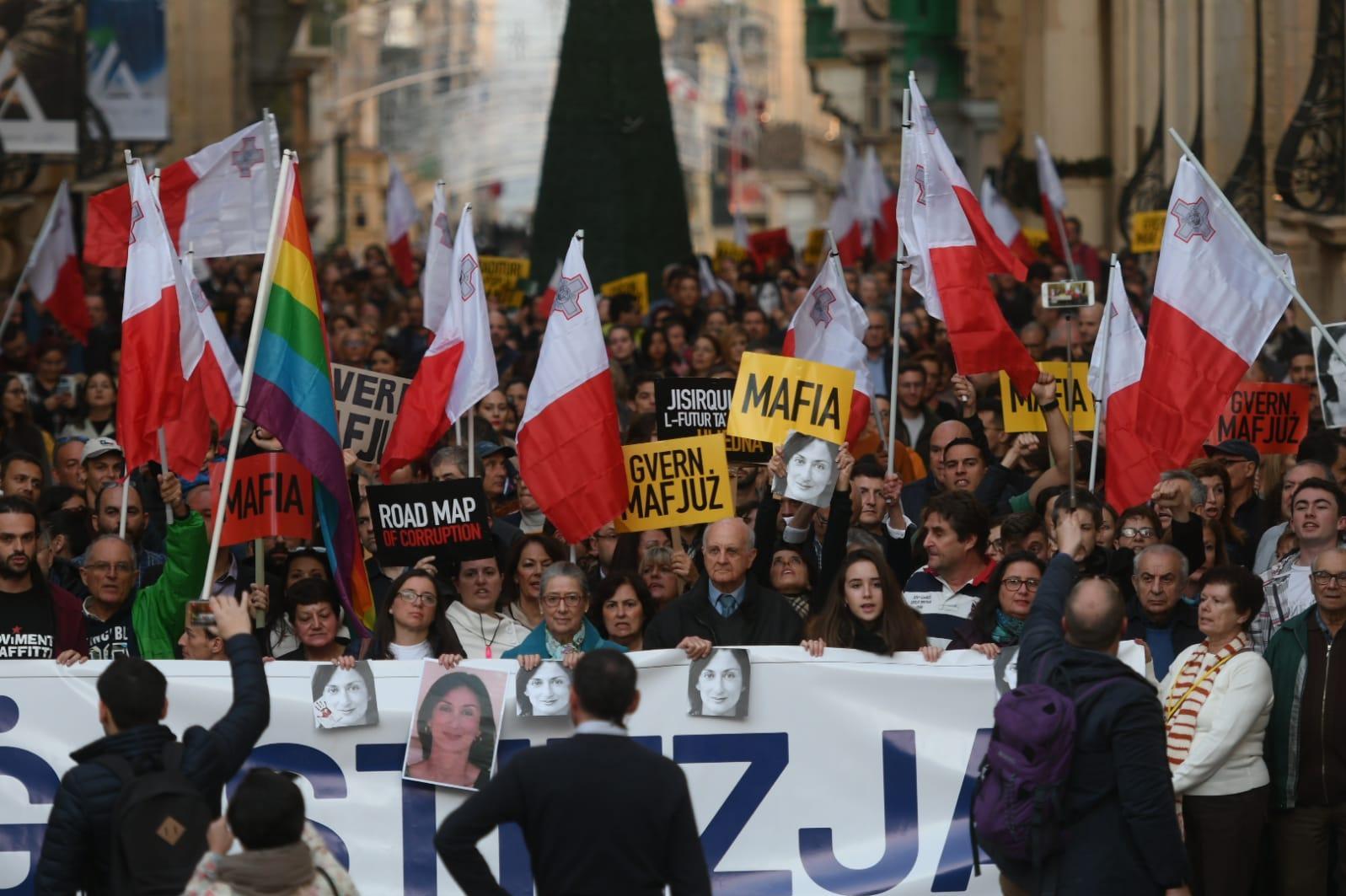 Yorgen Fenech's arrest triggered mass protests against Joseph Muscat's government. File photo.
The ex-prime minister top aide Keith Schembri, once a good friend of Fenech, was arrested after the Tumas businessman turned on him and alleged he was the true mastermind behind plot.
Schembri denies the claims and has not been charged in relation to the murder.
WhatsApp messages, photos and e-mails seized from Fenech’s electronic devices would lay bare the intersection between money, politics and power.
Fenech had Muscat, Schembri and a coterie of other powerful government officials on speed dial.
His influence stemmed from the multi-million-euro business empire built by his father George and grandfather Tumas Fenech.
Power station project
Tumas Group, which has been in business for over half a century, has interests spanning gaming, hospitality and leisure, management, and property development.
Yorgen Fenech’s first big project of his own was the implementation of an ambitious 2013 plan by Muscat’s government to build and operate a new power station within a tight two-year deadline.
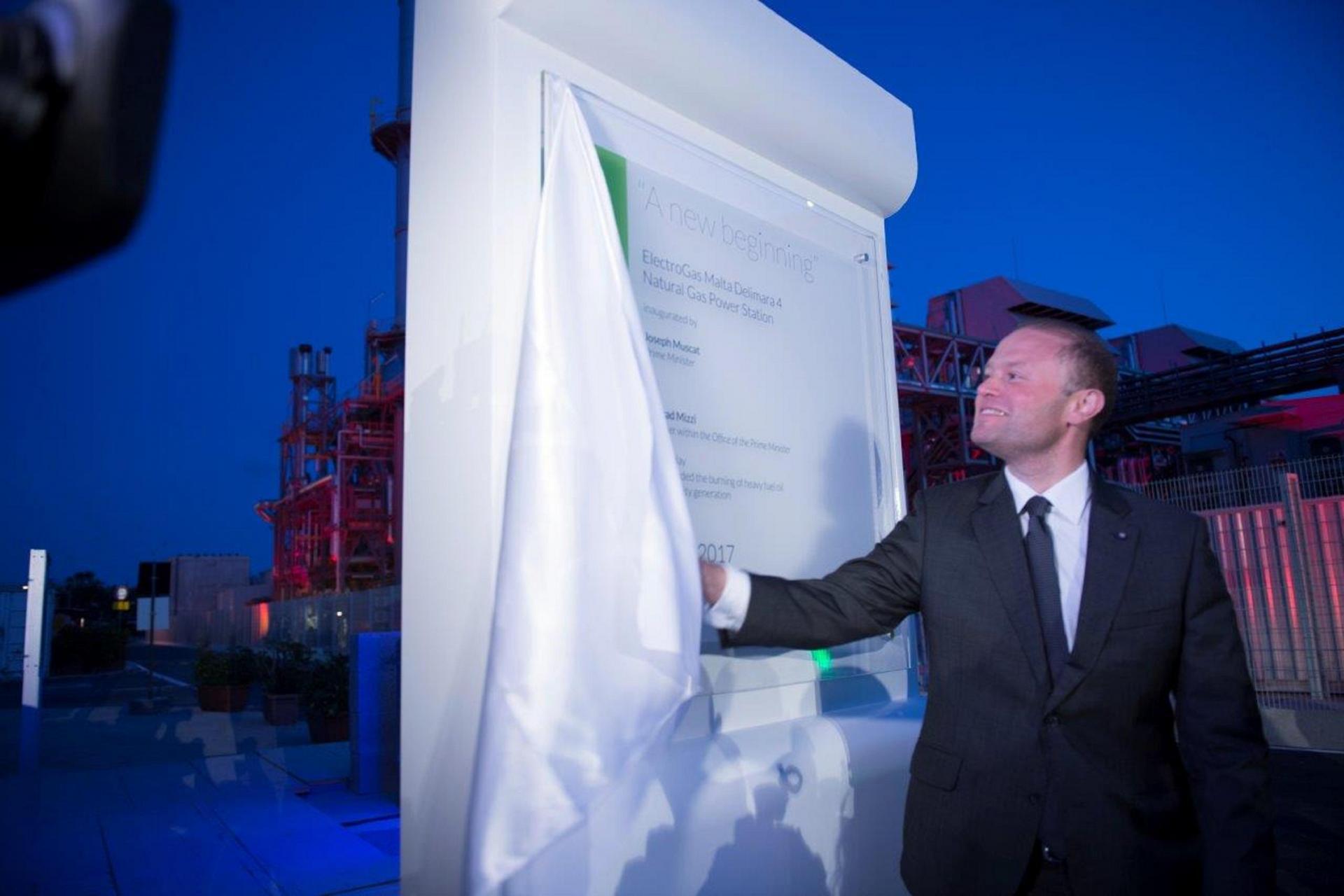 Joseph Muscat inaugurates the Electrogas power station on April 24, 2017. Photo: Jason Borg, DOI
Fenech would go on to describe the project, which was won by Tumas Group and a consortium of other big business interests, as “one huge mistake.”
Months before he was exposed by Times of Malta and Reuters as the owner of 17 Black, Fenech told his wife in an email that “17 was one whole stress.”
17 Black, an anonymously owned shell company in the secretive United Arab Emirates, would come to epitomise the Muscat government’s dubious ties with big business.
Both Schembri and then Energy Minister Konrad Mizzi were set to receive over €1 million yearly from 17 Black via companies in Panama.
Their plans were exposed in the Panama Papers leak
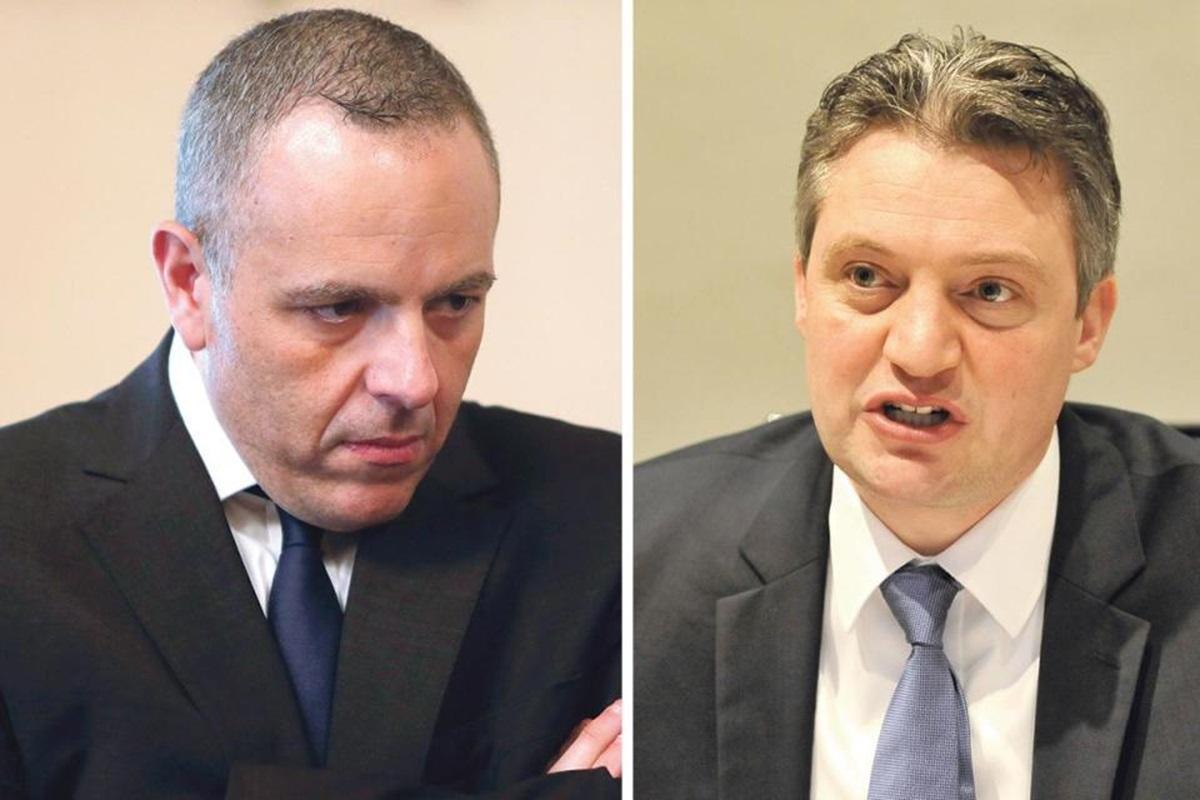 Keith Schembri (left) and Konrad Mizzi have been charged over the Panama scandal.
Investigators suspect the Electrogas project was to be the reason behind these planned payments.
Caruana Galizia teased knowledge about 17 Black in a cryptic February 2017 post on her personal blog.
The cryptic blog post, which did not name Fenech, came just two months before the Tumas magnate is alleged to have hired Theuma to murder her.
A subsequent magisterial inquiry into the alleged corruption uncovered “corrupt deals” fuelled by major energy contracts and millions of euros in funds “laundered” from Azerbaijan.
Fenech, Schembri, Mizzi and others were all charged as a result. The outcome of that case has yet to be decided.