Youth work is not a side role
Youth work is a professional practice with real impact, says Sarah Spiteri
For over a decade, I have worked as a youth worker in Malta, supporting young people through moments of uncertainty, creativity, struggle and growth. I am currently employed with Aġenzija Żgħażagħ, Malta’s National Youth Agency, where youth work is recognised not as an add-on but as a professional practice rooted in inclusion, participation and non-formal education.
Yet, youth work is still too often misunderstood as informal, optional or secondary to ‘real’ education. In reality, it is a profession grounded in ethics, skills and relationships, and its impact is often felt long before it is recognised.
My role as a senior youth worker spans facilitation, mentoring, programme development and policy-informed practice. Much of my work involves creating spaces where young people can ask difficult questions, express themselves creatively and develop the confidence to engage with society on their own terms. At its core, youth work is about meeting young people where they are and walking alongside them as they shape their own paths.
A key part of my professional journey has been my involvement with Eurodesk Malta, which is run by Aġenzija Żgħażagħ, part of a European information network that this year celebrates its 35th anniversary. Eurodesk was established to ensure that young people have access to clear, reliable information about learning mobility opportunities across Europe. Thirty-five years on, its relevance has only increased; hence why Aġenzija Żgħażagħ also operates a youth information one-stop shop.
In an increasingly complex world, access to information alone is not enough. Young people need guidance, context and trust. Through Eurodesk, youth workers help translate opportunities into realistic possibilities, particularly for young people who may not initially see themselves as ‘eligible’ or capable. This work reflects the broader mission of Aġenzija Żgħażagħ: to empower young people to participate actively in education, employment, culture and civic life.
Youth work builds participation, confidence and active citizenship- Sarah Spiteri
Youth work operates in the spaces where formal systems often fall short. It builds bridges between education and employment, between institutions and lived experience and between policy and everyday reality.
It supports the development of transversal skills such as communication, critical thinking, resilience and creativity; skills that are essential in a labour market shaped by constant change.
Yet, youth work remains undervalued. Too often, it is seen as a stepping stone rather than a profession in its own right. In truth, youth work requires specialised training, reflective practice, ethical responsibility and emotional intelligence. These are not soft skills; they are professional competencies.
Over the years, my practice has also been shaped by art, culture and non-formal learning. As an artist and youth worker, I have seen how creative approaches open doors for young people who feel excluded from traditional spaces.
Recognition at international level, including being awarded the Commonwealth Youth Worker Award twice, has reinforced my belief that youth work matters, not only to individuals but to society as a whole.
As Eurodesk marks 35 years and as Aġenzija Żgħażagħ continues to invest in youth work across Malta, the message is clear: youth work is not a luxury. It is an investment in participation, inclusion and democracy.
Youth work does not offer quick fixes. What it offers instead is something far more enduring: relationships, confidence and the belief that young people are not just future citizens but active contributors today.
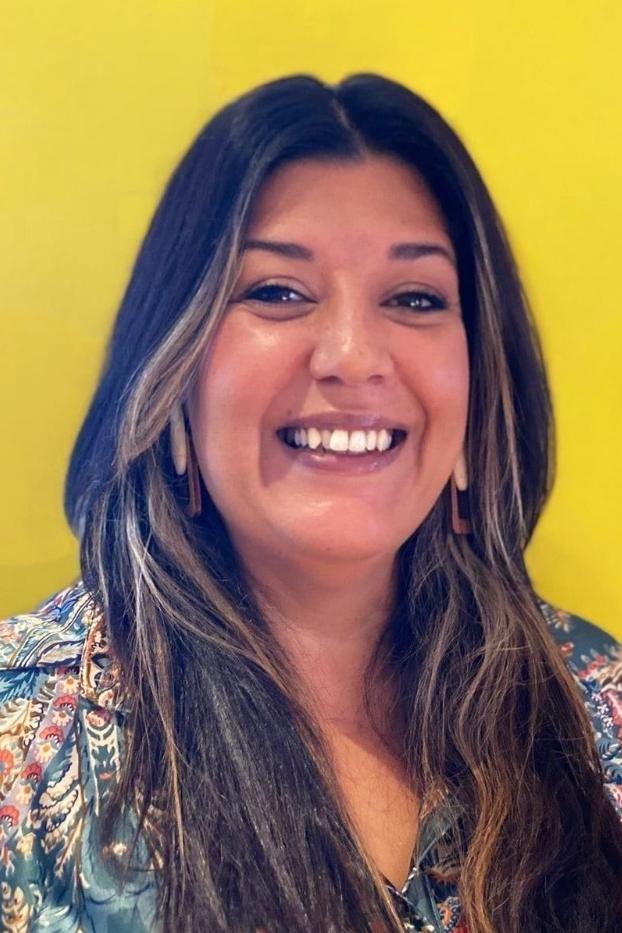
Sarah Spiteri is a senior youth worker at Aġenzija Żgħażagħ.