The €1,500-a-year private members' club coming to Malta
The son of the founder of London's exclusive private members' club plans one for Malta
For decades, Annabel’s has stood for a particular kind of London glamour: velvet-roped, expensively lit and out of reach for many. The Mayfair private members’ club hosts celebrities, financiers and aristocrats.
Now, a member of the family behind that world is trying to bring a version of it to Malta.
Jamie Caring, son of British restaurant tycoon Richard Caring, has been brought in by db Group to help create The Arbour, a private members’ club due to open in St George’s Bay next autumn.
But St George’s Bay is not Berkeley Square.
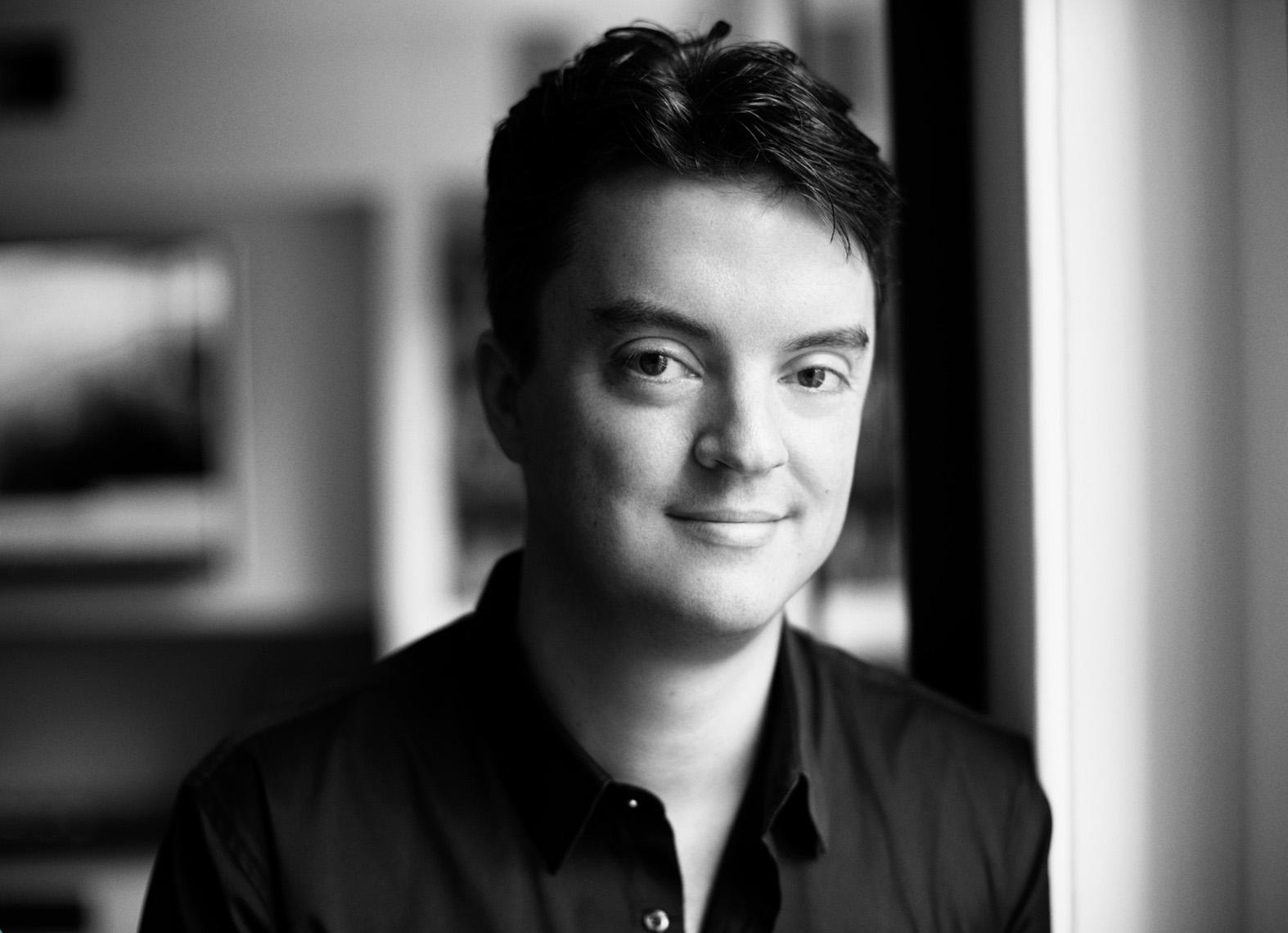 Jamie Caring, son of restaurant tycoon Richard Caring, has been brought in by db Group to help create a private members club.
The Arbour will sit within db Group’s development, a project that has long divided opinion. Its lookbook describes the club as a “place to shape what the island becomes next”. The name itself suggests shelter, shade and calm.
That may be a harder sell in an area better known for Paceville nightlife.
Caring, however, sees possibility and he has experience opening a string of ultra-elite venues around the world. Malta, he acknowledges, is effectively at “ground zero” when it comes to private members’ club culture. Previous attempts may have failed, but he believes the country has changed.
“I think Malta simply was not ready until now,” he said. “When I started working on the project, I spent time speaking with Maltese contacts and researching previous club concepts. Even five years ago, it would have been too early,” he said.
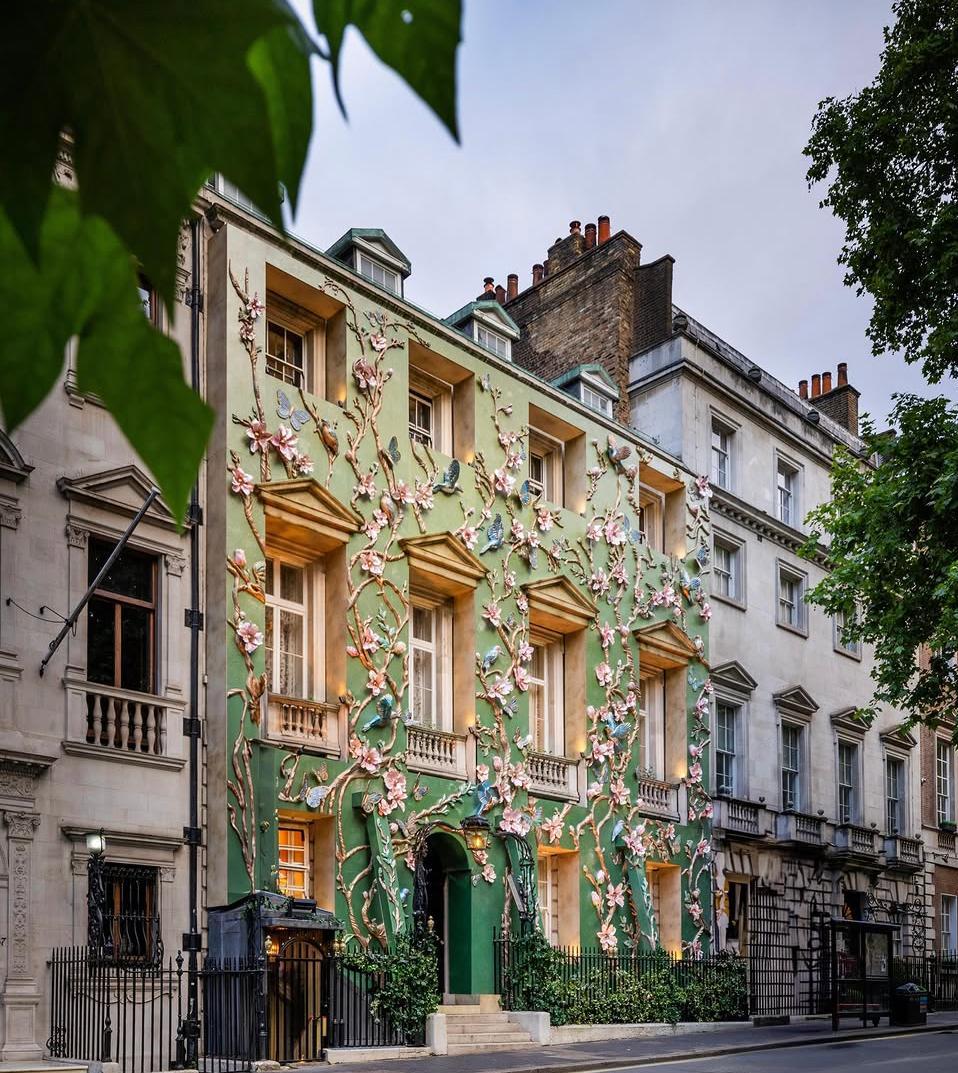 Annabel's in Mayfair. Photo: Annabel's/Instagram
The pitch is that Malta has become more international.
“Londoners have moved to Malta and Maltese have experienced high-level club culture elsewhere. They are returning and asking why it does not have something similar,” he said.
Caring has consistently been told Malta lacked a “go-to” place. “There are plenty of restaurants and bars, but no obvious answer to the question: ‘Where shall we go tonight?’”.
Prerequisites: not just wealthy
Launching a members’ club is a very complex process.
He has since spent months, together with his team, working on “getting the community right”; building membership committees composed of people who know Malta. Once formally confirmed, they will be identifying prospective founding members who will be invited to join the club.
“We are looking carefully at a balance across age, gender, nationality, profession,” Caring said.
Membership applications are a collective decision, he underlined, cagey about the numbers being targeted.
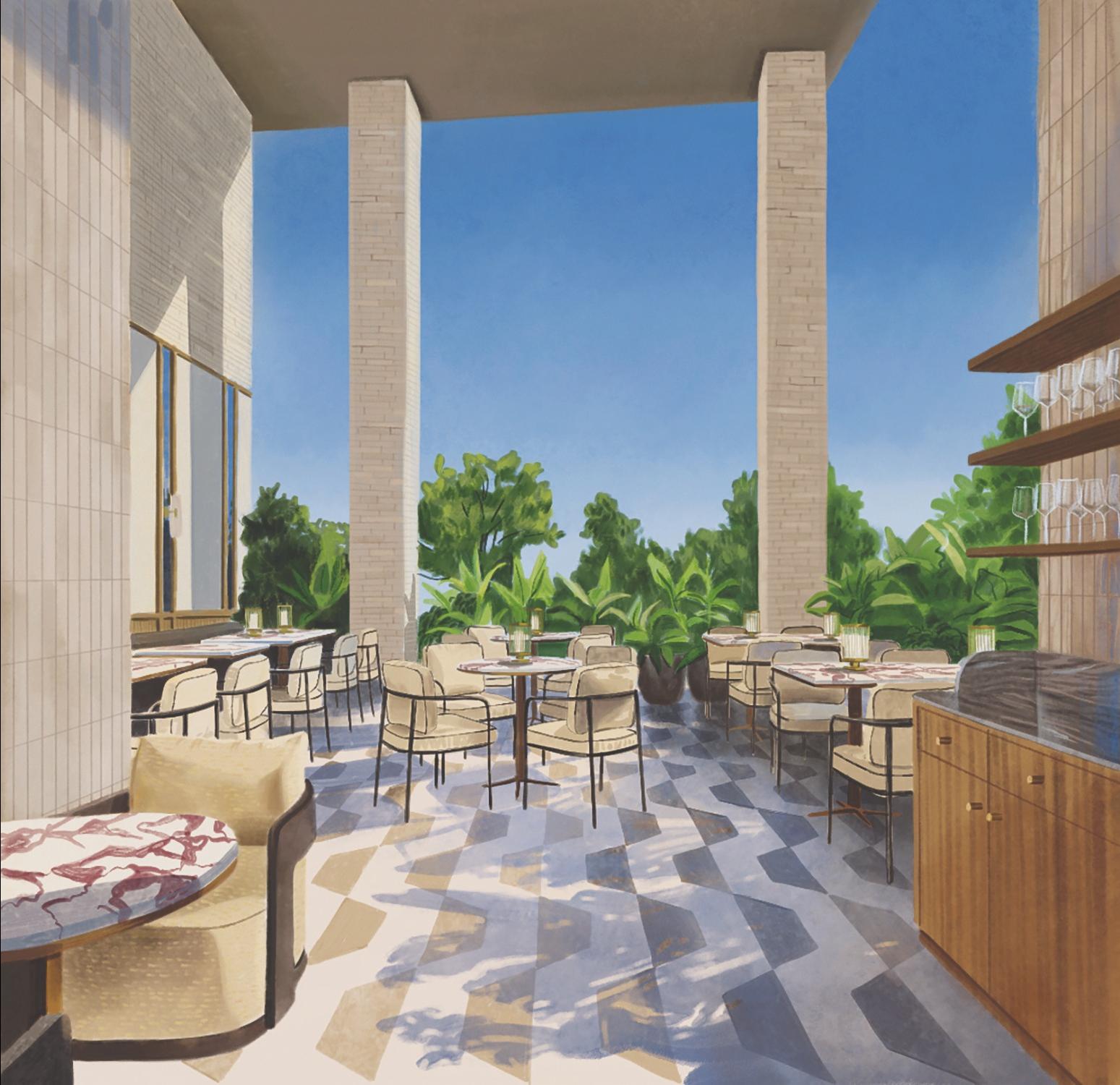 An idea of the terrace at The Arbour by interior designers Astet Studio.
Private clubs usually come with a hefty membership fee, involve a secretive vetting process – and long waiting lists. But the exclusivity of Malta’s club will not be dictated only by the price tag.
It will cost a yearly €1,050 for founder members and rise to €1,500 plus a one-time joining fee for other members. But members should have something else to offer other than deep pockets: the ability to make the place more interesting just by being there, Caring said.
The promise of access to a “fantastically” curated new community that introduces people to connections and experiences they would not otherwise encounter could ring hollow in a country with a population of 550,000.
Malta was not ready... until now
But Caring insisted Malta was large enough to generate genuinely new social connections.
“If all we do is create a new venue for the same people, we have failed,” he said. “Our goal is to bring together people from different generations, industries, backgrounds.
“Meeting new people is one of the main reasons people value club membership.”
Location, location, location
So, how important is the address for a members’ club?
“Location matters, but it is not everything,” said Caring.
“Around the world, some clubs sit in prestigious luxury districts. Others have emerged in areas that were once considered rough or unfashionable. Soho in London, once considered seedy, is a good example.
“A great club creates its own universe. People pass through the surrounding environment and enter a completely different world inside.
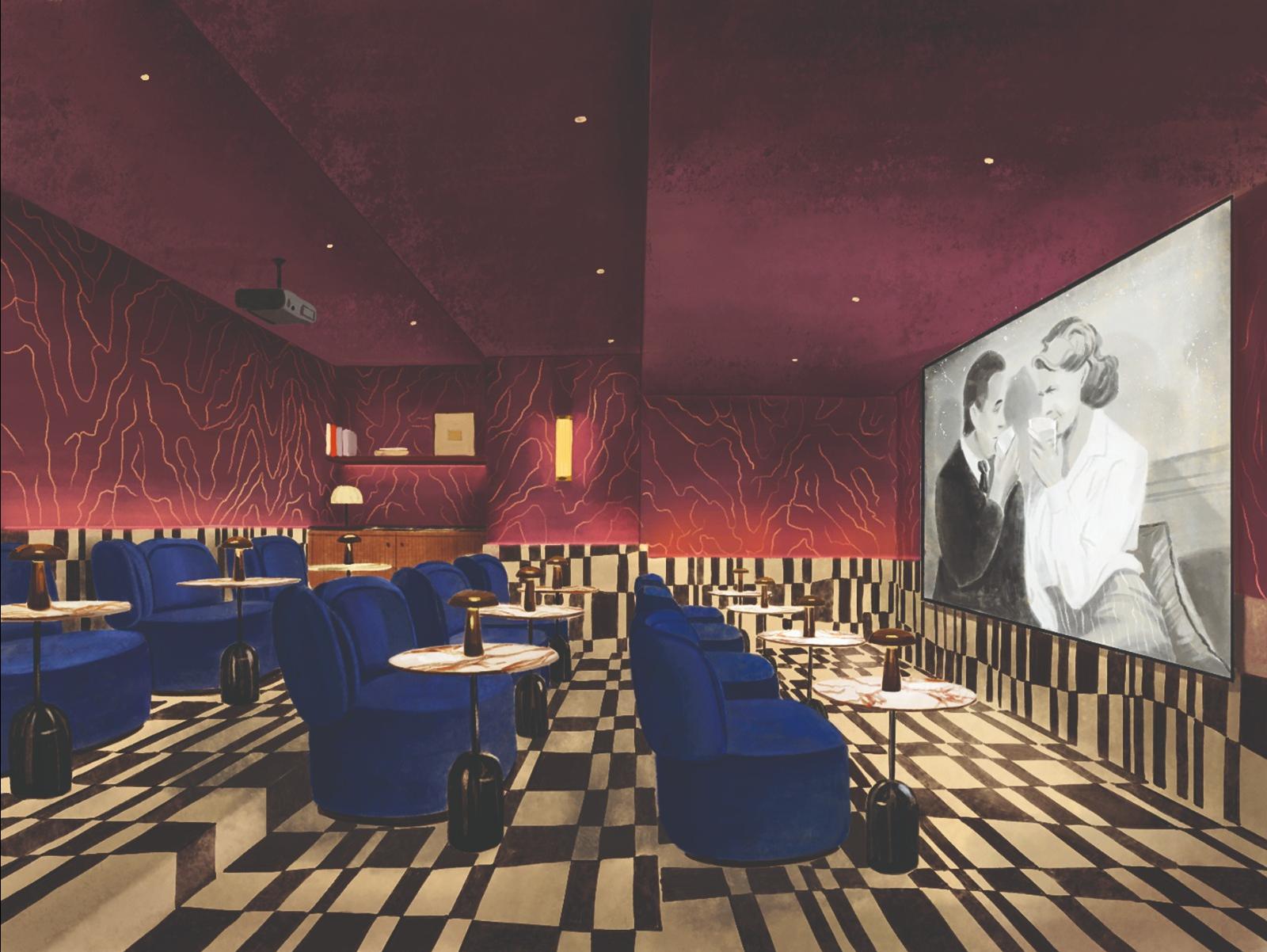 The Arbour's screening room
“I cannot predict how Maltese members will ultimately feel about the location, but successful clubs create a sense of place that transcends their surroundings,” he explained.
Caring’s father, often described as the “king of Mayfair” recently sold a major stake in his €1.4 billion luxury hospitality empire to an Abu Dhabi luxury investment group.
Born and bred around venues frequented by jet-setting celebrities, royalty and the global elite, Caring, cast as “the prince” can tap into a winning formula at his fingertips.
His father’s successful work ethic has centred on going the extra mile and getting people excited. For Caring, that starts with getting the offering right.
The former CMO at London’s famed Soho House, Caring plans to pour his expertise in masterminding “the next generation of private clubs” into Malta.
He is working with an important team that includes a “culinary architect”, with experience at Harrods, to interior designers from Barcelona, whose portfolio lists Louis Vuitton and Four Seasons.
While many clubs occupy historic buildings and lean heavily on heritage, that is not the context in St George’s Bay and the design is “contemporary” rather than nostalgic.
Fancy touches at The Arbour will include personal wine collections and its own tipple, as well as a dedicated cocktail lab. But critical to the attraction is the focus on “culture”, Caring insisted.
“Clubs provide both tangible and intangible value – and the intangibles are often more important. They are all about community and programming. A club cannot simply be a private restaurant, or a gym. It needs compelling events, experiences and cultural programming that constantly evolves.
“If we attract the kind of members we are aiming for, they will have high expectations, including intellectual stimulation.”
Are you the right fit?
Annabel’s is almost impossible to access and part of the allure of private members’ clubs is just that. But while there will certainly be a “process” at The Arbour, the idea is “not to try and create exclusivity for its own sake”, Caring continued.
That said, another common mistake is diluting membership value. If non-members can constantly access the club through the backdoor, public events, or extensive guest lists, the whole point would be lost, he said.
What The Arbour definitely does not want is to be an expat enclave, said Caring, adding that any successful club in Malta had to feel fundamentally Maltese; to become part of its social fabric.
“Sometimes someone won’t be accepted because they are not the right fit. Other times it may simply be because a particular demographic is already overrepresented.
“It’s about maintaining balance,” he said.