Architects argued over Paceville block safety five years before collapse
One believed it was unsafe, the other two disagreed
Updated 5.50pm
Three architects have disagreed on whether Tania Flats was structurally sound five years before the block came crashing to the ground earlier this month.
In early 2020, an architect representing the owner of the building’s ground-floor maisonette, Christopher Mintoff, warned that a penthouse that was built on top of the block a few months earlier had caused damage to the party walls.
A second architect, Wallace Farrugia, representing the other owner who owns the rest of the block – and who built the penthouse – disagreed, insisting the building was structurally sound.
To solve the impasse, both architects agreed to rope in fellow architect and professor Alex Torpiano to assess the structural integrity of the block himself. Torpiano found that the walls on the ground floor were strong enough to withstand the load.
What the architects said
On the evening of June 11, a large part of the apartment block Tania Flats on Triq Paceville collapsed, hours after 32 students were told to evacuated the building. Nobody was injured, in large part, due to the quick work of architects and authorities to evacuate everyone at the 11th hour.
The dispute between architects began around the end of 2019, when the penthouse was completed.
The owner of the block's ground floor, Santumas Shareholdings Plc, asked their architect, Mintoff, to assess the building.
That is when Mintoff first raised concerns with Farrugia, who was the architect of the owner who built the penthouse - High Point Ltd.
Farrugia disagreed with Mintoff's concerns, and in February 2020, the two decided to appoint Torpiano for a third opinion.
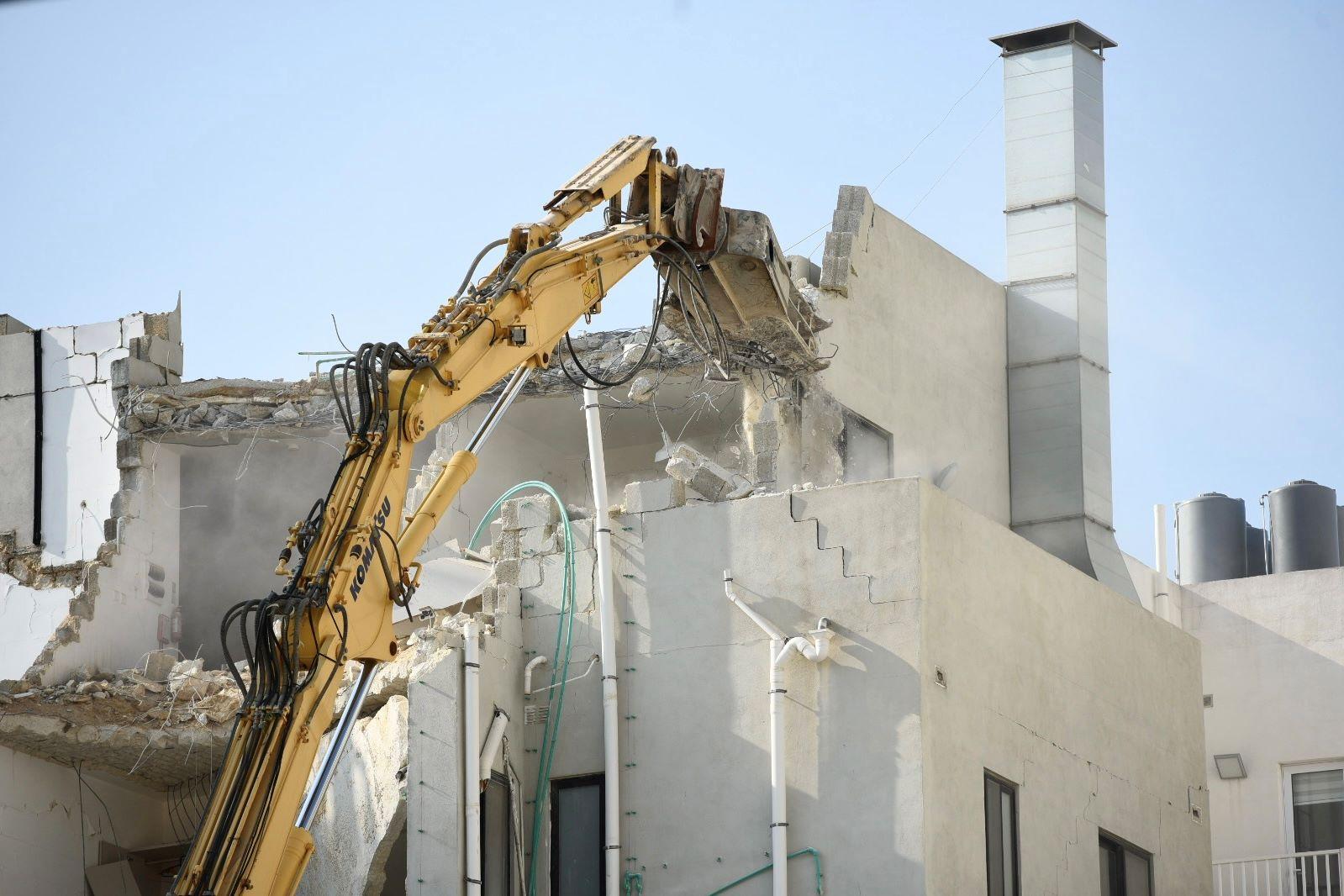 Controlled demolition of the site. Photo: Matthew Mirabelli
Meanwhile, in May that year, Mintoff drafted a report stating the party walls “suffered damages” due to the additional floor that was constructed.
He called for “urgent repair and upgrade works” of the party wall’s foundations to ensure it can carry the full load of the additional floor without danger of it collapsing.
In his report, seen by Times of Malta, Mintoff clearly states that no additional structural works can be carried out on adjacent properties before reinforcement works on Tania flats are carried out.
“Any delay to carry out these works will result in additional settlement and damages, which will result in further degradation of the structure,” Mintoff had written.
The conclusions of this report were later sent to the Building Construction Authority (BCA), the police commissioner, St Julian’s mayor and adjacent properties.
Penthouse owners offered to carry out repair works
High Point Ltd never believed that the building was unsafe. However, to resolve this issue, the company told Times of Malta that in June 2020, they offered to strengthen the walls where the cracks appeared.
The company added that Santumas never accepted their request.
Responding to this claim, Mintoff told Times of Malta that High Point "never took [his] concerns seriously", and denied that any serious attempt was made to repair the situation.
Eventually, Torpiano completed his report in September 2020, which found that the “current walls can carry the additional loads". In the report, Torpiano refers to “proposed” additional floors, but the floors were already built at the time.
Torpiano clarified with Times of Malta that his report was not a theoretical study, but an analysis of how strong the ground floor walls were to withstand the load at the time.
Torpiano also asked why Mintoff failed to notify the developers of the adjacent site prior to demolition if he was so concerned about the safety of the building.
Mintoff on site again this year
Mintoff was asked to return to the site to assess the building after demolition works began on the site adjacent to Tania Flats on June 9 this year.
When he arrived on site, he said he was surprised at how much the situation had deteriorated, describing it as a “catastrophe”.
Mintoff filed a report with the BCA that included a detailed account, accompanied by photos, of “new damages” and “cracks” that were not present in the condition reports carried out by the demolition contractors in November 2024, prior to the commencement of demolition works.
Developers planning demolition or excavation works are required to prepare a condition report assessing the state of adjacent buildings before any such activity begins.
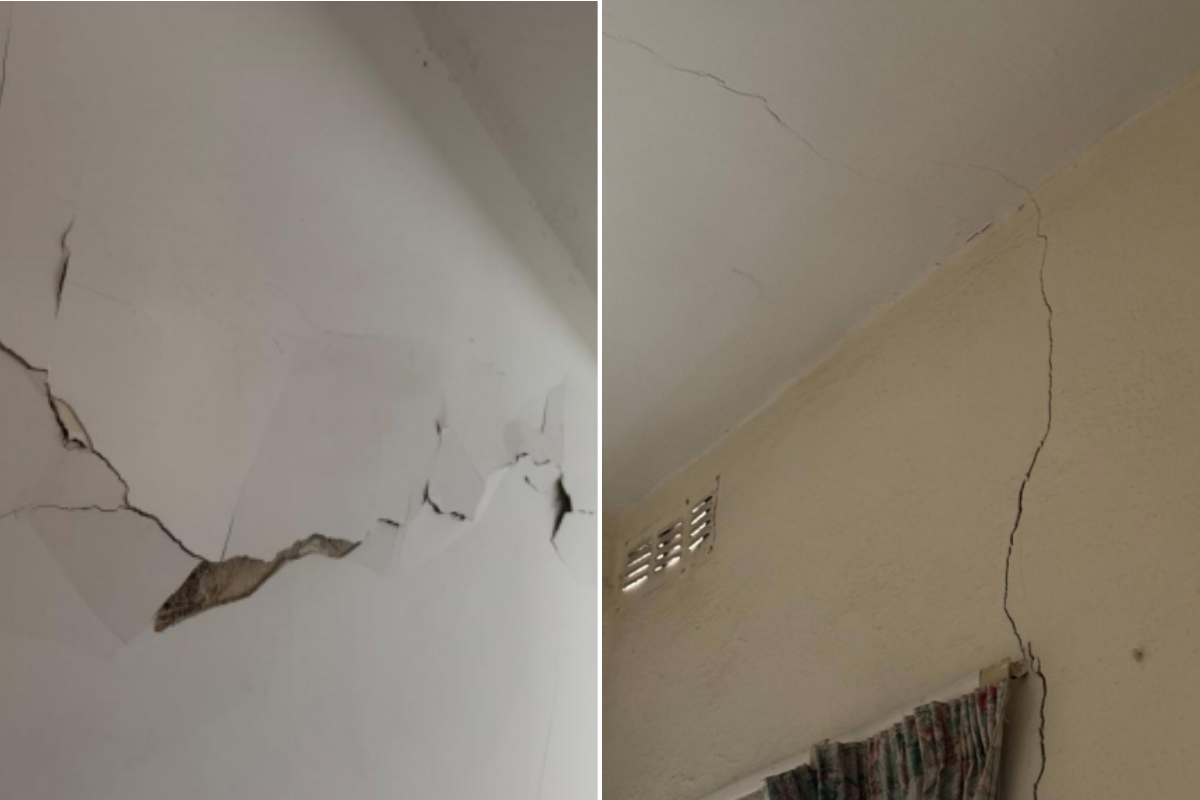 The cracks found in the building two days before the collapse. Photo: Christopher Mintoff
The tone of this latest report is noticeably more urgent than that of a previous one submitted in 2020.
In it Mintoff warns: “This might be the last warning the building may give prior to a more serious scenario. These types of structures fail slowly, then suddenly.”
A day later, on June 10, the situation worsened, and the active construction site was issued with a stop-work notice. The next day the building collapsed.
'Damaging' speculation
Through his lawyers, Farrugia issued an official statement on Thursday afternoon saying that any speculation about the collapse before investigations are concluded could be "damaging".
He pointed out that the collapse occurred following the demolition works.
He also noted how prior to demolition works taking place, the architect of the demolition site – Glenn Zammit – had issued a work method statement which stated that the neighbouring buildings are “good and stable and do not pose any particular risk during demolition”.