Beyond the bastions: our responsibility
Malta’s UNESCO bid is about more than international recognition; it is a test of whether we are prepared to protect our heritage together, says Mgr Joseph Vella Gauci
Malta’s ambitious bid to secure UNESCO World Heritage status for the monumental fortifications built by the Knights of Saint John has taken a crucial step forward following a rigorous on-site technical evaluation by an international expert from the International Council on Monuments and Sites (ICOMOS).
Earlier this year, the Maltese government officially submitted the comprehensive nomination dossier, formally titled ‘The Maltese Fortifications of the Knights of St John’.
Spearheaded by the National World Heritage Technical Committee and compiled with extensive input from the Superintendence of Cultural Heritage, Heritage Malta, the Restoration and Preservation Directorate and experts from the University of Malta the document presents a meticulous case for the ‘Outstanding Universal Value’ of the archipelago’s sprawling bastions.
If successful, the proposal will serve as a massive extension to Valletta’s existing 1980 UNESCO listing. It will encompass the imposing harbour fortifications on both the Marsamxett and Grand Harbour flanks, the Santa Margherita and Cottonera Lines, the ancient walled city of Mdina and the Cittadella in Gozo.
These stone defences, erected during the Order’s rule between 1530 and 1798, are widely considered some of the finest examples of post-Renaissance military architecture in the world.
The recent visit by an expert from the ICOMOS – the official advisory body to the World Heritage Committee – marks a critical milestone in this journey.
Over several days, the delegate conducted extensive physical inspections across Malta and Gozo, assessing the structural integrity, historical authenticity and ongoing conservation of the bastions.
The technical mission also closely scrutinised the state’s management strategies, ensuring that the sites are adequately protected against modern urban development pressures and the potential influx of heritage tourism.
With the technical ICOMOS evaluation now concluded, the national nomination team is immediately pivoting its focus toward the lifeblood of these historic sites: the Maltese people.
Heritage does not exist in a vacuum- Mgr Joseph Vella Gauci
Over the coming weeks, the team will launch a nationwide public engagement campaign, meeting directly with local community members, local councils and key stakeholders.
This crucial next phase is dedicated entirely to explaining the scope of the nomination and informing the public on the enduring impact of a UNESCO inscription.
Heritage does not exist in a vacuum; it is deeply intertwined with the communities that live within and around these walls.
The upcoming series of town hall meetings and public forums will transparently break down the intricacies of the UNESCO bid. Planners and stakeholders will discuss what an extended World Heritage status will mean for daily life, local commerce, property regulations and sustainable cultural tourism.
Residents in historic hubs such as the Three Cities, Valletta, Mdina and Victoria will see direct outreach. The dialogue will focus not only on the immense national pride of international recognition but also on the shared civic responsibility of safeguarding these monuments.
The final decision will ultimately be made by the 21-member World Heritage Committee following their review of the dossier and the ICOMOS evaluation report.
Until that vote, the campaign to elevate Malta’s unparalleled military architecture relies on a united front – from the rigorous scrutiny of international experts to the enthusiastic, informed support of the local communities who call these historic bastions home.
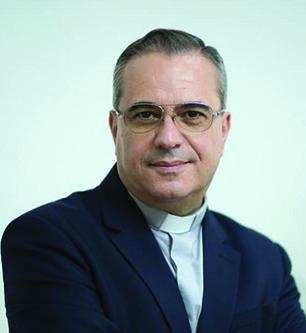
Mgr Dr Joseph Vella Gauci is the Maltese Ambassador and Permanent Delegate to UNESCO and chairperson of the National World Heritage Technical Committee.