Celebrating 65 years of the Duke of Edinburgh’s International Award
The programme appears to serve as an intermediary training ground to develop ‘executive functions’ such as thoughtful planning and self-regulation – cognitive functions absolutely critical for long-term academic and personal success
The Duke of Edinburgh (DofE) International Award Malta Foundation is celebrating the award’s 65 years of providing opportunities for young people to challenge themselves and be part of a team. I am honoured that, as part of the EMAS 2026 ‘Threads of Impact’ conference, I have been invited to join in these celebrations.
It was inspiring to note that the current Malta DofE board chair participated in the award themselves and to hear from others at the event who talked about the lifelong opportunities the award afforded them.
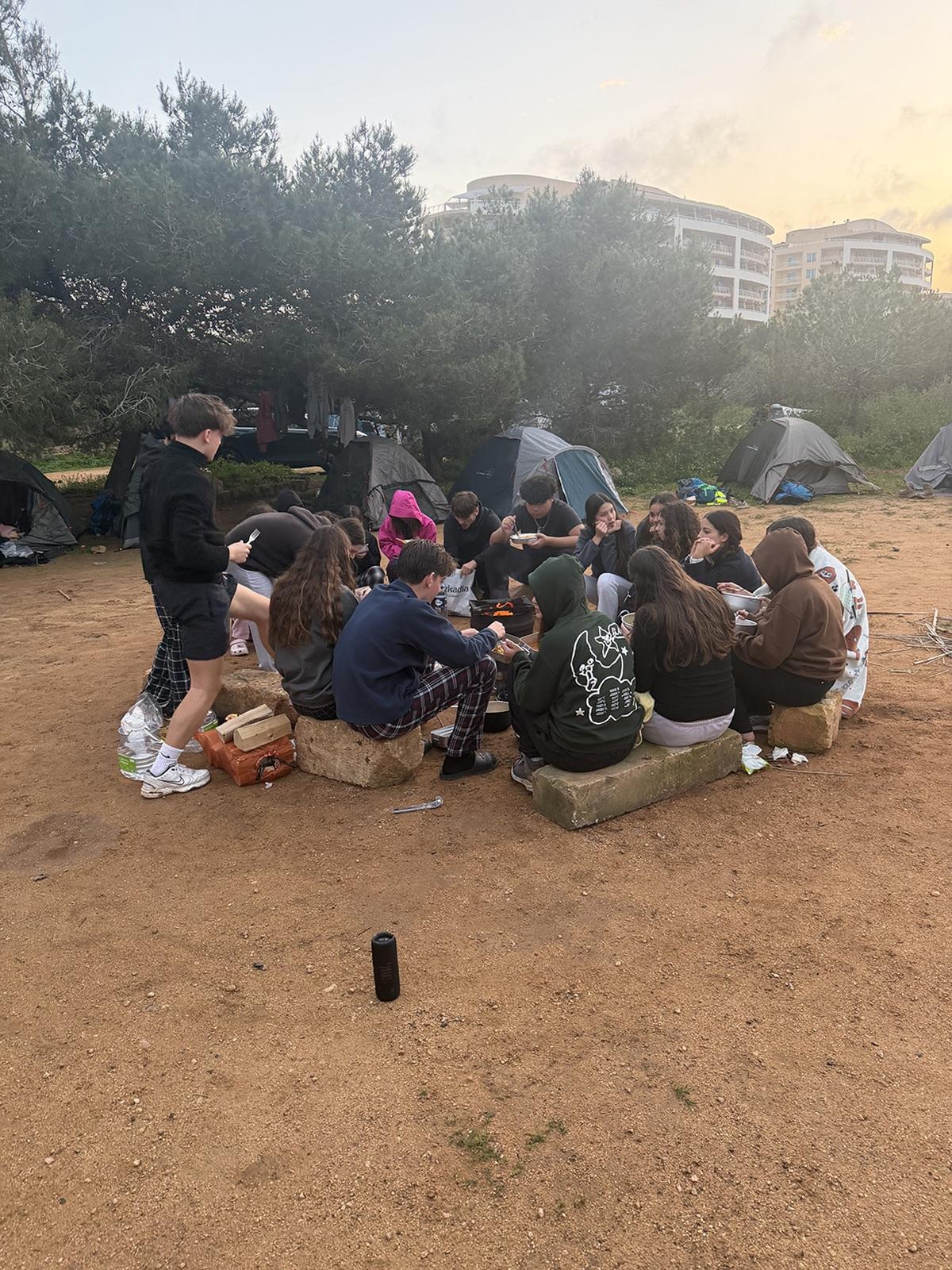
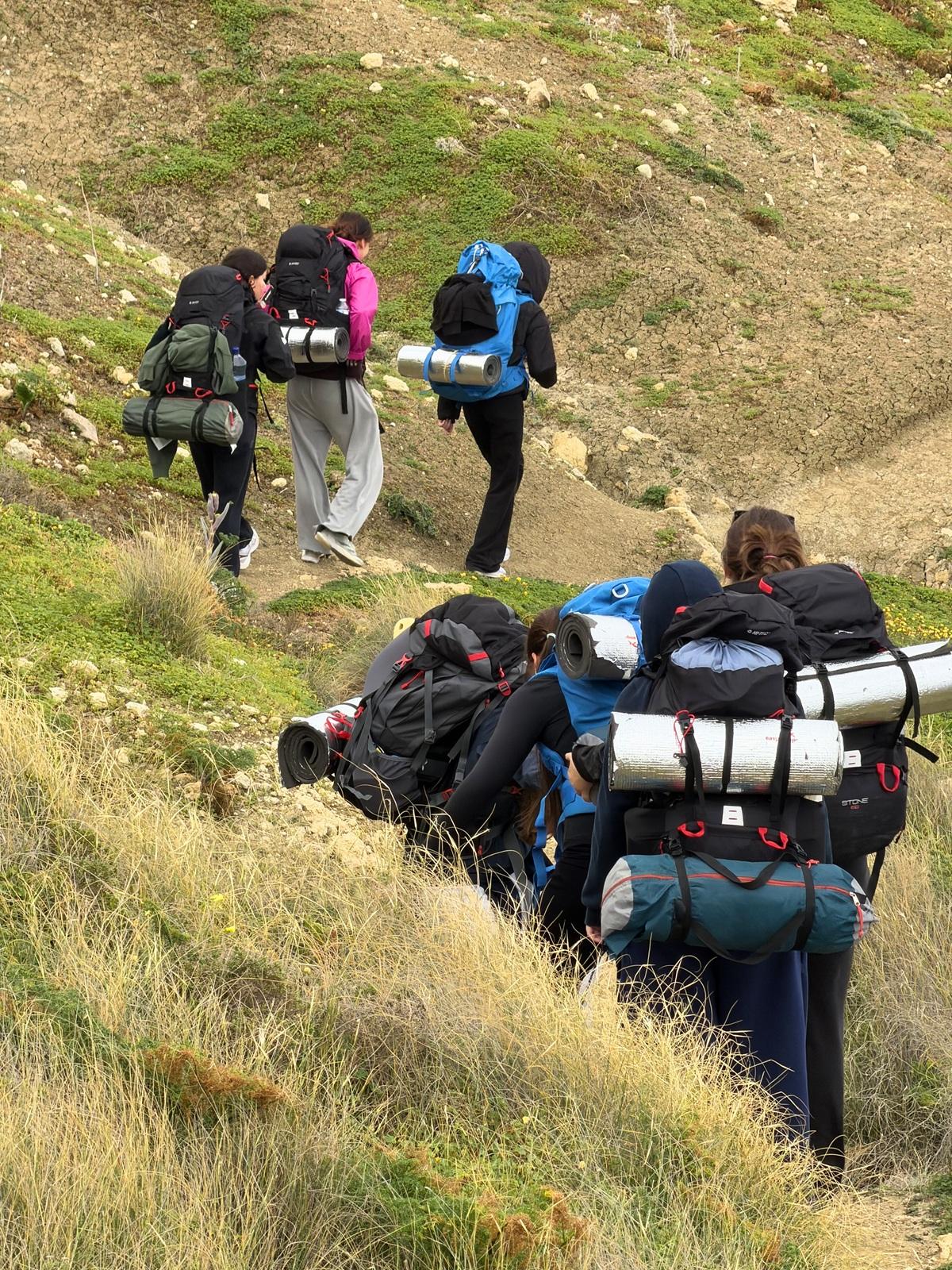
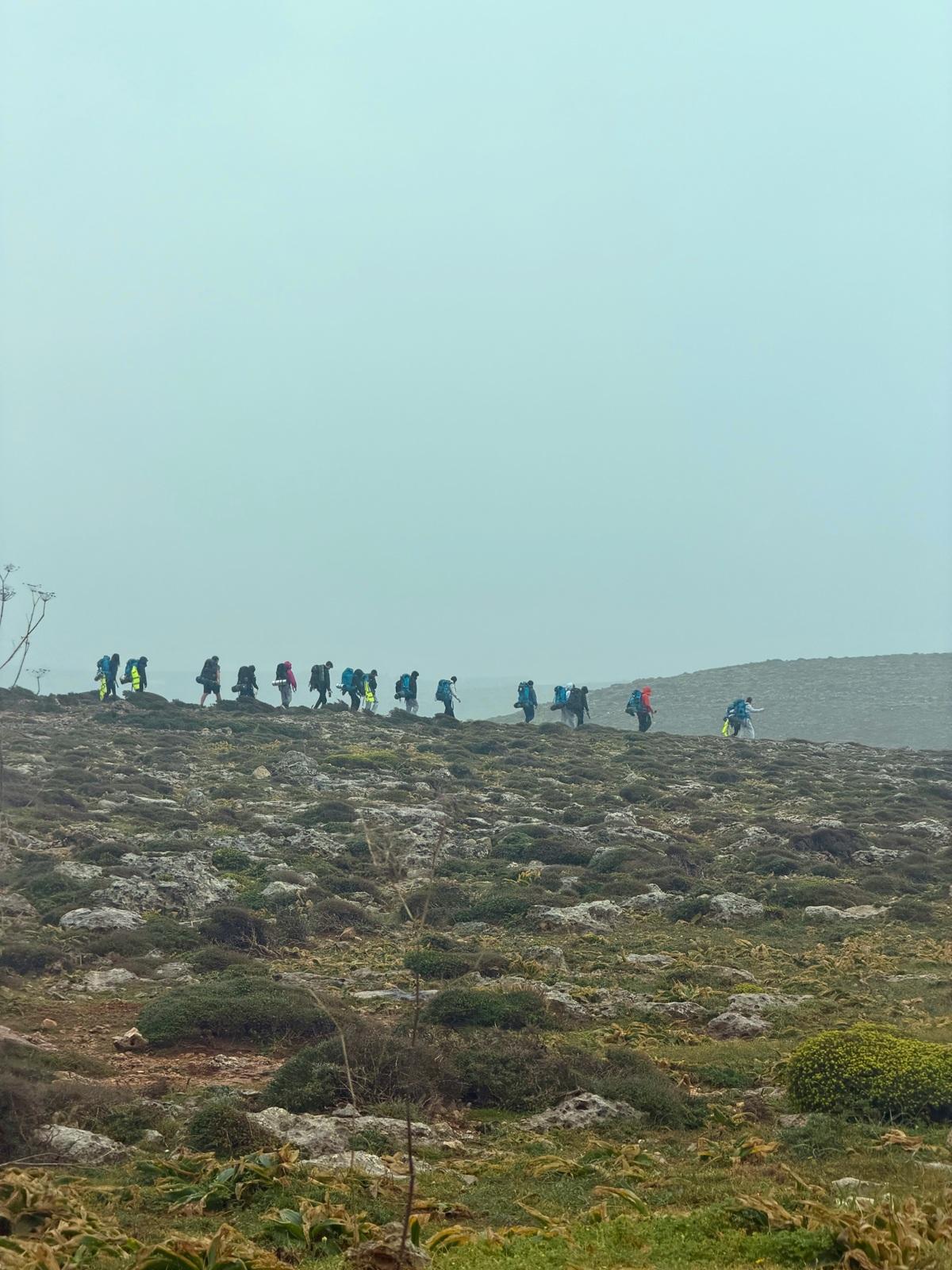
Verdala International School regularly takes cohorts of students through the award. As I write, our students are out on a practice expedition; indeed, throughout my career, the DofE award scheme has always been a vital partner in the schools and communities where I have worked.
Students aged from 14 to 24 can participate in the programme, progressing steadily through bronze and silver levels to gold. At the highest level, students might find themselves joining a demanding expedition and volunteering in the community, endeavours that require them to show immense resilience, independence and teamwork. Not all make it to the Gold Award, but the individual challenge it provides helps young people develop true agency. By allowing them to design their own programme, set personal goals and record their own progress, it builds invaluable life skills within a framework that serves as a foundation for lifelong learning.
The Award was founded by the late Prince Philip, Duke of Edinburgh, and was based on Kurt Hahn’s County Badge scheme developed after World War II. This approach was specifically designed to build resistance, tenacity, empathy and physical fitness. It incorporates service, skills, physical pursuits and often finishes with a rigorous expedition.
Over the decades, its reach and diversity have extended far beyond its original target group of teenage boys, becoming increasingly dedicated to offering opportunities to disadvantaged young people while keeping its core mission intact.
It builds invaluable life skills within a framework that serves as a foundation for lifelong learning
As an educator, I first encountered the DofE on an enrichment programme preparing students to be good all-rounders and as a fantastic asset to support university applications. Most students were able to achieve the bronze level, but silver and gold push much harder and result in some very impressive resumes.
Beyond the college application, research and studies have concluded that the programme appears to serve as an intermediary training ground for developing ‘executive functions’ such as thoughtful planning and self-regulation. These cognitive functions are absolutely critical for long-term academic and personal success.
When I attended school in London, it did not offer the DofE, but by the time my children were in school, it was rapidly gaining popularity. One of my fondest family anecdotes was seeing my daughter pack her bag for her first expedition. The bag ended up being far too heavy, and we had to jettison various hair products and other non-essential paraphernalia right there in the living room.
I laughed with her when she returned from her weekend hike and she told me she had abandoned a number of other items in a roadside bin just to manage the weight. She is an avid camper and hiker now, and she truly thrives on adventures in nature.
Like Malta, Malaysia is a strong supporter of the award. During my time there, I was amazed by our student expedition into the jungle, which carried very real health and safety implications. The risk assessment was carefully constructed, but I, as the school leader, was still somewhat nervous. What reassured me is that our staff consistently went above and beyond to organise the adventure and rally the students to participate. They were real heroes for me, making the DofE vision their personal mission.
Our staff at Verdala International School work tirelessly to ensure the programme’s success, inspiring camaraderie and smiling in the face of adversity. I would like to include a special thank you here to Mel, our DofE coordinator, who responded so brilliantly when the school bus broke down on a recent expedition. Watching her practise setting up tents with students was an absolute highlight from last month.
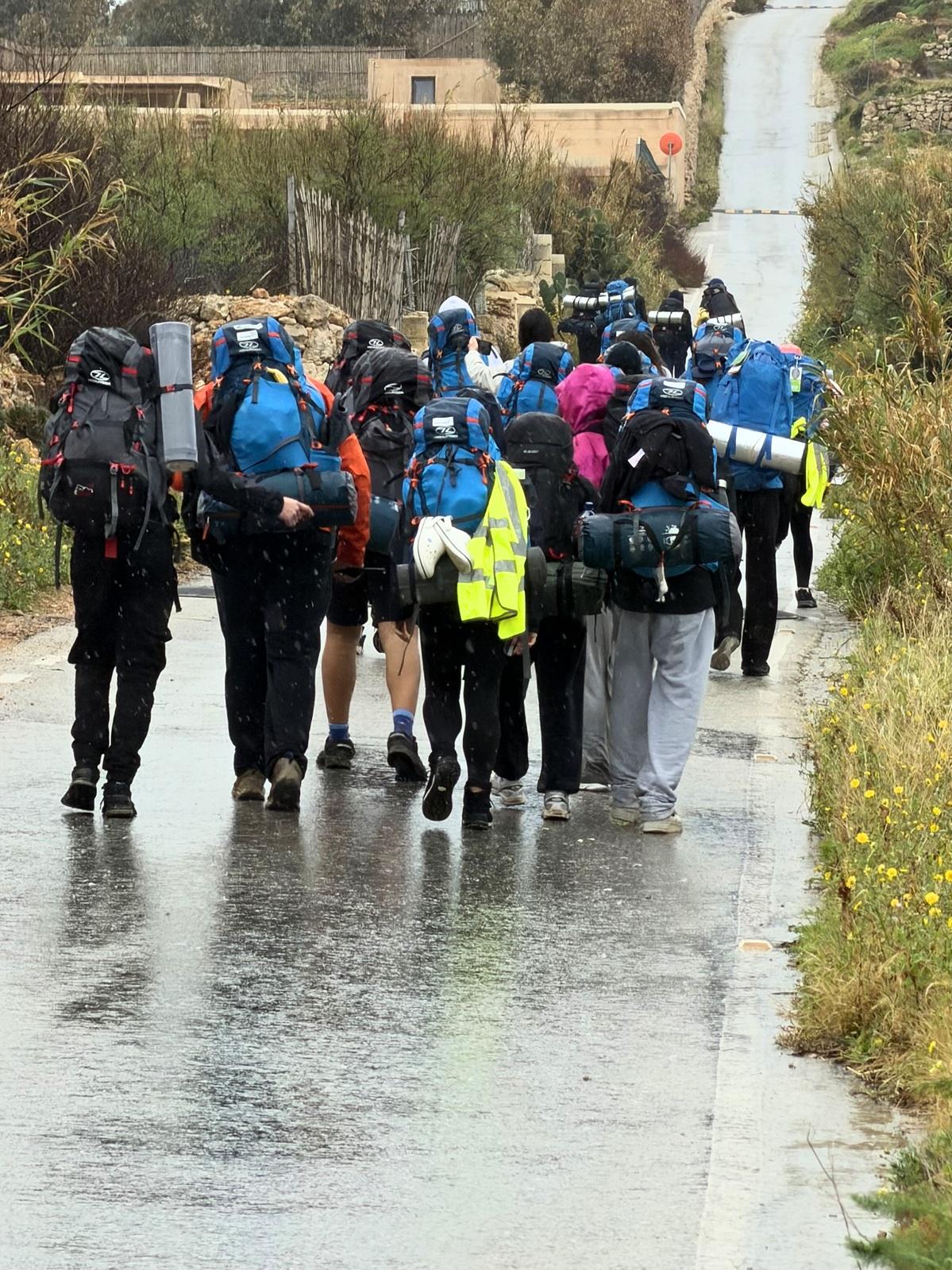
Expeditions and volunteering in the community require students to practise and show resilience, independence and teamwork.
.
.
.
Over six million people have taken part in the DofE Award since its inception in 1956, with over 3.1 million awards achieved across 130 countries. It is a truly international-minded initiative that builds social capital, peer networks and community involvement.
The DofE Award is easily one of the very best programmes students have participated in throughout my career, and alongside celebrating this 65th anniversary, I want to say a profound thank you to all the educators who shape and grow this programme for our young people.
Davina McCarthy is head of Verdala International School.