How three news editors read the 2026 election campaign
A new leader, artificial intelligence and a battle of promises
The emergence of a young, new leader, the weaponisation of artificial intelligence, and the convergence of party ideologies could go down in history as the defining forces of the 2026 election campaign, according to three of Malta’s independent newsroom editors.
Times of Malta news editor Diana Cacciottolo, Newsbook and RTK 103 editor-in-chief Matthew Xuereb, and MaltaToday executive editor Kurt Sansone agreed that while Alex Borg’s youth forced Labour to redefine its campaign, the race was equally defined by a frantic, transactional race of promises and the historic debut of AI on the political battlefield.
If 2022 felt like a test for Robert Abela, this election felt like a test for Alex Borg
And despite voters’ desire for a “politics of substance”, the campaign was reduced to slate of questionable pledges, and, beneath the polished social media strategies and the daily crossfire, the campaign exposed significant tactical blunders from both leaders and a troubling drift toward right-wing populist sentiment.
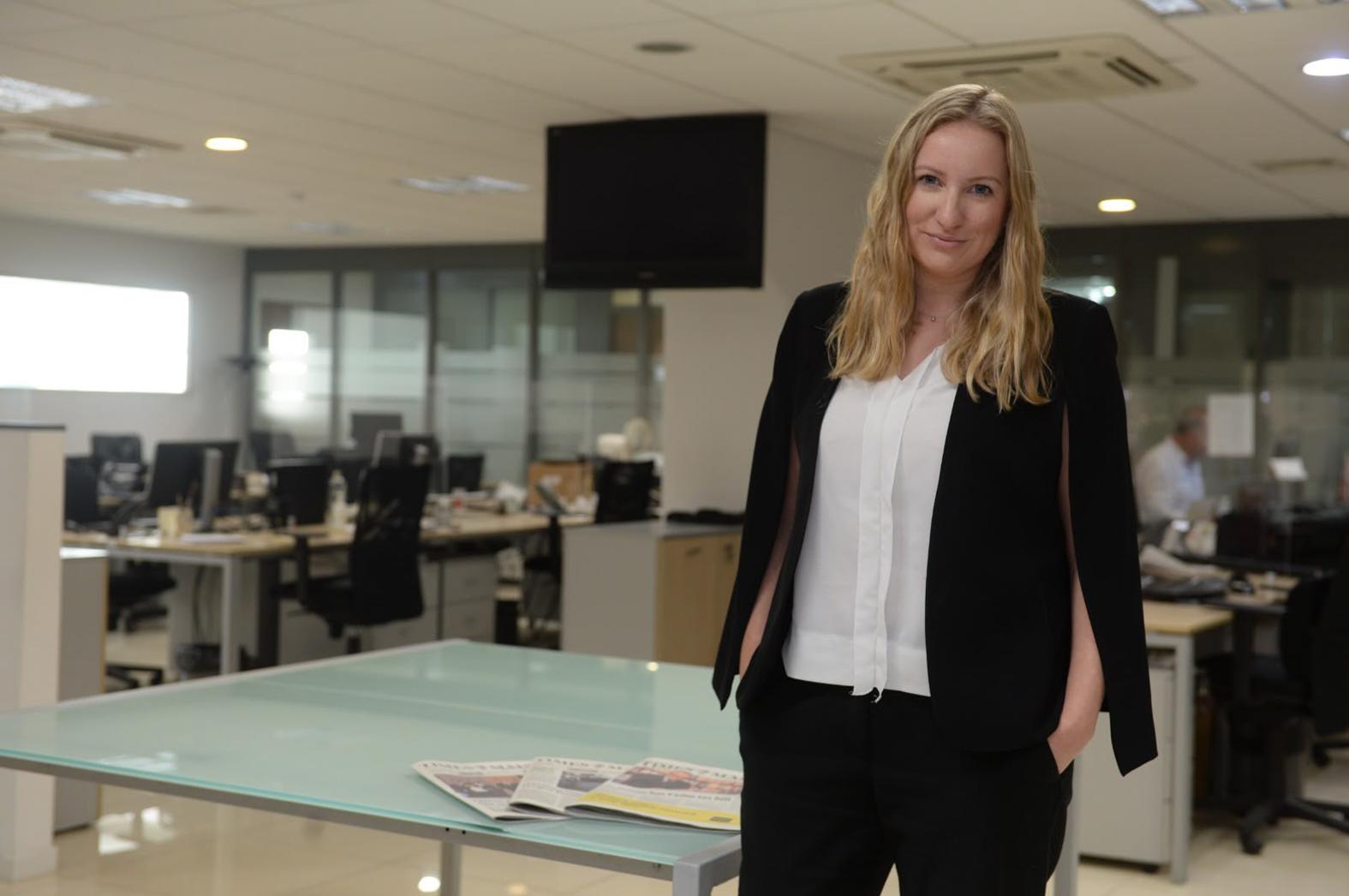 Diana Cacciottolo, Times of Malta news editor
Everybody felt the Nifs Ġdid… even Labour
All three editors agreed that one big defining factor of the campaign was the emergence of the Nationalist Party (PN) leader Borg, 30 years old. They said his influence since he took the helm last September was consequential for both the PN and Labour.
“What defined this election campaign was a profound undercurrent of an unprecedented generational shift,” Xuereb said. “The presence of Borg, facing his first electoral test just months into the job, fundamentally altered the national tone.”
Cacciottolo said that, in the same way the 2022 election was about Robert Abela, this one was about Borg.
“If 2022 felt like a test for Robert Abela, this election felt like a test for Alex Borg. PN supporters were counting on him to bring to the party the new energy he promised last summer,” she said. “And it did create a better atmosphere that certainly wasn’t around Bernard Grech in 2022. That was a big difference this time.”
Sansone went a step further. He said Borg’s persona forced Labour out of its traditional comfort zone, prompting Abela to alter his body language and posture.
“Borg was an unknown quantity coming into the election campaign. His youth, his energy but also his lack of experience defined not only how the PN ran its campaign – elevating his importance – but also conditioned how the Labour Party (PL) approached its own campaign,” he said.
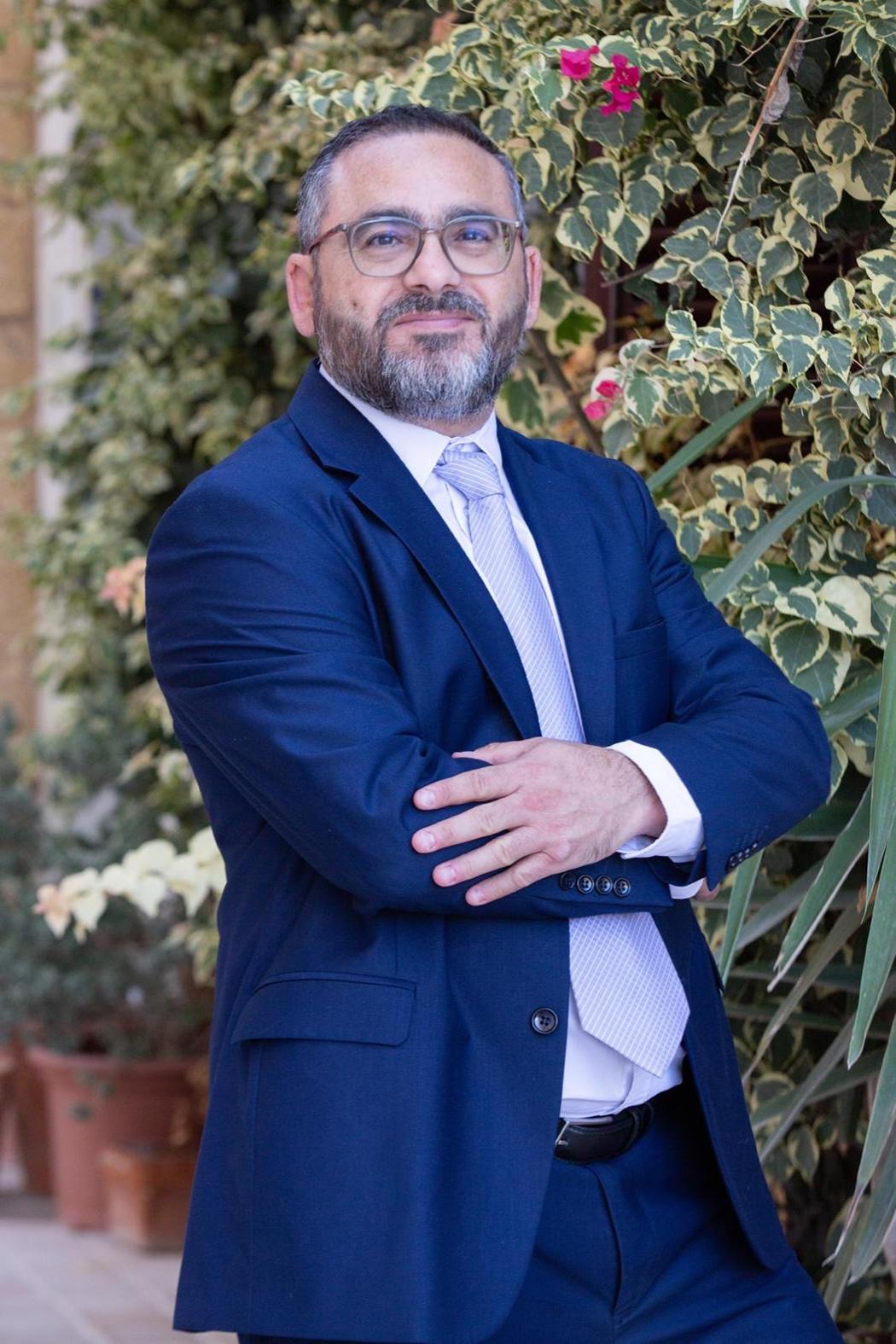 Kurt Sansone, MaltaToday executive editor
“The PL emphasised Robert Abela’s experience in handling crises but it also conditioned the prime minister to act like he was 15 years younger – jumping off the stage and running up the stairs.”
He also observed that, though Labour stuck to the five-week strategic blueprint that won it consecutive victories since 2013, it had to introduce “more negative campaigning this time than it did in previous elections” to counter the PN leader’s momentum.
Xuereb said the PN’s focus on the leader was somewhat “reminiscent of GonziPN days, while the PL focused on the movement theme started by Robert Abela’s predecessor, Joseph Muscat”.
With Labour, it was also more about Abela’s team and their track record than it was about the prime minister himself, according to Cacciottolo. “Which is why the party put a spotlight on Clyde Caruana and was constantly playing the strong economy card,” she said. “And the strong economy certainly did not help Alex Borg. It’s never easy for a party in opposition to fight a growing economy.”
The debut of AI elections
But Borg was not the only defining factor this time.
The 2013 campaign that saw Labour rise to power for the first time went down in the history books as the first social media campaign. This one will go down as the first artificial intelligence campaign. And AI did, indeed, take centre stage this year as much as social media did 13 years ago.
As with all emerging technologies, it was also weaponised to some degree by trolls of both parties, Cacciottolo added. “We could observe the rise of AI content intended to undermine the PN’s campaign, mostly. It wasn’t officially rolled out by Labour but we could feel it was part of a trolling effort to shoot down Borg’s proposals almost as soon as they were announced,” she said. “You could feel it the other way as well sometimes but the troll campaign to undermine Labour’s proposals was not nearly as sophisticated.”
But it was not the Labour trolls’ AI that harmed the PN the most but its own AI chatbot. “The PN used AI cleverly to break down its manifesto for voters, until its own chatbot turned on the party by pointing out inconsistencies in the document and hallucinating wildly inaccurate images of PN projects,” she added.
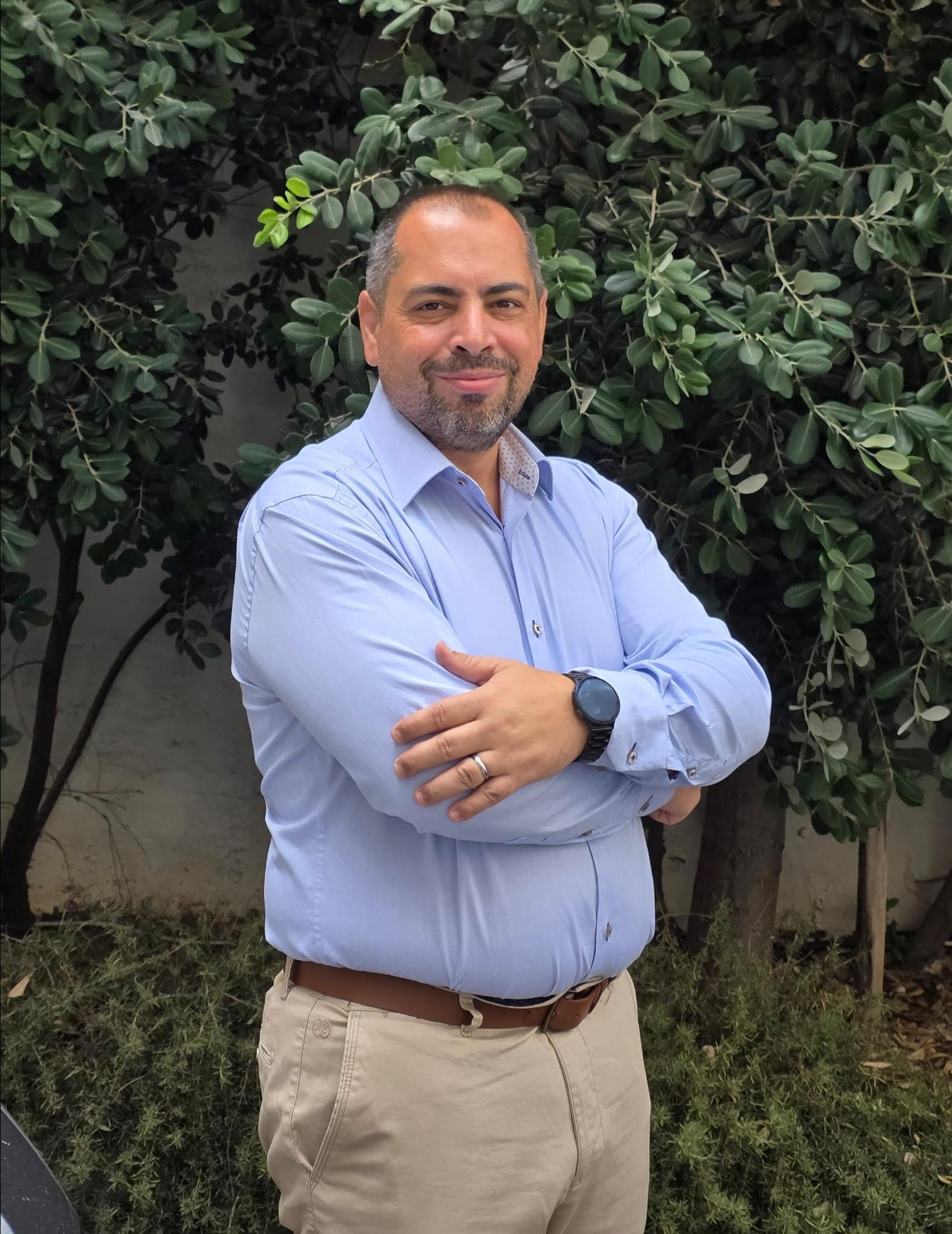 Matthew Xuereb, Newsbook editor-in-chief
A frantic race of promises
People who have lived through many elections will tell you most of them revolved around an ideological battle in which the two parties held opposing views on an issue and fought tooth and nail to convince voters that their vision was the better one.
Not this time. The two parties still told voters their vision was better than their opponent’s, except that, from the outside, the two visions did not seem different at all.
What people could see was a frantic roll-out of pledges, promises and proposals at a pace that raises serious doubts on both manifestos’ feasibility.
“One of our journalists described it as a ‘one-month-long budget night’ and it did feel like that in some ways,” Cacciottolo said, contrasting it sharply with the more disciplined rhythm of 2022. “In 2022, there would be a morning press conference during which a proposal would be announced, hammered throughout the day and celebrated at night at the rally. This time, it felt like there were new proposals coming out every hour,” she said.
Xuereb also said voters are not necessarily happy with this style of politics. Many are showing signs of exhaustion with superficial, transactional handouts, he said.
“I think the most distinctive feature has been the public’s urgent demand for a politics of substance over empty populism,” he said. “While everyone is happy when money is thrown at them, especially those who are facing a constant struggle to make ends meet every month, I felt a widespread, cross-party frustration with the development-at-all-costs mentality destroying our environment, alongside growing anxiety over poverty, overpopulation and the rising cost of living.”
Cacciottolo said: “On some days, you could see the PN and Labour one-upping each other on very similar proposals. It felt there was very little difference between them.”
Sansone noted that the PL ran a similar campaign to the one in 2022, putting out its most popular and easy-to-explain measures in the first week to dictate the agenda. It later grew more reactive “as the PN slowly unveiled its own proposals in a gradual, escalatory approach”.
“For the PN, this campaign appeared much more organised and focused around issues and its leader than past elections,” he said. “It did not have the same financial firepower as Labour but it managed to stand its ground, dictating the agenda in the latter part of the campaign, something that was significantly different from 2022.”
If Labour used the same strategy that won them previous elections, the PN repackaged theirs almost completely. Cacciottolo said that, over the last three election cycles, the PN abandoned its heavy 2017 focus on corruption, pivoting entirely to a positive messaging campaign.
Some messaging, however, was far from positive, particularly on foreign people living in Malta. “To me, both leaders felt they were pandering to the right and being anti-immigrant,” Cacciottolo remarked, pointing out how both sides ruled out a second mosque.
Abela even used a mass rally to boast that his flagship worker’s bonus would exclude foreigners who haven’t worked in Malta for five years, she said. “The fact that he felt he had to say it like that in a mass rally shows he was playing to the anti-immigration sentiment.”
I don’t remember an election where the calculator was mentioned so many times
The biggest tactical blunders
When analysing where the campaigns veered off the tracks, the editors highlighted two critical errors that defined the race for the wrong reasons: the unnamed smuggler and the income tax costing flop.
Abela’s low point came when he weaponised an unverified claim against an opposition proposal, a move that backfired by raising serious transparency questions on himself.
“For the PL, the biggest blunder was committed by Robert Abela when he claimed the PN fuel hub proposal was given to them by a fuel smuggler,” Sansone said. “Abela admitted meeting this alleged smuggler but never identified who he was or provided proof of his claims.”
Xuereb also flagged this as a defining negative moment and riticized the prime minister’s decision to leave the individual unnamed.
The calculator flop
For the PN, the momentum built around its flagship tax proposals was severely deflated by the party’s inability to defend its own financial mathematics under intense scrutiny from Finance Minister Clyde Caruana.
“I don’t remember an election where the calculator was mentioned so many times,” Xuereb said.
Sansone broke down exactly how this mathematical vulnerability allowed the PL to regain the upper hand. “For the PN, the biggest blunder was its inability to explain clearly in laymen’s terms what its income tax cut proposal would cost – which included the outlay of the government’s own parent tax adjustments that will happen until 2028 – thus allowing Clyde Caruana the chance to mock the opposition for getting its numbers wrong,” he said.