The diplomacy that Europeans rarely see
15 years ago, a global European diplomatic network was largely an ambition. Today it is one of Europe’s most valuable assets, writes Massimo Farrugia
Europe has quietly built one of the world’s largest diplomatic networks. Yet, most Europeans know remarkably little about it.
This is not because diplomacy is absent from European life. Europeans are accustomed to seeing leaders meet, governments negotiate and institutions work through differences in search of common positions. What is less visible is Europe’s diplomacy beyond its own borders. Every day, from Washington to Addis Ababa, from New Delhi to Santiago, European diplomats are at work representing the Union abroad.
Most Europeans are largely unaware that this global network exists. That is perhaps understandable. Unlike many aspects of European integration, diplomacy is often most effective when it remains in the background. Success is rarely measured by visibility. More often, it is found in relationships maintained, crises anticipated, interests defended and opportunities created.
As someone from a small member state who has the privilege of serving within this European network, I have often reflected on how unusual this achievement truly is.
The European Union is not a state. It does not possess a traditional foreign ministry. Foreign policy remains, first and foremost, the responsibility of the member states. And, yet, over time, the Union has developed the capacity to engage internationally in a way that would have been difficult to imagine only a few decades ago.
Much of this has been made possible through the European External Action Service (EEAS), established following the Treaty of Lisbon in 2010. Bringing together officials from the European institutions and diplomats from the member states, the EEAS supports the High Representative for Foreign Affairs and Security Policy (currently Kaja Kallas) and operates through a network of Delegations around the world.
The EEAS was never intended to replace national diplomacies, nor to become a foreign ministry in the traditional sense. Instead, it was designed to help Europe work together externally in much the same way that we have learned to cooperate internally.
Fifteen years later, what has this experiment achieved? A shared European diplomatic infrastructure like no other. That may sound like abstract hyperbole but its practical value is considerable. The EU has developed a global presence capable of representing its interests, gathering information, providing analysis, supporting European policies and facilitating coordination among member states.
In a world shaped by geopolitical competition, economic interdependence and increasingly complex crises, these functions are not administrative conveniences. They are strategic assets.
Europe faces new geopolitical realities, new expectations and new responsibilities- Massimo Farrugia
For smaller member states, this reality carries particular significance. Every European country maintains its own diplomatic service and its own foreign policy priorities. Yet, the resources available to national diplomacies inevitably differ. Some countries maintain extensive global networks built over generations. Others, despite having highly capable diplomats and clearly defined interests, must make difficult choices about where to deploy limited resources.
The European diplomatic network has never eliminated those differences. But it has helped narrow them.
Through EU Delegations, officials from all member states gain access to information, expertise and relationships that many could not generate entirely on their own. In doing so, the EEAS has helped create a form of diplomatic capacity that is greater than the sum of its parts.
European cooperation is often discussed in terms of what member states contribute. Less attention is sometimes paid to what they gain from working together. In diplomacy, one of those gains has been the creation of a platform that allows countries of different sizes to participate more effectively in understanding and shaping international developments.
The network has benefited larger member states as well. Its value lies not only in extending reach but also in bringing together perspectives that no single national administration, however capable, can fully replicate. The daily exchange of expertise and experience across institutions and member states has created something uniquely European: a shared understanding of international affairs built from many different national experiences.
Perhaps that is one of the reasons why the system has matured so successfully over the past 15 years. Its success has not depended on replacing national perspectives. On the contrary, it has depended on bringing them together.
Whether in Brussels or in EU Delegations, national diplomats arrive with their own experiences, priorities and expertise. Officials from the European institutions contribute with their own perspective and policy knowledge, honed over years working in the Brussels machinery. Together, they help build a fuller understanding of the challenges facing Europe and the opportunities available to it.
Much of this diplomatic work takes place far from public attention. It happens through meetings, analysis, conversations and relationships that are rarely visible outside diplomatic circles. Yet, these quiet efforts often form the foundation for decisions that later become visible to the public.
Working in the system, I have come to appreciate that its most important achievement is the habit of cooperation that the EEAS has helped create. Today’s discussions about how the Union’s external action should evolve in the years ahead must start from what has been achieved. Discussions on reform are natural and necessary. The world of 2026 is very different from that of 2010. Europe faces new geopolitical realities, new expectations and new responsibilities.
But reform is best approached with a clear understanding of how far we’ve come. Fifteen years ago, a global European diplomatic network was largely an ambition. Today, at a time when international affairs are becoming more complex and more uncertain, it is one of Europe’s most valuable assets.
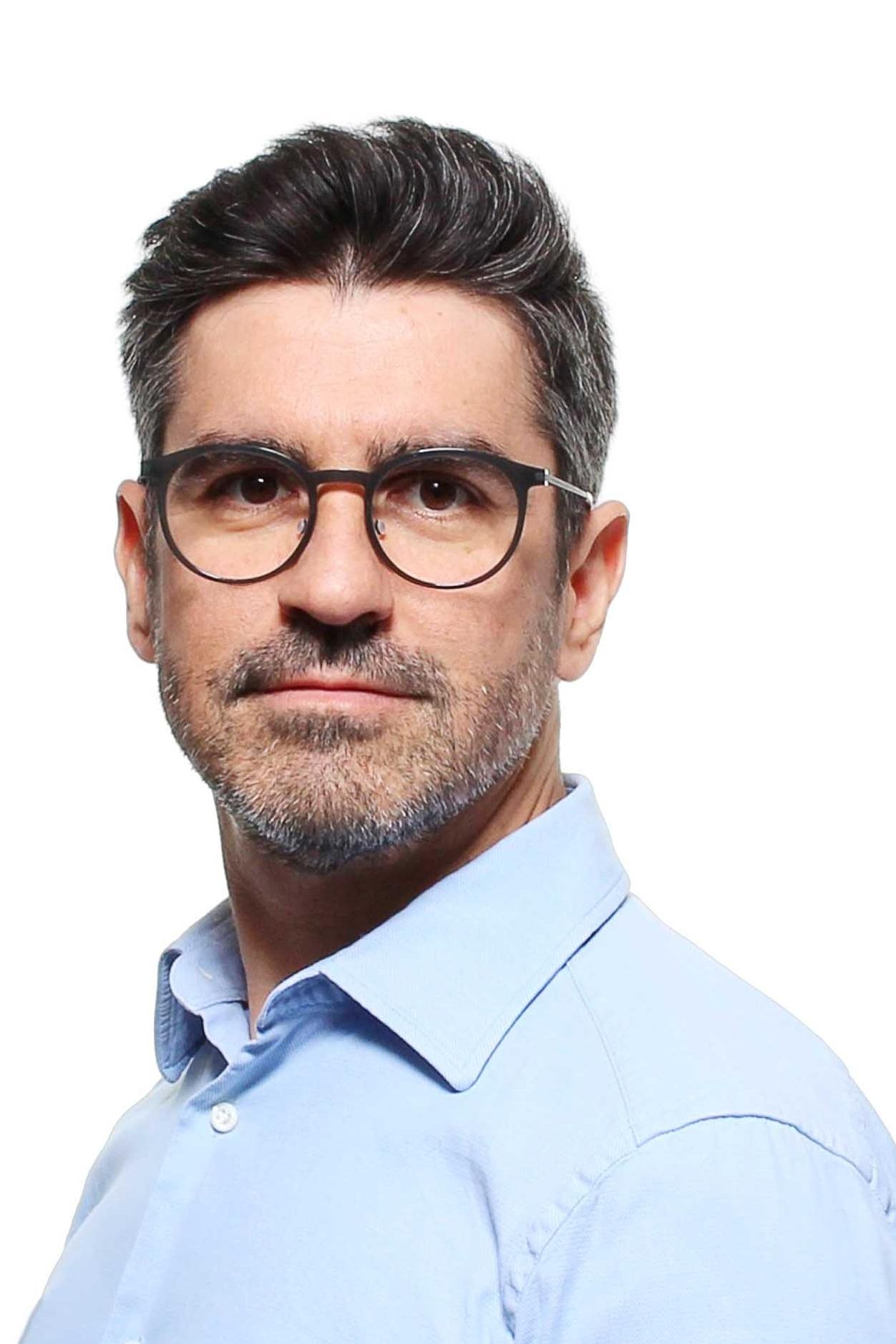
Massimo Farrugia is a European Union diplomat currently posted at the EU Delegation to the United Kingdom. The views expressed are purely those of the writer and may not in any circumstances be regarded as stating an official position either of the European External Action Service or of the European Union.