Gaudí’s lesson for Malta, 100 years after his death
His architectural genius showed how development and urban growth need not come at the expense of cultural memory and a deep sense of place
On his way to church, on June 7, 1926, Antoni Gaudí was hit by a tramcar while trying to avoid one coming from the opposite direction in the Gran Via de les Corts Catalanes in Barcelona. Mistaken for a homeless beggar, passers-by left him to his destiny. A doctor passed by, briefly examined him, and left. Later on a policeman took him to hospital.
Meanwhile, colleagues, friends and employees at the Sagrada Familia worksite noticed his unusual absence. They immediately started to look for him around the city, managing to recognise him at the Santa Creu Hospital. Three days later, on June 10, he succumbed to the injures he had suffered, dying poor among the poor.
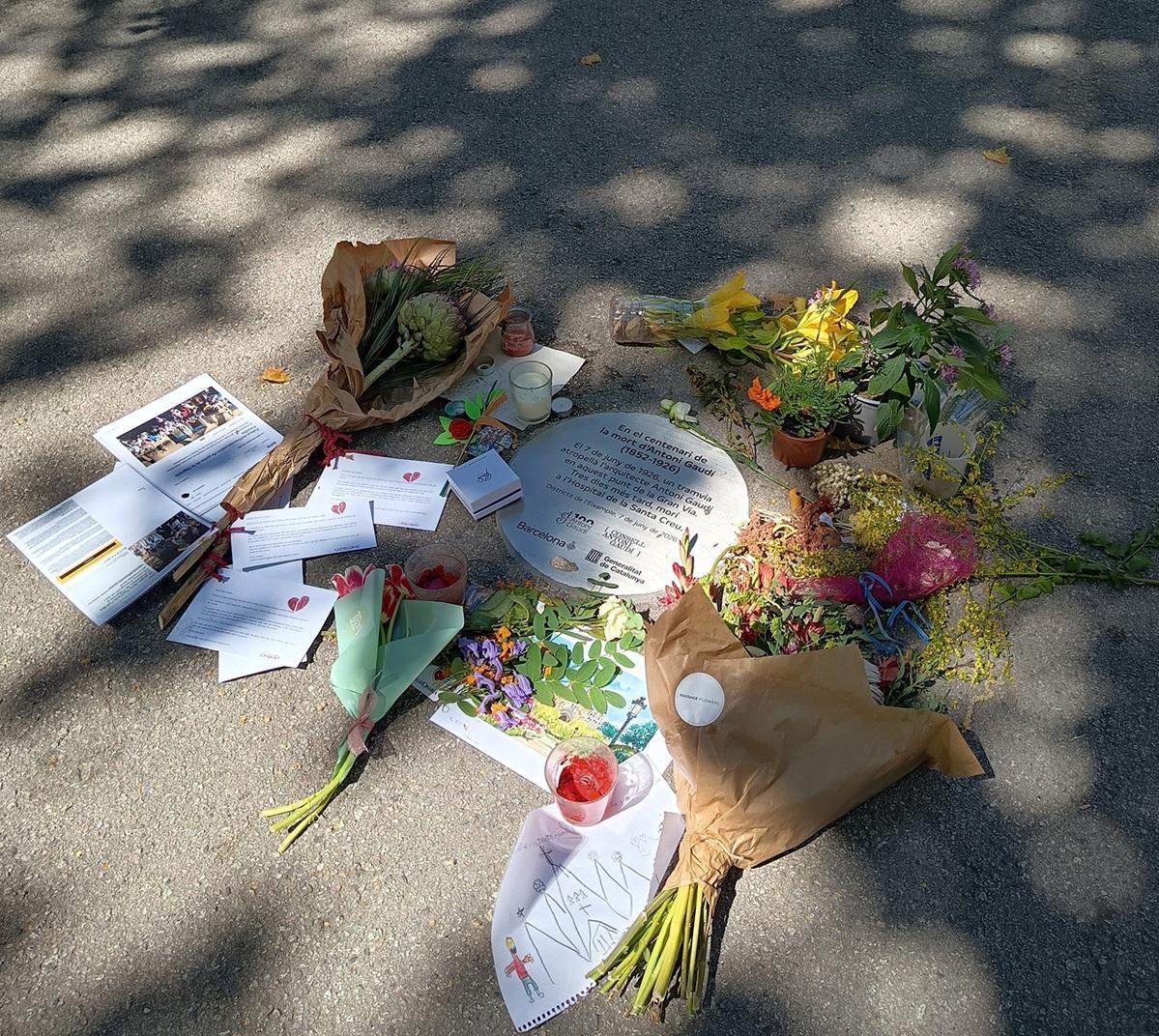 Memorial plaque marking the spot where Antoni Gaudí was hit by a tramcar 100 years ago. Photo: Fr Charló Camilleri
Having accepted to take over the Sagrada Familia project way back in 1883 had transformed him as much as he had transformed Francisco de Paula del Vilar’s neo-gothic traditional plans. As he grew older, he embraced an austere, devout life, choosing simplicity, giving away his salary and identifying with the poor than with the elite.
At 31 years of age, Gaudí was establishing himself as an innovative modernist architect who actively took part in the urban restructuring of Barcelona, a city undergoing radical changes brought by the Industrial Revolution where customs and lifestyles were changing. The medieval walls were pulled down to allow population growth and expansion.
“Progress” brought with it speculative wealth, land hunger, technological change and rapid expansion, alongside a great human crisis undermining the integral, including the spiritual, well-being of citizens transitioning from the rural to the urban lifestyle. The challenge was to create a healthier, fairer and efficient city plagued with overcrowding and unhealthy environment conditions which, needless to say, were taking their toll on citizens’ well-being.
Contemporary development appears increasingly indifferent to streetscape, climate, neighbouring buildings and the cultural context
Facing these challenges, civil engineer and urban planner Ildefonso Cerdá Suñer created the modern Barcelona, providing the context or fabric where most of Gaudí’s celebrated buildings now stand. Through scientific discipline and rational planning, he envisioned a city balancing urban spaces with the countryside, connectivity, ventilation and easy access to nature. Without Idelfonso’s careful urban planning, Gaudí’s architecture, including the Sagrada Familia, cannot be fully understood.
Starting from city lamposts, then going through Casa Vicens, Casa Batlló, Casa Milà, Park Güell and other buildings, one realises that Gaudí’s creations were imbued with the ideals promoted by Idenfonso. Gaudí rejected architecture replicating past models of bygone eras, and refused to design buildings solely for utility.
Choosing the path of originality, going back to the laws of nature, craftsmanship and symbolic or spiritual meaning, Gaudí established himself as an exponent of Catalan modernist ideals, dismissing both historicist imitation and pure functionalism. His buildings’ functionality was important, but not at the expense of sustainability, achieved through recycling of material, care for the environment and their symbolic and artistic dimensions.
For Gaudí, a building was not just an object dropped on any site. It had to arise from climate, geography and culture; it had to belong to the landscape from which it emerges.
Mediterranean light and sea shaped his vision, expressing it through the use, for example, of solar alignments, expressing his understanding of architecture as “the arrangement of light”, impregnating his buildings with symbolic light effects all year round.
In Gaudí’s creations, most see a mix of genius, eccentricity and perhaps extravagant fantasy, missing that he was working within a boom in the development industry, growing faster than many could comprehend or keep up their pace with. Here he chose not to work against development but instead to contribute by erecting buildings that deepened the city’s identity and ethos, rooted in its origins.
The achievement of this ideal was sought firstly by understanding that architecture should observe and learn from nature how to solve structural challenges. In this way, development grows naturally from its environment, respecting the spirit or soul of the place.
Secondly, by valuing local craftsmanship, collaborating with ceramists, stonemasons, iron smiths and carpenters for furniture designs specifically commissioned to match his buildings. In every detail he sought craftsmanship, not just for aesthetic eccentricity but in full knowledge that when this is totally taken over by production, communities lose knowledge and buildings fail to be cultural markers.
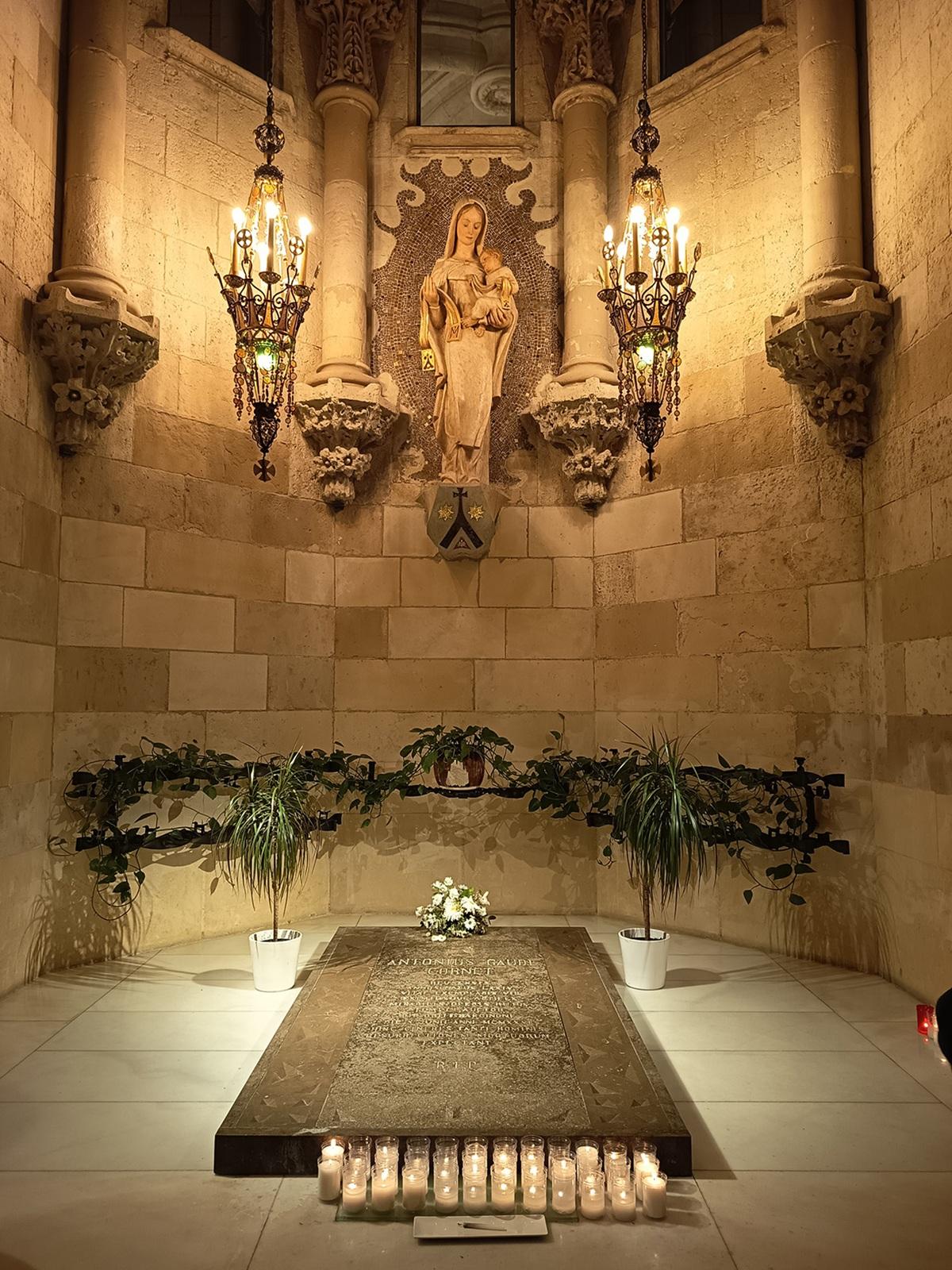 The tomb of Antoni Gaudí in the Sagrada Familia crypt. Photo: Fr Charló Camilleri
Commemorating Gaudí’s death centenary (lately many followed the spectacular inauguration of the Sagrada Familia’s Tower of Jesus Christ), our vision should draw important lessons from his legacy.
Gaudí’s genius and achievement stand in refusing to detach progress from the origins and identity of a people. Economic development and urban growth need not come at the expense of cultural memory and a deep sense of place.
This is particularly relevant, locally, as the built environment is approached from the perspective of supply and economic growth. Urban growth and architecture shape the citizen’s relationship with their surroundings; they weigh on their integral well-being, on memory that preserves who we are and where we come from.
Dropping soulless structures that could exist anywhere gradually makes people feel they exist nowhere. The tragedy lies in the risk of forgetting, in certain instances demolishing too, the aspirations of Art Nouveau and local modernist architects, like Gustavo Vincenti and Joseph Huntingford.
Contemporarily, Richard England’s critical regionalism sought to integrate modernity with Malta’s identity and origins, believing that modern development and buildings should transmit the local character of limestone, Mediterranean light, courtyards and landscape, craftsmanship and so forth, erecting buildings that participate in the creation and preservation of civilisation.
Contrastingly, contemporary development appears increasingly indifferent to streetscape, climate, neighbouring buildings and the cultural context. Soulless apartment blocks are interchangeable with developments that could just as easily stand in any other rapidly urbanising market, defining the urban and architectural crisis we witness today.
The question facing the country is not whether to develop, but whether development will leave behind a richer cultural landscape or not.
On Gaudí’s death anniversary, the challenge is not to imitate his forms, but to recover the conviction that growth and identity are not opposites, and that economic progress and cultural belonging can, and must, be built together.
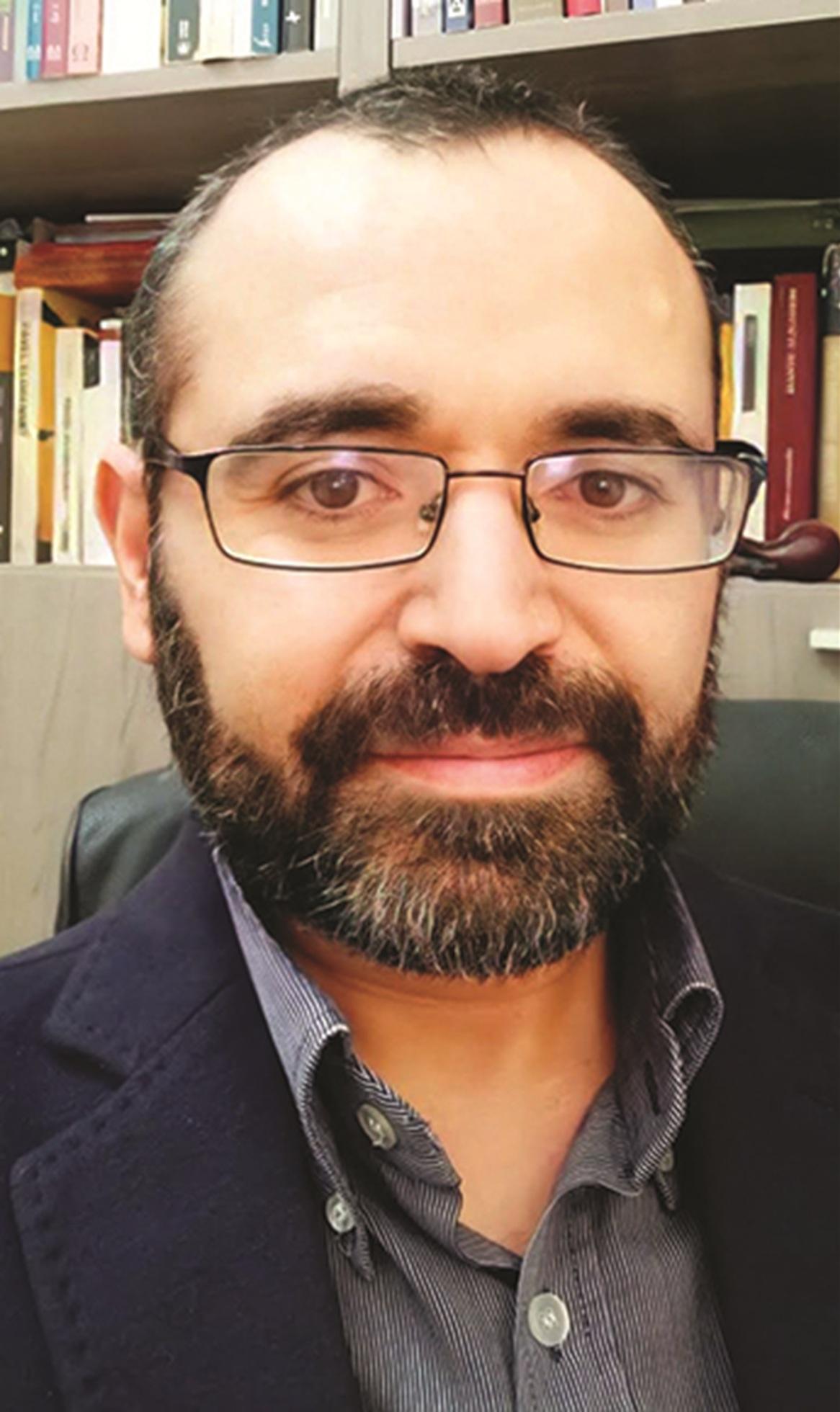
Fr Charló Camilleri is associate professor in the Moral Theology Department at the University of Malta’s Faculty of Theology, and executive director of the Carmelite Institute Malta for Spirituality.