Activists present four ideas to protect Malta's land, including one radical one
Ġustizzja Għal Artna campaign takes its ideas to the Prime Minister's doorstep
Land that was opened up to possible development in 2006 should be reclassified as undevelopable, Ġustizzja Għal Artna activists have said.
“All areas of agricultural, natural, social, and historical value that were removed from the ODZ in 2006, and which have not yet been legally committed to development through approved applications, should be reclassified as ODZ and protected from construction,” a proposal by the campaigners states.
The suggestion is the most radical of four key changes the coalition of environmentalist groups presented on Saturday morning at an event held on the doorstep of the prime minister's office in Castille.
The other three ideas presented are:1. To suspend works during planning appeals 2. Obliging the Planning Authority to physically remove illegal developments3. Not allowing illegal ODZ structures to be sanctioned
The government has indicated it is willing to block works pending appeals, but a bill that would allow that to happen has not yet been passed following controversy over some of its clauses.
Illegal developments are consistently allowed to stand by the Planning Authority. And rather than forbid the sanctioning of ODZ structures, the government has indicated it wants to introduce a formal system to render them legal against a fine.
Local plans were last changed in 2006, when large swathes of land across Malta and Gozo were opened up for development. While the governing Labour Party, its MPs and ministers often criticise the move, the government has been reluctant to revise those plans.
A controversial idea
Reversing 2006 zoning decisions would prove seriously controversial.
In 2024, Prime Minister Robert Abela dismissed the idea, saying reversing the changes would mean “removing the carpet from underneath every person who owns a plot of land in this country”.
Rescheduling the land back to ODZ would create a great injustice for owners, create market instability and “break people economically”, Abela said, adding that landowners come in all forms in Malta and are not just limited to rich developers.
And former Opposition leader Bernard Grech had said in 2021 that he was against reversing any local plan decisions, saying "we cannot touch rights that already exist".
Attached files
Graffitti: We can do this with public's help
Speaking to Times of Malta on Saturday, Andre Callus of Moviment Graffitti said that despite the lack of political will, the proposal could become reality with public pressure.
“Real political will for true reform in planning has long been absent, but we believe this will come through public pressure,” Callus said.
“Politicians do not only need to answer to developers; we know from recent history that when people put pressure that is strongly felt, politicians have no option but to answer to the people.”
Callus pointed to past environmentalist victories, including plans to turn Manoel Island into a national park, stopping a private university from being built in the Żonqor area, and the scrapping of plans for a golf course in Majistral Park in the early 2000s.
“The government’s planning reform was meant to pass silently in the middle of summer, had we not protested three times and had our voices heard to such an extent,” Callus said.
The Ġustizzja Għal Artna campaign was formed in the summer of 2025, soon after the government tabled two much-criticised bills that would overhaul planning law in Malta.
The campaign held several protests in Valletta, calling on the government to withdraw the bills, which have remained on the parliamentary shelves since that hot summer.
On Saturday, the group reiterated its demand while presenting its four proposals.
On appeals, the group said all works authorised by a development permit should be suspended while an appeal is pending before the EPRT and the courts.
“At the same time, clear time limits should be established for the resolution of appeals. These limits must be reasonable, ensuring both the timely conclusion of proceedings and the ability of all parties to adequately prepare and present their case.”
On enforcement, the coalition said that “once a final decision confirms that a development is illegal, the Planning Authority should be legally obliged to enforce its removal”.
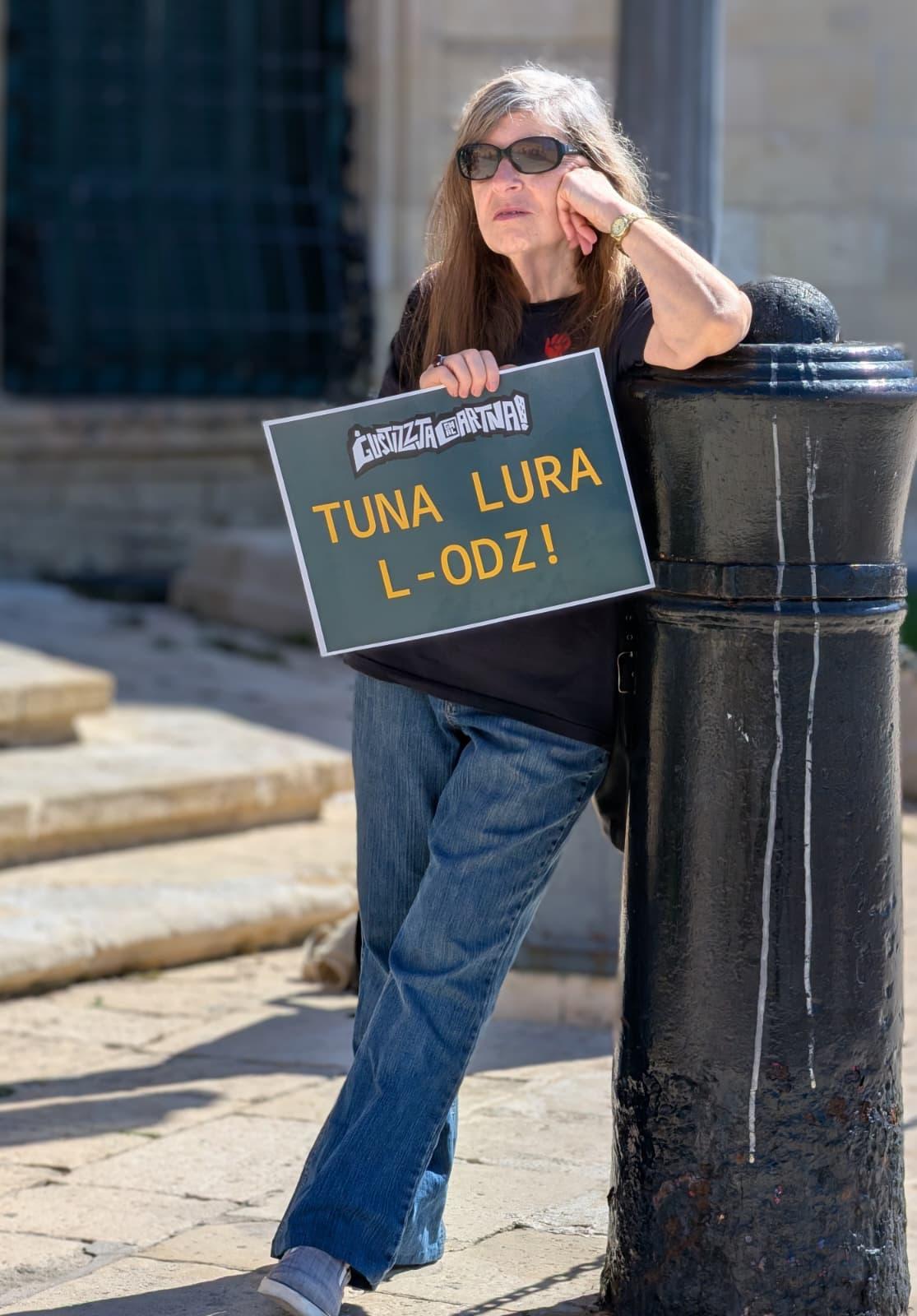 Photo: Chris Sant Fournier
Clear time limits should also be established for the resolution of appeals against enforcement notices.
The document also says that Malta’s planning system encourages developers to “build now and sanction later”, especially in outside development zone areas.
They said that sanctioning illegal structures in ODZ that were built after 2008 and are not minor changes should be outright prohibited.