In defence of our life
Instead of euthanasia, we should be allocating funds to hospice care and pain relief
Malta now stands on a moral ridge few nations dare to tread. The government has started a consultation on assisted voluntary euthanasia, and citizens are invited to treat the direct ending of life as one more clinical option. I personally would avoid that path because faith, reason and practical evidence present stronger and kinder ways to accompany the dying.
The proposal sets strict-sounding rules. Only adults resident in Malta for at least a year may apply, and only when a consultant, another doctor and a psychiatrist each sign separate certificates, and the applicant suffers from an irreversible terminal illness with a probable life-expectancy of six months or less.
The same proposal requires the applicant to confirm his or her wish after a reflection week, which a newly created regulatory board composed of a retired judge, two doctors and a lawyer must approve or refuse within two weeks. It is proposed to exclude requests linked to mental illness, disability, or conditions associated with old age, such as dementia. It promises that anyone who pressures a patient will face criminal charges. It is also planned that an approved assisted death will be officially registered as a natural death once the board would have approved it.
At first glance, the proposals project caution, yet, the core act still contradicts the bedrock ethical belief, shared by the religious and secular alike, that every human life carries equal and inherent worth. Catholic teaching condemns any direct and intentional killing of an innocent person, and Malta’s constitution recognises Catholicism as the religion of the state. A law that invites doctors to provide lethal drugs violates the public good and private conscience. We protect suicide-prone teenagers because they cannot see hope; the same duty binds us to frail elders who fear dependence.
Supporters insist autonomy must prevail. They argue that competent adults should be allowed to choose the moment and manner of their death. Yet, autonomy collapses when outside factors shrink the range of perceived options. Subtle messages, medical expenses, family exhaustion and stretched hospital staff may convince a patient that their death solves everyone’s problems.
A legal exit door can turn a mere feeling of being a burden into a moral conviction to use that door.
Practical flaws compound the moral chasm. Prognosis remains a practice marred by surprise. Palliative doctors recount that some patients outlive six-month predictions for years. But such errors would prove fatal under the draft law because no appeal can revive a person who is already dead. The board may examine files and question doctors and patients, yet, four individuals cannot investigate every complex family dynamic. The proposal allows for no independent investigation and relies on the same board to notice any red flags while also being bound to a two-week deadline.
The plan also burdens the medical profession. Doctors vow to cure, relieve and comfort. If the law commands them to supply lethal medication, many patients may wonder whether the doctor recommends treatment because it heals or because it costs less than sustained care. The proposal allows conscientious objection but obliges objectors to refer the patient to someone who complies.
The consultation implicitly places an economical price on life. Palliative care teams require skilled nurses, analgesics and home visits. A dose of barbiturates costs less than a family dinner. Hospital managers, confronted with chronic bed shortages, may steer borderline patients toward the cheaper option. That silent fiscal gravity already worries Canadian and Dutch ethicists. Due to continued financial constraints, Malta is still operating under a severely limited healthcare budget. Policymakers should not create an incentive that quietly rewards the system when people choose death.
Public health research warns of suicide contagion. Regions that legalised assisted dying saw subsequent rises in unassisted suicides. When the state broadcasts death as therapy, vulnerable minds absorb the script. Malta invests in helplines and mental-health outreach; it must not muddle that message.
Supporters cite foreign experience to prove safeguards hold. Analysis of real data shows a noticeable drift has occurred. Belgium extended euthanasia from competent adults in 2002 to terminally ill children in 2014. Canada added degenerative conditions, then moved toward mental health grounds.
Once lawmakers define death as treatment, logical symmetry tugs constantly at remaining boundaries. Malta would inherit that slippery slope.
Our cultural heritage amplifies an ethical stance. Our megalithic temples remind us that our ancestors honoured life long before modern medicine. Caravaggio’s Beheading of St John in Valletta condemns judicial killing; legal euthanasia would invert that lesson. Families gather for feasts because they treasure solidarity. A society that shares fireworks and bread also stays with the dying, even when care challenges patience.
Citizens who cherish life hold better tools than lethal injections- Adrian Delia
Families face deep psychological fallout when a relative chooses death. The typical grieving process places a significant burden on the emotional well-being of individuals, often leading to significant distress and strain in their hearts.
Did they provide their relative encouragement to make that choice, or did they simply permit it? Was it possible for them to have loved with any more intensity or devotion than they already did? Grief counsellors report complicated mourning that lasts years. Children struggle with the idea that love sometimes means ending grandma’s life, and that lesson may resonate when they grow old.
Human rights law offers no mandate for euthanasia. The European Court of Human Rights leaves the matter to national discretion but repeatedly demands powerful protection for the vulnerable. Malta already leads Europe to protect unborn life; consistency demands equal determination for life’s closing chapter.
Citizens who cherish life hold better tools than lethal injections. The same consultation document affirms living wills allow adults to refuse burdensome treatment, demand strong analgesia and donate organs if they wish. Those measures respect autonomy without sanctioning direct killing. The government should widen access to morphine pumps, finance training for palliative nurses and raise the carer’s allowance so relatives can remain at home during the last weeks.
Malta’s legislators should withdraw the euthanasia proposal, allocate funds to Hospice Malta, align hospital discharge policies with home-care plans and recruit pain specialists. The health ministry should set performance targets: zero patients without breakthrough-pain medication and universal access to counselling within 48 hours of a terminal diagnosis.
Every citizen ought to engage in the consultation. Parish councils can organise study groups; medical associations can issue position papers; and disability advocates can voice fears that a society already marginalises them. Students can debate in classrooms, and journalists can highlight palliative success stories.
Democracy thrives when informed citizens speak plainly and respectfully.
I call on the cabinet to embrace a life-affirming alternative. We need to increase the scope and availability of palliative care services significantly. Foster and cultivate mental health resilience to promote wellness and overcome challenges. We need to increase funding significantly for research projects that concentrate on better pain management and control techniques.
Offer generous practical support to families because companionship eases fear more than any law. Our community already proves compassion every time neighbours deliver meals to a house in mourning. We can codify that compassion into policy without crossing the line from caring to killing.
Human life arrives without our permission and should depart in its own season. Law cannot create a right to determine another person’s last heartbeat. Malta can model a modern democracy that embraces mercy without compromise, science without utilitarianism and freedom without lethal shortcuts.
When this consultation closes, legislators should choose the path that preserves trust in medicine, protects the vulnerable and honours a civilisation that, for millennia, has celebrated life.
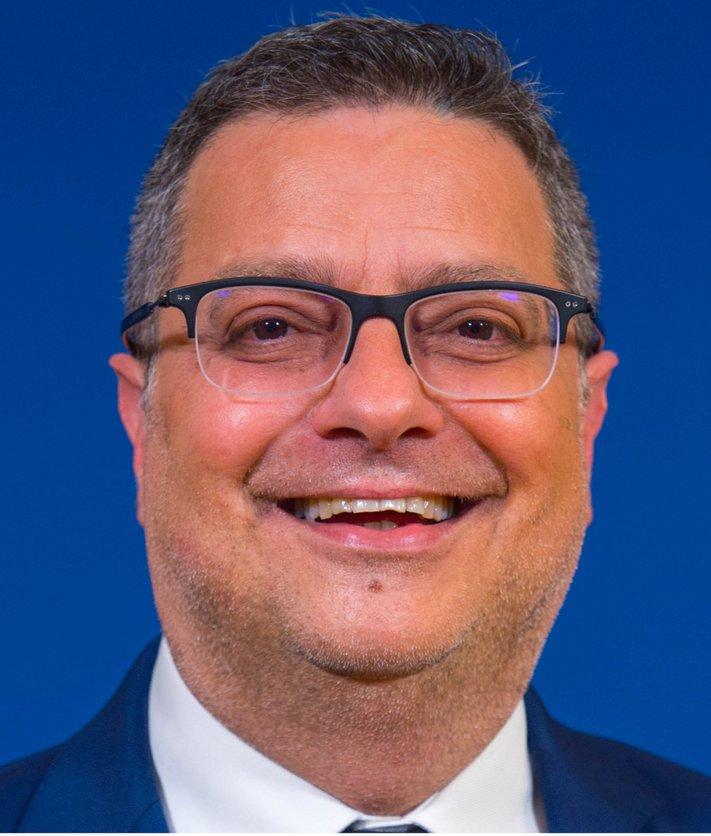 Adrian Delia
Adrian Delia is the Nationalist Party’s spokesperson on health.