Lessons from the internment of Maltese migrants during WWII
The forgotten plight of a community in Libya that experienced the dark chapter of brutalities of Italian concentration camps during World War II
In the early 1940s, at the height of World War II, an entire community of some 1,800 men, women and children was rounded up, exiled from their homes and deported across the Mediterranean to Italian concentration camps.
They were not combatants, nor were they political agitators, although some may have been perceived as such. They were the Maltese Tripolini, a community of migrants and their descendants who had been settled in North Africa for at least four generations.
How does a settled community become so entirely uprooted? The answer lies in the friction of identity. Despite living in an Italian colony under the shadow of rising fascism, the Maltese of Tripoli had obstinately continued to identify as British subjects. They resisted assimilation into a culture they knew intimately, refusing to renounce an identity that tied them to an island and a Crown far away.
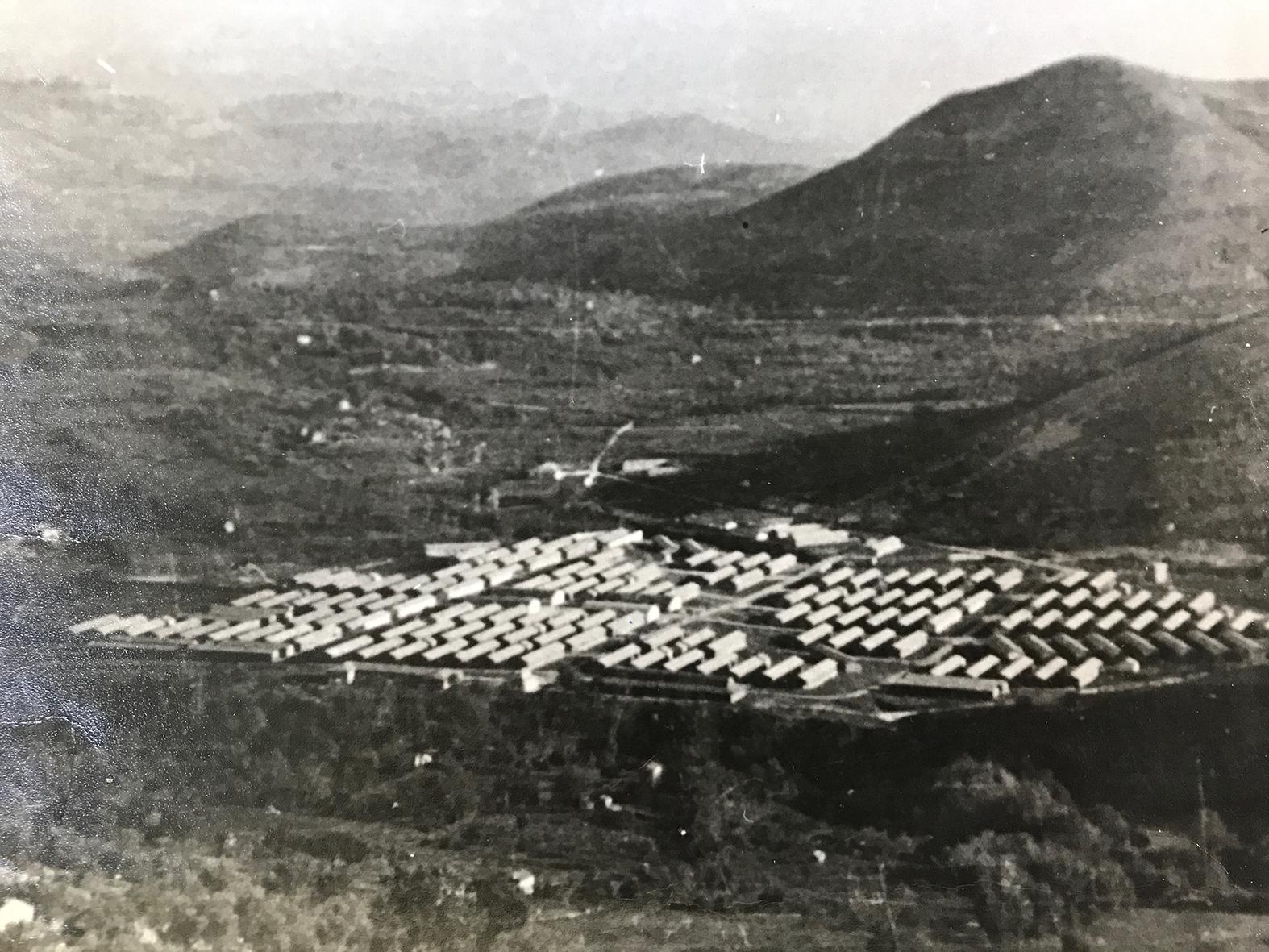 A bird’s eye view of the Fraschette concentration camp in central Italy (1943).
They protested new legislation regulating employment and civil marriage, leading to their gradual alienation from the economic and social life of Italian Libya. For this loyalty to Britain, they were branded ‘enemy aliens’ by the Italian authorities and expelled.
Confined to concentration camps and detention points across Italy, they endured the grim realities of war, a total loss of freedom and severe deprivation.
For decades, this traumatic episode remained an uncomfortable silence in our national narrative. Survivors were reluctant to share their memories. They felt discriminated against by the Italian fascist regime, abandoned by the British government who failed to protect them and ignored by the Maltese who chose not to remember them.
Even upon repatriation after the war, their situation scarcely improved and the community gradually dissolved as hundreds emigrated to places afar. They became, in the words of my good friend Paul Xuereb − a Tripolino himself and only recently departed − the “forgotten lot”.
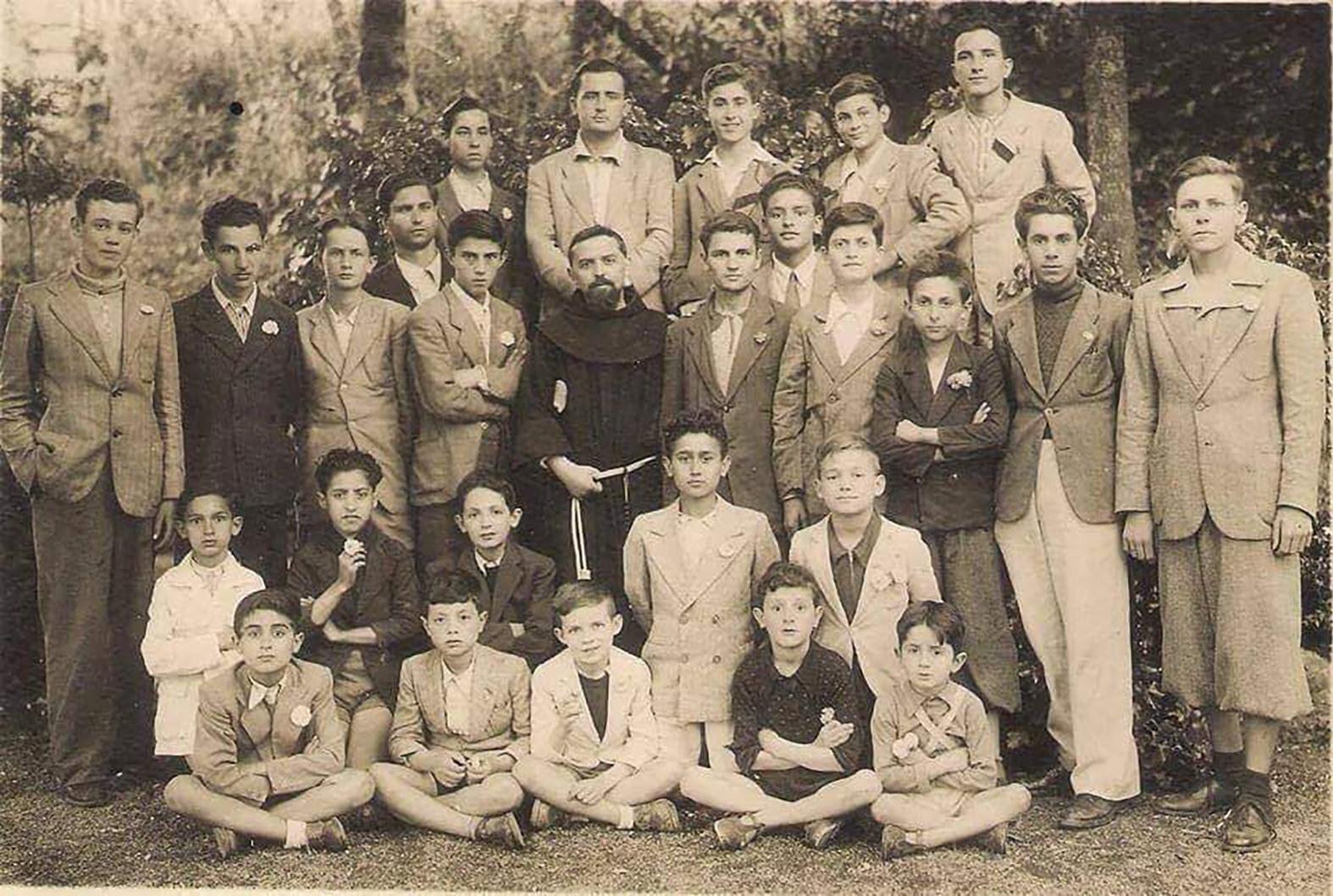 Maltese Tripolini teenagers at the Fraschette concentration camp in central Italy (1943).
The story of these people is far more than an isolated historical curiosity; it is a mirror reflecting our current global reality. Today, we are facing profound international issues regarding citizenship, mass migration and the precarious status of minorities living in foreign states long after their initial migration. We are continually challenged by the question of how nations deal with these diaspora communities during volatile periods, especially in times of war.
When society turns away from the rigorous study of the past − allowing public discourse to be hijacked by misinformation and ideas entirely detached from a proper understanding of history and human behaviour − it creates the exact conditions that led to the internment of the Maltese Tripolini. History demonstrates how quickly a settled, integrated community can be stripped of its rights and transformed into an ‘enemy’, and, without vigilant historical awareness, it can certainly happen again.
The story of these people is far more than an isolated historical curiosity
To cultivate this vigilance, we must reconsider how we look at the past. We are often drawn to the centre of the historical stage − to the leading figures and their grand decisions. Yet, the periphery often offers the clearest vantage point from which to truly see the whole world.
The tragedy of the Maltese in Libya is not merely a minor story. It is a vital chapter in the global history of fascism, imperialism and the displacement of minorities. By standing on the margins and looking outwards, we gain a sharper, more honest understanding of international relations. It forces us to confront our historical blind spots.
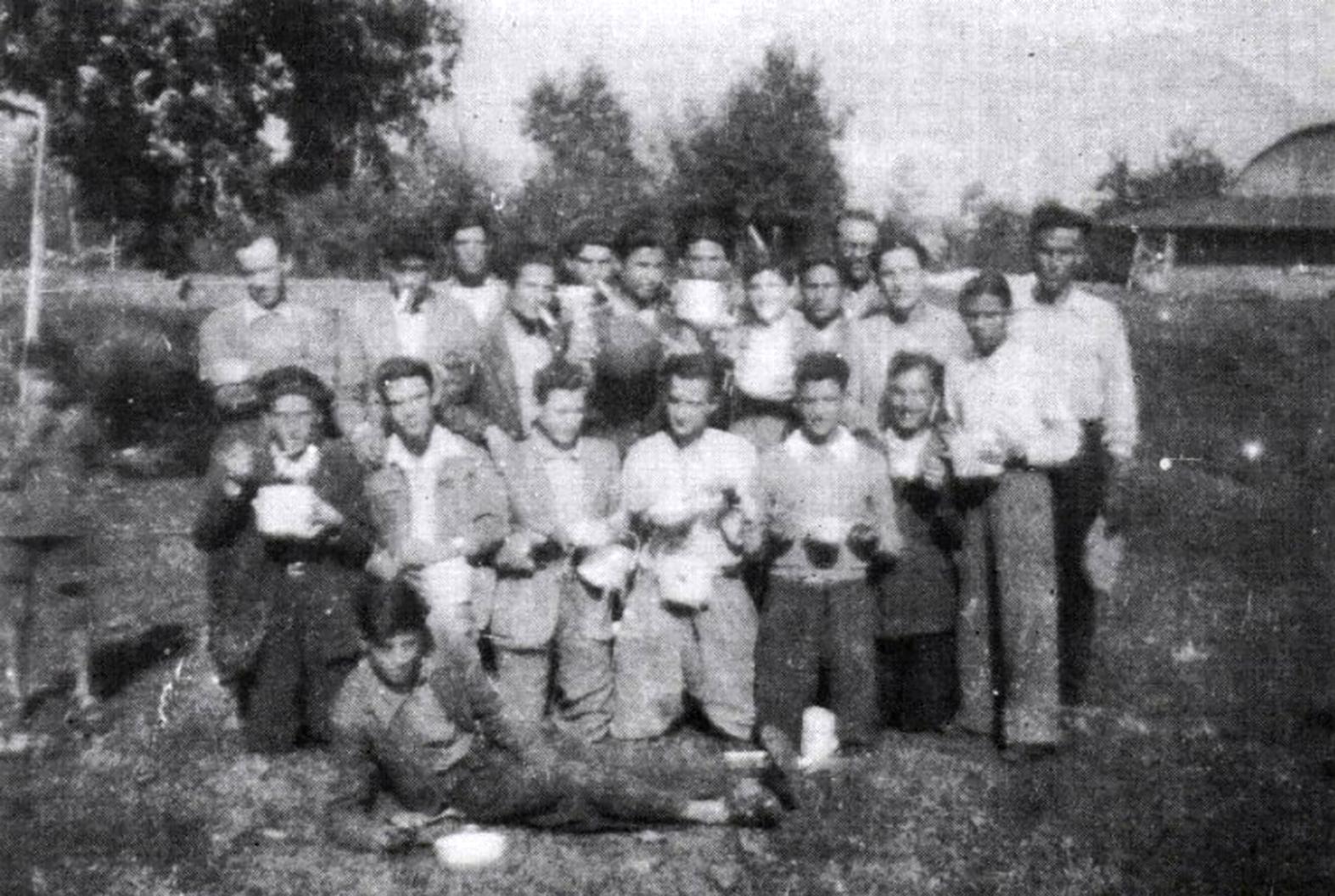 Young Maltese Tripolini men at the Fraschette concentration camp in central Italy (1943).
Of course, to elevate our history to this level, we must abandon the comfort of sanitised narratives. The study of our past requires the courage to ask difficult questions. It demands that we hold a mirror up to our nation, to our people and even to those who governed us. Why were the Tripolini ignored for so long? Why was their suffering swept under the carpet?
Yet, we cannot ask these difficult questions if we lack the educational foundation to articulate them. Over the last few decades, we have witnessed the systematic erosion of History from our curricula. When History is removed from our schools, we do not merely alter a syllabus; we actively participate in the silencing of the past. It is a tragedy of our own making and one that must be actively challenged. A people severed from their past cannot comprehend their present and they are utterly incapable of planning their future.
We must write and teach history. We must deal with the uncomfortable episodes in our past because that is how we prevent the silence from winning.
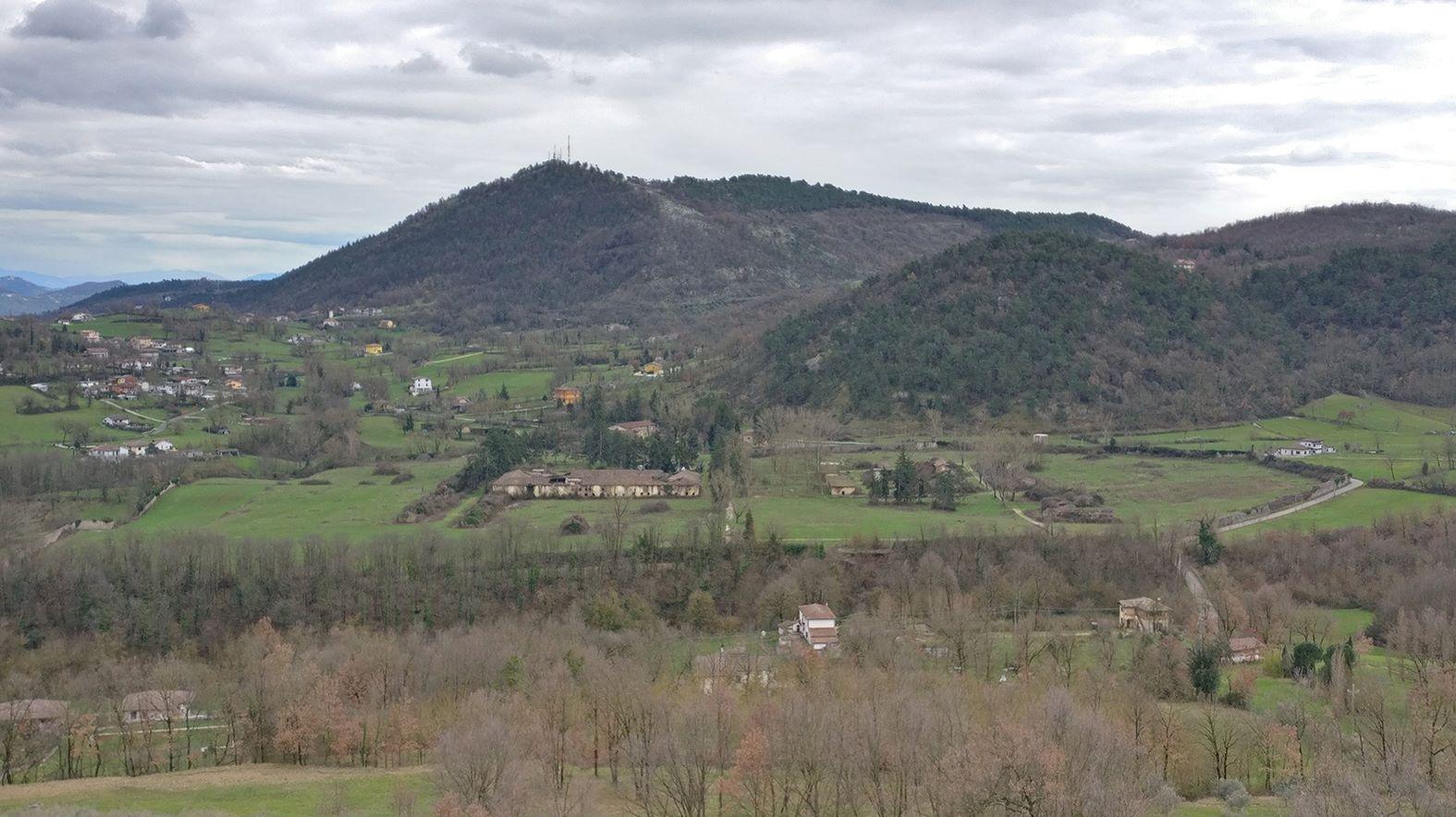 A bird's eye view of the Fraschette concentration camp in central Italy (2018).
The research that uncovered the forgotten story of the Maltese Tripolini, and which culminated in my doctoral degree at the University of Malta’s Institute of Maltese Studies, was carried out following the award of a Tertiary Education Scholarship Scheme (TESS).
This vital support mechanism allows researchers to examine the neglected chapters of our past and bring them to the forefront of public consciousness. It is an investment not only in individual scholarship but in the collective memory, and conscience, of our society.
We are who we are largely because of who we were. By researching our history and asking the difficult questions, we are given the tools to avoid blindly repeating the tragedies of the past.
Whether we choose to use them, however, is entirely up to us.
Mario Xuereb is a historian, broadcaster and former assistant editor at Times of Malta.