Letters to the editor – January 13, 2026
Today’s letters by Times of Malta readers
The forgotten fort
Glenn Bedingfield, Parliamentary Secretary for Public Cleanliness, writes:
Once again, Fort Tigné is dominating the conversation. UNESCO Ambassador Joe Vella Gauci proposed setting up a heritage trust to take over Fort Tigné (‘Our national heritage should not have price tags’, December 30). Which could be a good proposal.
Before that, we were told that Din l-Art Ħelwa wanted to take it over not to fall in the hands of Joseph Portelli.
Everyone is rightly concerned about heritage. But while Fort Tigné attracts opinions, statements and counterstatements, Fort San Salvatore, in Kalkara remains almost completely forgotten.
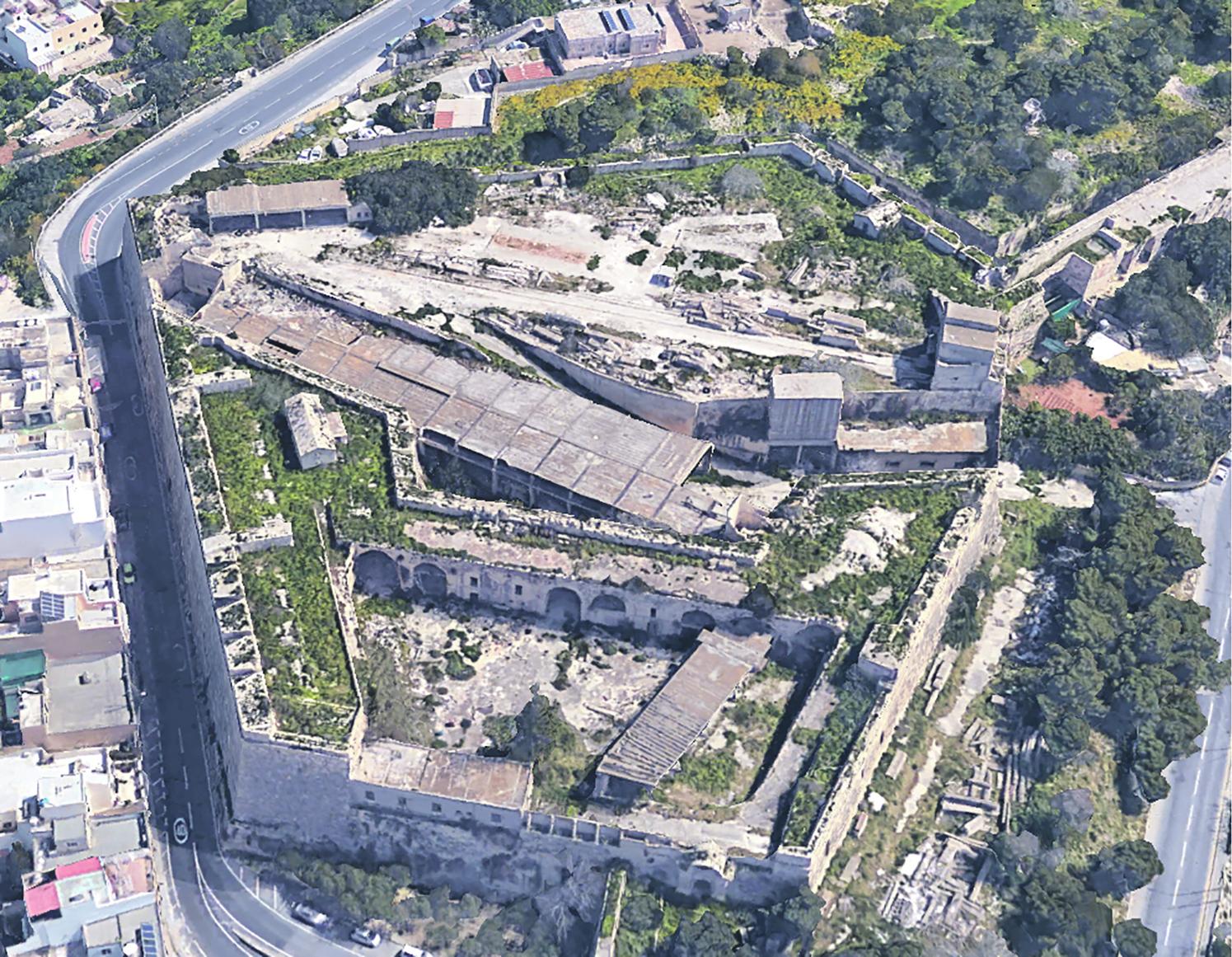 Fort San Salvatore. File photo
Fort San Salvatore is also privately owned. It is also historically significant. In its state of neglect, it faces the same risks that all neglected heritage sites face, that is decay, misuse and irreversible loss. Yet, it never seems to spark the same urgency, outrage or media interest. Why?
The answer is uncomfortable but obvious. We are talking about Fort Tigné because it became politically convenient to do so, because there was a high-profile request for it to be taken over, because certain names became involved and because it made for an easy headline.
This selective concern does a disservice not only to our heritage but also to public debate. Malta’s fortifications are not isolated monuments that can be discussed one at a time depending on who owns them or who shows interest. They are part of a wider historical and cultural landscape that requires a consistent, transparent and long-term policy.
I say this with some personal experience. Some time ago, when I headed the Fondazzjoni Kottonera, I proposed an exchange between the private owners of Fort San Salvatore and the government.
The aim was simple. To secure the fort for public ownership and long-term preservation, while offering a fair and structured solution to the owners. It was a practical proposal, made in the national interest. The reaction? I was accused of colluding with private investors.
No serious discussion on the merits of the proposal. No debate on whether such exchanges could be a useful tool to safeguard heritage. Just suspicion, accusations and noise. And the fort? Still privately owned, still neglected, still absent from today’s debates and headlines.
This is precisely the problem. We either want to protect our heritage seriously or we want to weaponise it selectively. We cannot do both.
If civil society organisations are rightly vigilant, that vigilance should apply across the board, not only when the spotlight is convenient.
Heritage policy cannot be reactive, personalised or driven by headlines. It must be consistent, fair and forward-looking. Otherwise, we will continue arguing loudly about one fort, while silently allowing others to crumble out of sight and history will not judge us kindly for the ones we chose to forget.