Letters to the editor – June 5, 2026
Today’s letters by Times of Malta readers
Well done all
Mark John Galea from Sliema writes:
I would like to congratulate Prime Minister Robert Abela for a successful election.
I, also, would like to convey my congratulations to Opposition leader Alex Borg, since it was no easy feat to undertake the challenge of a general election within a few months of being elected Nationalist Party leader.
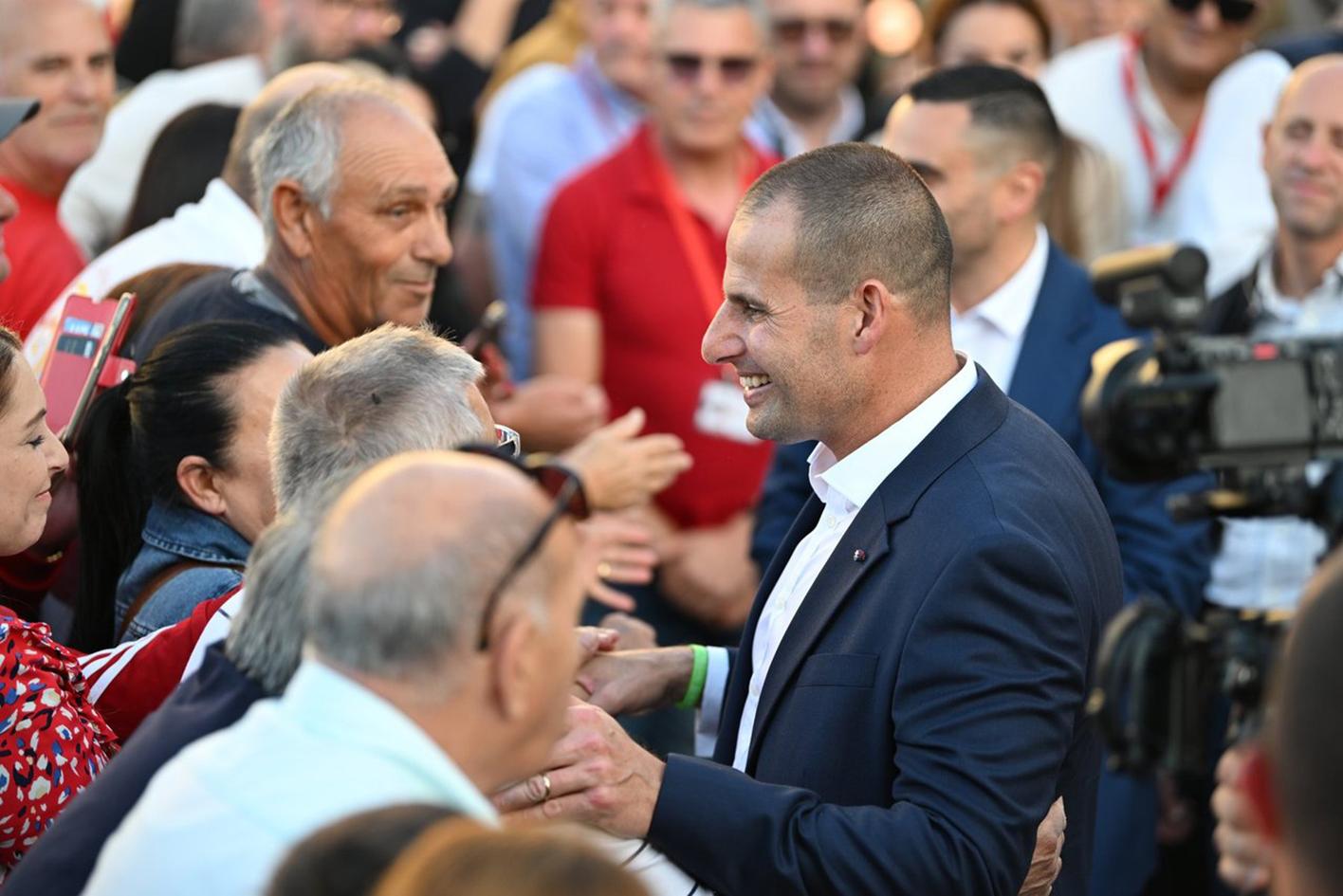 Robert Abela greeting well-wishers. Photo: Matthew Mirabelli
I would also like to wish the very best to all the other candidates.
Over the next five years, both the government and opposition will have to tackle a lot of challenges. May the politicians consider what is best for Malta first and give their utmost in their service to the country.
Unrepresented voters
Ray Azzopardi of St Julian’s writes:
I write not from party loyalty but from concern for how Malta is governed and how faithfully parliament reflects the people who elect it.
This election confirmed a familiar and uncomfortable reality. Voters who wanted administrative change faced a tactical dilemma: give their first preference to the Nationalist Party (PN) and use later preferences for smaller parties or follow genuine ideological conviction and risk their vote having no parliamentary consequence. Many chose conviction. The result is that thousands of first-count votes for smaller parties, representing real and measurable national support, will, again, go unrepresented in parliament.
That is a democratic deficit worth naming plainly.
The number one vote is the clearest expression of a voter’s will. Yet, under the present system, consistent national support can vanish entirely if it fails to reach district quota. A parliament that repeatedly leaves that support without representation is not fully reflecting the country that elected it.
The remedy need not threaten stability. Had this election’s first-count figures translated more directly into seats, Labour would still govern with a clear majority and the PN would remain a strong opposition. What would change is that parties with genuine national backing – above any reasonable minimum threshold – would also have a voice in the chamber.
This new legislature has an opportunity, and arguably an obligation, to examine that question seriously.
Democracy is not just about who wins. It is about whether parliament, when it assembles, actually looks like the country it represents.