Watch: Malta history books to be updated, education minister confirms
Groundbreaking discovery that Malta’s human history is at least 1,000 years older than previously thought was revealed on Wednesday
Students’ history curriculum and textbooks in schools will have to be updated now that a significant archaeological discovery pushed back Maltese history by at least 1,000 years, Education Minister Clifton Grima confirmed.
Grima said he looks forward to updating the curriculum as further discoveries on the origins of the Maltese people are unearthed and confirmed in the near future.
“I’m emotional, truly emotional about this. This is an exciting period.
"As a proud Maltese person, I’m excited to know what else we will find out as the research progresses,” he said.
“I’m sure the researchers will now – literally – dig deeper to analyse more data and, as the discovery continues to grow, our curriculum should too. The discovery will definitely change what we have been teaching our children in schools.”
He would not specify how and when it would change but suggested more knowledge should be added to the discovery first, given this is just the beginning of a new archaeological chapter in Maltese history.
The education minister stressed the need for the curriculum to reflect the evolving understanding of Malta’s origins. “There’s also more to be discovered about the animals living on the islands at the time and people’s way of life. I’m looking forward to it.”
He also addressed the potential challenges of integrating the new information into the curriculum: “The work it takes is the least of my worries. The most important thing right now is to add to the knowledge we have and verify it.”
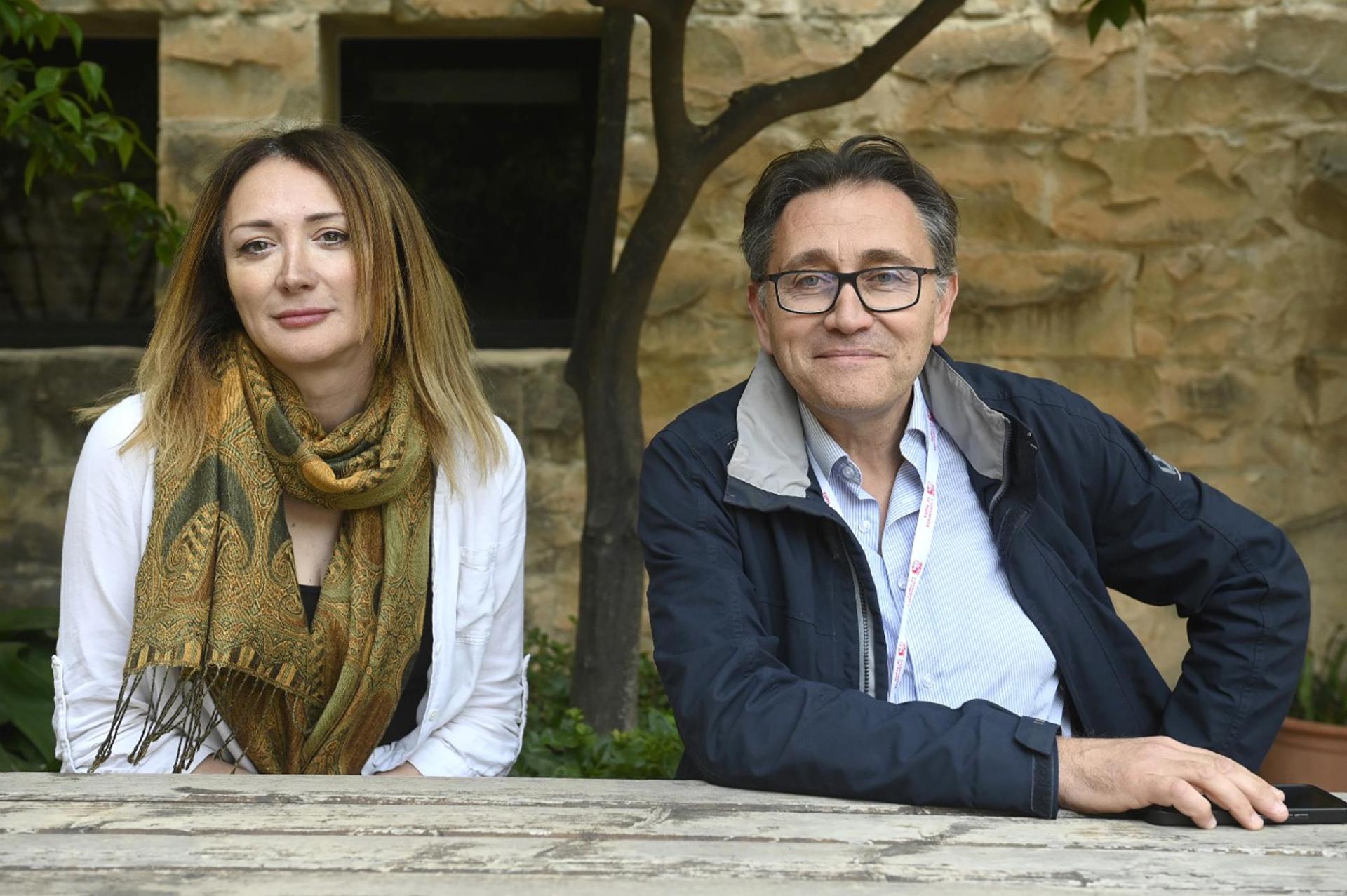 Principal investigator Professor Eleanor Scerri and co-investigator Professor Nicholas Vella. Photo: Matthew Mirabelli
He drew a parallel between adapting the curriculum to technological advancements and the need to incorporate new historical findings. “The same way we change the curriculum as technology advances, so too it should change to preserve our heritage and pass it on to our children.”
The groundbreaking discovery, led by two Maltese professors and published in a leading international scientific journal on Wednesday, revealed that Malta’s human history is at least 1,000 years older than previously thought.
It was also established that the first people to ever descend on the islands were hunter-gatherers, not the farmers described in school textbooks and museums.
The discovery also challenges the global scientific community’s belief that hunter-gatherers did not reach small and remote islands and changes the understanding of what these primitive communities were capable of.
The evidence was found in a cave in Mellieħa, and it took archaeologists Eleanor Scerri, Nicholas Vella and their team six years of excavations, research and rigorous testing before they published their theory, which has been hailed as equivalent to Sir Temi Zammit’s megalithic finds.
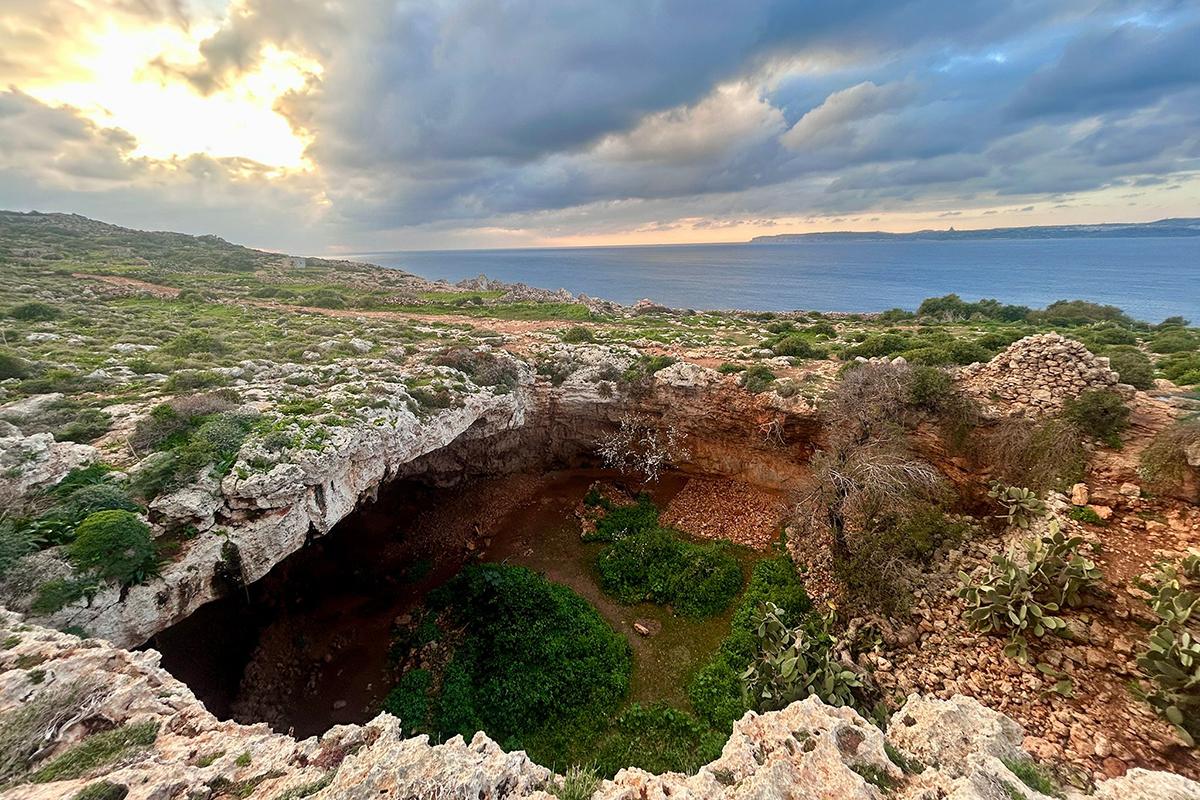 Mellieħa's Latnija cave (Għar Tuta), where the discovery was made. Photo: Huw Groucutt