Mental health: We can’t mourn while standing still
To reduce suicide and improve mental health we need long-term policies that place human dignity before political expediency, writes Mgr Claude Portelli
Every time our nation is shaken by another tragic loss of life, the same pattern unfolds. We express shock, offer heartfelt condolences, organise awareness campaigns and renew promises that mental health will become a national priority. Then, slowly but surely, public attention shifts elsewhere. Until the next tragedy forces us to confront the same uncomfortable reality.
In recent weeks, Malta has once again witnessed a number of deaths that have left families devastated and communities searching for answers. These are not isolated incidents. They are painful reminders that, despite years of discussion, countless conferences and repeated electoral pledges, too many people continue to suffer in silence.
Mental health has featured prominently in successive political manifestos. Governments and oppositions alike have spoken eloquently about investing in services, strengthening prevention, combating stigma and placing well-being at the centre of public policy. Those commitments were welcomed because they reflected a growing understanding that mental health deserves the same attention as physical health.
Yet, one cannot escape the feeling that progress has not matched the urgency of the problem. While services have undoubtedly improved in certain areas, the wider social pressures affecting people’s psychological well-being continue to intensify.
Nearly two years ago, during the funeral mass homily of Karl Gouder, I addressed the political leaders seated in the front rows with a simple but heartfelt appeal. I said that we could not remain indifferent. We could not continue ignoring the fact that the pressures created by modern society were weighing heavily on the mental well-being of so many people.
That appeal was not directed at one political party or another. It was directed at all those entrusted with shaping the kind of society we wish to become. The homily also urged politicians to address what was described as Malta’s growing mental health crisis.
Today, that appeal is even more relevant.
The issue extends far beyond clinical services. Mental well-being is shaped by the way we live. It is affected by relentless economic pressures, housing costs, job insecurity, financial anxiety, loneliness, family breakdown, online abuse, unrealistic expectations and the increasingly toxic public discourse that has become normalised on social media and even in politics itself.
Mental health deserves the same attention as physical health- Mgr Claude Portelli
Many people feel they must constantly prove their worth, maintain an image of success and hide any sign of vulnerability. Men, in particular, often carry an unspoken burden, believing they must always appear strong. But they are not alone. Women, young people, the elderly, carers and professionals across every sector are also carrying invisible struggles that deserve to be acknowledged.
If we genuinely want to reduce suicide and improve mental health, we need more than awareness weeks and commemorative speeches. We need long-term policies that place human dignity before political expediency. Mental health must become a consideration in education, employment, urban planning, family policy and digital regulation. It should not remain confined to the health ministry alone.
This also demands political courage. Success in this area cannot be measured by ribbon-cutting ceremonies or headlines. It requires sustained investment, cross-party collaboration and the humility to recognise that no government can solve this challenge alone.
Every life lost leaves behind grieving parents, spouses, children, friends and colleagues asking whether something more could have been done.
That question should not haunt only the families left behind. It should haunt all of us.
A compassionate society is not judged by the promises it makes in times of mourning. It is judged by the action it takes before another family has to bury someone they love.
Malta has spoken about mental health for long enough.
Now it must act.
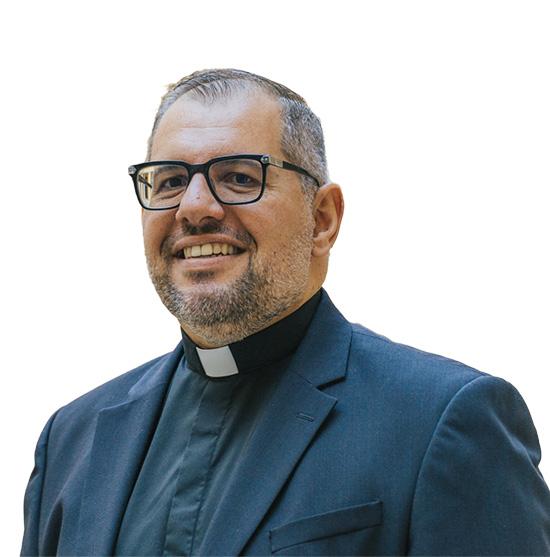
Mgr Claude Portelli is the Archbishop’s Delegate for Culture.