Commissioner Micallef pushes for social media age checks to protect minors
Glenn Micallef urges EU member states to adopt privacy-safe verification tools as European Parliament backs stricter rules
European Commissioner Glenn Micallef has urged EU member states to adopt a blueprint for age verification as part of efforts to protect young people from online harm caused by social media.
Micallef, Commissioner for Intergenerational Fairness, Youth, Culture and Sport, addressed the need to safeguard children’s safety and mental health, particularly in the context of social media.
“In Europe, many adolescents are struggling to control time on social media with excessive screen time becoming a global concern in protecting their mental health… The protection of minors online is a priority for the Commission and for myself and it must go further” he said.
Micallef spoke at a debate in the European Parliament focused on the negative impact of social media on young people and possible responses, including age limits and stronger EU action to increase the responsibility of online platforms.
Earlier this year, the European Commission adopted a recommendation paving the way for all EU citizens to access age verification tools based on anonymous proof-of-age technologies, ensuring the highest standards of privacy and data protection.
Micallef urged all member states to adopt these tools to ensure that all EU citizens have access to robust and privacy-preserving age verification tools by the end of 2026.
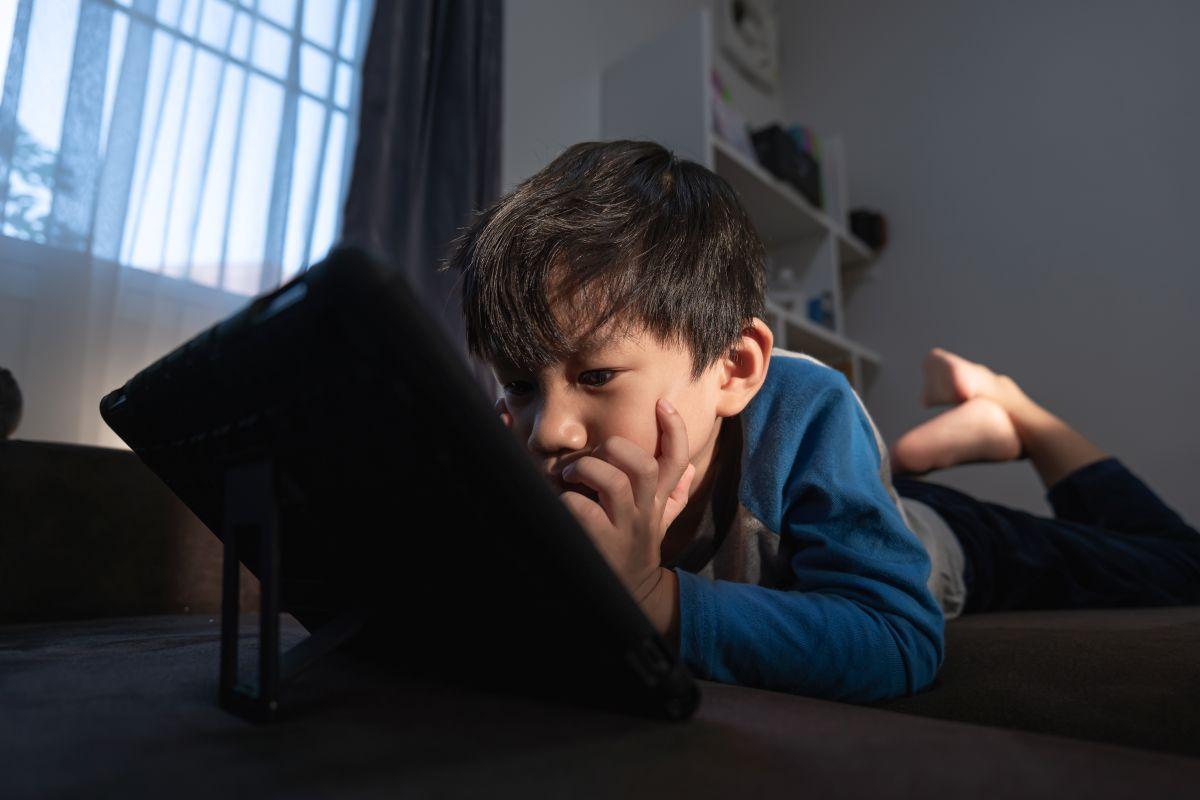 The European Commission is calling for stronger safeguards for children from social media. Photo: Shutterstock
Micallef said that, at the core of efforts to protect minors online is the Digital Services Act, which introduced measures including obligations for platforms to ensure high levels of privacy, safety and security. Under the DSA, platforms are no longer allowed to design interfaces that encourage addictive behaviour. Platforms claiming to be for adults only can also be held accountable if they allow children to access their services.
He noted that European Commission President Ursula von der Leyen had established a special panel of experts from the fields of mental health, computer science and children’s rights, alongside young people, parents and educators. The panel’s report and recommendations are expected to be presented in July. This will guide future policy.
Also speaking in parliament, MEP Alex Agius Saliba said that social media has become a major concern for parents due to excessive screen time and endless scrolling, which can lead to mental health issues and even suicide, and that urgent action is needed.
In November last year, the European Parliament passed a resolution proposing that children under 16 should be banned from using social media unless their parents decide otherwise. Although not legally binding, the resolution passed by a large majority and increases pressure for EU legislation amid growing concern over the mental health risks linked to unrestricted internet access.
The European Commission is also studying Australia’s world-first social media ban for under-16s, which is due to take effect next month.
British Prime Minister Keir Starmer on Monday announced plans for a total ban on social media for children under 16, stating that such platforms are “making children unhappy” and exposing them to harmful and addictive content.
Last December, the Maltese government took its first steps towards regulating social media through a public consultation, which ran until February 27 and invited members of the public to submit their views online.
A Times of Malta poll conducted last year found that almost three-quarters of respondents would support tighter restrictions on social media use.