More to Napoleon in Malta than just looting churches, says great-great-nephew
Charles Prince Napoléon believes La Valette’s sword should be returned, but only on loan
The great-great-nephew of French emperor Napoleon Bonaparte has urged Maltese people to look beyond tales of looting and rebellion, arguing that the French occupation left behind lasting reforms.
In 1798, Napoleon invaded Malta, seizing it from the Knights of St John with relatively little resistance on his way to Egypt. Napoleon himself briefly stayed in Valletta, living at Palazzo Parisio (now the Foreign Affairs Ministry).
The occupation would last for two years before a popular uprising resulted in French forces retreating to Valletta. A prolonged siege and a naval blockade by the British and Portuguese navies eventually led to their surrender.
Times of Malta sat down with Charles, Prince Napoléon, who is descended from Bonaparte’s youngest brother, Jérôme, and a member of the imperial family’s last surviving male line, during a recent trip to Malta.
He was one of several speakers at a Council of Europe conference on Culture Routes, held at Fort St Angelo in Vittoriosa.
Culture Routes is a pan-European programme launched by the Council of Europe in 1987, which shows how different European countries share a common cultural heritage through themes that cross borders – including art, religion, history, trade and architecture.
Charles is the founder of one such route – Destination Napoleon. It links around 50 cities in 10 countries across Europe, all of which have a connection to Napoleon or the wider Napoleonic era.
He is now exploring the possibility of adding a Maltese city, such as Valletta, to the route. If successful, various exhibits, signs, lectures and events would highlight the emperor’s significance to Malta.
“The aim is not to glorify or mythologise Napoleon, nor is it intended to whitewash the negative aspects of his empire, but to understand his huge impact on European history. Each country has a different idea of Napoleon,” says Charles.
The popular perception of the French occupation in the collective Maltese consciousness is arguably negative, fuelled by stories of the occupiers looting churches of their gold and silver to pay for Napoleon’s Egyptian campaign.
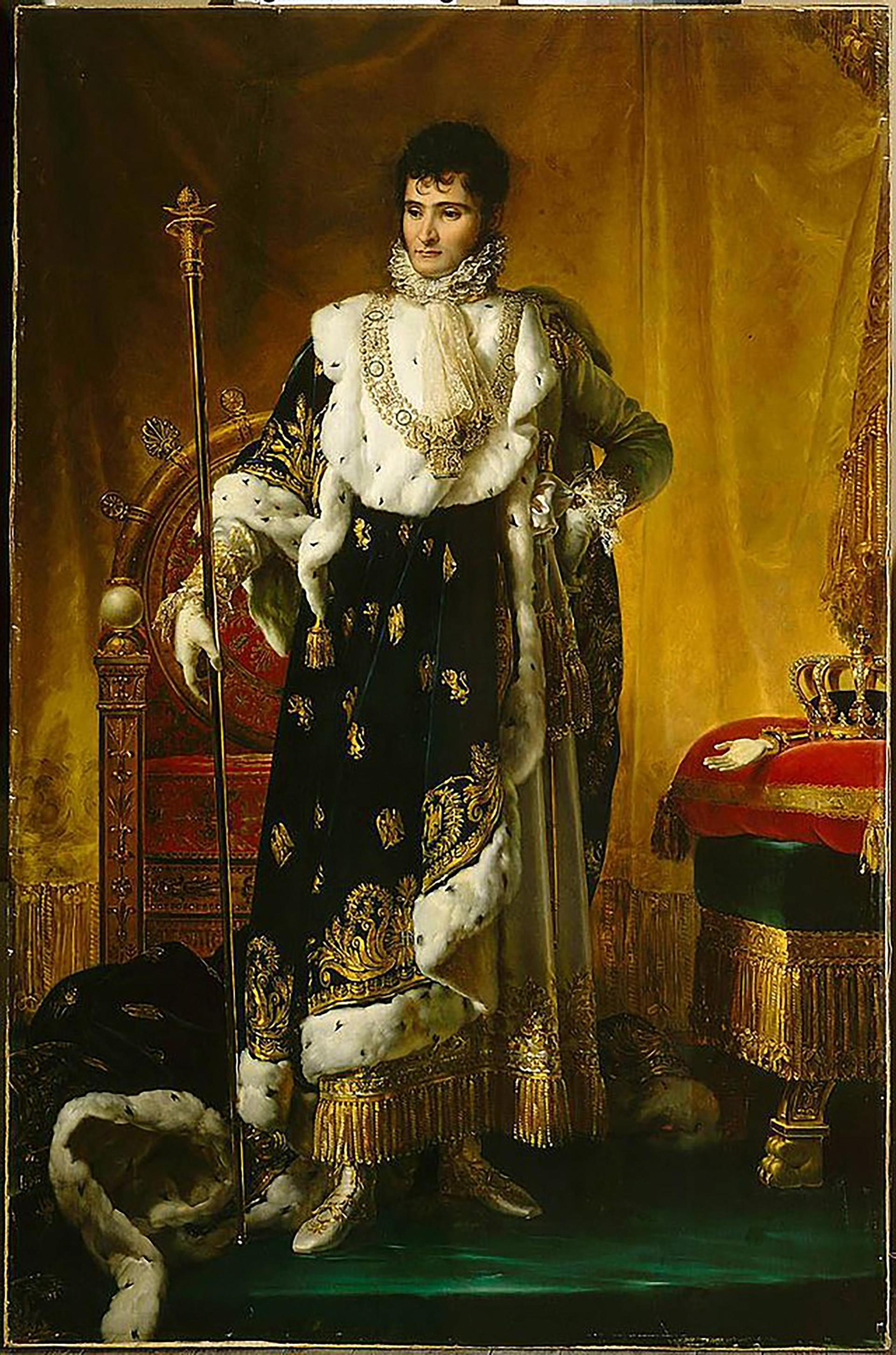 Charles is descended from Napoleon’s youngest brother, Jérôme Bonaparte. Photo: Wikimedia Commons
'Napoleon brought monumental changes to Maltese society'
“Yes, there was looting, which was commonplace in the era.
But it also a fact that, during only eight days on the island, Napoleon brought about monumental changes to Maltese society. He abolished feudalism and slavery, and modernised civil administration, law and education. Destination Napoleon doesn’t seek to make judgements on the good and the bad – that is for Maltese people to reflect on.”
Perhaps the most famous case of appropriation carried out by the French is that of Grandmaster La Valette’s ceremonial sword and dagger, which are currently housed in the Louvre.
While there have been various calls for France to return the weapons over the years, Charles dismisses the idea.
“There are hundreds of similar cases all over Europe – of swords, crowns, thrones and so on being in the ‘wrong’ country. If we started swapping them, we would never stop,” he said, while agreeing with the idea of La Valette’s possessions being loaned to Malta instead.
On the subject of the Louvre, Charles is reluctant to speak about the recent high-profile theft from the museum of millions of euros' worth of jewellery pieces worn by French queens, saying only that it was a shame that France is often in the news for the wrong reason.
He also downplayed the significance of the theft.
“We give a great deal of importance to gold and other valuables, but for me, historical documents such as letters are far more precious.”