Inside the ‘bubble’: how murder trial jurors are kept impartial
Understanding Malta's jury system and how it works
Fifteen Maltese citizens will spend the next weeks sequestered from the rest of society – away from their everyday lives, family, friends and work – to focus on evaluating the facts in the trial against Yorgen Fenech, the businessman charged with complicity in the murder of journalist Daphne Caruana Galizia.
Nine jurors and six backup jurors will have to erase from their minds any ideas and prejudices they may have formed from hearing news about the case. The crime shook the nation after the journalist was murdered in a car bomb in 2017, followed by Fenech’s arrest two years later.
“Please ignore any media reports, public discussions… Anything that you all have heard before must be thrown out… We are literally in a bubble,” Madam Justice Edwina Grima told jurors soon after they were empanelled in a process that took almost five hours.
Aware of the massive media attention garnered by the politically charged case, the judge stressed that jurors must base their verdict solely on the evidence presented in court.
“Sometimes, there were news articles that weren’t accurate,” she told them. “Any prejudices must be set aside in this courtroom. You are here to decide whether Yorgen Fenech is guilty or not guilty of the charges brought against him… It cannot be decided on sympathy or fear and must be impartial,” the judge stressed.
Sacred facts
What the judge told the jurors is the same litany repeated by those presiding over trials for decades. But, this time, it is even more relevant given the high-profile case.
They will have to wipe out any preset perceptions and ideas. Media reports and any publications penned over the past nine years have to be pushed to the back of their minds in the interest of justice.
In her opening address, the judge repeatedly emphasised the sacred nature of the facts that would be presented before them, telling them that while she was the “judge of law” presiding over the case – and ensuring that procedures were followed according to law – they were the “judges of facts”.
It would be the facts – presented throughout the trial in a manner allowed by law – that would be the only tools they would use in determining guilt or innocence at the end of the trial, when they would retire to deliberate on a verdict.
In fact, in the years leading up to the trial, lawyers for the defence and the prosecution spent many court sittings ironing out and agreeing on the evidence that would be allowed in court.
Selection
To qualify as a juror, a person must be a Maltese citizen aged 21 or over, live in Malta, have an adequate knowledge of the Maltese language, be of good character and be competent to serve.
People with serious criminal convictions are generally disqualified. The law exempts certain categories of people, including MPs, members of the police force, doctors, university professors and members of the clergy. People with physical or mental conditions that prevent them from serving may also apply for an exemption.
Twice a year, a committee made up representatives of the commissioner of police, the senior magistrate, the attorney general, the Chamber of Advocates and the Chamber of Legal Procurators draw up the official jury lists.
The provisional lists are published in the government gazette, allowing anyone listed to apply to have their name removed. A final jury list is then published.
The double random draw system then kicks in. Each month, the court registrar randomly draws names from the official jury lists. There is one list of potential foremen (people with previous trial experience who can guide the other jurors and read out the verdict at the end of the trial) and one for prospective jurors.
Those selected are summoned to appear in court on a specified date and time. In this case, the potential jurors were told to turn up on July 1. As is always the case, they were not given any details of the trial or the accused. This is intended to preserve their impartiality.
Had details of the trial emerged before jurors were empanelled, such publicity could have been seen as prejudicing the proceedings.
Civic duty
Being a juror is a civic duty and failure to attend on the given date and time, without a valid reason, may result in contempt of court proceedings and a fine.
People with exceptional circumstances, such as caring for a vulnerable person, may apply to be excused from serving but they have to file a formal application upon receiving the summons.
On the day of the trial, the court registrar draws names. In this case – as has become common practice over the past years – this happened behind closed doors. Those whose names are drawn must serve unless exempted by the prosecution or the defence. Both sides may challenge prospective jurors.
Challenges may be peremptory, requiring no reason, or made on specific grounds accepted by the court. In trials involving a single accused, both the attorney general and the accused are entitled to three peremptory challenges. This process is likely why the jury selection process took almost five hours in the case of Fenech, where the pressure is high.
In the end, one foreman and eight jurors were selected by lot to make up the nine-member jury panel. In this case, the maximum of six substitute – or supplementary – jurors were also appointed, as the trial is expected to be a long one.
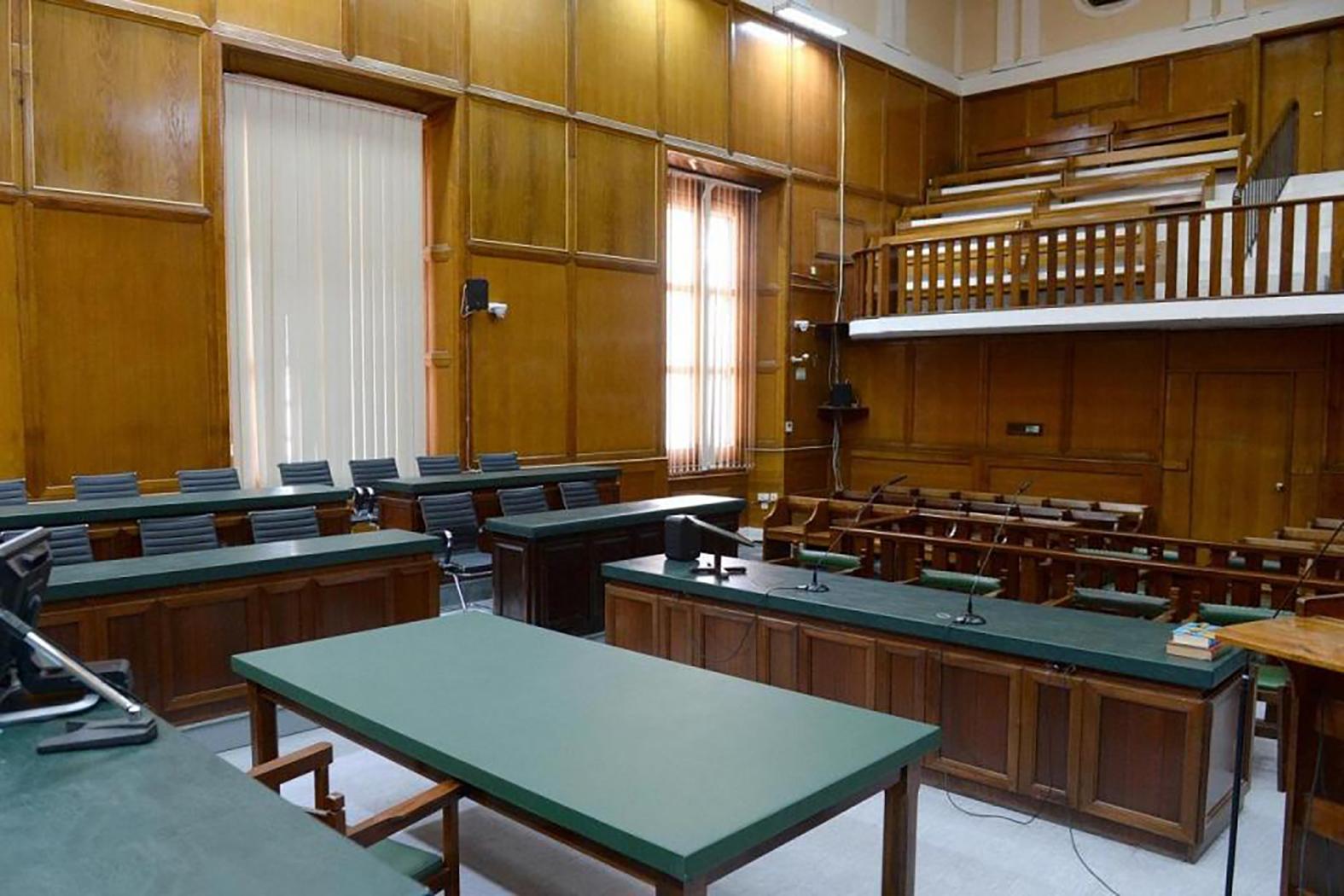 Members of the jury sit on the seats on the left. File photo: Times of Malta
Backup
The substitute jury members step in to replace jurors who might have to leave the trial for health or other reasons.
During the trial, substitute jurors perform the same role as the main jurors and are subject to the same restrictions. During the trial of the men who supplied the bomb that killed Caruana Galizia, a reserve juror was fined €1,000 after sending messages to his son about the proceedings.
The reserve jurors are kept separate from the nine main jurors and cannot speak to them about the trial. Even in court, the supplementary jurors sit on a bench that is separated from that of the nine main jurors by an aisle.
“You cannot speak to the other jurors because you aren’t allowed to deliberate. You can only participate,” the judge told them.
As an aside, jurors receive €30 a day for trials lasting up to 15 working days. If a trial exceeds 15 working days – as is expected for the Fenech trial – the daily payment increases to €40.
Influence
Before the trial begins, the jurors take an oath pledging to consider the evidence carefully, remain impartial, avoid outside influence, protect the interests of both the accused and the Republic of Malta and deliver a verdict based solely on the evidence presented in court and their conscience.
After the oath was administered on Wednesday, the judge addressed the jury and explained their role and some basic legal principles. They were also given a handbook with the information. This happens in every trial and the same points are made. This time, however, they were emphasised even more strongly.
The judge explained to them that their job is to evaluate the facts based on the witnesses who will testify, as well as the evidence presented, which could include documents, transcripts, photographs and more.
When a witness takes the stand, whether for the prosecution or the defence, they give evidence, questioned by the party that summoned them, and are then cross-examined by the opposing sides. Jurors may also ask questions if they need clarification.
Grima encouraged them: “You can ask questions to the witnesses – as many as you want. Please clarify any doubts and ask again,” she said.
You cannot talk to anyone about the jury. Even during the family visit. You will be all supervised… so that justice will finally be served
Insulated
The judge also explained to all jurors that now that they were empanelled, they would be sequestered to protect them from outside influence.
“No communication is allowed via mobiles, laptops, iPads smartwatches etc. These must be left at home,” Grima said.
She told them that their phones would be locked away until the end of the trial and that they would instead receive tablets for viewing evidence. She added that family members could be seen only in supervised visits if an emergency arose.
At the end of the first day of the trial, jurors are typically escorted home by a court bailiff to collect clothes and personal belongings before entering sequestration at an undisclosed location, usually a hotel.
“You cannot talk to anyone about the jury. Even during the family visit. You will be all supervised… so that justice will finally be served,” the judge said.
It is a criminal offence to communicate with, or attempt to communicate with, a selected juror with the intention of influencing their decision. The offence is punishable by between three- and nine-months’ imprisonment.
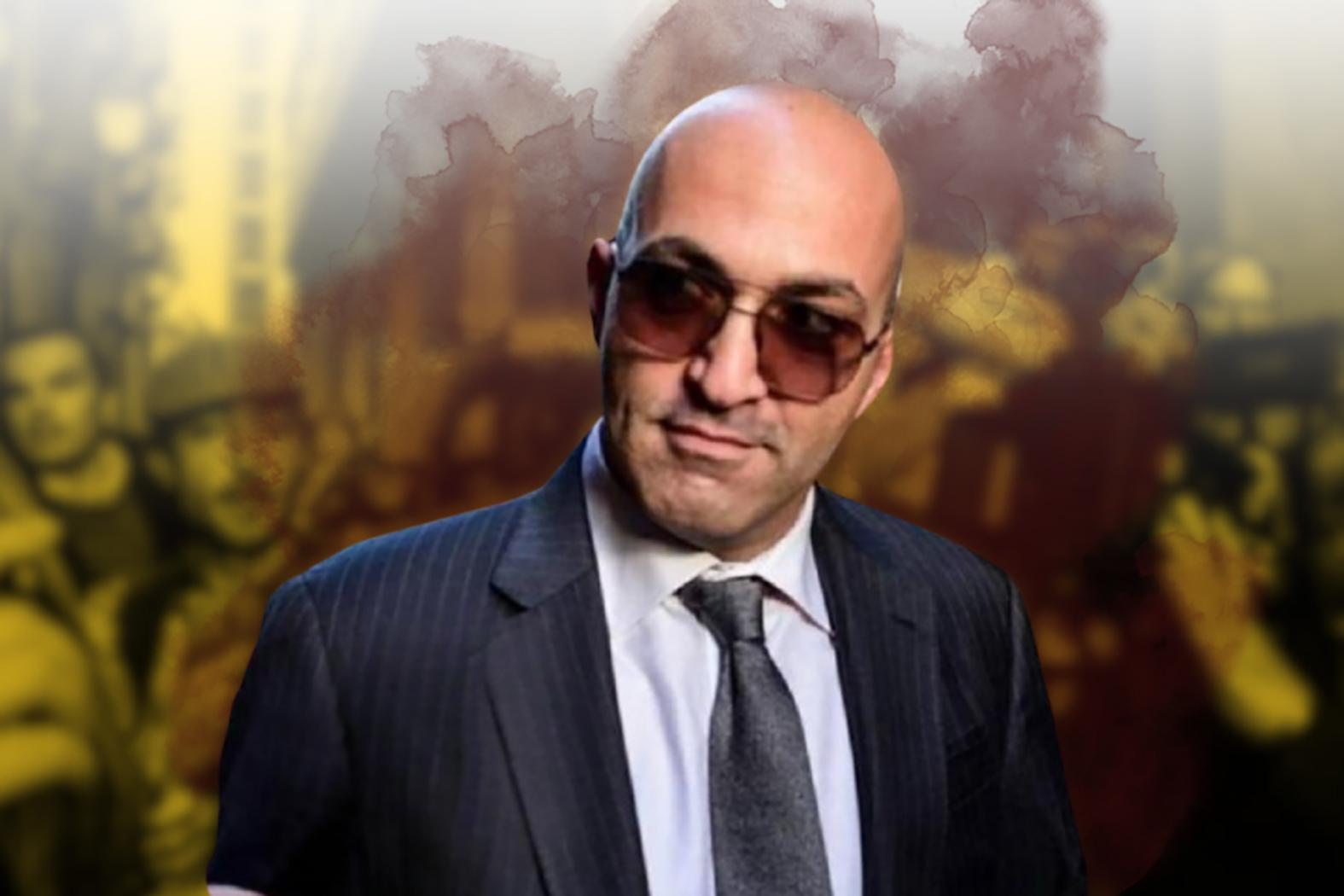 Yorgen Fenech walking outside court in 2019. Photo: Mark Zammit Cordina