In pictures: Museum displays in early Malta
The principal virtue up to WWII seems to have been overwhelming the viewer with quantity, with little concern for imparting order, sequence, rationale
The notion of gathering under one roof objects of cultural, historical, antiquarian, exotic or artistic relevance for public display must have been imported into Malta by Gio Francesco Abela (1582-1655), the learned and inquisitive hoarder who, in 1637, willed his collections to the Malta Jesuits, to eventually form the embryo of our national collections.
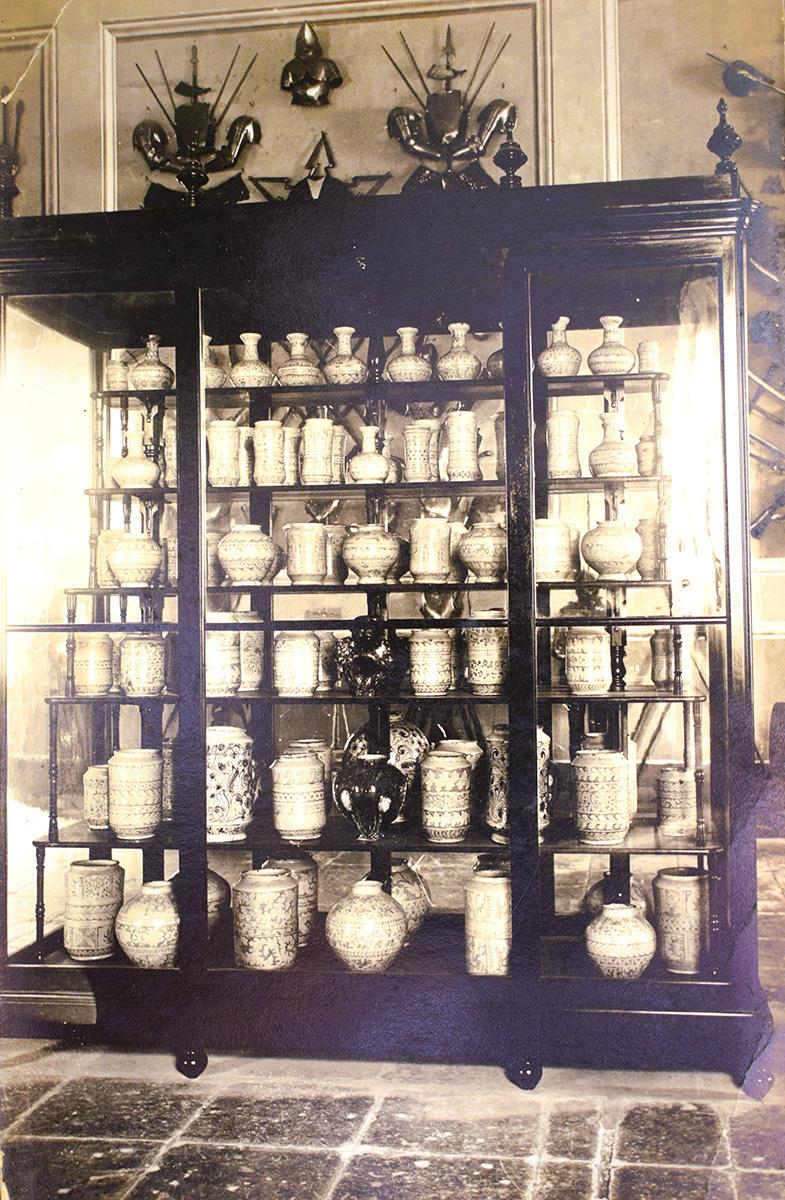 A Richard Elis postcard of the majolica display at the Armoury.
In parallel, like many other European sovereigns, the grand masters prided themselves on their own cabinet of wonders, the ultimate conceit in their Palace, where their most precious, extraordinary and astonishing possessions were on semi-public show – to gratify the pride of their owner and to amaze his visitors.
Virtually nothing is left today of that amazing accumulation after the relentless 19th-century depredations.
Early photographs of the interiors of some Malta museums have frozen visual memories of previous display criteria – so fundamentally different from today’s.
The principal virtue up to World War II seems to have been unapologetic clutter, overwhelming the viewer with quantity, putting everything, but everything, on display, with little concern for imparting order, sequence, or rationale to a very baffling and, often, obscure narrative.
This applied mostly to the archaeological and natural museums, though fine arts collections did not escape this bane entirely.
My father, Vincenzo – the virtual founder and driving force behind all three great art museums in Malta – believed in lifetime learning. He self-financed two visits yearly to the museums of Italy, to keep abreast of the latest trends of museology.
The National Museum of Fine Arts, the Mdina Cathedral Museum and the St John’s Co-Cathedral Museum witness his compulsive – and unrewarded passions.
I have brought together photographs of some interiors of pre- and post-war museums: archaeology, the former Roman Villa, the armoury and some other permanent displays.
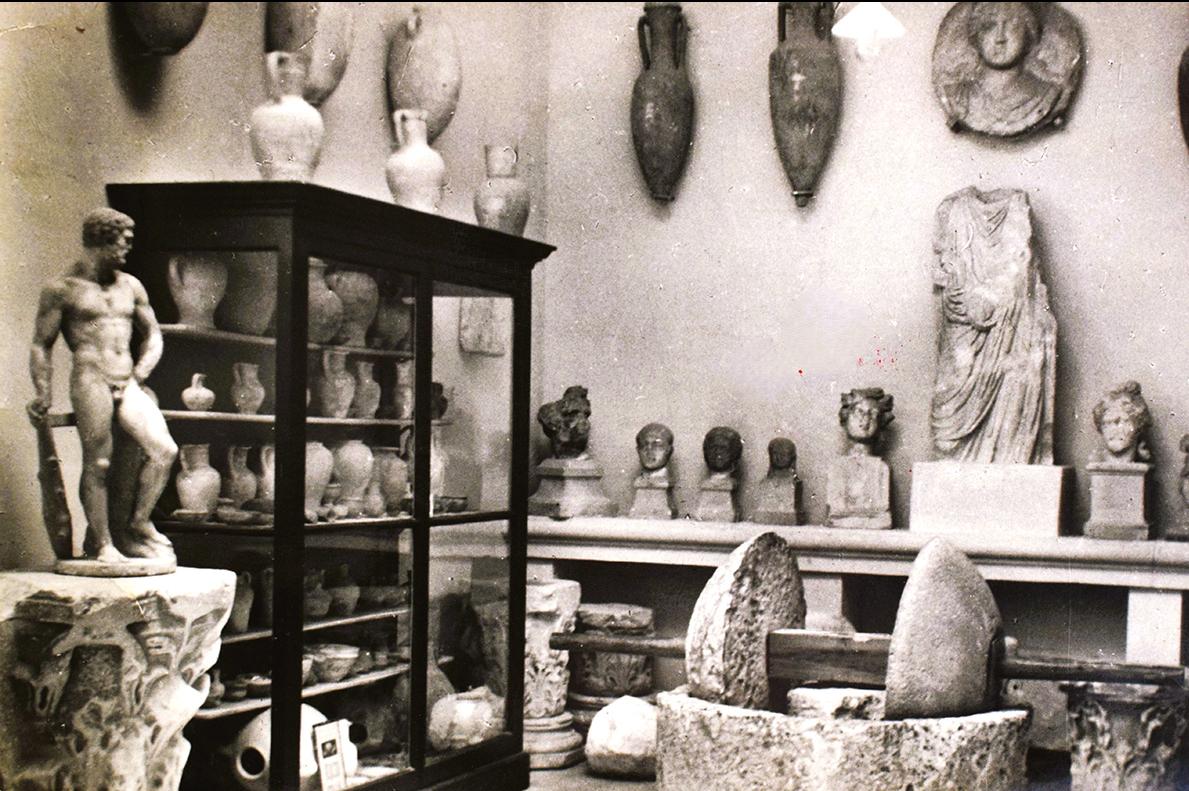
Antiquities in the Roman Villa, Rabat.
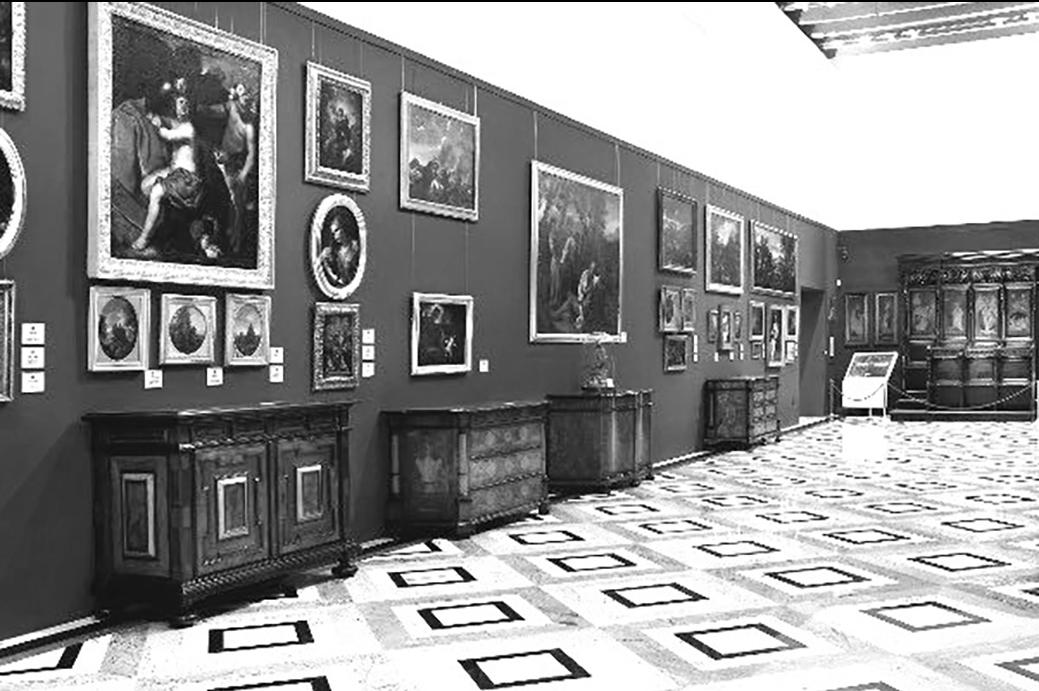
Inside of the Mdina Cathedral museum.
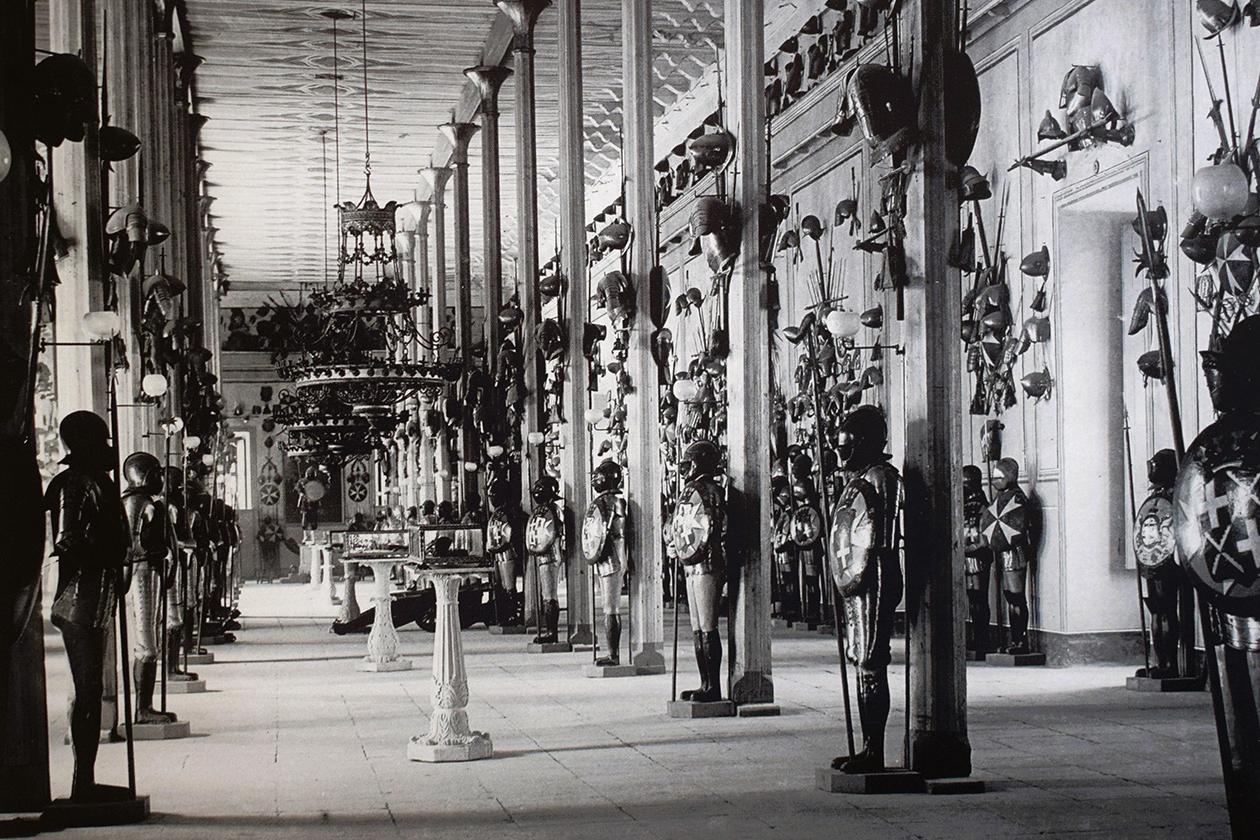
The Armoury at the Palace, 1900s.
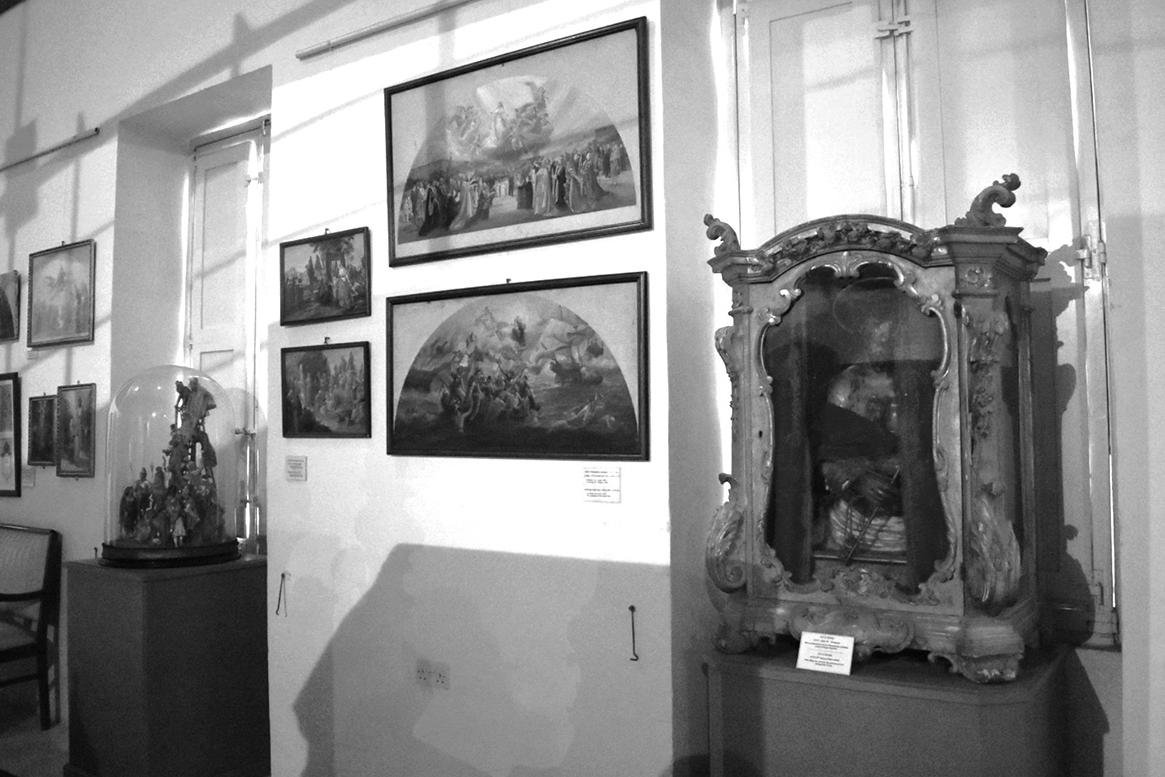
The Żabbar sanctuary museum.
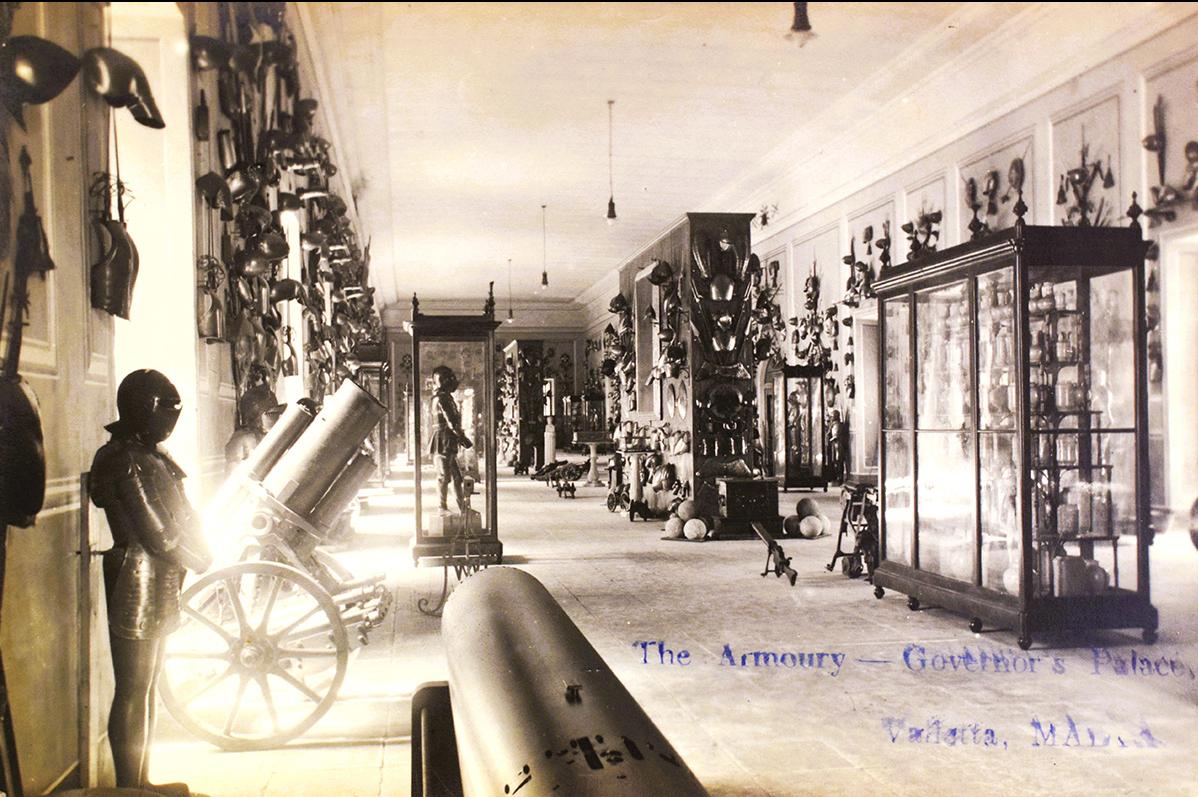
A 1900s view of the Palace Armoury.
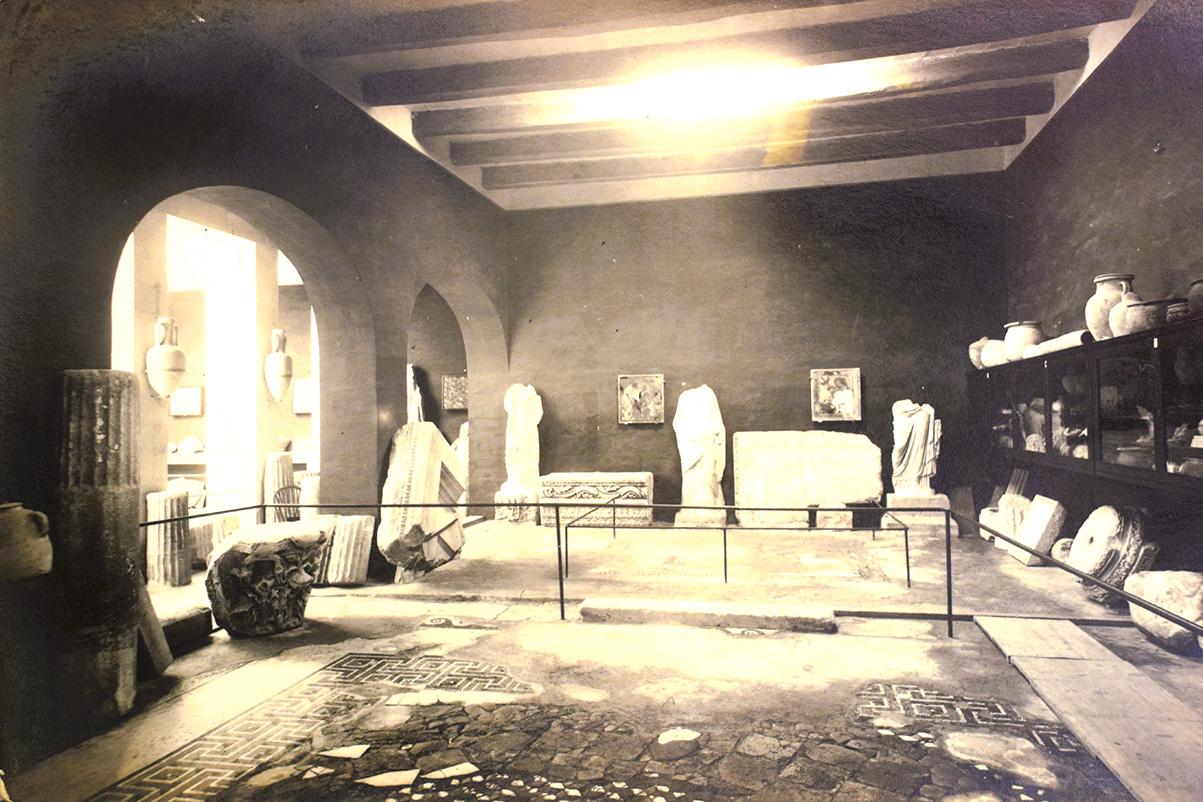
Early view of the museum at the Roman Villa, Rabat.
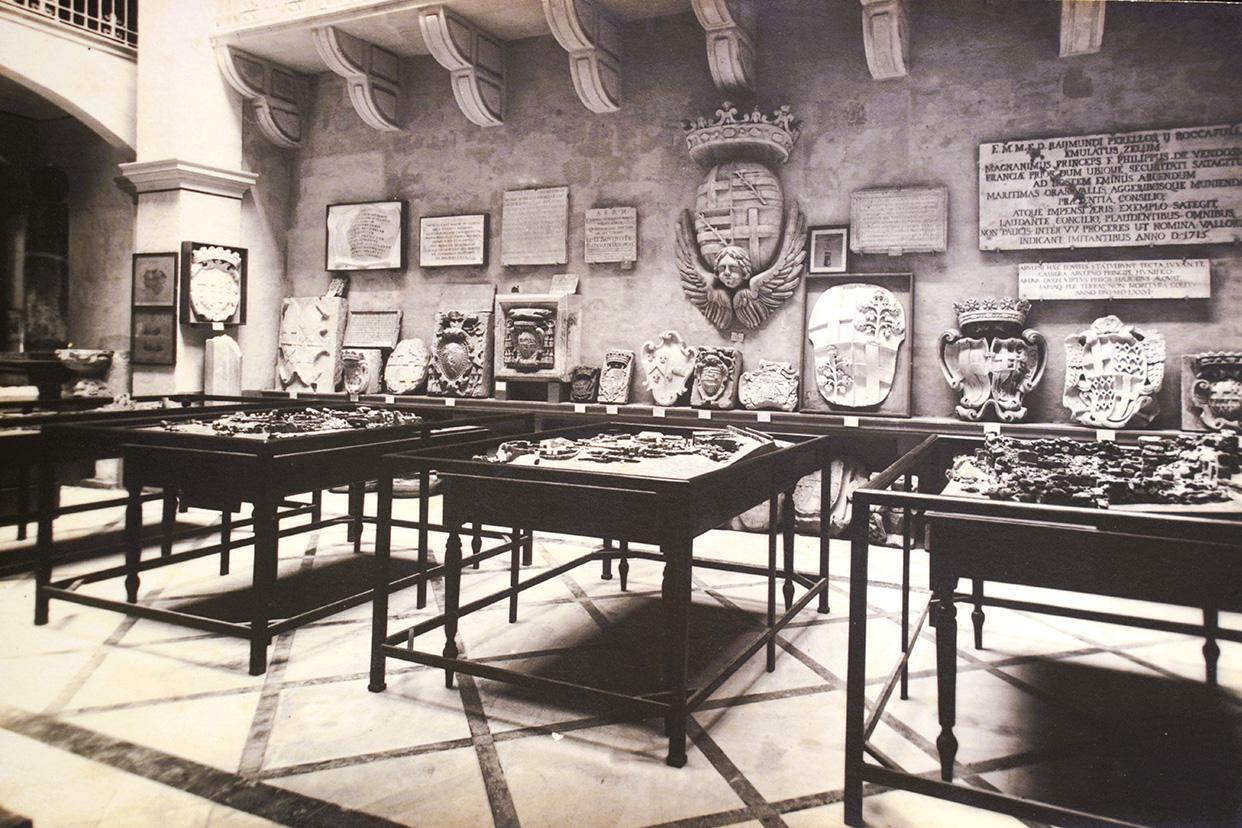
The first archaeological museum in Palazzo Xara, Valletta.
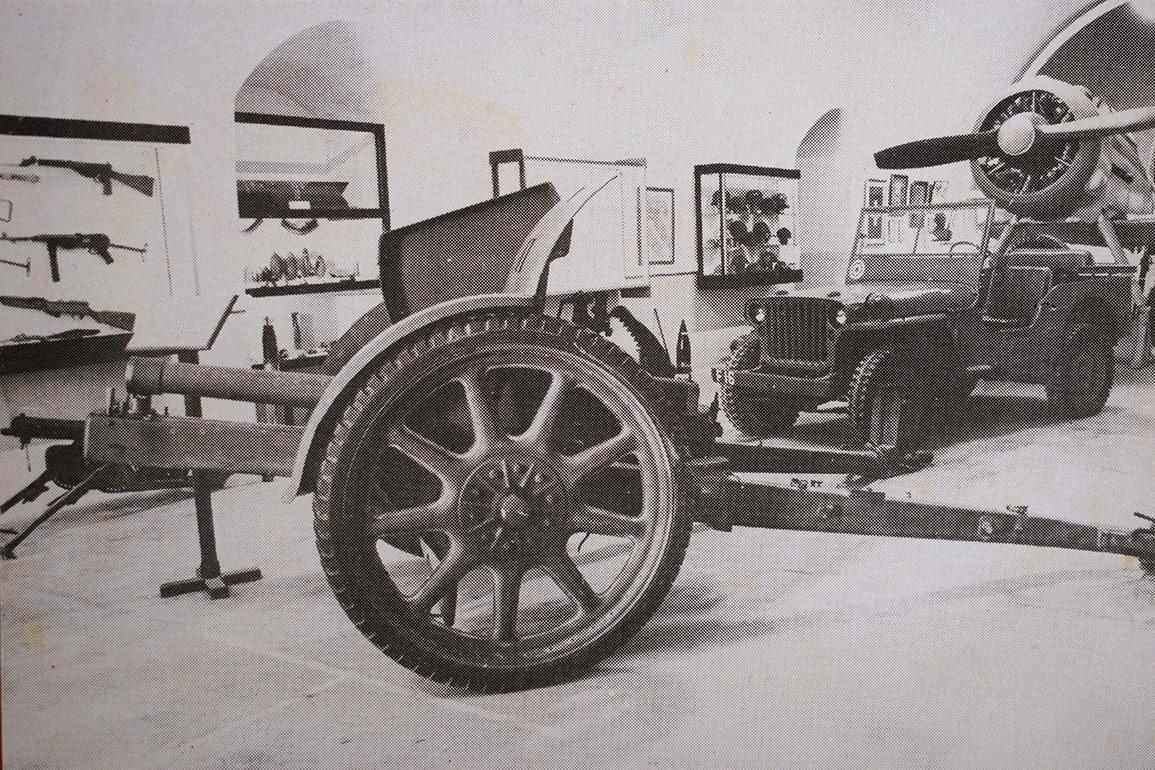
An Italian field gun captured in World War II now at the War Museum in Valletta.
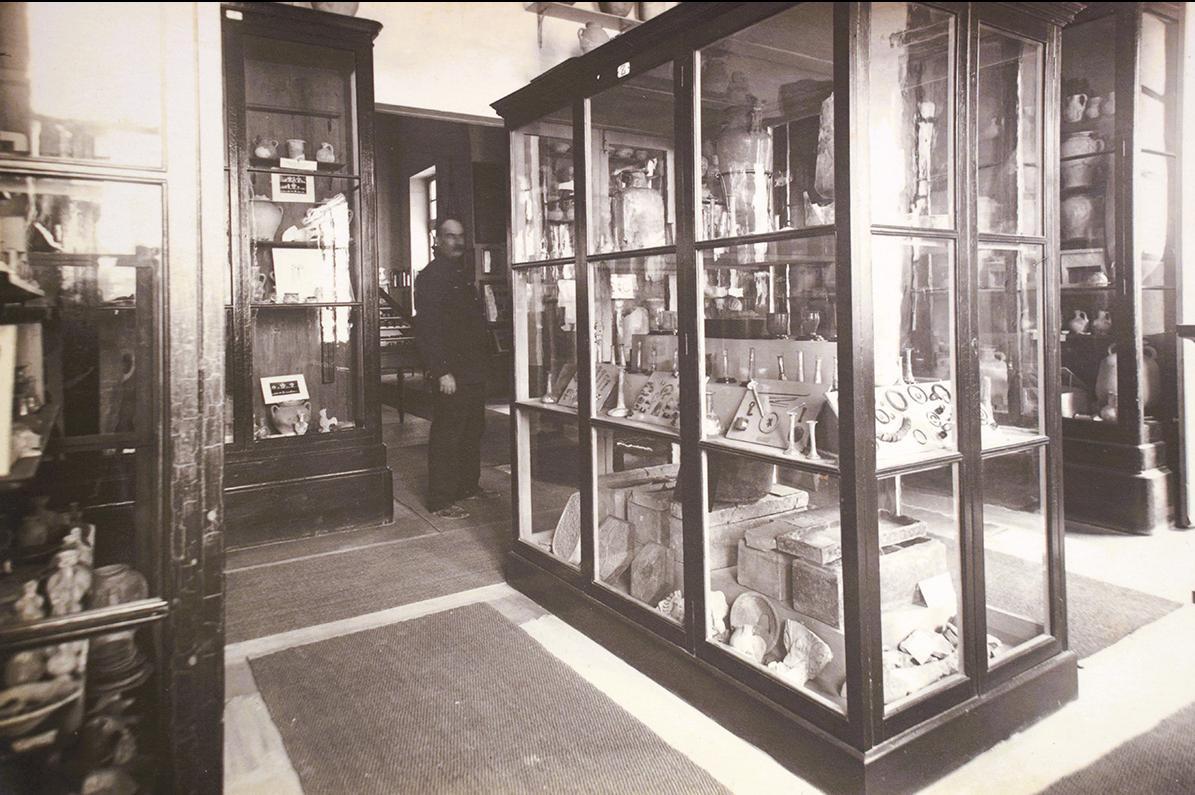
The Valletta Xara Palace museum archaeological display.
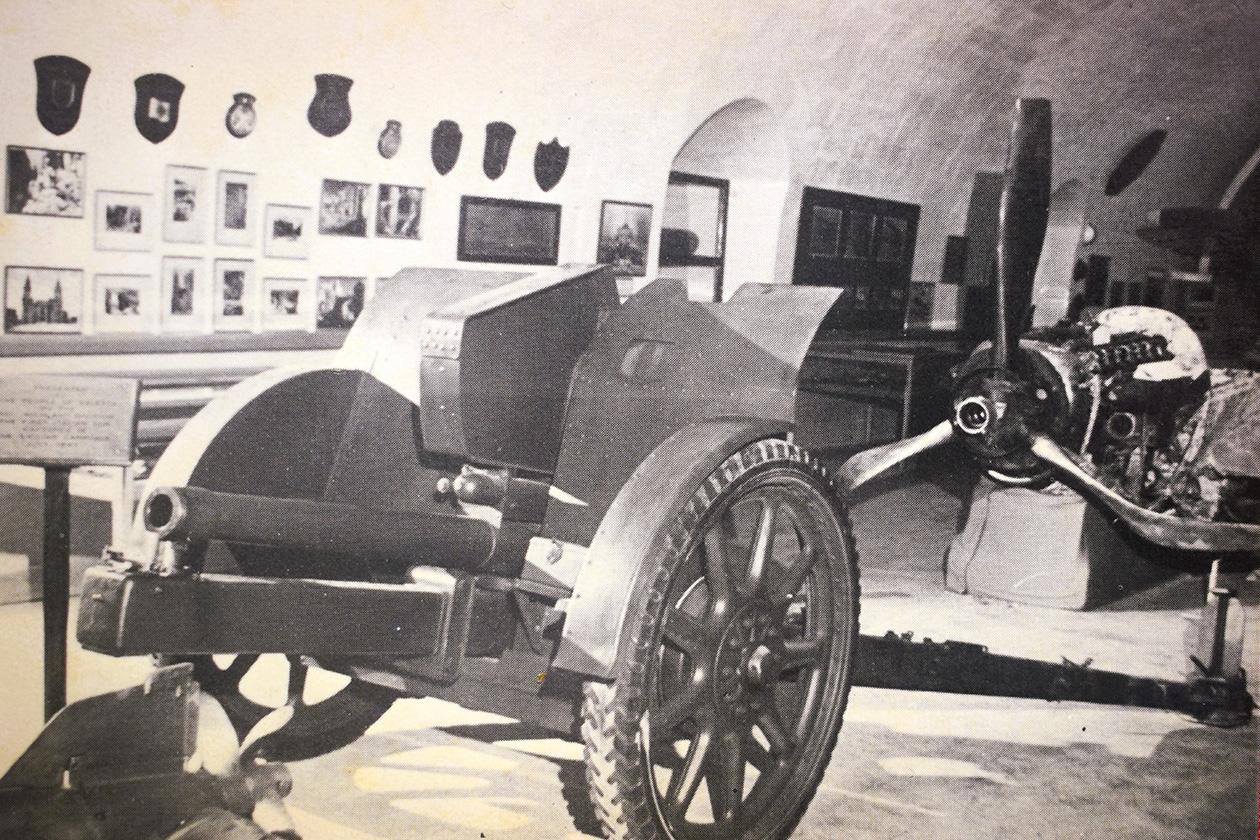
Exhibits at the National War Museum, Valletta.