Why Malta’s homes are struggling to cope with hotter summer nights
Architect warns that Malta’s modern homes are relying too much on air conditioning
The typical Maltese summer has a classic soundtrack: people splashing in the sea on a hot day, cicadas buzzing in the trees, and, more recently, the hum of air-conditioning condenser units working overtime to keep houses and workplaces cool.
It is thanks to those condenser units that most apartments are livable in the summer heat.
A penthouse with large windows can easily become a sweltering greenhouse in a Mediterranean climate, but air conditioning means these modern apartments can be comfortable even during the worst heatwave.
Alexei Pace, an architect, argues that Maltese construction has long operated under the assumption that air conditioning will compensate for any shortcomings in the building fabric.
As a result, construction practices have drifted towards lightweight blockwork and large unshaded windows – both architectural features that would have been unthinkable in decades past due to Malta’s hot climate.
The latest census data shows that practically half of Malta and Gozo’s residential dwellings were built after 2000. Half of the existing stock of properties consists of flats and penthouses.
“However, this works only for as long as consumers can afford their electricity bills and the grid copes with the load, while leaving the building itself doing very little to moderate the indoor climate,” he warns.
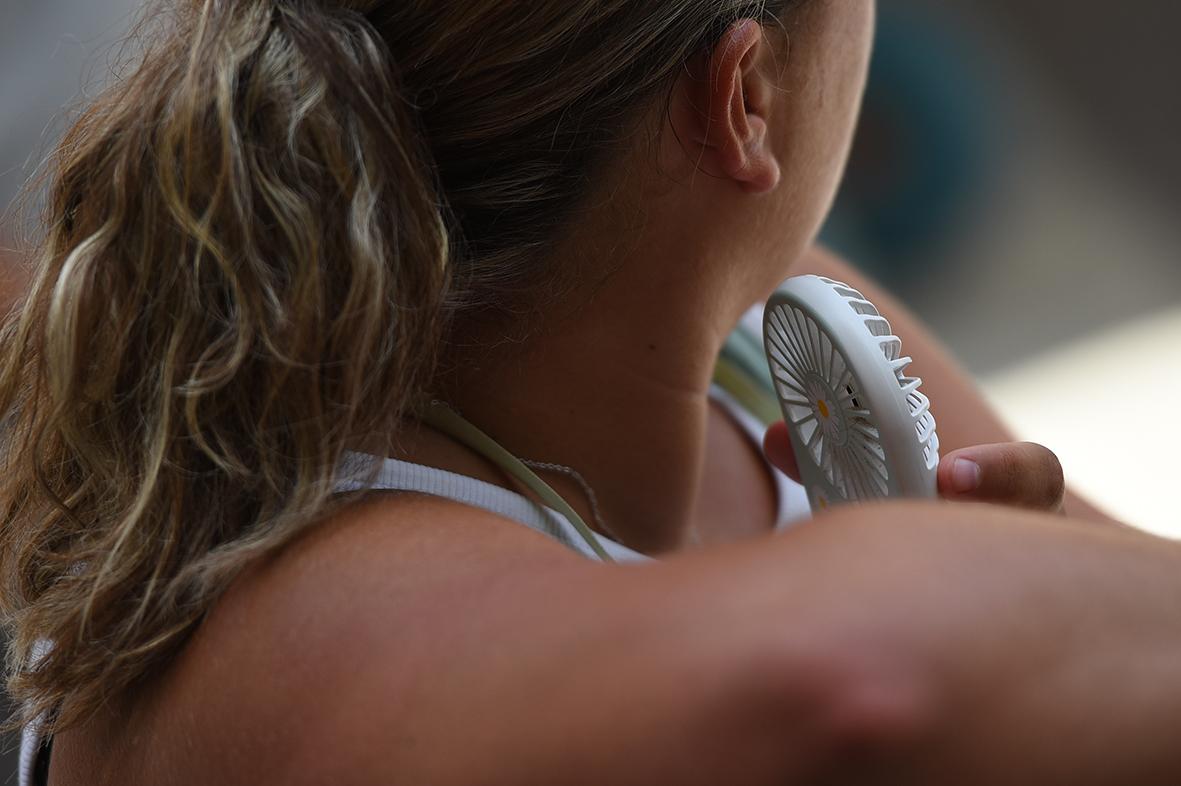 Temperatures are heating up, and people are increasingly relying on mechanical cooling to stabilise themselves. Photo: Chris Sant Fournier
Tropical nights and unbearable heat
As the summer approaches, the number that gets people’s attention is the afternoon temperature peak, which has hit record highs in recent years. However, Pace says people should be paying more attention to the overnight low.
“When the temperature fails to drop below around 20ºC at night, what is called a tropical night, our houses lose their natural chance to purge the heat they would have absorbed during the day,” he says.
Summer nights are not as cool as they used to be. According to data from the European Environment Agency’s Climate-ADAPT platform, the number of tropical nights in a year was largely below the 1991-2020 average throughout much of the 20th century.
However, as Malta entered the late 2010s and early 2020s, the number of tropical nights a year has swung largely above the average.
Projections for the coming decades show that summer nights will only become warmer, even if global emissions remain moderate.
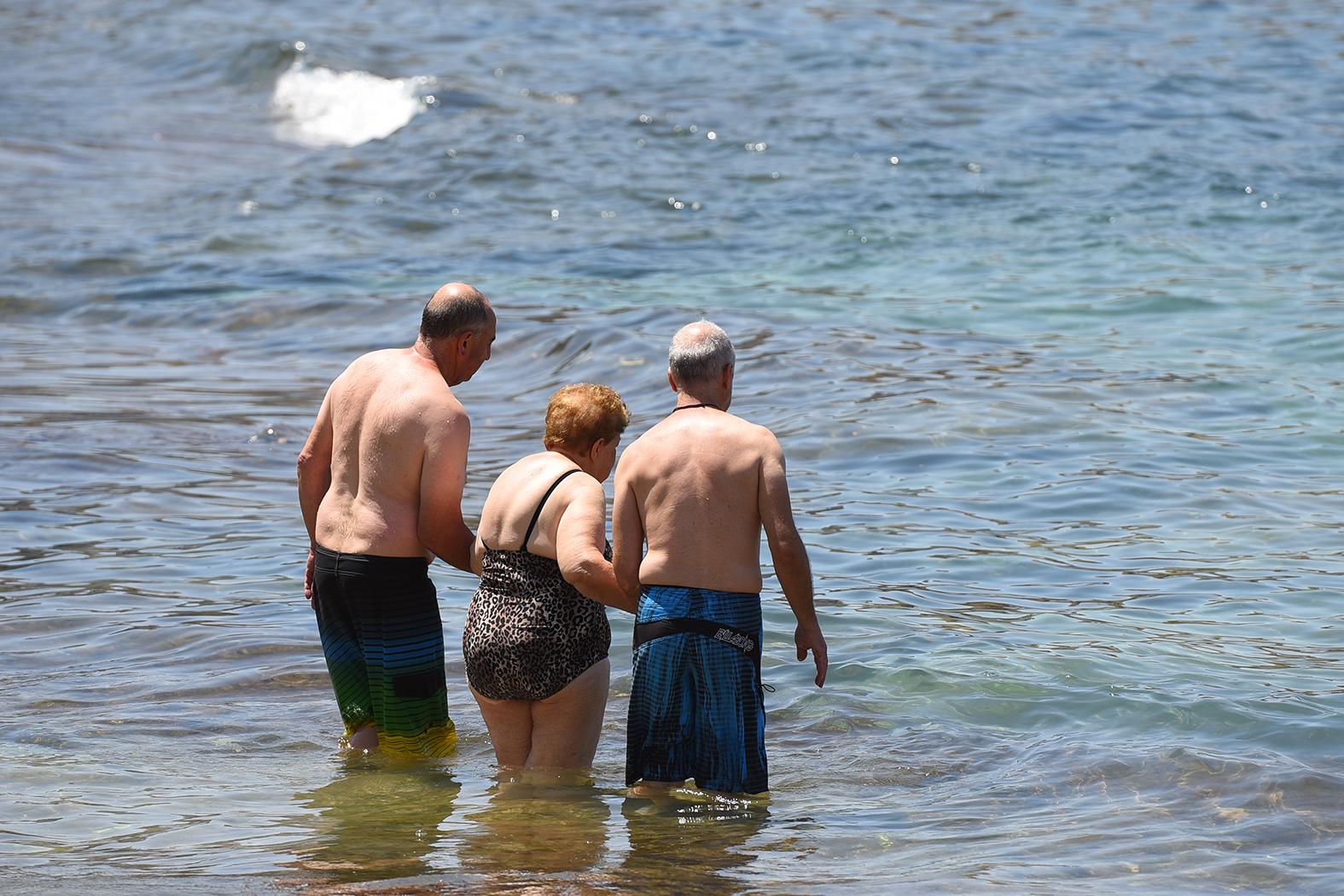 The elderly are especially vulnerable to extreme heat. Photo: Chris Sant Fournier
Risks for the elderly
These tropical nights can become a public health issue. Pace explains that, during a tropical night, when houses lose their natural chance to purge the heat absorbed during the day, the occupants of the house face heat stress in the afternoon and right through the night.
“That is a thermal comfort problem, but in vulnerable groups such as the elderly, it becomes a health-related one.”
During an intense heatwave in the summer of 2023, health authorities registered 80 ‘excess deaths’ caused by the high temperatures. Some deaths were linked to heat exhaustion and dehydration, but the number also included deaths of people suffering long-term conditions, such as respiratory diseases, who had their condition exacerbated by the heatwave.
In another July heatwave in 2024, six elderly people were admitted to the hospital because of health conditions that were exacerbated by the intense heat.
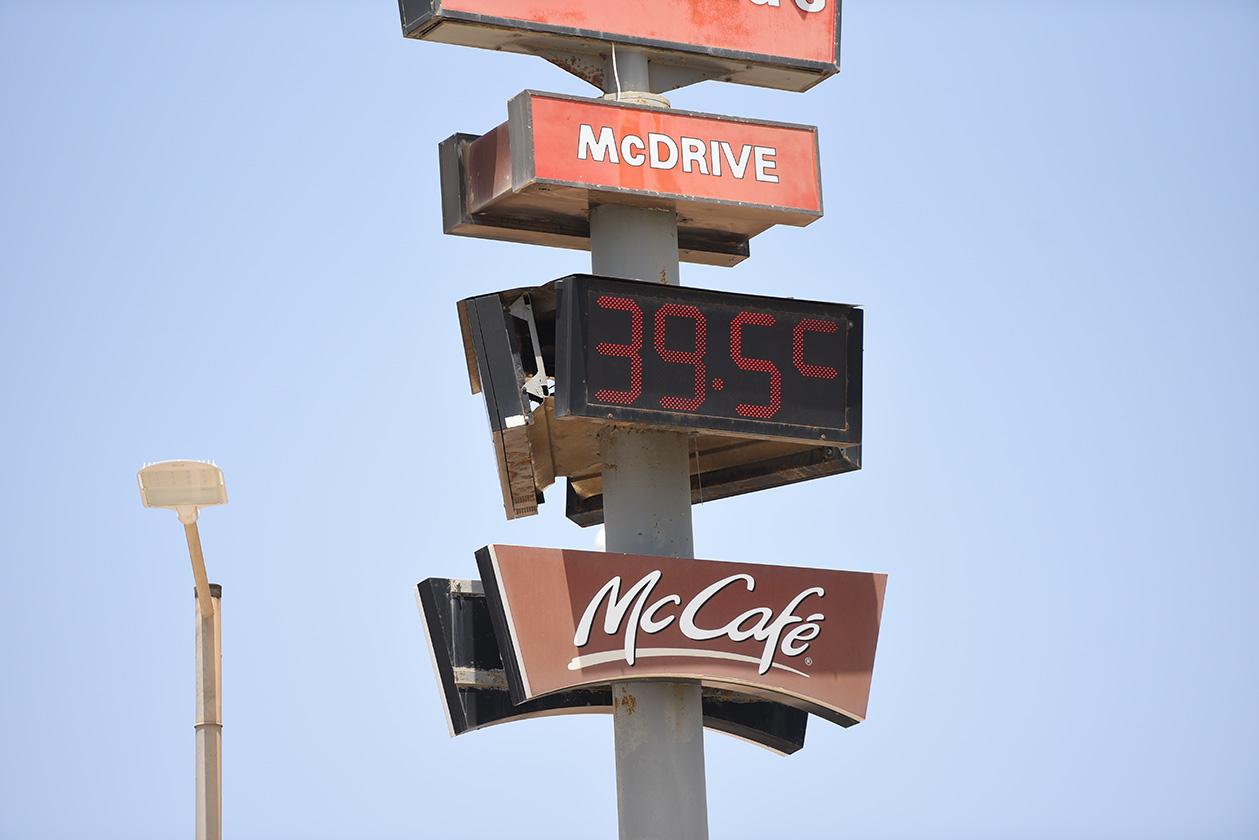 40°C heat is not as uncommon as it once was. Photo: Chris Sant Fournier
Is this sustainable?
Pace said modern houses remain liveable insofar as households can afford to run the cooling and the grid can carry the load when everyone does.
The affordability question hangs like a Sword of Damocles, especially as global conflicts push up energy prices. Since 2024, the government has insisted on subsidising electricity and fuel to shelter people from the price hikes. This year alone, the government is expecting to pay out between €80 million and €100 million.
The rhetoric has been clear: these subsidies will stay in place for as long as necessary. This, despite warnings from the European Commission and the Central Bank that Malta ought to phase out the costly subsidies.
The remaining question concerns capacity. Enemalta has upgraded its electricity network in recent years to cope with the intense energy demands of the summer heatwaves. However, few people have forgotten the 2023 heatwave that exposed major shortcomings in the supply system. The persistent heat penetrated the ground and impacted underground electricity cables, leaving several localities without power during a heatwave, at times for more than 24 hours. If energy demands outpace supply again, the problem could creep back.
MDA: Modern homes meet modern requirements
Michael Stivala, the president of the Malta Development Association, agrees that traditional homes have characteristics that respond well to the climate and contribute positively to thermal comfort.
However, he also points out that modern buildings must meet different requirements, expectations and regulations.
“Today’s homes must satisfy structural, safety, accessibility, energy efficiency and lifestyle requirements that differ significantly from those of previous generations,” he says.
He also points to the existing energy performance regulations that developers and designers must comply with, which include requirements on insulation, glazing, energy efficiency and overall building performance.
“That said, there is no doubt that Malta’s climate is changing,” he says. “This reality requires continuous adaptation by all stakeholders, including developers, architects, engineers and policymakers.”
He said the MDA is open to discussions around increasing summer comfort and climate resilience, so long as the measures are “practical, scientifically justified and introduced in a way that balances environmental objectives with housing affordability”.
“Any future requirements should focus on measurable building performance and outcomes rather than prescribing specific construction methods.”
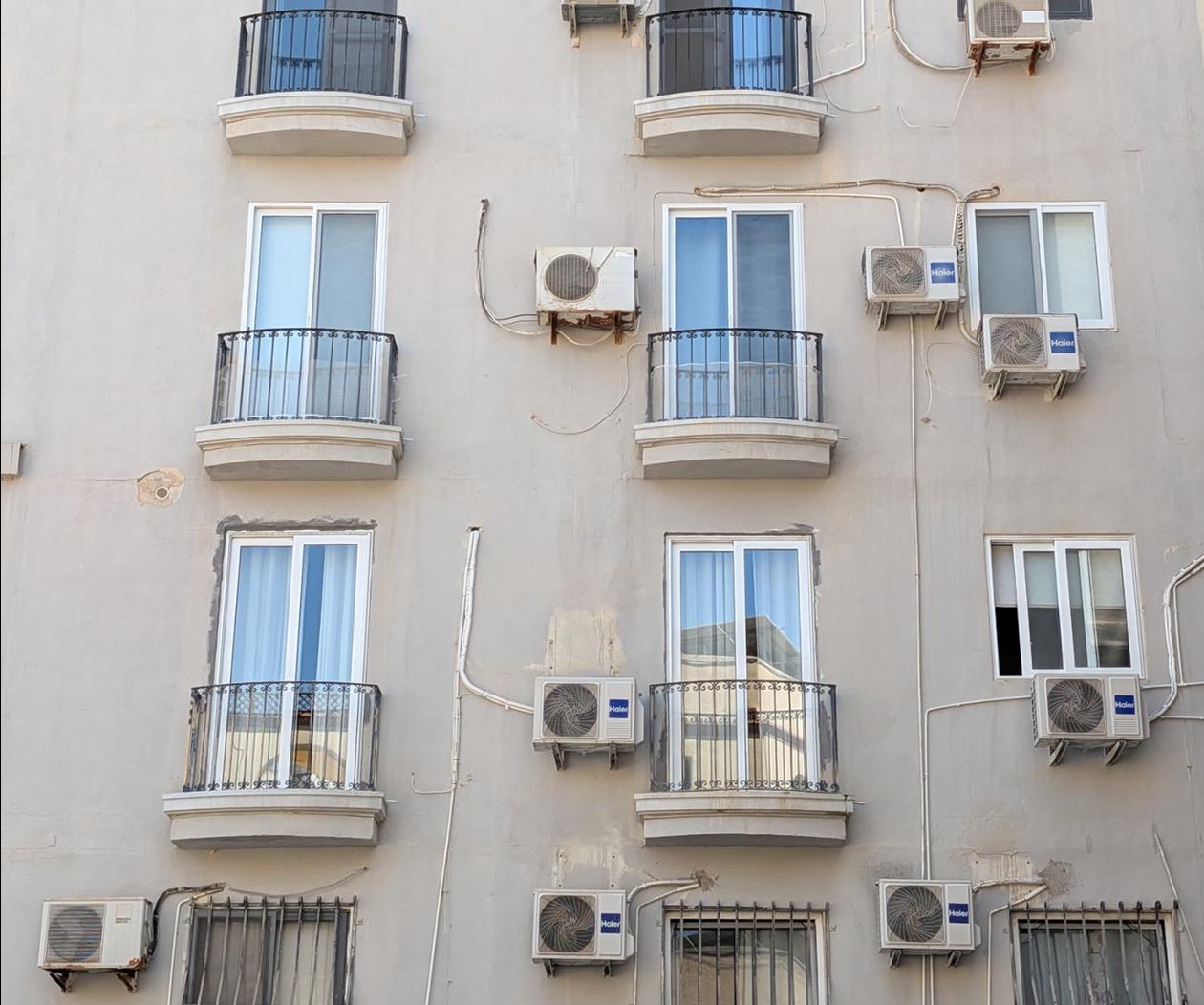 Air conditioning has become a must-have feature in modern Maltese homes. Photo: Chris Sant Fournier
Learning from the past
Future housing solutions do not have to depend on air conditioning alone. As a solution, Pace suggests borrowing principles from the past.
“Vernacular Mediterranean architecture took the opposite path,” he says.
Pace points to the thick limestone walls of older houses of character, which absorb heat slowly and release it gradually. Meanwhile, internal courtyards, high ceilings and shaded façades all worked together to keep interiors liveable throughout the summer without mechanical help.
“These were not simply ‘decorative’ choices but practical responses to the local climate, refined over generations.”
Pace says much of the accumulated knowledge has been set aside in recent decades for more standardised modern construction. Still, those principles could be recovered and reapplied to modern homes in a way that suits the climate realities of 21st-century Malta.
“The encouraging part is that the principles are not lost because they are still legible in our older building stock – that part of it which has not yet been demolished!”
Stivala also agrees that a well-designed building ought to incorporate appropriate insulation, solar shading and other passive design measures that would require less cooling energy.
“The objective should not be to eliminate air conditioning, which is increasingly necessary during periods of extreme heat, but to ensure that buildings are designed in a way that minimises reliance on it and reduces overall energy consumption.”