Planning policies 'do not sufficiently safeguard' Valletta, UNESCO warns Malta
Heritage watchdog calls for revisions to local plans and building height rules
A UNESCO committee has concluded that Malta's planning policies "do not sufficiently safeguard" Valletta and its world heritage status and has advised the government to revise local plans and rules for tall buildings in the area.
A recent meeting of a United Nations committee tasked with protecting world heritage concluded that urban development in and around Valletta “remains a cause for concern,” and that current policies and regulations “do not sufficiently safeguard” the city.
According to a document published this month, the committee recommended the government revise a ‘views and vistas analysis’ for the area, the 2006 North Harbour Local Plan, 2022 Grand Harbour Plan and a planning policy regulating building heights.
Those revisions should introduce height controls within and around Valletta and further along plans for a buffer zone round the capital, in particular focusing on the north side facing Manoel Island which the committee said had “high development potential”.
On Manoel Island, it recommended that a 2021 master plan be subjected to a “comprehensive” heritage impact assessment before “any decision” is made about development on the island or works are started.
Details of future projects, meanwhile, should be submitted to the World Heritage Centre, the committee said.
The recommendations were listed in a World Heritage Convention document following a committee meeting earlier this month.
It noted that international conservation NGO the International Council on Monuments and Sites had also recommended that a conservation plan for Valletta’s Evans Building be updated to “more explicitly define the acceptable limits of change”.
The Evans Building, located near Fort St Elmo at the tip of Valletta, was built in 1952 originally to serve as university laboratories, but with expansive views of the Grand Harbour is considered prime tourism real estate.
Last year, Valletta residents voiced their disappointment when the government announced plans to award Valletta Luxury Project a 65-year concession for the building – located in a primarily residential area – for an annual rent of €1.2 million.
UNESCO requested the government submit an updated conservation report for Valletta by the start of December next year, for examination by the World Heritage Committee at its 49th meeting.
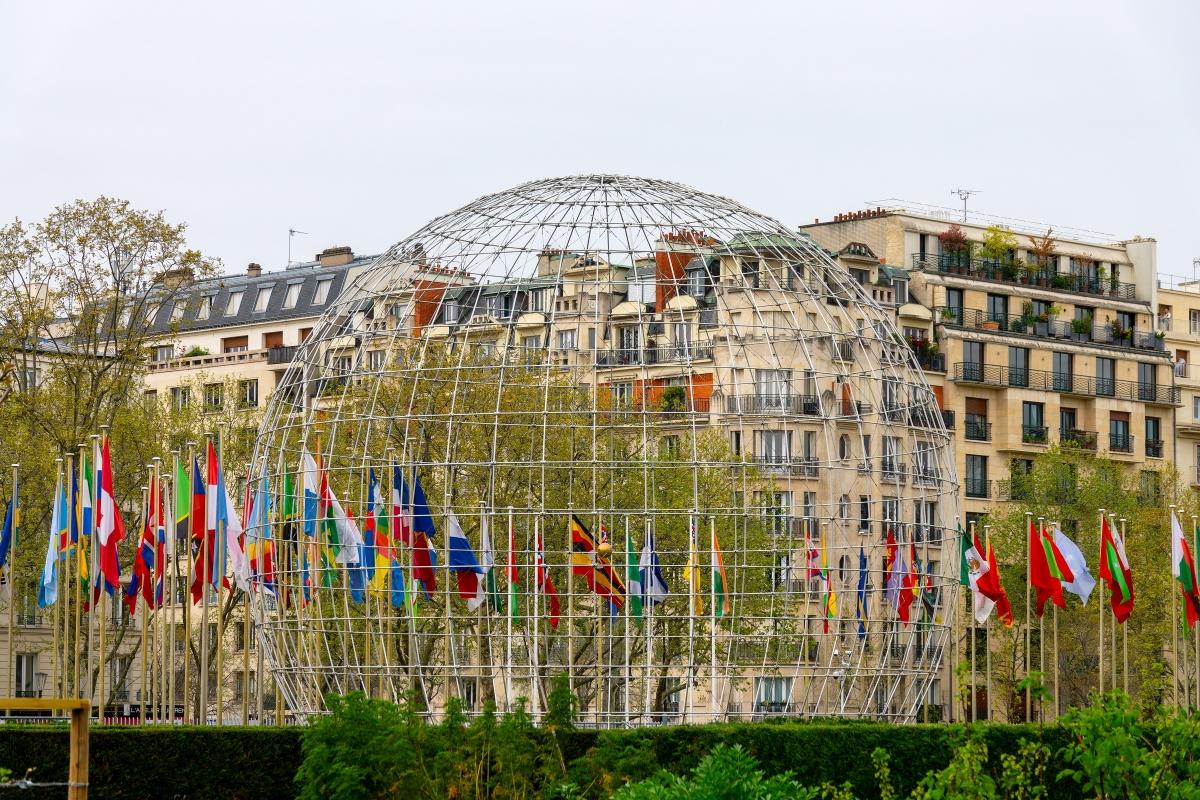 UNESCO, headquartered in Paris, suggested revisions to Malta's local plans and policies governing building heights around Valletta. Photo: Shutterstock.
Pointing to recent successes, the committee welcomed the government’s submitting of a draft management plan, views and vistas analysis, buffer zone proposal and submissions of impact assessments for projects that could affect Valletta’s ‘outstanding universal value’.
The committee noted that while the government had made “significant progress” in addressing issues facing the capital, “further improvements are needed”, however.
Improvements “should focus on managing development... particularly through the establishment of an appropriate buffer zone, the amendment of relevant planning policies and frameworks”, it said.
Other proposed improvements included “the effective management of tourism pressures and the enhancement of the property’s liveability to support long-term, permanent inhabitation”.
Reacting to the committee’s findings, conservation NGO Flimkien għal Ambjent Aħjar (FAA) said UNESCO’s “broad call for review of Malta’s planning policies re Valletta is radical”.
“This is the second time that the Valletta Management Plan and Buffer Zone have been rebuffed by UNESCO,” said FAA, adding it was confident it could "offer collaboration to government authorities to draw up plans which meets all UNESCO guidelines".
The NGO noted that studies undertaken by FAA had been made available to the world heritage committee, noting UNESCO had incorporated all its concerns.
“Valletta is a cherished site... The Maltese government has a global responsibility to preserving its unique character and cultural legacy which requires proactive planning, responsible development, and continuous collaboration between local authorities, international bodies, local NGOs and the community.”