Quality of life is also the liberty to take a safe dip
The classification of 15 bathing sites across Malta and Gozo as having poor water quality cannot be dismissed as an isolated incident, says Peter Agius
Quality of life was one of the central themes of the recent electoral campaign. The Labour Party repeatedly pledged that it would listen to the concerns of the electorate and take concrete action to address them. It also promised to move beyond measuring success solely in economic or monetary terms, adopting instead a broader approach that takes into account people’s quality of life.
The new government has its work cut out from day one. As temperatures rise and beaches fill up bathers are being warned not to take a dip at some of their favourite beaches because the water has been certified as being of poor quality.
Last week, the Environmental Health Directorate classified 15 bathing sites across Malta and Gozo as having poor water quality. Among them were some of the country’s most beloved bays and swimming spots, including areas around Għajn Tuffieħa, Ġnejna, Golden Bay, Balluta Bay, Marsalforn, Ramla Bay and Ħondoq ir-Rummien. Out of 87 bathing sites assessed, 15 were classified as poor.
For a country that depends so heavily on tourism and promotes itself internationally as a pristine Mediterranean destination, these findings are deeply concerning.
The classification of 15 bathing sites across Malta and Gozo as having poor water quality cannot be dismissed as an isolated incident. It points to a systemic problem that has persisted for years. Yet, nothing is ever done about this problem.
I have written extensively about this issue and followed it closely for several years, driven by a genuine concern about its implications, particularly the potentially serious risks it poses to public health.
Swimming in contaminated waters can expose people to serious illnesses, so why haven’t we addressed the issue yet? How many warnings do we need before we take the necessary action to make this problem something of the past?
We have seen similar stories repeatedly over the years, one summer after another, beaches temporarily closed, pollution alerts are issued and investigations are launched. Then, after a few days, the headlines disappear until the next occurrence.
Swimming in contaminated waters can expose people to serious illnesses- Peter Agius
What makes this even more frustrating is that the government continues to behave as though these incidents are unfortunate exceptions rather than symptoms of a deeper failure.
If 15 bathing sites receiving poor classifications does not ring alarm bells, what exactly would?
The prime minister has announced his cabinet of ministers and their respective responsibilities this week and retained Minister Miriam Dalli at the helm of the environment portfolio. While wishing Dalli the best, I wonder what message he must be sending, as people are asked to think twice before taking a dip at their favourite swimming spot and another 14 beaches.
Does this message suggest that the government is satisfied with the state of environmental governance in Malta? Does it imply that no significant change in direction is needed?
After years of recurring environmental concerns and mounting challenges, one would expect a greater sense of urgency. Instead, what we are witnessing is quite the opposite.
Accidents will happen. No one can reasonably expect every incident to be prevented. However, when such accidents occur with increasing frequency and alarming regularity there is a real risk that they become normalised.
When 15 bathing sites are classified as having poor water quality, many Maltese and Gozitans will reasonably question whether those responsible are giving the issue the attention it deserves. Environmental stewardship is not measured by promises but by tangible results. At present, those results tell us that something is fundamentally not working.
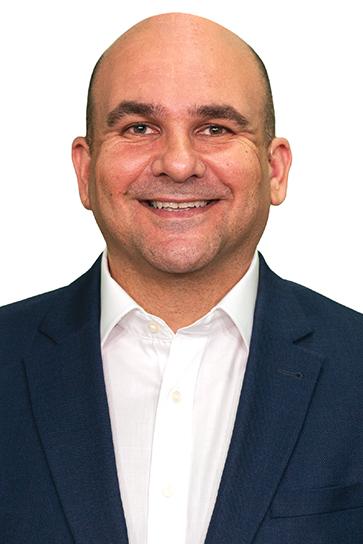
Peter Agius is a Nationalist Party MEP.