Racist attacks fuel fears election campaign emboldened xenophobia
Victims and community figures say campaign rhetoric about foreigners and Muslims spilling into everyday life
A Bangladeshi man spat at in Marsascala, anti-Muslim leaflets in Paola and racist comments aimed at children have fuelled concerns that Malta’s electoral campaign may have emboldened xenophobic abuse.
Racially charged issues surfaced at key points during the campaign.
The candidacy of prospective Maltese-Muslim MP Omar Rababah was met with a deluge of xenophobic comments, with Rababah himself going to great pains to point to his Maltese roots.
Meanwhile, both Robert Abela and Alex Borg swiftly dismissed the prospect of a new mosque being built in Malta, with the latter suggesting this would run counter to Maltese identity.
Abela, on the other hand, boasted to party supporters about how he had found a way to exclude third-country nationals from his party’s key electoral pledge, a €1,000 super bonus.
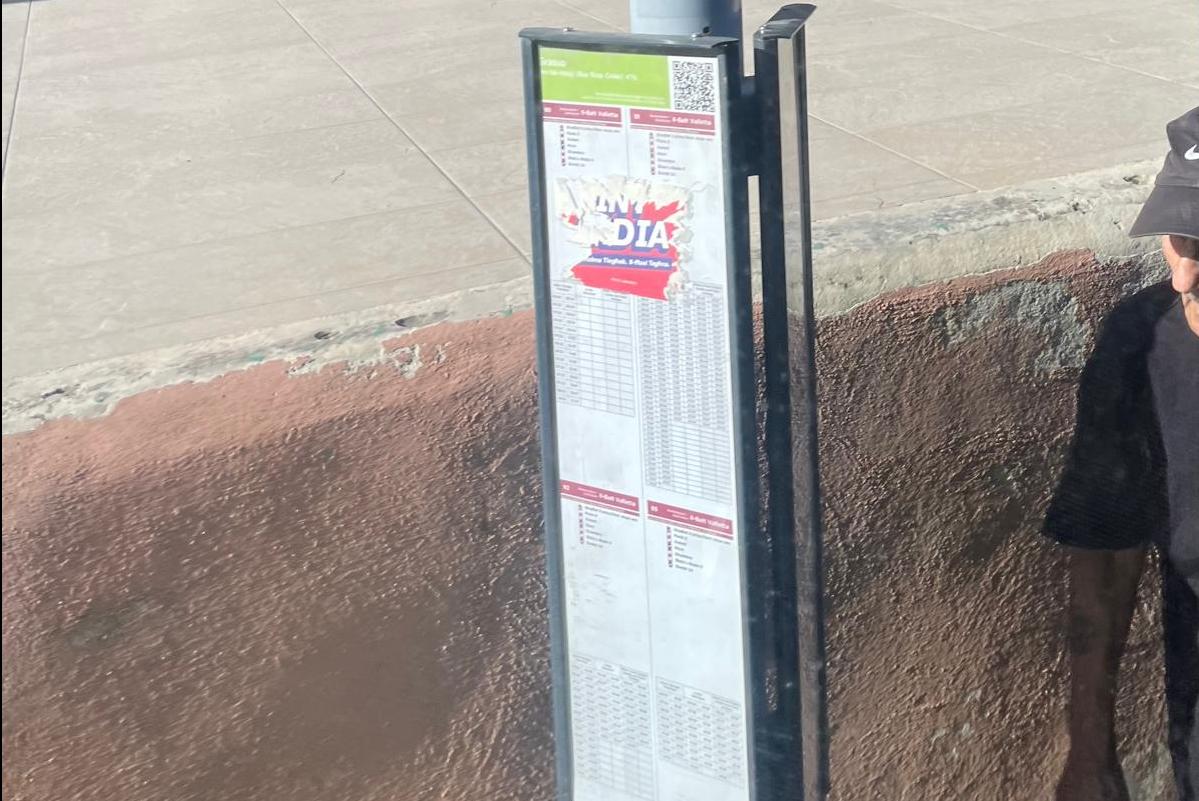 Int India sticker at a bus stop in Paola.
Experts had previously warned that the rhetoric used throughout the campaign risked feeding patterns of hate speech and racism.
With the election now in the history books, racially-motivated insults and attacks appear to be spilling over from the campaign trail and online forums into Malta’s streets.
In one incident last weekend, a Bangladeshi man was walking with his wife in Marsascala when he was spat at by two young men zooming past on an electric scooter.
I would say this is getting worse based on what I’ve seen online and now it’s spilling over into the real world- a Bangladeshi man
When contacted by Times of Malta, he said this was the first time he had experienced an incident of the sort, either in Malta or throughout his extensive travels.
He believes the incident was likely the result of Malta’s political climate, coming just after the end of an electoral campaign in which foreigners were frequently cast in an unflattering light.
“I would say this is getting worse based on what I’ve seen online and now it’s spilling over into the real world,” he told Times of Malta.
Following the incident, the man filed a police report at the Marsascala police station, however, initial investigations drew a blank, with a CCTV camera in the road seemingly out of action.
The victim of the incident is far from the typical migrant travelling to Malta in search of work.
A 26-year-old head of marketing at a large US-based tech firm, he arrived in Malta on a digital nomad visa in January. The digital nomad programme is designed for higher-earning third-country nationals, with an income of over €42,000, to live and pay income tax in Malta for up to four years.
“We don’t fit the bill at all for most of the angst towards foreigners, yet, we are on the receiving end of it,” he said. “I’m not creating pressure on the labour market or stealing jobs, not that it should be an excuse to hate anyone, anyway.”
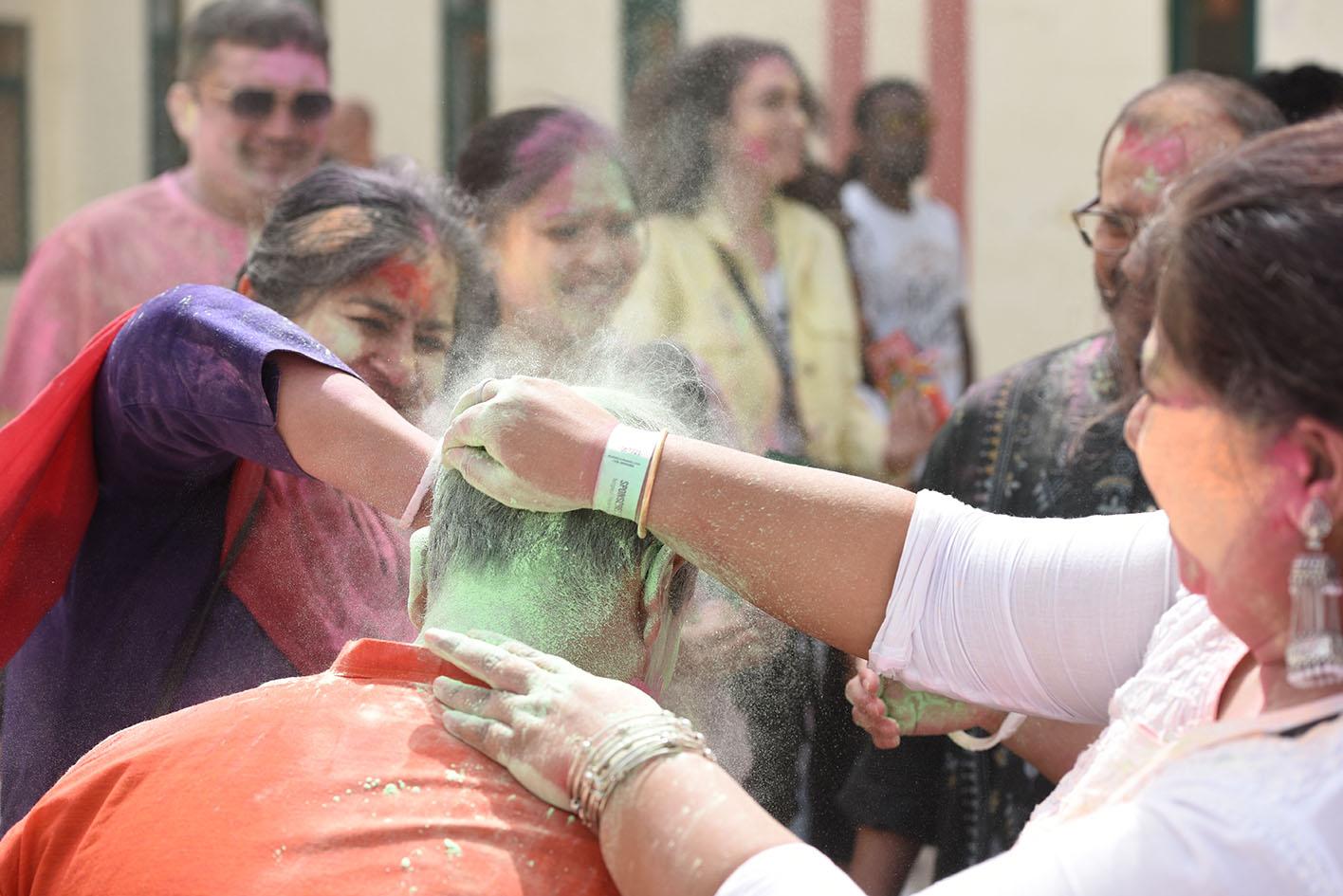 Members of the Indian community in Malta celebrating the Holi festival in Valletta last year. File photo: Chris Sant Fournier
Reported hate crimes remain low
This does not appear to be an isolated incident, although official hate crime figures remain low.
A police spokesperson told Times of Malta that three hate crime reports were filed throughout May and June, two of them linked to the victims’ faith and the third to their ethnicity.
However, it appears likely that several incidents went unreported altogether or were not immediately classified as hate crimes, such as the Marsascala incident, which was filed as a case of grievous bodily harm.
A spokesperson for the refugee council, which brings together several organisations supporting migrants, said their members had recorded several instances of hate speech directed against them in recent weeks, with several people being “afraid to leave their homes”.
“Incidents reported include verbal abuse, threats of violence and vilification of Islam and Muslims. Very often these incidents occurred in broad daylight and were also directed at women and children,” the spokesperson said.
‘Muslims go home’ handwritten leaflets
One man told Times of Malta how he had recently come across several leaflets in the street in Paola inscribed with “Muslims go home” in handwritten script.
Days later, he was riding a bus from Valletta while, just seats away, several young men were loudly discussing applying Zyklon B, the chemical used by the Nazis in the gas chambers during WWII, to foreigners in Malta.
While these attitudes have long existed, the tone of the recent campaign has emboldened people, according to Maria Borg Vella, the mother of two Ethiopian-born children.
Borg Vella recalled her own recent experience when out on a walk with her children in Rabat.
Noticing a man glaring at her children with disdain, she asked if there was a problem. “You must have a problem in your head,” he sneered back, pointing to the children.
“The situation has always been bad, but it’s only gotten worse,” Borg Vella said, describing a “surge” in xenophobic discourse following the news that Rababah would be standing for election.
“Rababah’s candidature exposed what many people have in their hearts,” Vella Borg said. People can tolerate outsiders “as long as they stay in their place. But don’t you dare aspire for a position of power,” she argued.
Borg Vella says this is made worse by the dearth of educational campaigns about racism, while “political leaders fan the flames of racism when they speak”.
“The fact that there is no intervention from anyone in power to stop racist speech means that it will not stop,” she said.
Another woman who spoke to Times of Malta agrees that the ante has been upped since the campaign kicked off.
“I don’t know if there has been a spike in incidents, but I definitely feel like it has revealed more,” she said.
She pointed to the experiences of Muslim acquaintances, some of whom increasingly felt they had to leave the island as attitudes got harsher.
“Eventually, this online hate will turn to in-person hate,” she warned.
“At first, when I saw Omar Rababah being put forward, I thought it’s a massive step forward for Malta,” she said, describing him as “a great social worker and amazing activist”.
However, the move may have backfired, she says, including for Rababah himself. In renouncing the push for a new mosque throughout his campaign, Rababah may have “lost the respect” of many in his own community, she argued.
“Wanting another mosque is not a big ask, considering that thousands of people pile up every Friday in that mosque in Paola,” she said.
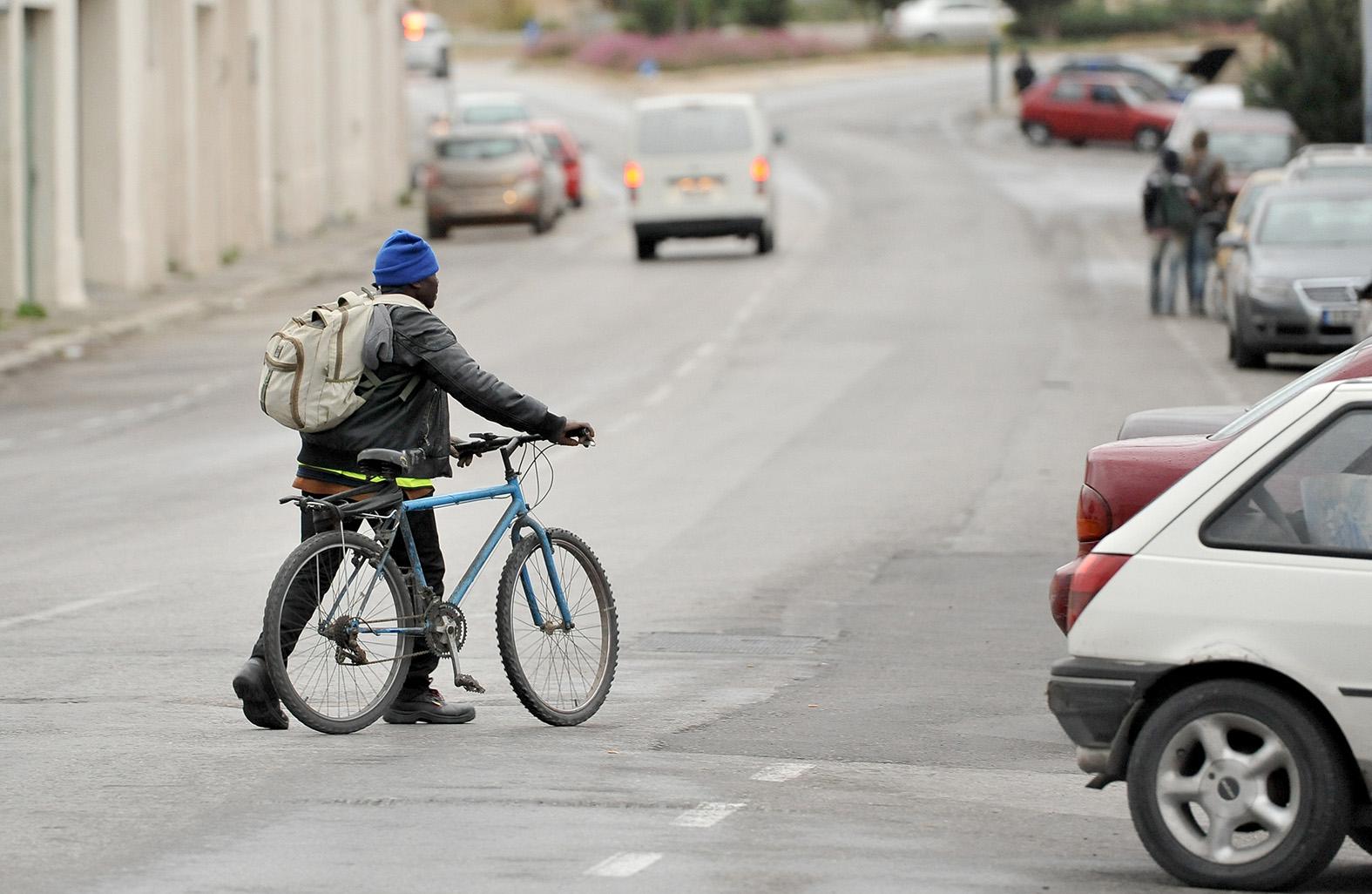 Negative attitudes towards migrants in Malta have been emboldened, community leaders say. File photo: Chris Sant Fournier
Political leaders’ speech can ‘legitimise prejudices’
Academic Louise Chircop, who has worked extensively with migrant children and communities throughout her career, makes a similar point.
“When public figures feel compelled to distance themselves from their Muslim background or emphasise that their children were baptised, it can inadvertently send the message that being Muslim is something that needs to be justified or explained,” she told Times of Malta.
Chircop says “there does appear to have been an increase in anti-Muslim incidents and hostile rhetoric”, particularly on social media, however, this should not be put entirely at the door of political leaders.
“Political discourse has certainly contributed to the problem, although it did not create it. Negative attitudes towards Muslims existed long before recent political debates,” she said.
Nevertheless, “when political figures make statements opposing the construction of mosques or frame Muslim identity as something problematic, they can legitimise prejudices that already exist within society”, Chircop argued.
The refugee council adopts a similar view.
“When political rhetoric makes people afraid to simply walk down the street to attend an English class or visit their lawyer or social worker, it completely cuts them off from the community and sets everyone back,” a council spokesperson said.
This is particularly concerning for refugees, whose “fragile protection” is often under threat “by political statements targeting religious minorities”, they added, calling on both the prime minister and the leader of the opposition “to speak responsibly and appreciate the impact of their statements”.
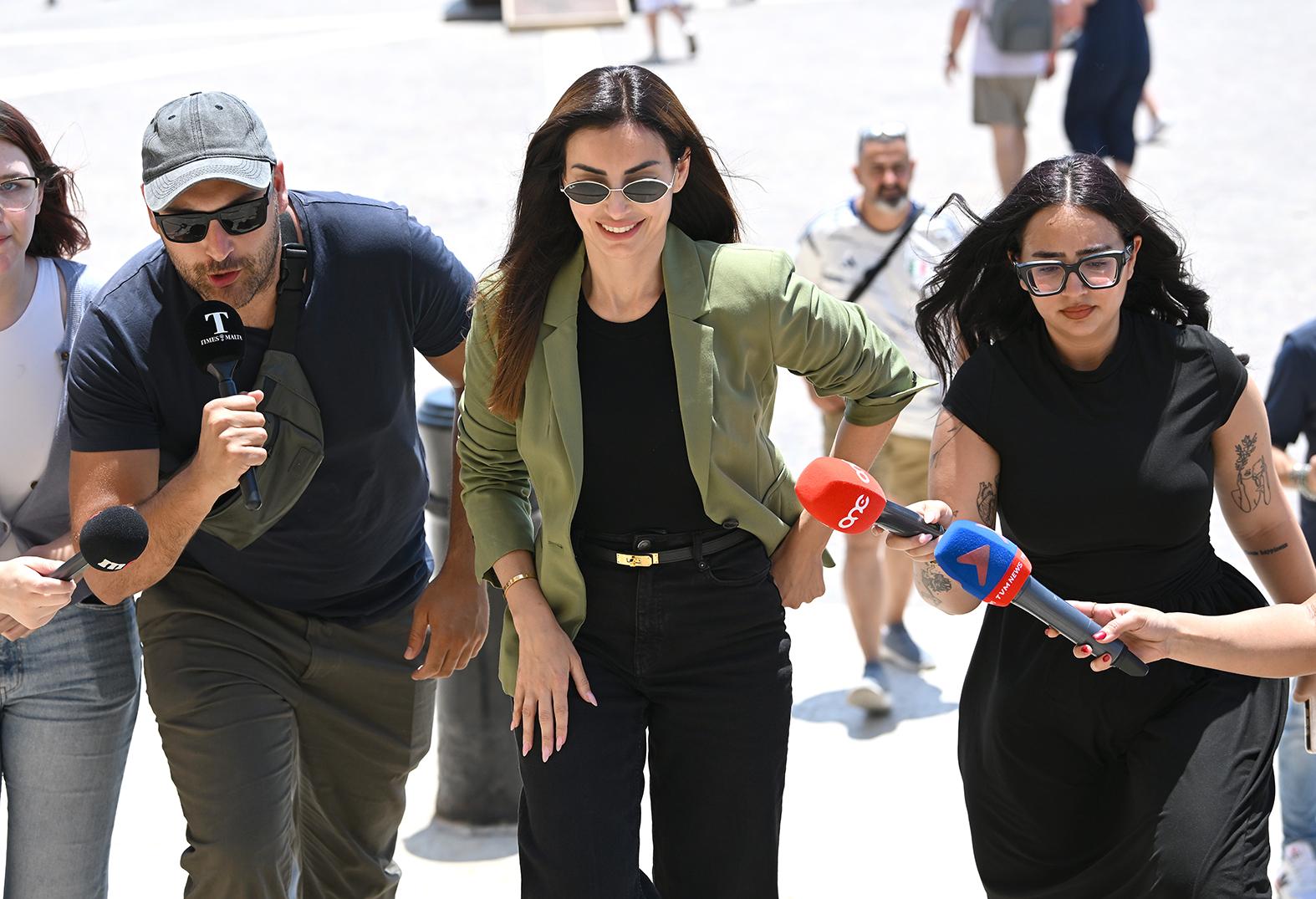 Newly-appointed Equality Minister Rosianne Cutajar last week. File photo: Matthew Mirabelli
Anti-racism action plans yet to leave their mark
Former equality minister and European commissioner Helena Dalli says the government has long been aware of the struggle to put a lid on hate speech, with successive action plans against racism pointing to the problem.
“Discrimination rarely begins with violence; it begins with language. And we need to look at our discourse,” she said.
Dalli says pronunciations made in the run-up to an election need to be taken within the context of a “sui generis” electoral campaign.
However, she admits that politicians need to temper their speech, given they are among the most influential figures in the country.
MPs from both sides of the house should take a leaf out of newly elected MP Nigel Vella’s book and be more vocal in their opposition to hateful discourse, Dalli says.
Writing shortly after a hospital visit, Vella said he was sad to see that some people treated hospital workers with a lack of respect, particularly when they are foreign.
There are lines we cannot cross, even when we strongly disagree- Rosianne Cutajar
“Regardless of who they are or where they’re from, these people are here to help us and deserve respect and praise,” he wrote on Facebook.
Responding to questions, newly appointed Equality Minister Rosianne Cutajar vowed that the government would “adopt a zero tolerance approach to all forms of racism and hate”.
Cutajar said that, while it was important for social issues such as immigration, population and social cohesion to be discussed, this needs to be done within the parameters of decency and respect.
“There are lines we cannot cross, even when we strongly disagree,” she said.
“I don’t think hate speech throughout the electoral campaign, especially online, was any more prevalent than usual,” Cutajar said. Nevertheless, she called on victims to report any incidents to the authorities, including the police and the Victim Support Agency.
More broadly, Cutajar admits that there is “still a lot of work to be done” in this field, with politicians also set to come under the knife as part of the action plan against racism being implemented by the human rights directorate.
The plan promises to develop a code of conduct for election candidates, with political parties “encouraged to adopt the code of conduct and implement policies on discriminatory discourse”.