Why the Rule of Law matters
The US federal judge who resigned, and a dumb award in Malta
The Rule of Law is currently under attack, ignored and even occasionally mocked. Both national laws and international law are being flouted at will. Often the attacks are subtle and hidden, but not always. Those in power pretend to safeguard it, but then recklessly undermine it as best suits their immediate convenience and advantage.
The Rule of Law requires that laws be properly enacted, published and made known. They are to apply and to be enforced equally. Everybody, including persons, corporations and institutions, are subject to these laws and are held accountable to them.
Laws are to be enforced and adjudged by an independent judiciary. In our constitutional framework, it comprises the various checks and balances embedded in our system of governance. These do not always work well. Their ultimate purpose is not to protect those one who wield power, but us, the citizens.
Admittedly, it often does not feel that way, and governance has regularly been found unsatisfactory and dysfunctional. In this system, legislators have a duty to check the executive, though we find several who magically manage to combine the two.
The Rule of Law requires that we are all subject to the law and that there is broadly no place for immunities, pardons and impunity. It also assumes that there is a free press that can have access to any relevant official information and is allowed to exercise oversight over power.
Let us now consider briefly two recent instances from the US which can help us better understand how these high principles might fail in actual situations: a timely reminder and warning of how easy it is for things to go terribly wrong.
In November 2025, The Atlantic published a long, articulate and passionate essay by a federal US judge who had just resigned, explaining his reasons. The judge accused President Trump of “using the law for partisan purposes, targeting his adversaries while sparing his friends and donors from investigation, prosecution, and possible punishment.”
He added that the “the White House’s assault on the rule of law is so deeply disturbing to me that I feel compelled to speak out. Silence, for me, is now intolerable.”
Comparing today’s situation with that under President Nixon he concludes that “What Nixon did sporadically and secretly, knowing it was wrong, Trump now does regularly and openly.” (Why I Am Resigning - A federal judge explains his reasoning for leaving the bench. By Mark L. Wolf, The Atlantic, 9 November 2025).
Unrelated to this resignation, but in a similar vein, a leading US media outlet recently reflected on the dire situation in the US:
“Could this conceivably be legal? Of course not. But legal no longer factors into the mix. Now, it’s just about what you, and he, and they, can get away with. Rule of law? C’mon, that’s so last century. The law is now effectively defined as whatever you can get away with. You’ll notice that no one seems capable of stopping this latest piece of authoritarian horror. Trump just does it. Who knew there would be no consequences for brazenly defying all rules of moral and ethical behaviour at the highest levels of government?”
Regrettably, many people fail to appreciate the importance of the Rule of Law. The Rule of Law is not some fanciful notion for lawyers and academics to play with or write about. It is not some attractive slogan or mantra. It should interest us all because it impacts everybody.
“What’s for lunch?” A country of dumb comments and dumb awards
During a mid-day break in the current long-awaited jury trial for the murder of Daphne Caruana Galizia, the former Police Commissioner, a witness, was being ushered to a room to have lunch while remaining in isolation.
A lawyer for the defence reportedly passed what he must have thought was a timely jovial comment. “What’s for lunch?” he joked.
Hilarious, wasn’t it? What a solemn sense of occasion, because murder trials are jovial affairs between friends, aren’t they? A trial bringing up irrefutable evidence of human evil and depravity, of murder most foul, of lies, of corruption, of conspiring policemen, is for some an occasion for mirth and jokes. Facebook-level humour in the courtroom.
Now this lawyer, who has already made a name for himself perhaps for the wrong reasons, this time deserves an award. For the most facetious, untimely, inappropriate, unfunny and dumbest remark of the year.
It was also reported that the presiding judge ignored the comment. Maybe she shouldn’t have. Incidents like this further undermine the credibility of the legal profession. In a country drowning in fake awards created for the benefit of sundry non-achievers and complete unknowns, what harm can another dumb award do?
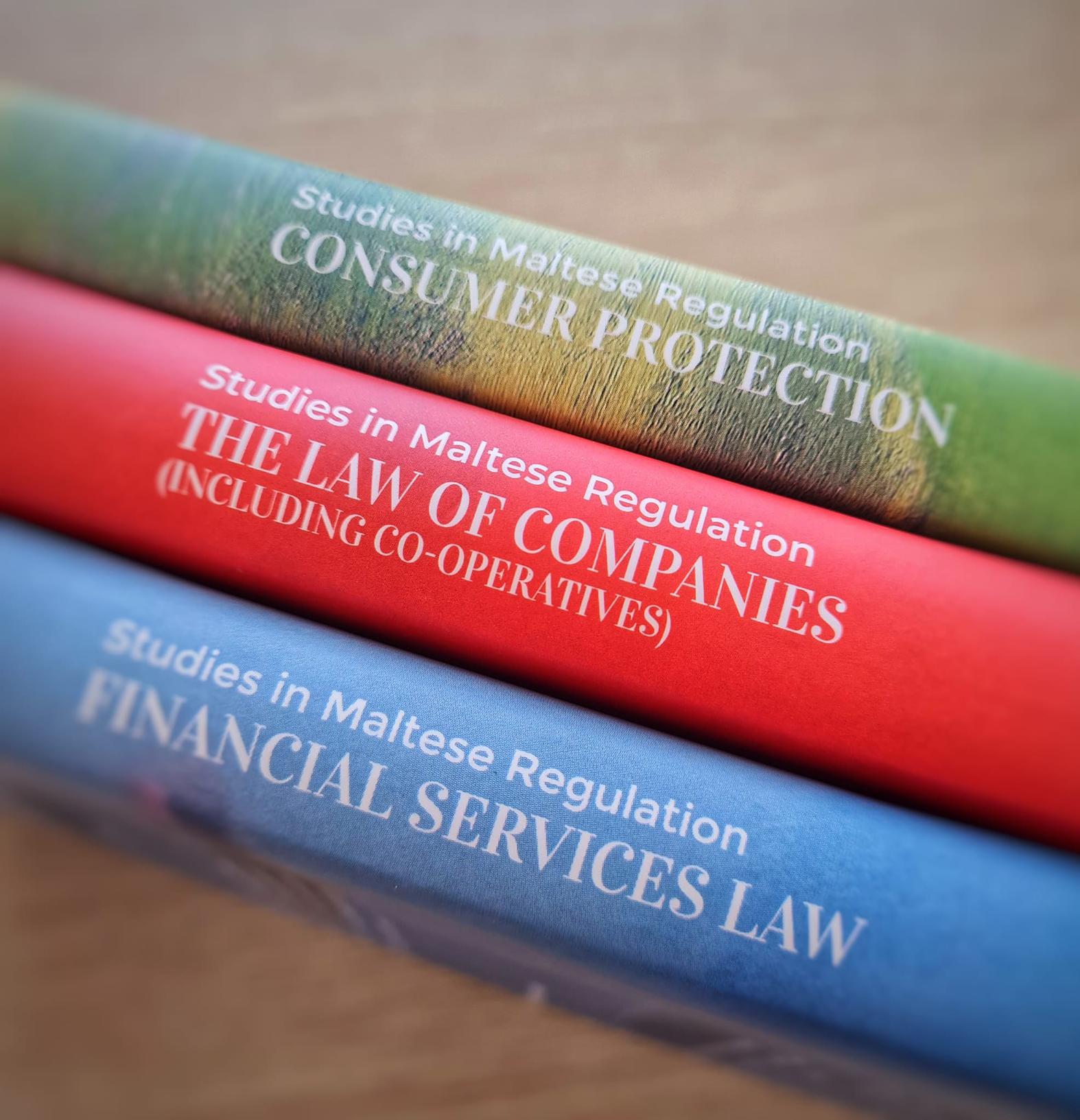
David Fabri teaches law at University and has authored three books on Studies in Maltese Regulation. These opinion pieces are meant for educational purposes and to promote the exchange of ideas about law and governance.