State of the Nation conference to explore Malta’s identity in 50 years’ time
Sixth annual edition will examine demographic change and the country’s long-term future
This year’s State of the Nation conference will explore what Malta’s population, society and national identity could look like in 50 years’ time.
The sixth annual edition will be held at Verdala Palace in September under the patronage of President Myriam Spiteri Debono.
Led by consultant Lou Bondi and statistician Vincent Marmara, the event will bring together speakers and panellists to discuss demographic change and its implications for Maltese society, culture, infrastructure, healthcare, education and the economy.
Launching the conference at the President’s Palace on Monday, Bondi said the initiative had become established on the national calendar by combining a scientific survey with a conference examining the deeper forces shaping the country.
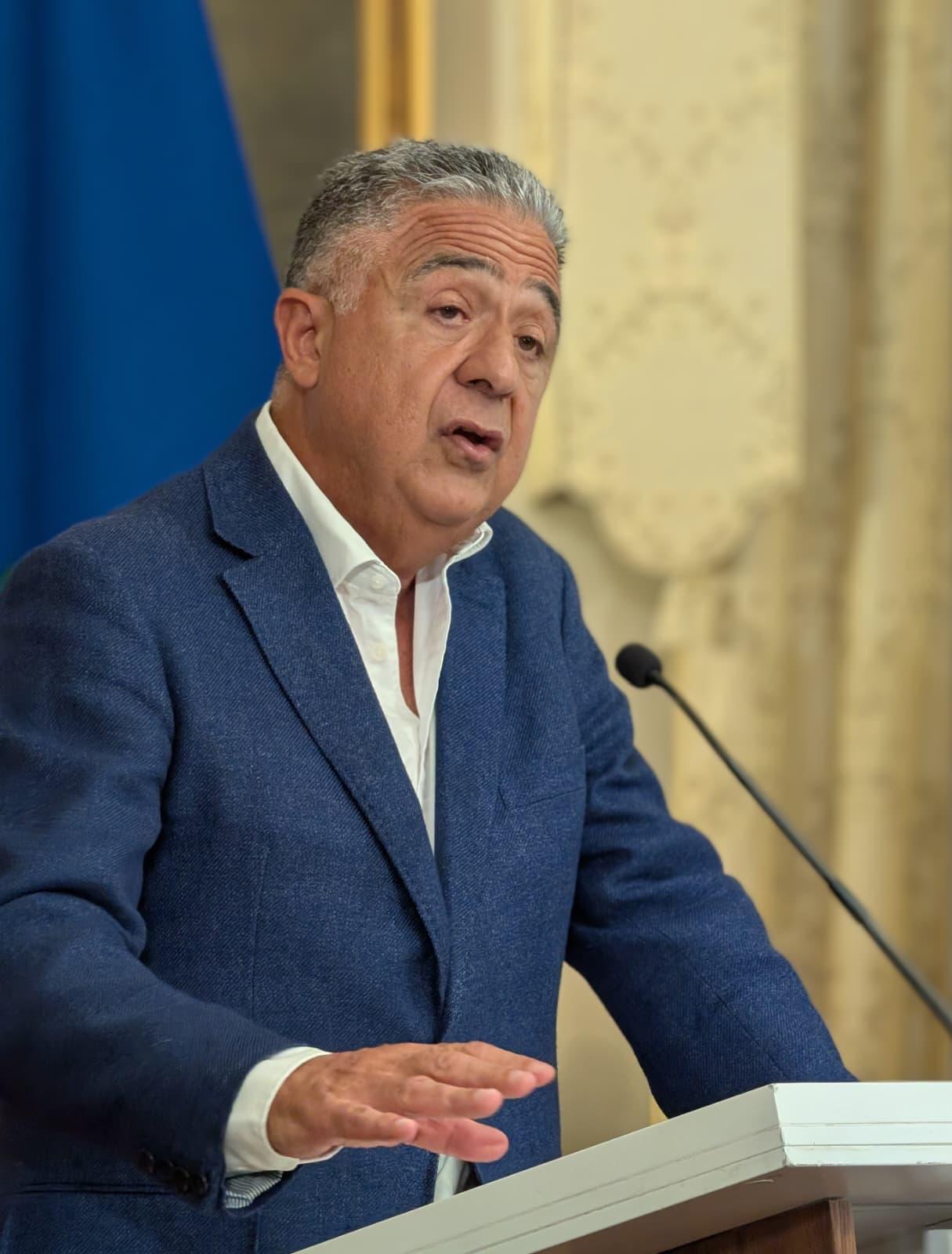 The study is co-led by consultant Lou Bondi. Photo: Chris Sant Fournier
“The State of the Nation” referred not only to the condition of Maltese society but also to the principle that the state belonged to the entire nation and should reflect its values, he said.
The annual survey repeats a number of questions each year, allowing researchers to identify trends in how people’s attitudes, values and sense of identity are changing.
Bondi said its aim was not simply to measure public opinion on the issue of the moment, but to understand what lay behind those opinions.
The country was experiencing major social and demographic changes whose full significance had yet to be understood, he said.
These included changes in the population, the influence of social media and new technologies, and their possible impact on society and democracy.
The conference will include several panel discussions and contributions from Prime Minister Robert Abela, Opposition leader Alex Borg, European Parliament president Roberta Metsola and Archbishop Charles Scicluna. It will be opened and closed by the President.
As with previous editions, the event will also unveil the findings of a scientific survey conducted by Marmara to “read the pulse” of the nation.
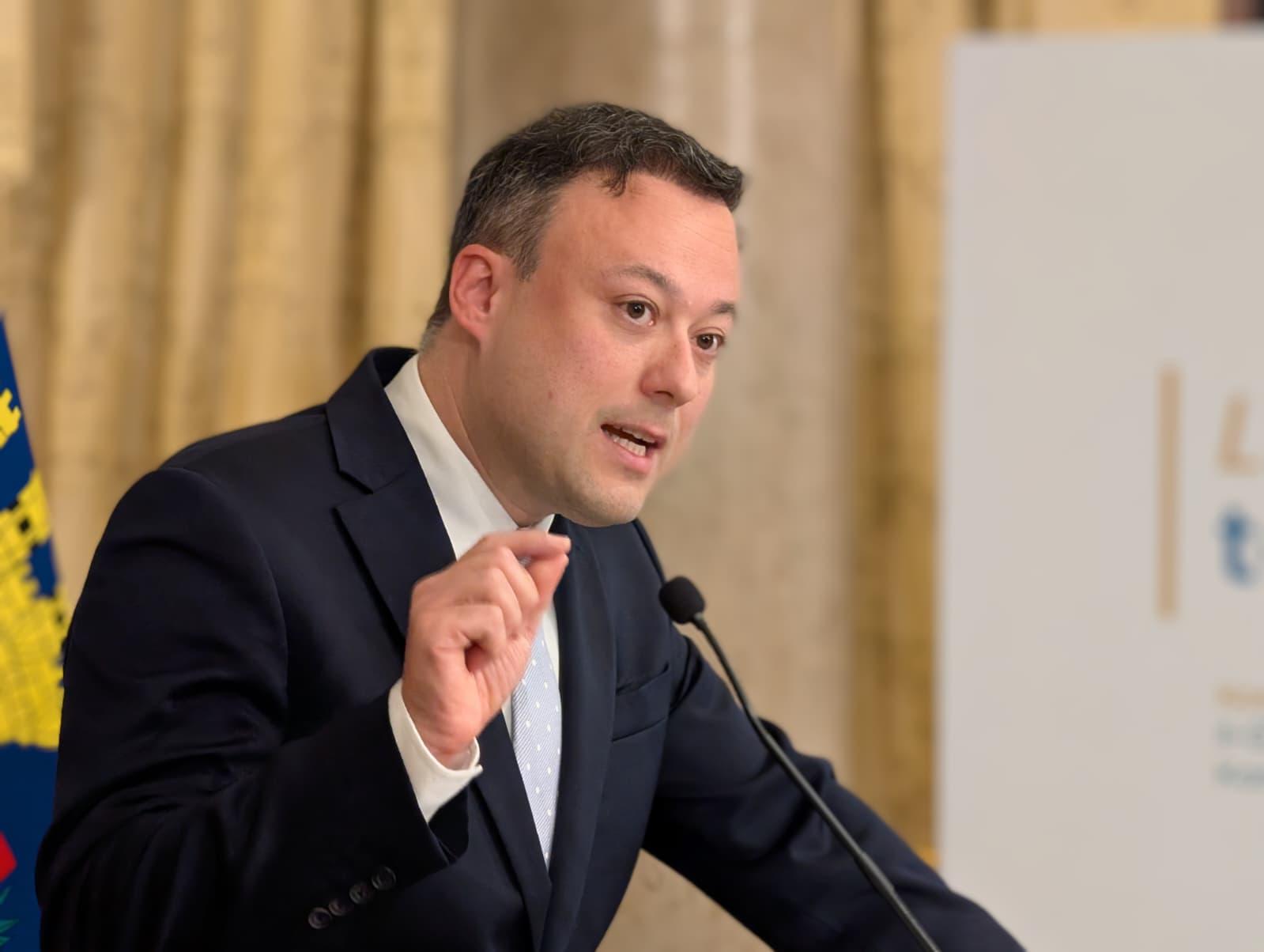 Statistician Vincent Marmarà. Photo: Chris Sant Fournier
Marmara said carrying out the study annually offered a unique opportunity to analyse trends and understand how the population was changing.
Previous findings showed that Maltese people continued to value their culture, while around one-third did not agree with importing foreign workers to perform jobs Maltese people were no longer willing to do.
Religious faith remained present, he said, although religion’s role in everyday life was changing, particularly among younger generations. Interest in politics was also declining.
The family, however, had remained a firm pillar of Maltese society.
Marmara questioned how society could continue describing the family as its core while allowing outside pressures, including social media, to take up an increasing share of people’s time and attention.
He said the country’s future success would depend on its ability to think and plan over the long term.
“This is not a conference about numbers. It is a conference about the Malta of the future and about our way of thinking,” he said.
Against the backdrop of Malta’s low birth rate, the conference will ask what the country could look like in five decades should current demographic trends continue.
It will also examine how Malta can preserve its identity while responding to economic needs, a changing population and growing pressure on infrastructure and public services.
President Spiteri Debono said the State of the Nation had become an annual fixture over the past six years.
Repeating the same questions each year had created an established system through which researchers could identify nuances in how people thought about developments taking place around them, she said.
The theme of Malta’s population in 50 years’ time could be approached from several perspectives, including the preservation of Maltese identity, the economy and the need to expand infrastructure, healthcare and education.
The findings, she said, provided a solid basis for long-term planning.
The conference on September 4 is open to the public. Those interested in attending can register free of charge by emailing stattannazzjon@gov.mt.