Storm Harry leaves €12m in damage claims, majority from flooding
Water damage made up two-thirds of total costs, as commercial properties bore brunt of storm
Storm Harry caused over €12 million in insured damage, with total losses likely even higher due to claims filed with overseas insurers, industry figures show.
Speaking to Times of Malta, Insurance Association president Catherine Calleja said local insurers had received 751 claims linked to damages caused by January’s heavy storm which devastated several coastal properties.
However, Calleja added the true figure could be “several million euros higher,” with some damages having been claimed with overseas insurers.
The Insurance Association Malta is a not-for-profit organisation that represents the views and common interests of insurance companies.
According to the association’s data, most damages were caused by flooding and other water damage, Calleja said. In total, water damage amounted to a third of all claims, but two-thirds of the total cost.
Almost half (327) of all local insurance claims were related to homes damaged by the storm, although many of these home claims tended to be relatively low in value.
The association’s members received a further 117 other property claims, typically cases of rental properties being damaged.
However, commercial entities typically suffered greater losses, Calleja said, with 204 commercial claims filed in total.
‘Vehicles relatively unscathed’
“The damages to homes tended to be quite low, compared to the few huge commercial claims on properties that were close to the sea,” she said.
Vehicles, on the other hand, appear to have emerged from the storm relatively unscathed.
The storm caused relatively little damage to cars, Calleja pointed out, with just 40 motor claims filed. This could be because there was less flooding in some streets, while hail, often the biggest cause of car damage, was less damaging than usual, she added.
“Although there was some hail around the time of the storm, hail damage was quite minimal, nothing like what it was in previous years,” Calleja said. “The hail looked like snow, it was very soft”.
Likewise, damage to yachts and other boats was limited, with the storm coming at a time of year when many vessels were docked or taken ashore. Calleja said local insurers received 63 claims linked to yachts and pleasure crafts.
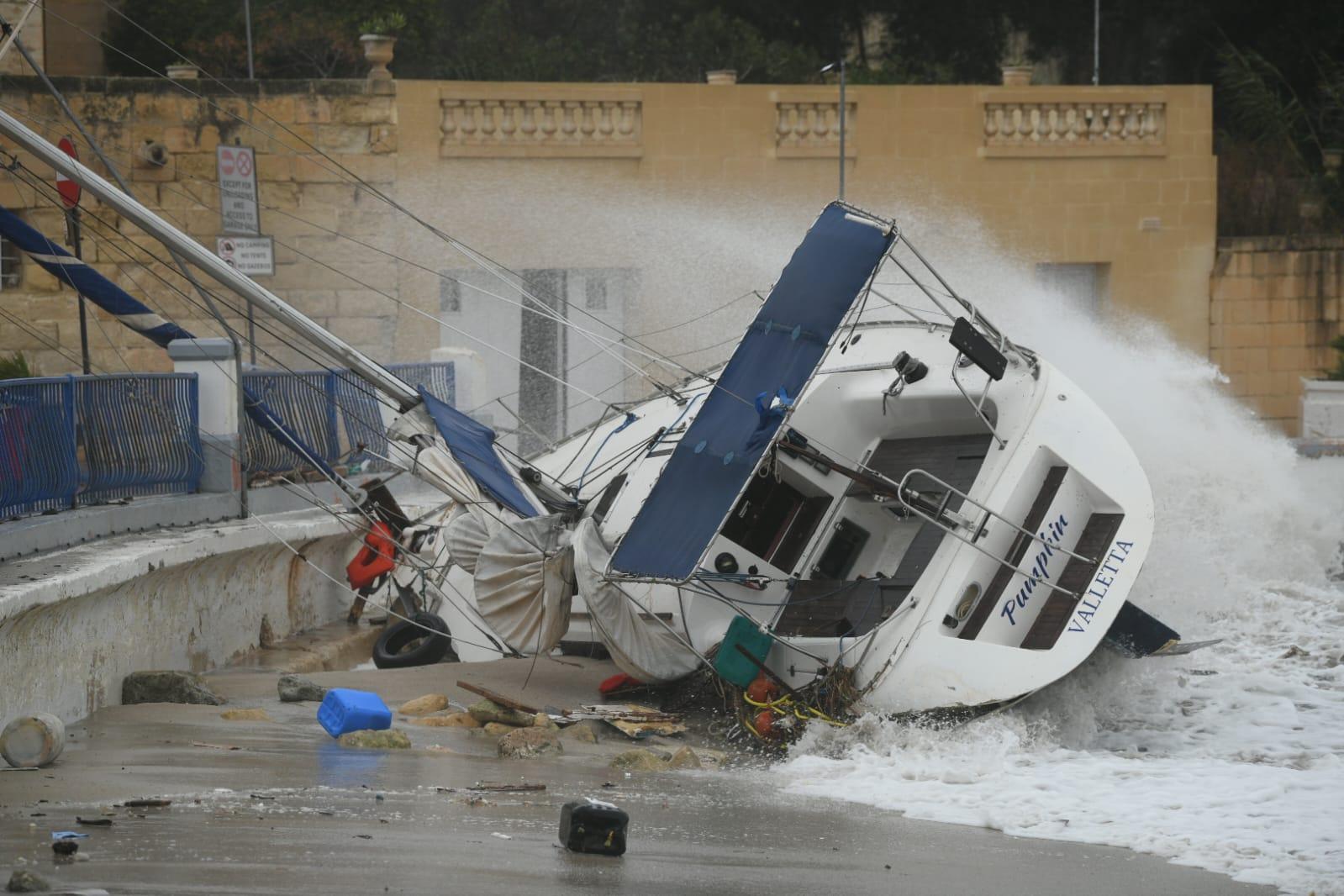 Most yachts were docked at the time of the storm. This was an unlucky one. Photo: Matthew Mirabelli
According to Calleja, the damage caused by Storm Harry sometimes differed to that experienced in several of Malta’s previous large storms.
“The interesting thing about Storm Harry is that it was a storm from the south,” Calleja said. “Prevailing winds in Malta are usually either the grigal (northeast) or majjistral (northwest), but this was from the south. Because of that, the pattern of the damage was quite different”.
For one thing, Calleja said, “when the wind comes from the south, in general, our harbours do a very good job”.
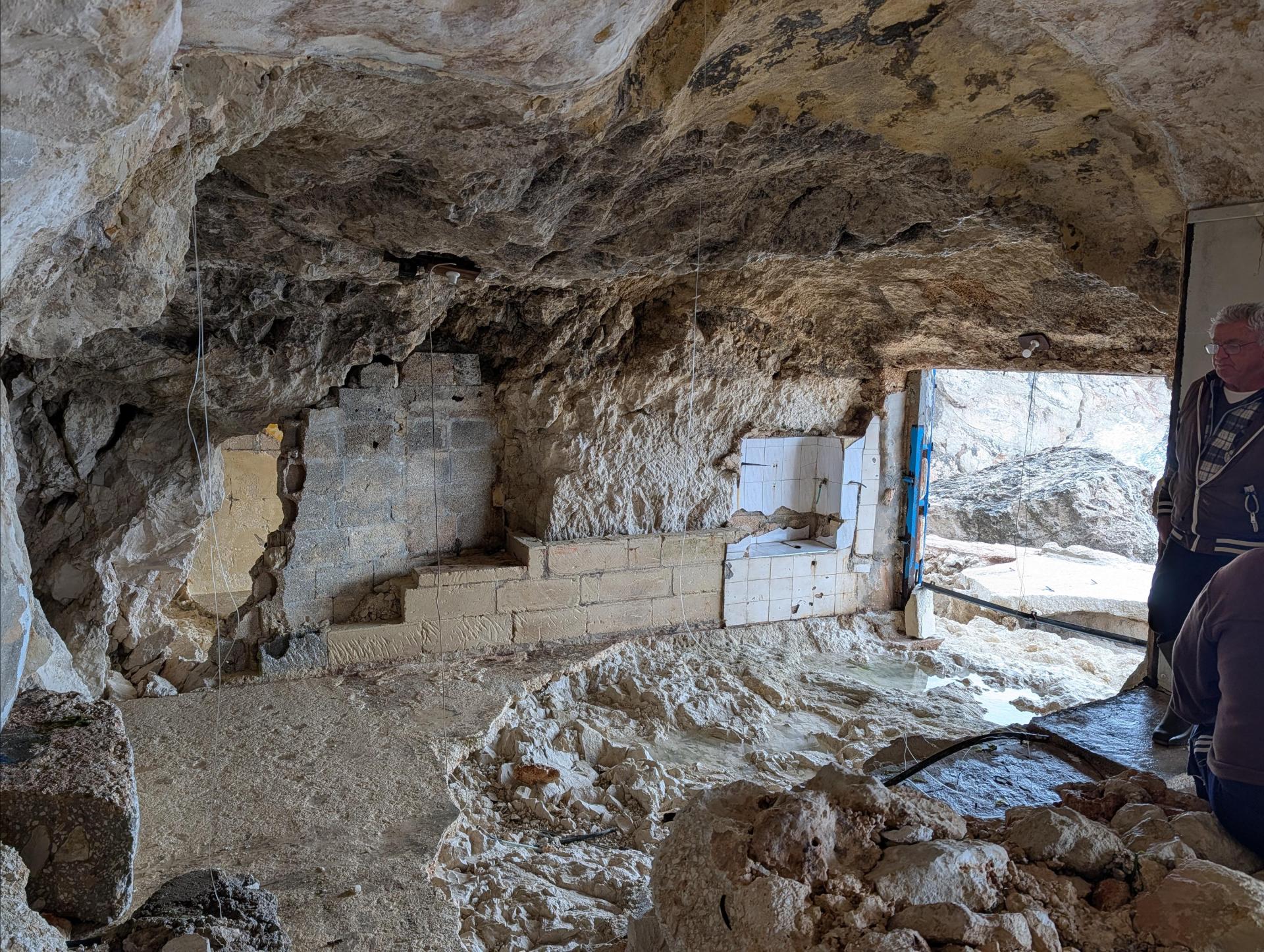 The storm damage at Għar Lapsi. Photo: Times of Malta
‘Little damage to PV panels’
Also, Storm Harry caused relatively little damage to PV panels, Calleja observed. This may have been lower than expected because panels, usually installed facing the south, are more susceptible to northern winds, she suggested.
Despite the wind originating from the south, most claims related to properties in Malta’s northern areas, the association’s figures show.
Over 300 claims, just under half of the total, were for damage in the northern harbour towns. Most other regions received a similar number of claims, at around 100, with the exception of Gozo, where storm damage appeared to be minimal.
 Insurance Association President Catherine Calleja. Photo: Matthew Mirabelli
Calleja warned that damage from extreme weather events is likely to only get worse, pointing to a report authored by Charles Galdies which predicted a greater incidence of fires, coastal flooding and violent storms over the next decades.
“The concern going forward is, with climate change and more extreme weather events, there will be even greater damage caused by proximity to the sea and flooding,” Calleja said.
She said insurers have become “key stakeholders in the issue of climate change resilience,” with several industry players undergoing training on the subject.
“The role of the insurance industry is to keep the economy going and to allow people to take entrepreneurial risk and not lose everything in a storm,” she added.