In pictures: before and after the devastation of Storm Harry
Photos of popular sites before and after the storm highlight the damage wrought by the fierce storm
Photos of coastal areas taken before and after Storm Harry reveal the extent of the damage left in the storm’s wake.
Images captured this week show popular tourist areas and landmarks across Malta’s south and east coasts battered and scarred and, in the case of Għar Lapsi, almost unrecognisable.
The photos stand in stark contrast to the wealth of picturesque scenes, immortalised in postcards and tourist snaps over the decades, of Malta’s seaside towns and villages.
While some areas fared better than others, the impacts of Storm Harry are likely to continue to be felt in the months ahead, as authorities, local councils and businesses work to restore popular spots to their former glory.
Għar Lapsi suffered extensive damage, with powerful waves carrying away almost all of the slipway, demolishing a platform popular with bathers, ripping away seafront hospitality infrastructure and destroying restaurant interiors.
Restaurant owner Gilbert Borg told Times of Malta, “God decided to wash everything away. We now hope in Him that things will be brought back to normality... There’s never been this sort of damage here”.
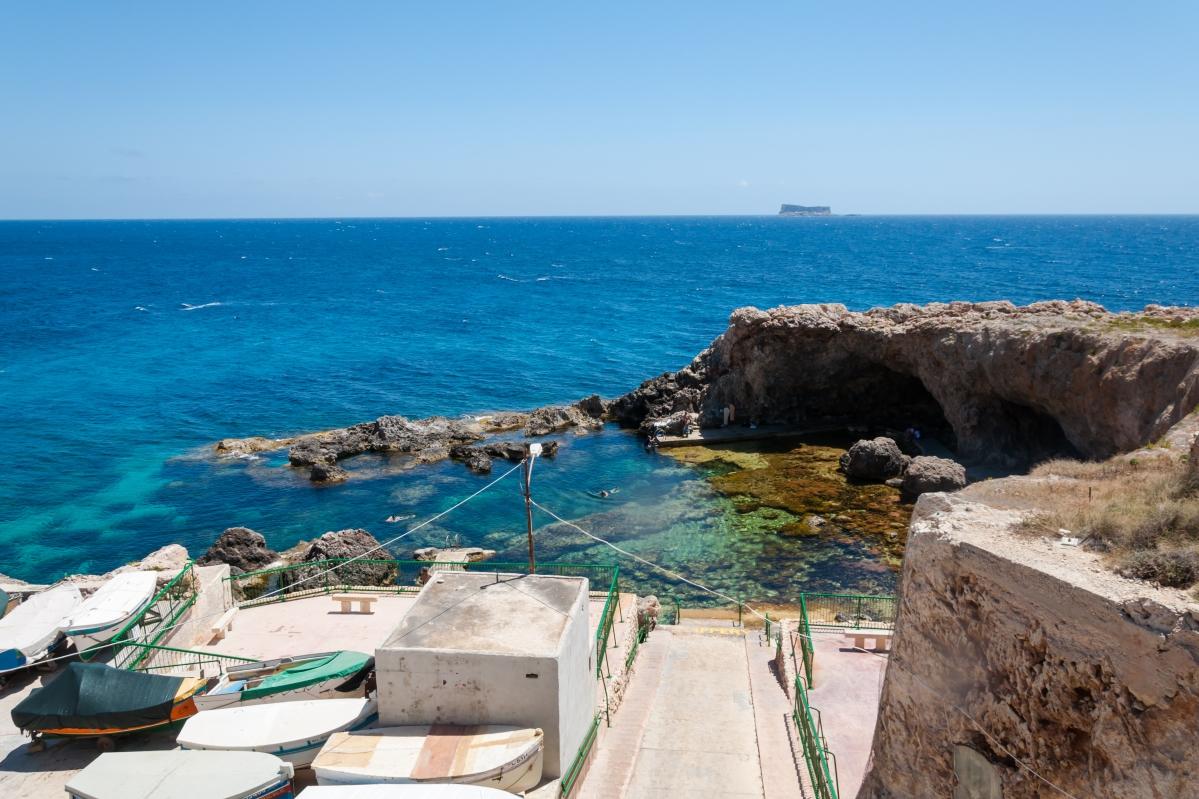 The ramp at Għar Lapsi before Storm Harry decimated the popular swimming spot. Photo: Shutterstock.
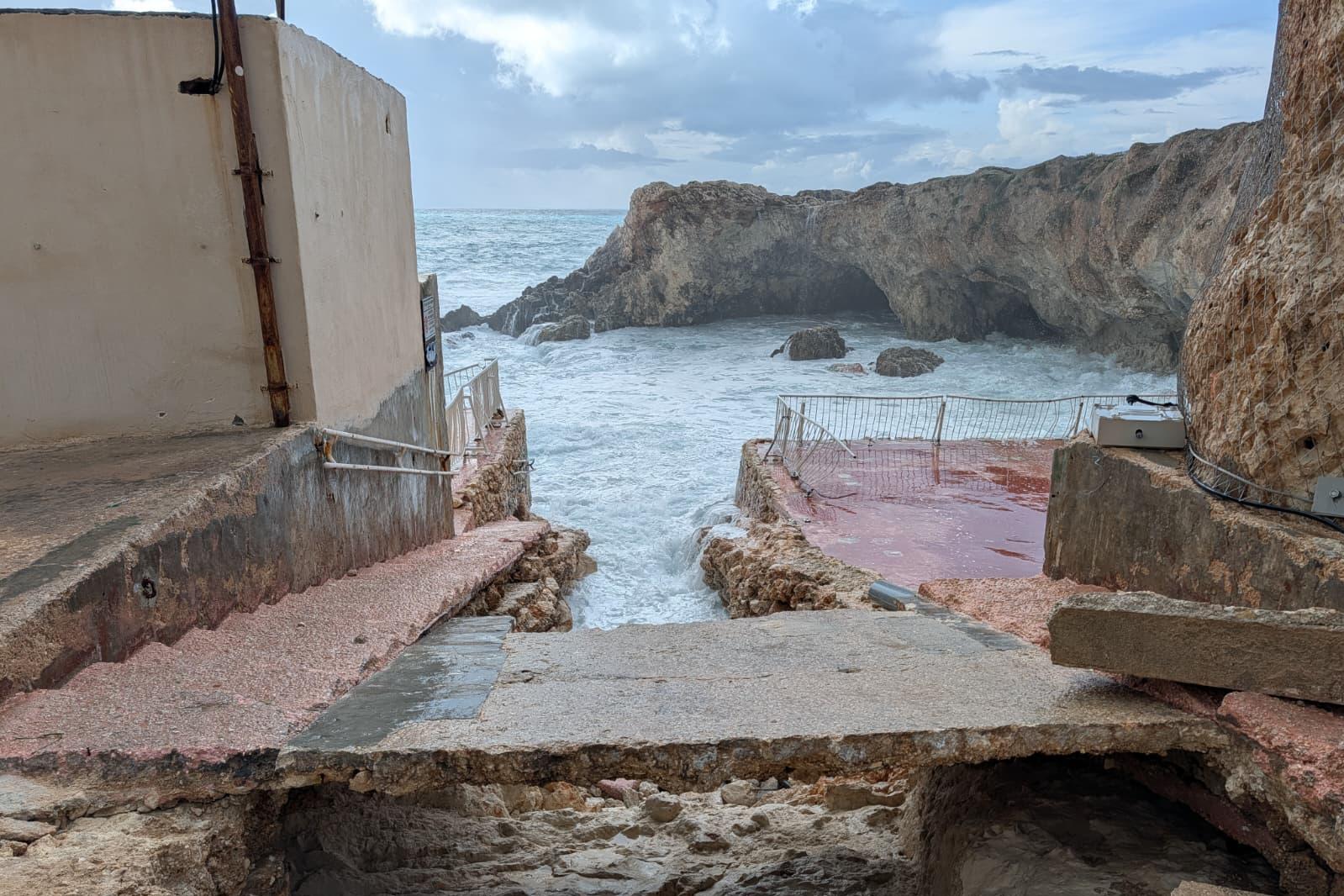 The slipway at Għar Lapsi was almost completely destroyed. Photo: Chris Sant Fournier.
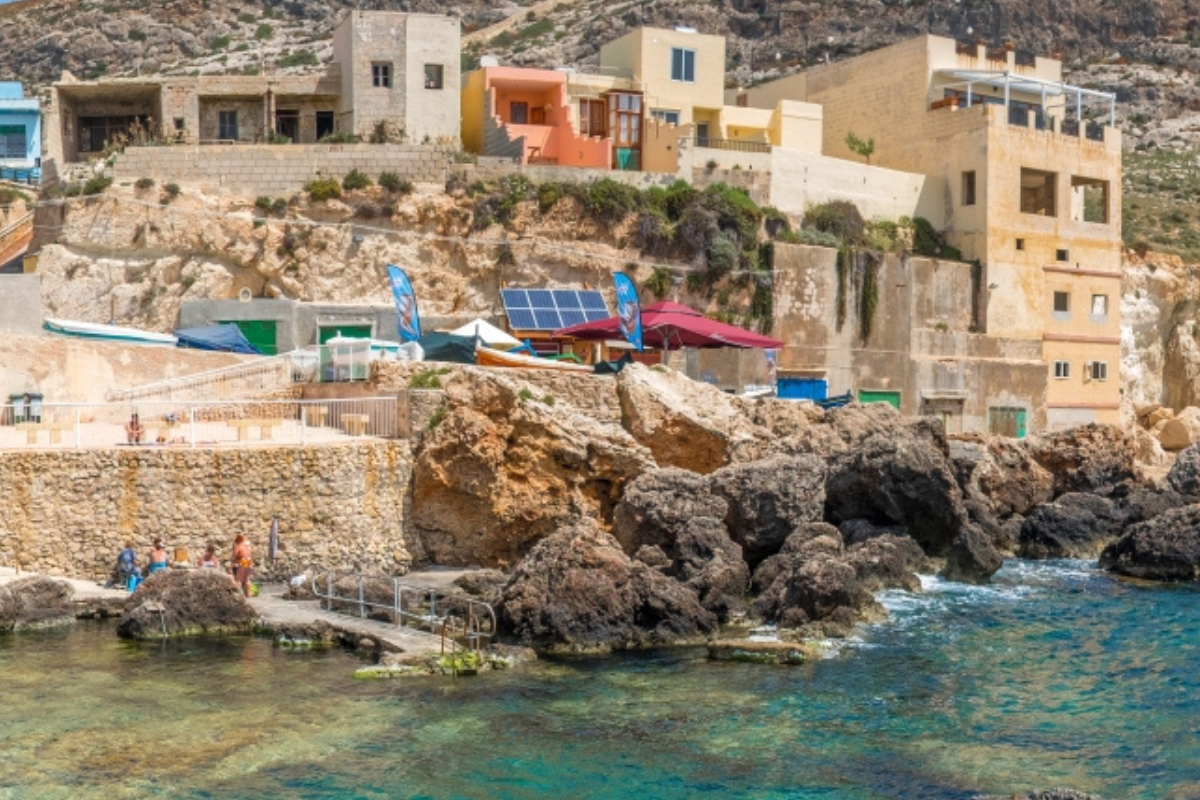 Hospitality infrastructure and a platform popular with bathers before Storm Harry. Photo: Shutterstock.
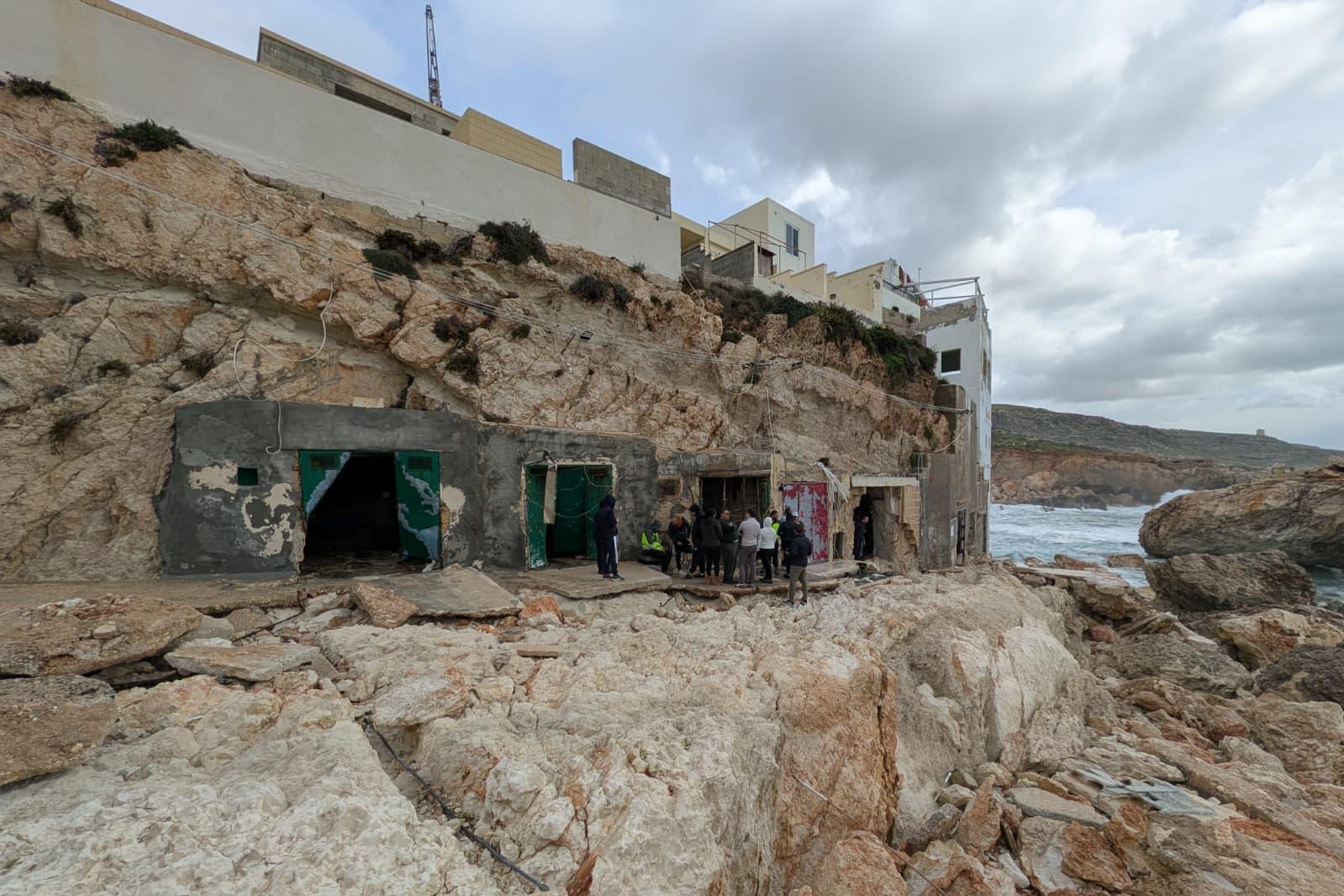 Businesses next to Għar Lapsi were ravaged by the storm. Photo: Chris Sant Fournier.
Sliema’s Chalet, an outcropping of concrete and brick-covered rock extending into the sea near Għar id-Dud, was left scarred after the storm, with large chunks of concrete ripped away.
The damage marks the latest chapter in a history of decline at the historic site, which once housed an entertainment arcade opened to the public a century ago before its closure in 1963.
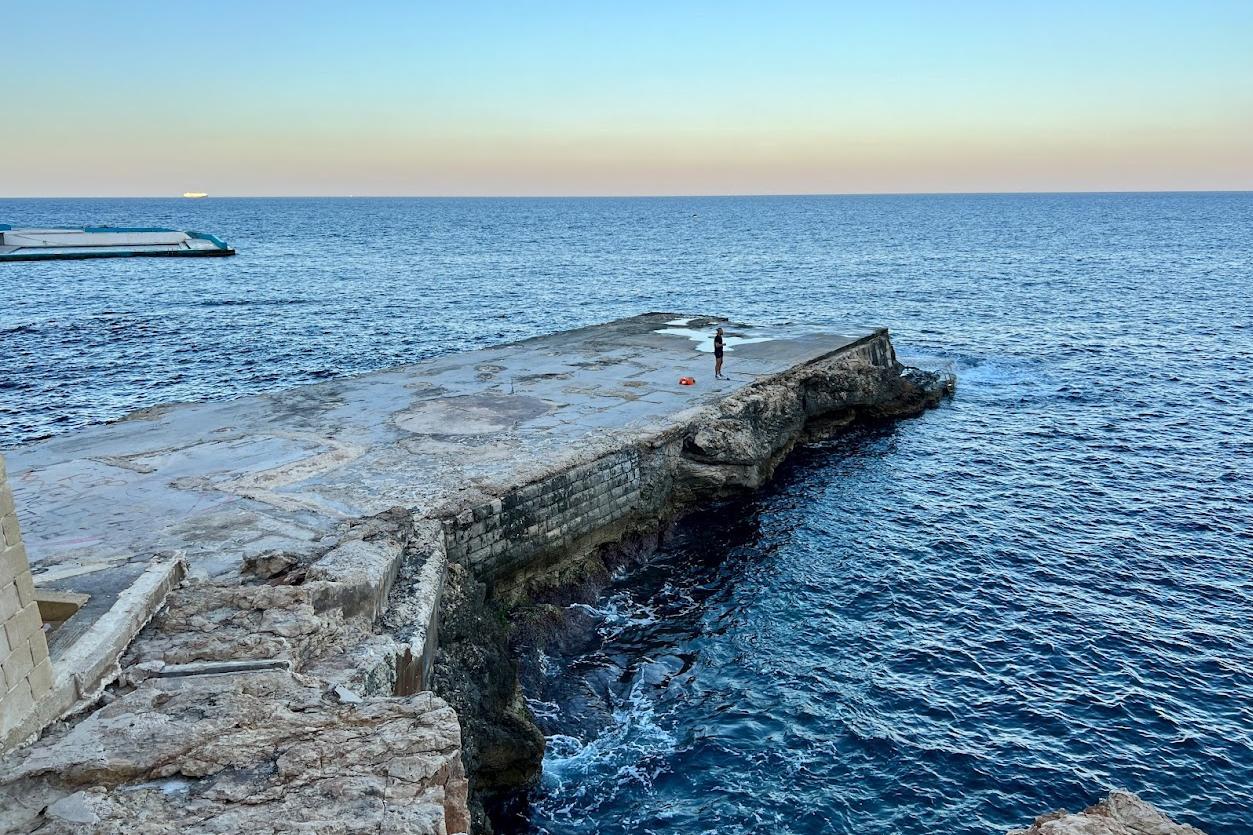 Chalet in Sliema once housed an entertainment arcade. File photo.
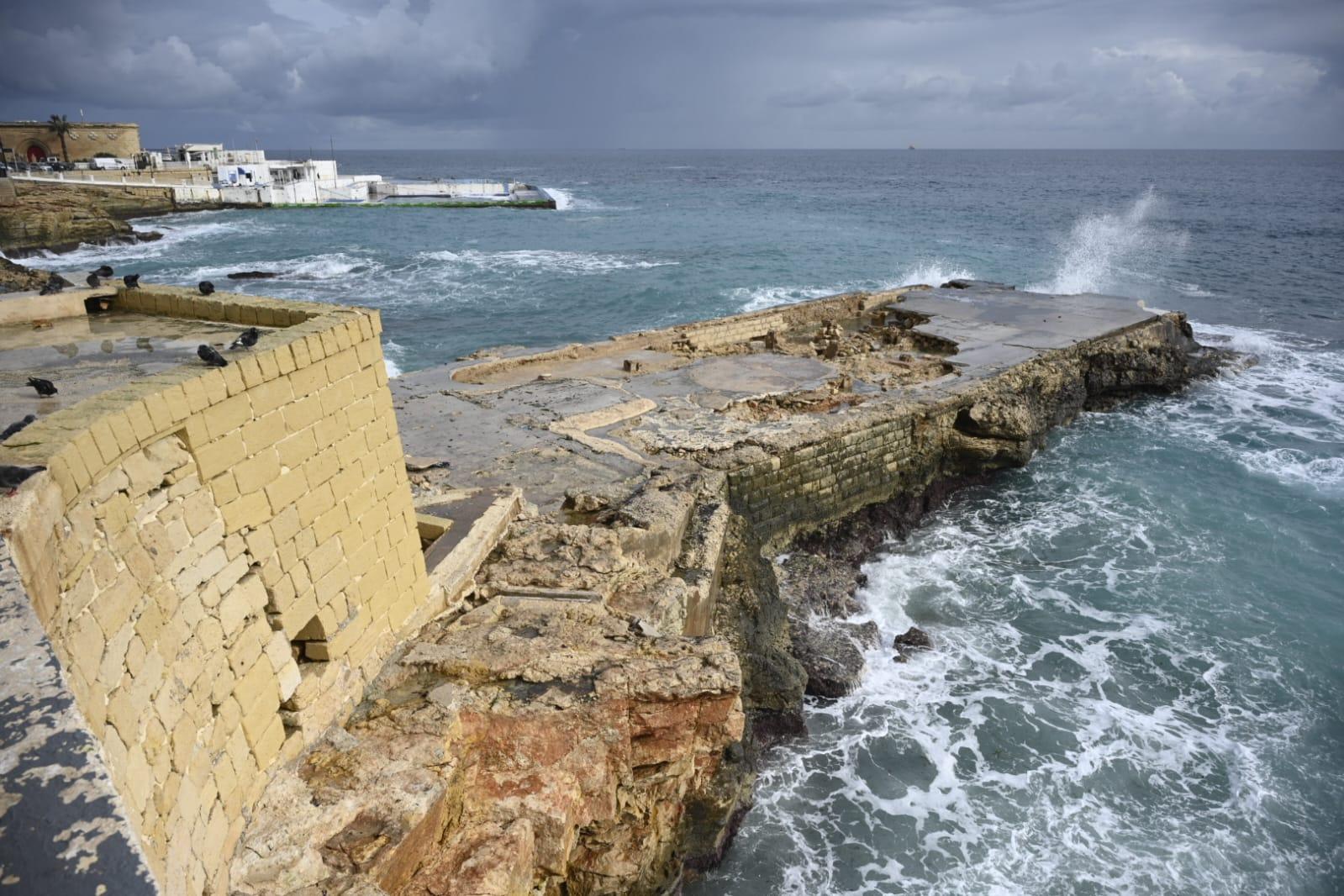 Sliema's Chalet was left scarred after chunks of concrete were ripped from the top of the structure. Photo: Matthew Mirabelli.
Marsascala was among the worst-hit areas in the south; the town’s popular shoreline was decimated by flooding, which scattered construction equipment and debris and ravaged seafront businesses.
And while locals have come together to clean up the town’s seafront, restaurateur Josef Abdel Ghany spoke of his uncertainty at getting his business back on track: “How are we going to cope, how are we going to repair this damage, and how long will we have to remain closed until we fix it? We don’t know”.
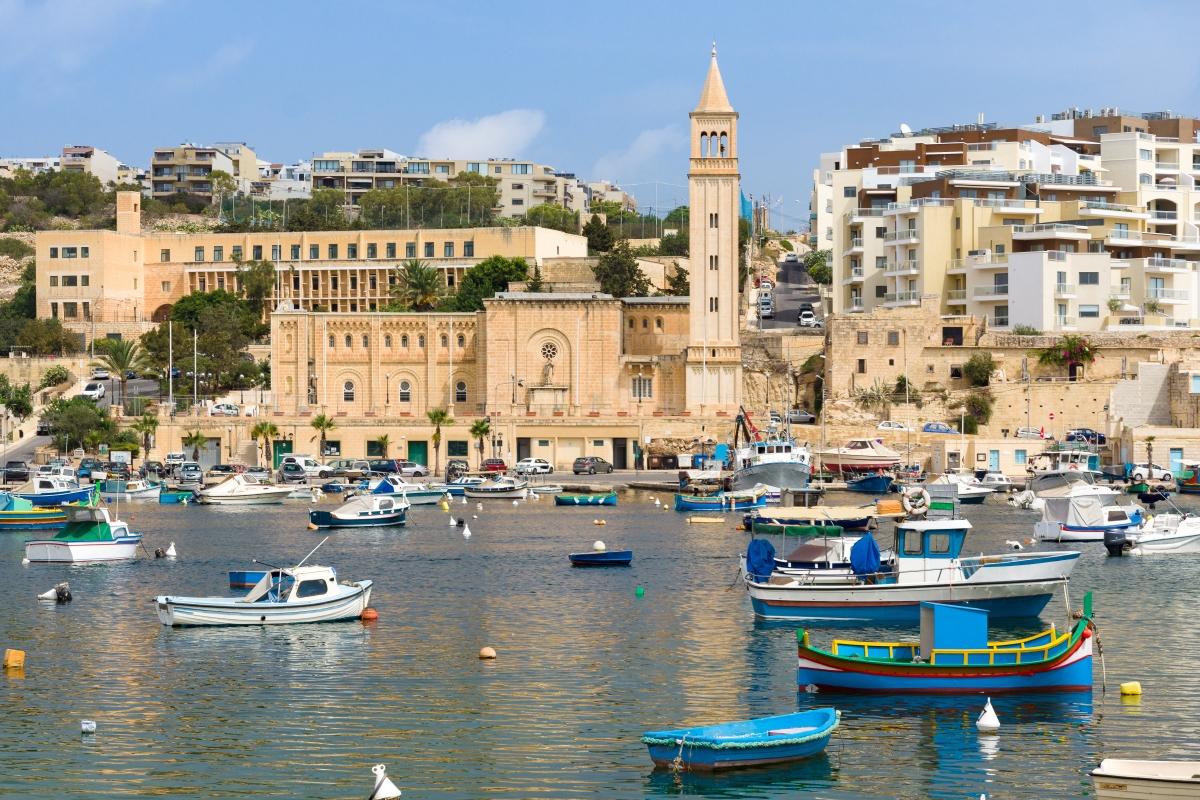 Marsascala before Storm Harry. Photo: Shutterstock.
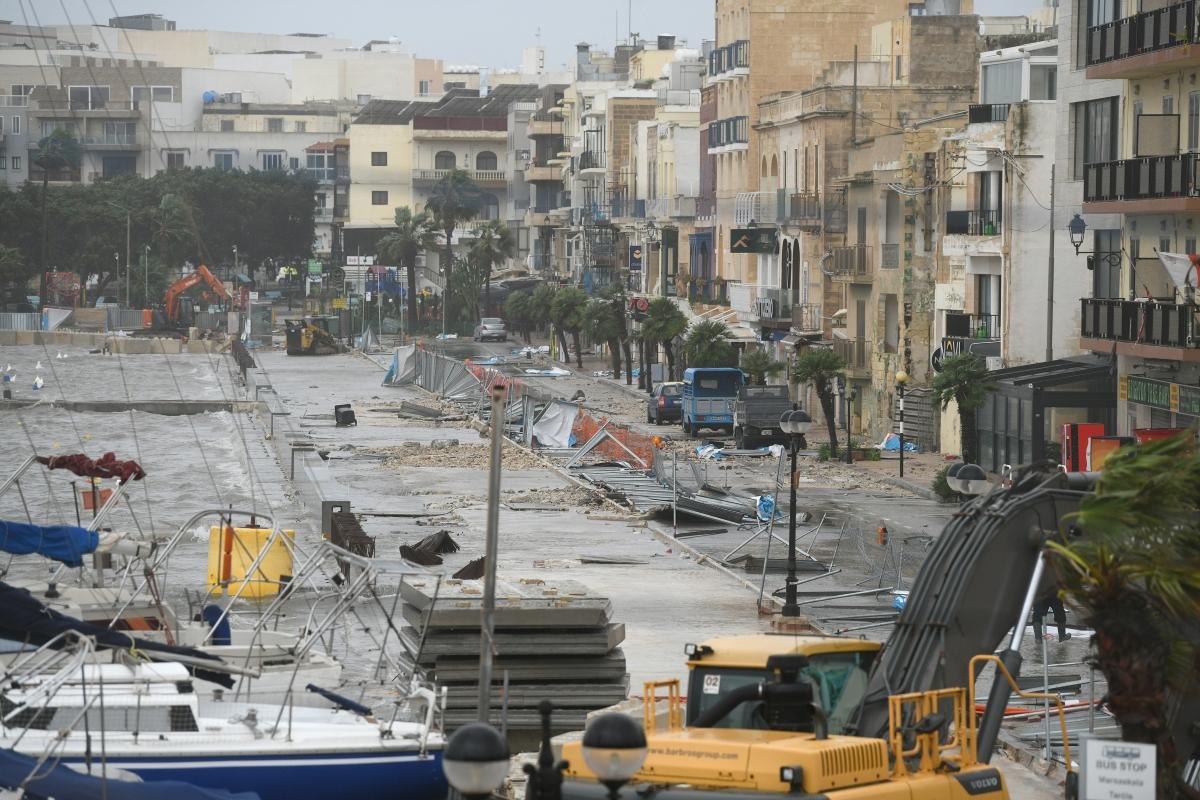 Storm Harry decimated Marsascala. Photo: Matthew Mirabelli.
Birżebbuġa, while not as badly hit as Marsascala, also did not emerge from Storm Harry unscathed, with boats washed up and broken on the promenade and pedestrian infrastructure damaged.
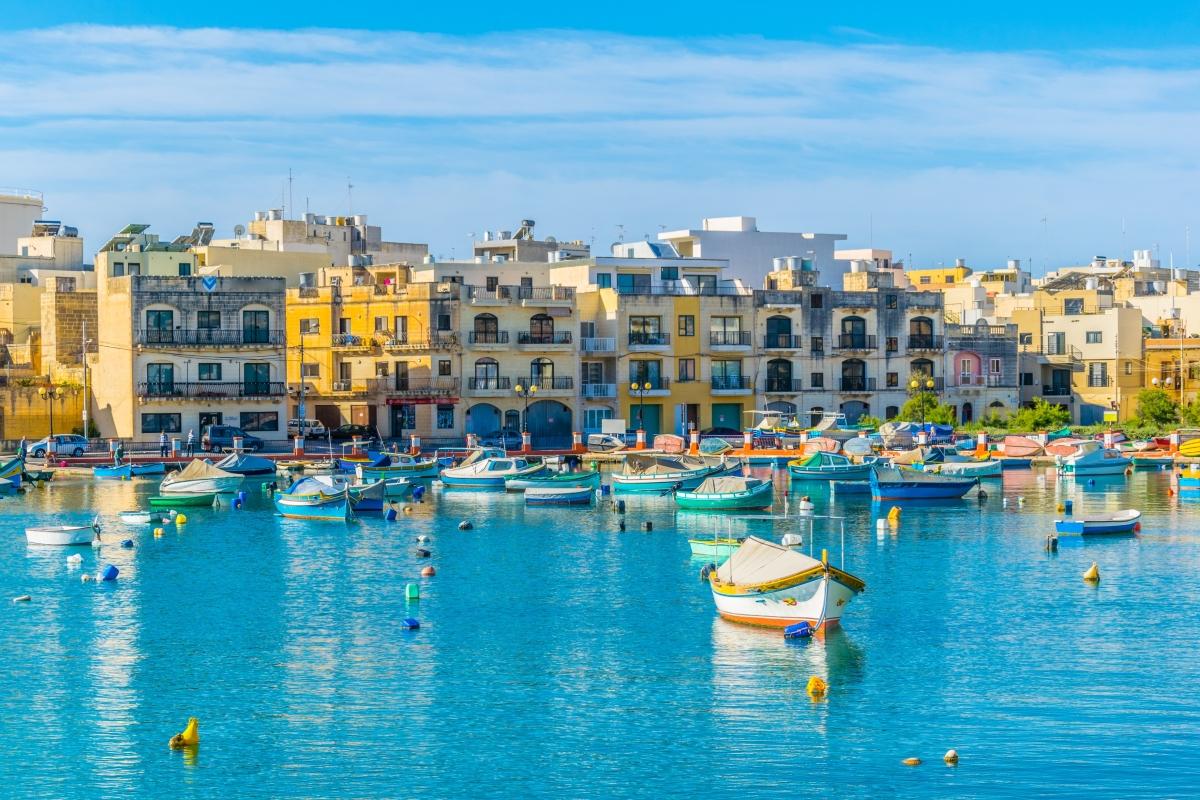 Boats dot calmer waters at Birżebbuġa. Photo: Shutterstock.
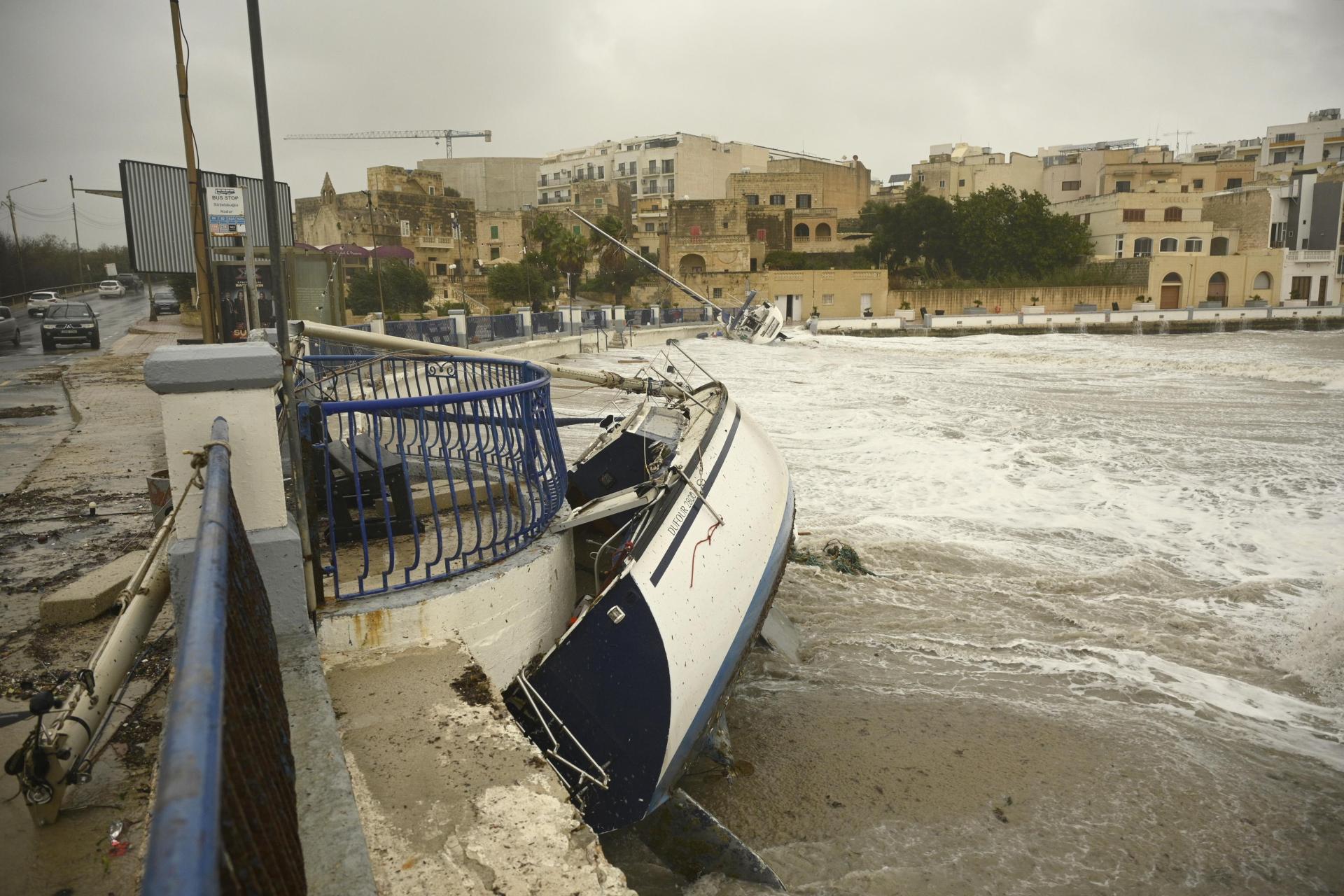 Strong waves carried boats up to the road in Birżebbuġa, dashing them on the promenade. Photo: Matthew Mirabelli.
The country’s inhabited areas were not the only places to suffer damage from Storm Harry; eagle-eyed observers on Thursday noticed that a substantial section of Filfla, the small island nature reserve off Malta’s south coast, had disappeared.
Photos taken by Times of Malta and others posted on Facebook page Dwardu Photography show a missing section on the eastern side of the islet, producing a new sheer cliff.
While biologist Alan Deidun said he was not surprised by the collapse, with the rock already known to be fragile and unstable, it marks the latest in a history of damage to the islet, which up until 1971 was used by Britain’s military for target practice.
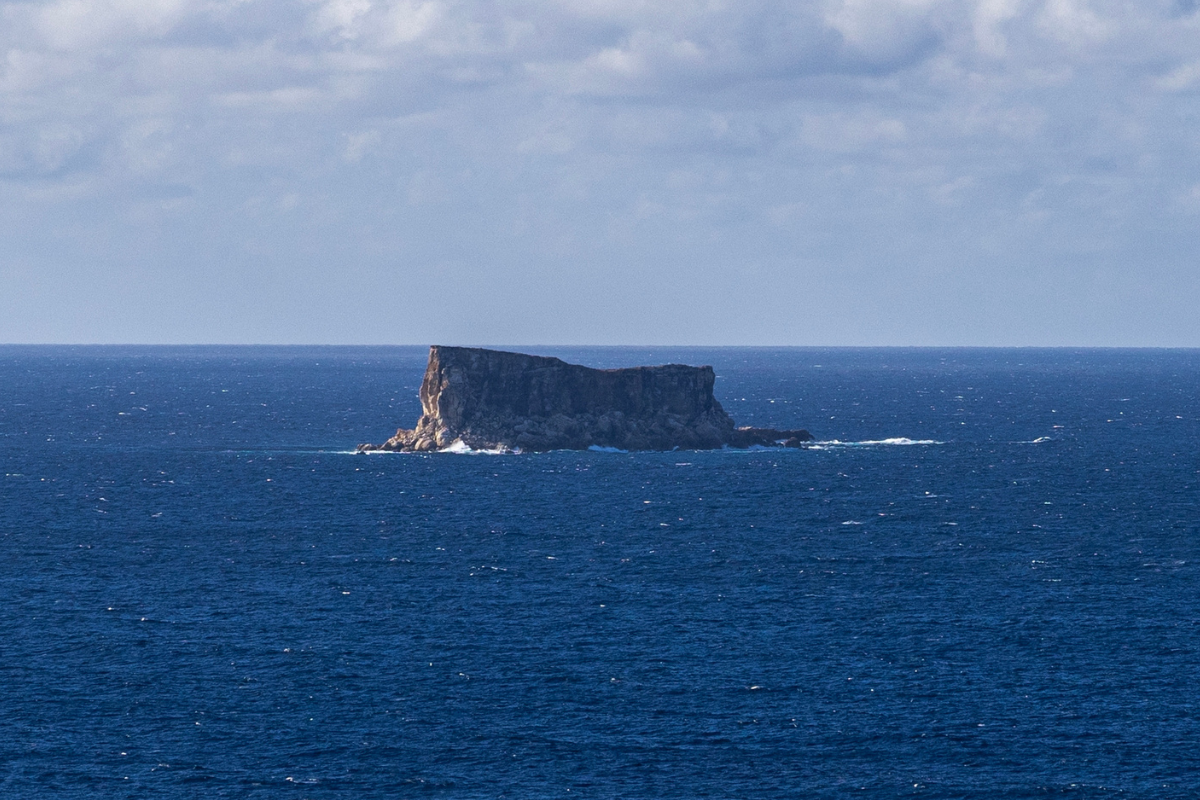 The islet is a nature reserve located of Malta's south coast. Photo: Shutterstock.
 A chunk of Filfa collapsed in the face of Storm Harry. Photo: Jonathan Borg.
Meanwhile, although much focus has been placed on the damage to properties and infrastructure, the country's flora also did not emerge unscathed.
Żebbuġ’s oldest oak tree (Siġra tal-Ballut) – estimated to be around 200 years old and described as “iconic” by mayor Steve Zammit Lupi – was severely damaged by the storm, with more than half of it collapsing.
And in Birżebbuġa, Malta’s tallest palm tree, according to The Malta Records, was similarly torn down.
They were not alone, however, with 228 trees nationwide falling victim to the ferocious winds, according to the latest information from the Civil Protection Department.
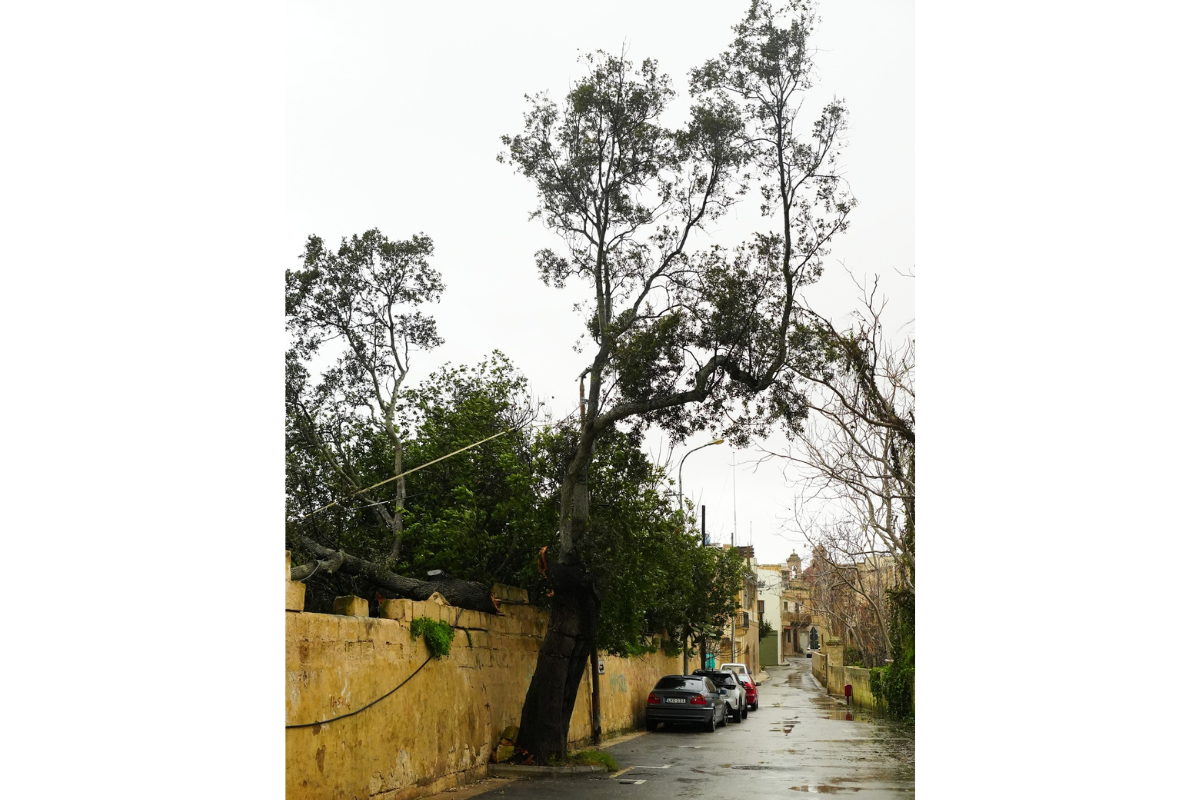 Żebbuġ's — and Malta's — oldest oak tree in happier days. Photo: Żebbuġ Local Council/Facebook.
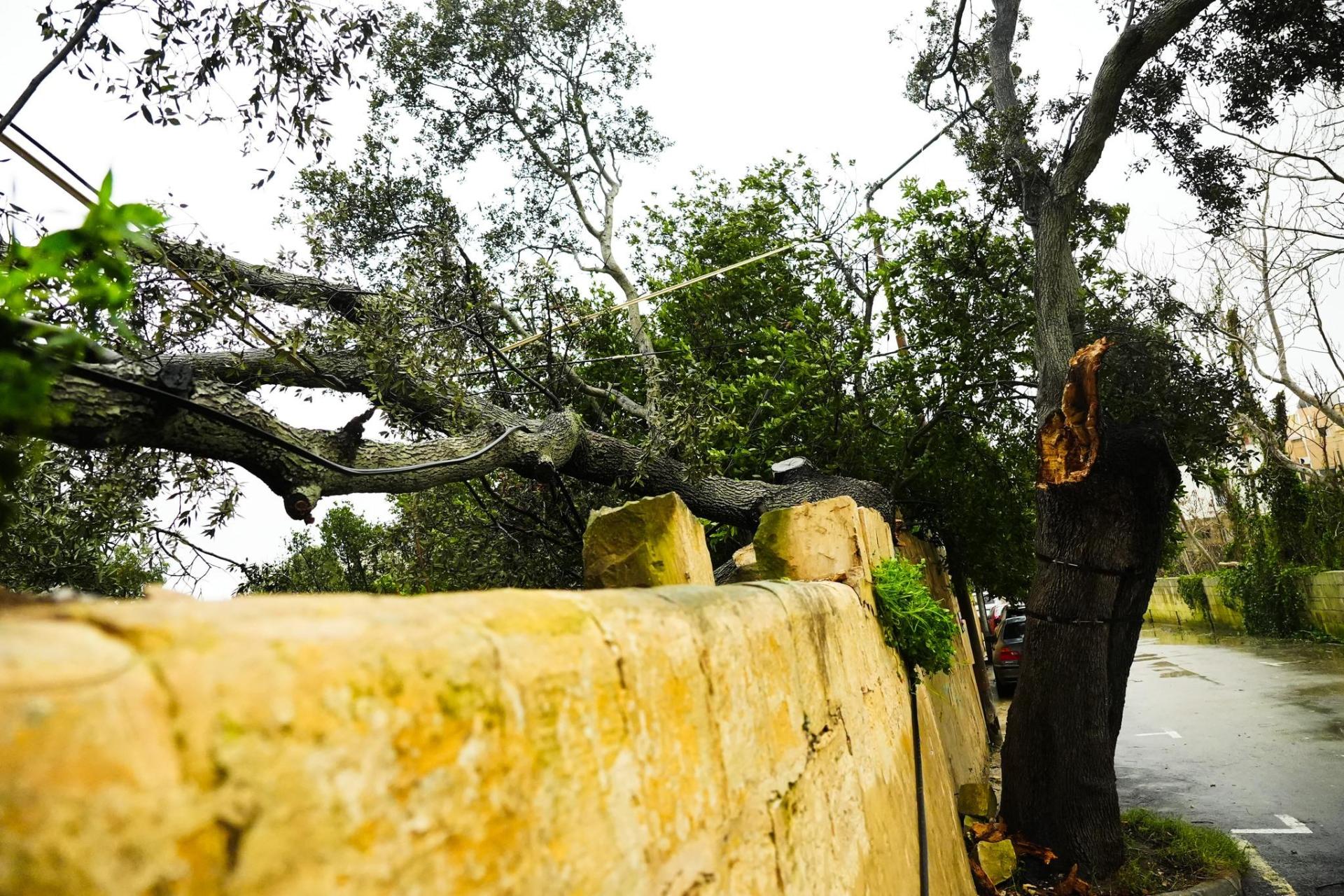 The country's oldest oak tree, in Żebbuġ, was torn down in the strong winds. Photo: Żebbuġ Local Council/Facebook.
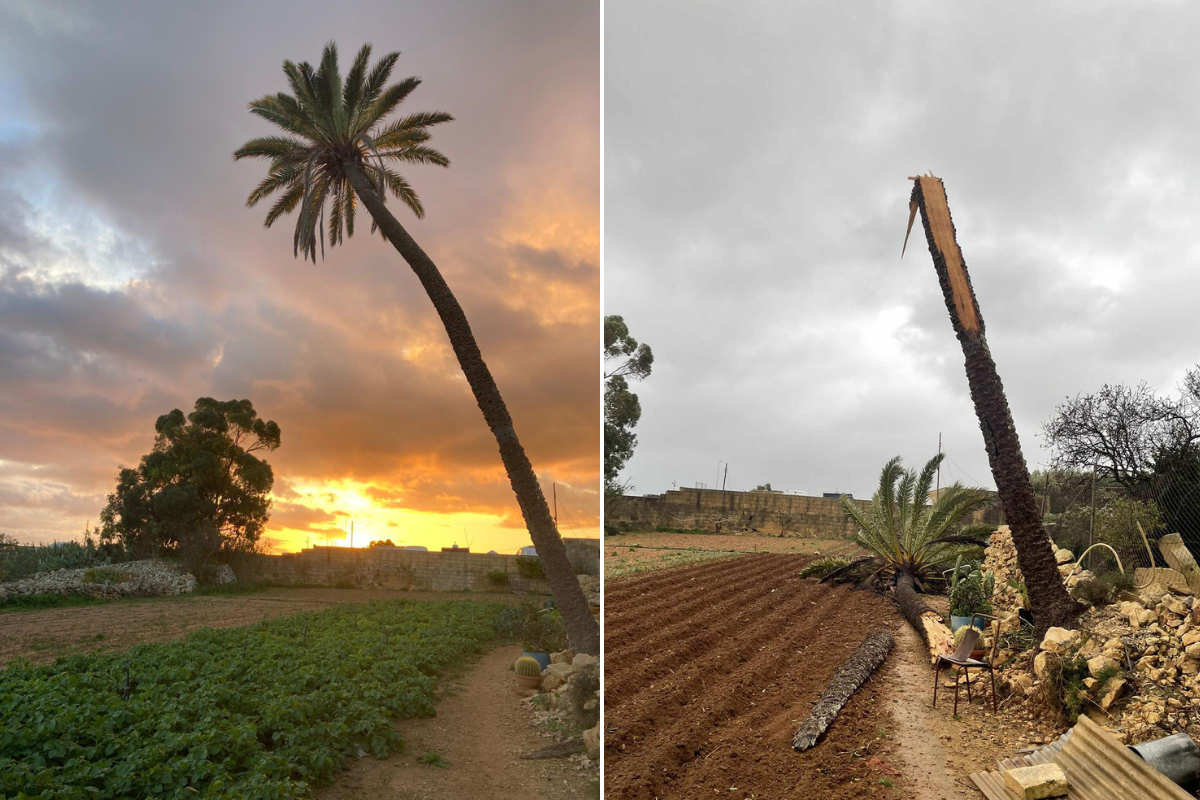 Formerly Malta's tallest palm tree in Birżebbuġa before and after the gale-force winds. Photo: David Carabott.