A strong economy is not enough
True progress requires governments to balance economic growth with environmental stewardship, integrity and the common good, writes Charles Mercieca of Flimkien għal Ambjent Aħjar
Flimkien għal Ambjent Aħjar (FAA) welcomes Bishop Joseph Galea Curmi’s homily at the mass marking the inauguration of the new parliament, in which he spoke of the values that we believe the majority of Maltese people hold close to their hearts.
The title alone, ‘On solid foundations’, sets the tone: without integrity, accountability and respect for human dignity and quality of life, even the most efficient laws will lack soul.
The bishop’s insistence that technical and administrative skills are not enough was striking. In an age that loves metrics, dashboards and ‘quick wins’ he dared to speak of moral vision and courage of conscience.
A government can be very good at generating wealth and still fail its people if it loses sight of the fact that wealth is meant to benefit all citizens and not just a select few.
To say that public life cannot flourish when deceit is tolerated or when personal interest is placed before the common good is not pious rhetoric; it is the truth. Every citizen knows from bitter experience the repercussions when transparency is selective and responsibility is passed around.
Therefore, for FAA, the bishop’s words on the environment resonated strongly. Describing care for creation as both a responsibility and a moral urgency frames environmental protection correctly: not as a luxury or a fad but as stewardship for future generations.
The phrase “destruction disguised as development” is correct and to the point – Malta’s beauty, limited land and dependence on clean seas and air make a long-term vision an absolute must. Future generations do have a right to inherit a land that is healthy and capable of sustaining life.
Environmental responsibility for the many far outweighs short-term profit for the few.
In a small island nation like Malta, where development pressures are intense and community ties are close, that vision is especially relevant. A just society is measured not by GDP alone, although, obviously, that is important but by the quality of life as perceived and enjoyed by the majority of the population. That gives parliament direction that is both humane and realistic.
Quality of life is subjective but, as science now shows us, the state of the environment that surrounds us, be it natural or built, along with a love of culture and the rich heritage that we proudly enjoy as Malta citizens, have tremendous impact on quality of life.
For FAA, the bishop’s words on the environment resonated strongly- Charles Mercieca
In 2005, the World Database of Happiness placed Malta first in the world, however, as environmental parameters started to be included in the formula, Malta’s ratings dropped sharply. As a result, after COVID, Malta sank to 48th place of the World Happiness Report as other countries that had been on a par with Malta had built their prosperity around the infrastructure to sustain it. Instead, Malta failed to factor in infrastructure in its headlong race to promote short-term development wealth.
Malta’s Generation Z (aged 16-29) now records some of the weakest wellbeing outcomes in the EU.
Bishop Galea-Curmi urged MPs to commit to honesty, unity and environmental protection, while Malta’s constituted bodies, especially the Chamber of Commerce, have expressed themselves repeatedly on the need to reverse the deterioration of Malta’s environment, also for competitivity reasons.
MCESD chairperson Maria Micallef recently told Robert Abela that the main themes the government must address are productivity, use of new technology, transport and infrastructure, a sustainable environment and the improvement of the wellbeing of society. FAA would add other issues, namely overpopulation, overtourism, drains and contaminated seas.
Our young people have also spoken, with 66% expressing a wish to emigrate, not for lack of employment opportunities but mainly pointing to the rapid urbanisation of the islands, overdevelopment, a lack of public green spaces and high traffic congestion as major factors undermining local quality of life.
Yet, in spite of the Labour Party’s pre-election promises and the prime minister’s pledge of a 25% improvement in quality of life within this legislature, parliament opened with the assurance that the government will treat a strong economy and fiscal discipline as its top priority, relegating “discipline in areas of ongoing public concern, like building, planning, and use of public spaces” as an afterthought.
Is this government refusing to listen? These issues should be priorities, guided by carrying capacity studies that indicate what Malta can sustainably cope with, thereby ensuring a decent quality of life. Anything less and we will continue to fiddle while Rome burns.
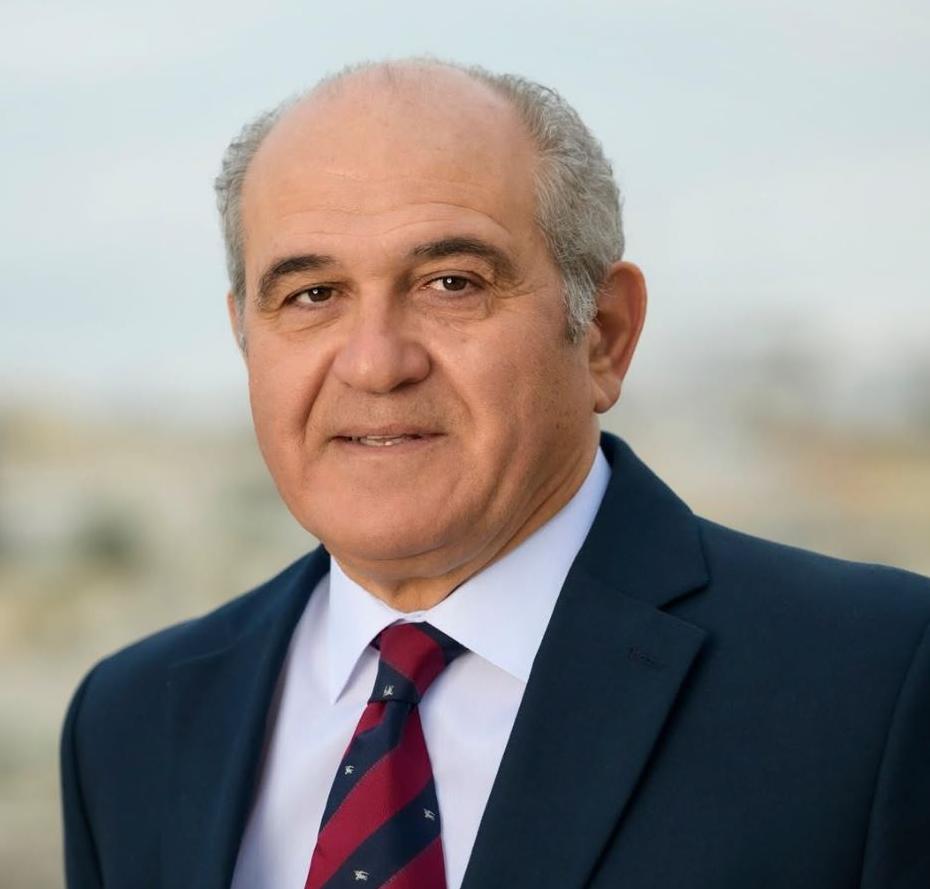
Charles Mercieca is chairman of Flimkien għal Ambjent Aħjar.