Times Talk: We need to talk about suicide
Contrary to what you might think, suicide is not on the rise but some are more at risk
Malta has one of the lowest suicides rates in Europe, along with Cyprus, and suicide is down globally, according to psychiatrist professor Anton Grech and Richmond Foundation CEO Daniela Calleja.
This week, Times Talk takes a closer look at suicide and men's mental health in particular.
While it can sometimes feel like suicide is on the rise, that is a misconception caused by more frequent talk about it on social media.
“The truth is, suicide has decreased slightly globally, but we talk more about it now,” Calleja says. "And that is a good thing, as long as we do it to help people out there seek help."
The two mental health experts sat down to discuss the sensitive subject, in the wake of recent deaths that sparked widespread discussion on suicide on social media.
The episode also features a full interview with Simon Gouder, the brother of politician Karl Gouder, who shockingly and unexpectedly died by suicide almost a year ago.
‘Talking about it is crucial’ - Grech
According to Grech, talking about the issue is crucial.
Research indicates that discussing suicide with someone who may be considering it does not give them ideas on how to do it; in fact, it can reduce the likelihood of an attempt.
Calleja noted that globally, 75 per cent of people with suicidal thoughts show some indication of their distress, but the remaining 25 per cent do not. This makes it vital to ask people directly if you suspect they are struggling.
This is especially true for men, who are less likely to express their feelings due to societal pressures that equate seeking help with weakness.
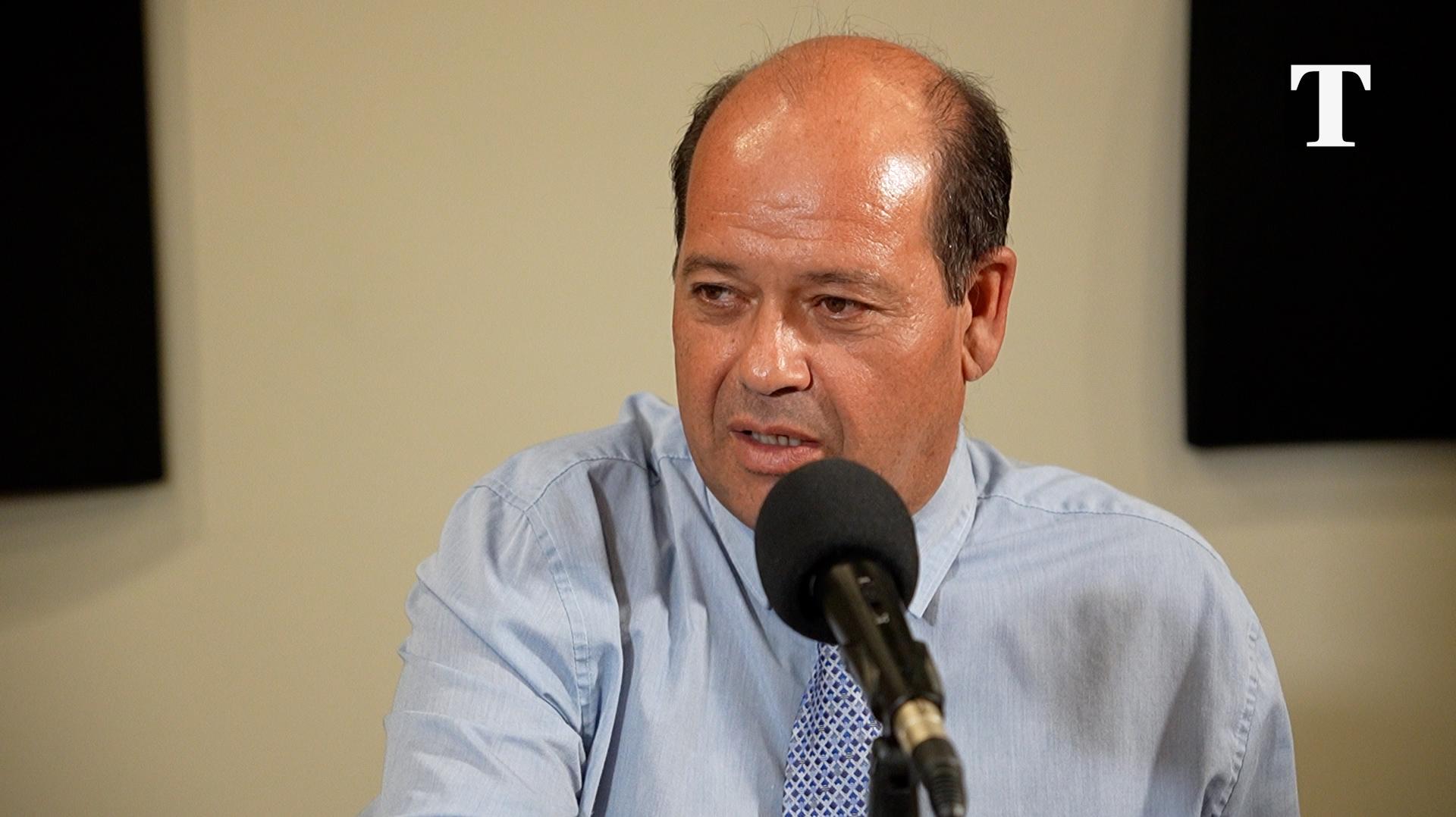 Psychiatrist Professor Anton Grech.
Why men and women are different
Suicide is overwhelmingly more prevalent in men, with global figures showing that in some years, nine out of every ten people who die by suicide are men.
While women attempt suicide more frequently, men are more likely to die by suicide as they often use more violent means.
Grech also pointed out that men and women experience depression differently. While women typically experience sadness, men may present with physical symptoms like aches and pains because they are less likely to psychologically accept and express sadness.
Depression is the single greatest risk factor for suicide, he said.
The good news is, it is a highly treatable condition. Over 90 per cent of people who attempt suicide are not making a rational decision, he said, but one clouded by the symptoms of a mental health disorder like depression. He stressed that treating depression is key to suicide prevention and noted that it's curable in the vast majority of cases through various treatments, not just medication.
Calleja added that seeking help immediately is crucial, as delaying treatment can amplify negative feelings.
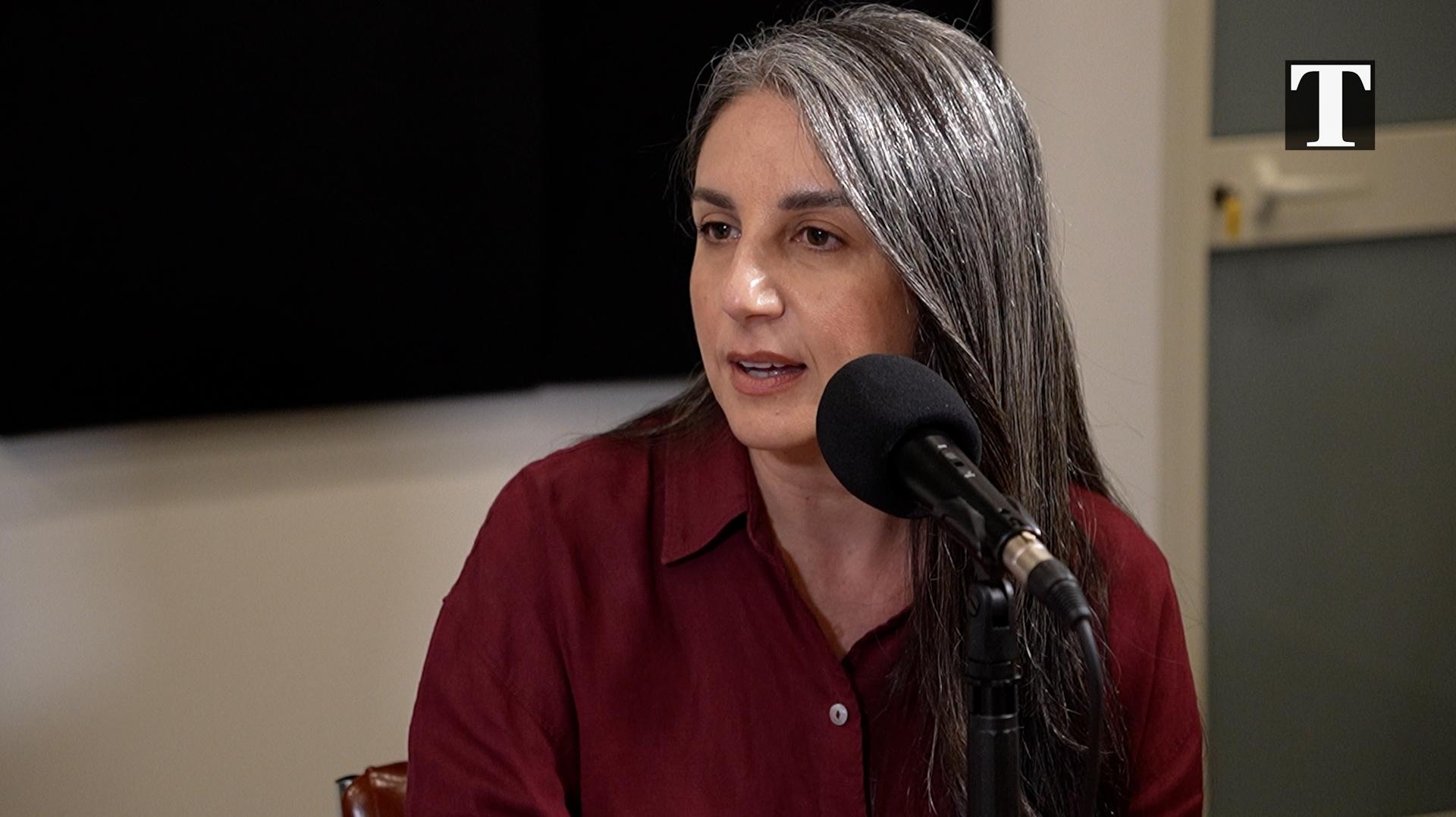 Richmond Foundation CEO Daniela Calleja.
Why LGBTIQ+ people are at higher risk
Grech and Calleja confirmed that individuals in minority groups, such as the gay community, are at a greater risk of suicide. Grech attributed this to cultural factors, explaining that minorities often face challenges in gaining acceptance and must fight harder to affirm their rights, which can contribute to higher rates of distress. Calleja concurred, stating that the risk factor is indeed greater for these groups.
If you are feeling depressed and need support, or need guidance on how to help someone who is suicidal, call 1579. You can also call Richmond Malta’s helpline on 1770. One can also type OLLI.Chat on their desktop, mobile or tablet browser to chat with a professional. If you have been affected by suicide you can call Victim Support Malta on 2122 8333 or info@victimsupport.org.mt.
Subscribe to Times Talk on Spotify or Apple Podcasts to make sure you don’t miss the next episode.