Toni Abela sworn in as first-ever judiciary standards commissioner
Retired judge will be responsible for investigating public complaints about judges and magistrates
Toni Abela was sworn in as Malta's first-ever Commissioner for Standards of the Judiciary on Wednesday.
Justice Emeritus Abela will be responsible with hearing and investigating public complaints made against judges and magistrates, similar to the role played by the Commissioner for Standards in Public Life, who scrutinises MPs’ conduct.
In a short speech after taking his oath, Abela said he would act with integrity.
"I will be kind when I can, but firm with those who do not listen," he said.
Abela veered into Latin as he spoke about the new role, musing "who will guard the guards themselves?" ("Quis custodiet ipsos custodes?") The commissioner role answered that question in Malta, he said.
Abela vowed to keep the public informed about the role and his office's work and said he would ensure the powers granted to the role were not misused as a "weapon".
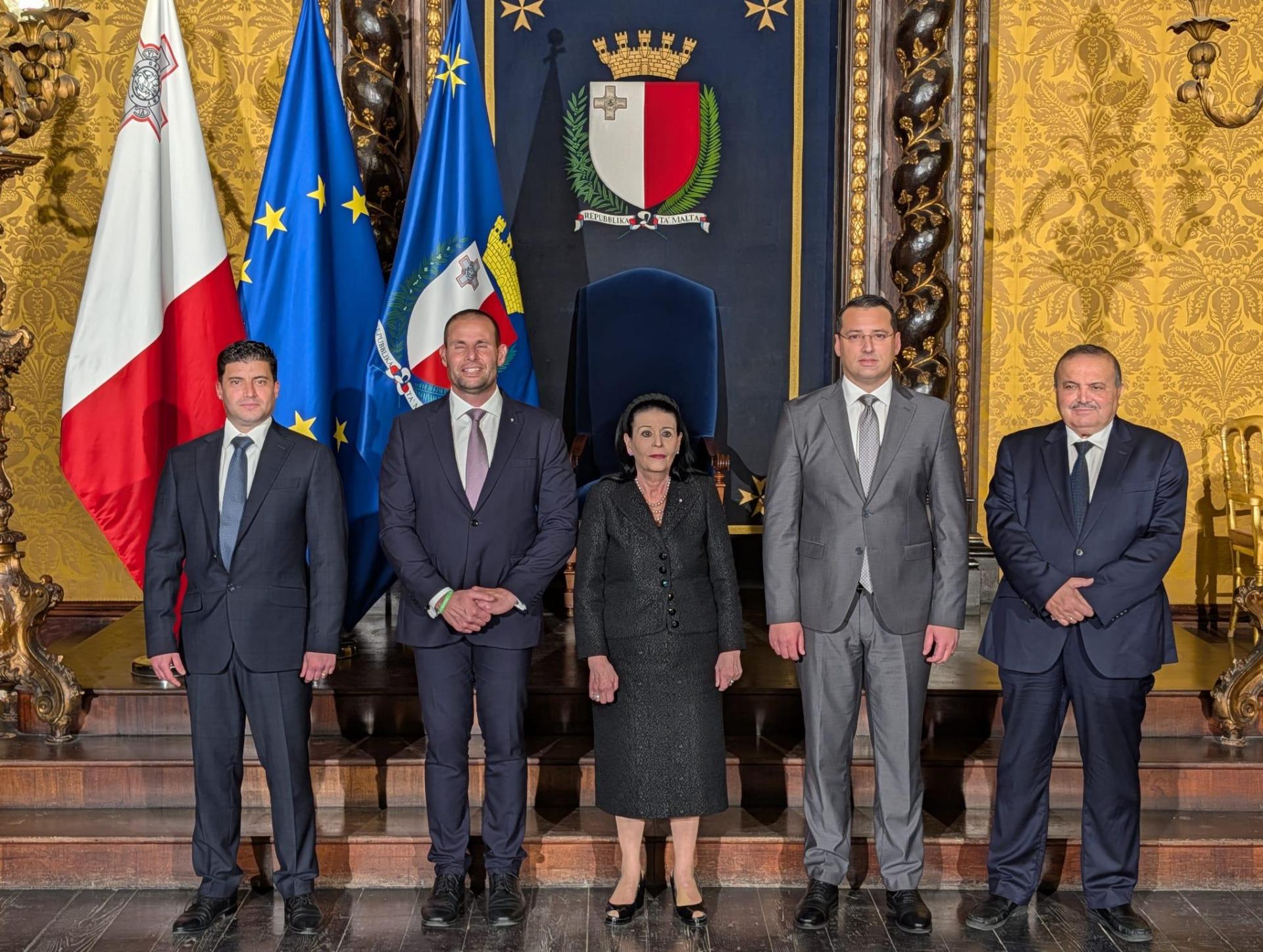 Photo: Chris Sant Fournier
How the office will function
Abela, who retired from the bench earlier this year, was appointed by the Commission for the Administration of Justice, a judicial commission made up of the President, the Chief Justice, the Chamber of Advocates, judges and magistrates, as well as government and opposition representatives.
The Commission is a highly secretive constitutional body that is the only body with the ability to discipline judges and magistrates.
Abela's office will have the ability to investigate alleged ethical breaches by members of the judiciary and to then submit findings to the chief justice and justice minister.
They may then refer the case to the Commission, which can decide on disciplinary measures.
A contested parliamentary process
Abela was Labour's deputy leader for party affairs until 2016, when he resigned and was appointed to the bench. However, politicians from both the PL and the Nationalist Party have since praised Abela for acting impartially throughout his time as a judge.
The new role he assumes proved controversial when debated in parliament, as it was forced into the constitution despite the Opposition objecting to the law as drafted. The PN had said that they wanted wider and more far-reaching change to that proposed by the government.
The original bill would have also extended the retirement age for judges to 75, among other changes. But that provision was ultimately dropped.
While most of those changes required a two-thirds majority in the House, introducing the role of a standards commissioner for the judiciary only needed a simple majority.
Prime Minister Robert Abela said he was disappointed that the law establishing the commissioner's role was not unanimously approved.
He emphasised that the commissioner's role was not that of a "third court of appeal" and that the commissioner would have nothing to do with reevaluating court sentences.
President Myriam Spiteri Debono said the role will create more trust in public institutions, as it will place people closer to the administration of justice.
"For a democracy to function, citizens need to trust all three branches of government. But trust in the judiciary is especially important," she said.