Uninsured and plagued by incidents: Inside the Lourdes fireworks factory
More than 90 farmers suffered damage after the explosion
-
Fireworks factory was not insured.
-
Man critically injured while manufacturing fireworks in a previous incident at the factory in 2020.
-
Over 90 farmers in the area suffered damages, with 200 parcels of land impacted.
-
Investigators believe high humidity was a factor in the blast.
-
Factory’s licence holder was injured in a 2009 explosion and has a 2023 conviction.
The Lourdes fireworks factory which exploded on June 1 was not insured, despite a number of previous incidents at the site, Times of Malta can confirm.
The same fireworks factory suffered a similar, albeit smaller, explosion in May 2018, leaving two people seriously injured.
However, another incident on the site two years later went widely unreported.
On March 17, 2020, as Malta was entering its first pandemic lockdown, a 27-year-old man suffered extensive third-degree burns, particularly to his face, while manufacturing fireworks at the factory.
The man, believed to be a police officer stationed in Naxxar, was taken to intensive care in critical condition.
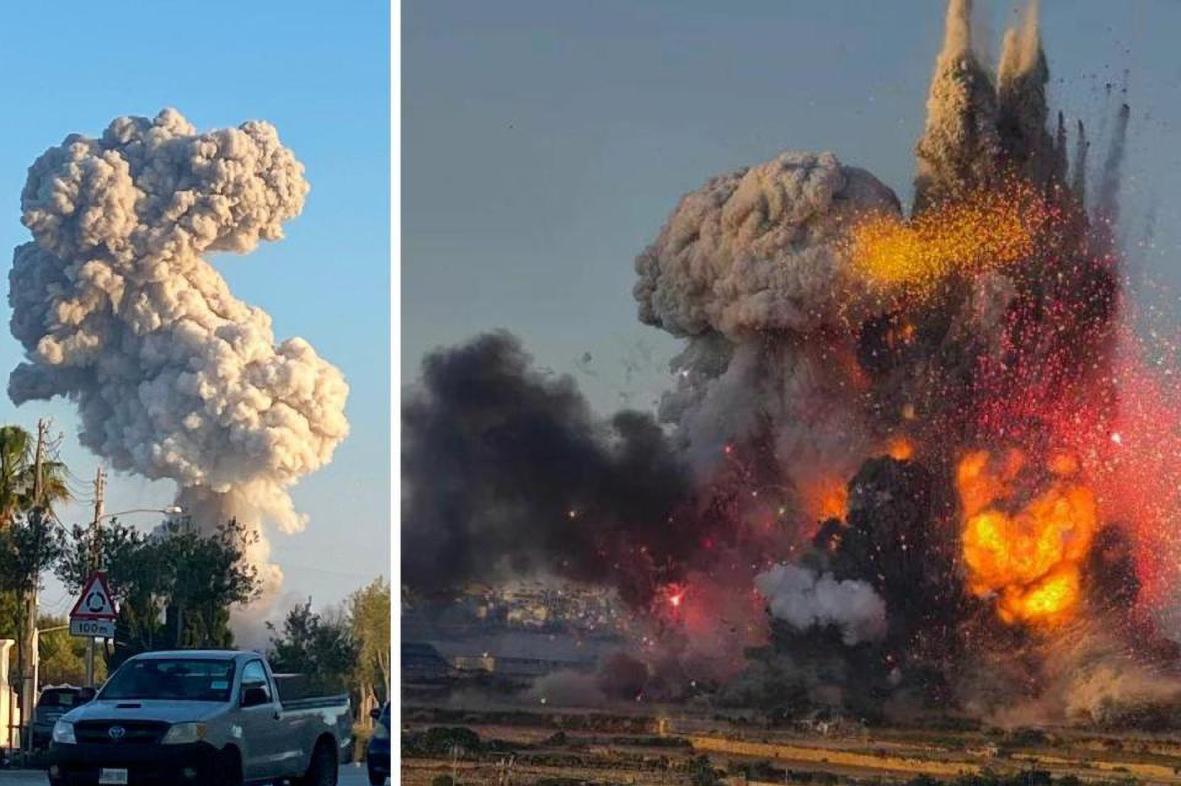 The blast was seen - and felt - from a large distance.
Factory not operated by Lourdes band club
The Lourdes San Ġwann band club first applied to build the factory in 1989, with a permit eventually granted in 1993.
The land on which the factory was built is believed to be owned by the government. Although the factory was owned by the Lourdes San Ġwann band club, it has not operated the factory for several years.
The factory was most recently operated by Edmond Saliba, a veteran fireworks enthusiast who has held the licence to operate the factory for the past eight years.
Saliba was named the factory’s licensee in the summer of 2018, following the blast at the site earlier that spring.
“After the incident at the Lourdes fireworks factory in May 2018, the committee had to appoint a new licensee,” the factory’s committee wrote in a July 2018 Facebook post in which Saliba was introduced as its new licence holder.
Court records show that Saliba was previously convicted over a fireworks-related incident and witnessed other incidents at fireworks factories throughout his career.
In 2023, he was found guilty of negligence when setting off fireworks for a wedding in Gozo two years earlier.
Saliba, who has held a licence to let off fireworks for over 30 years, was approached by the father of the bride to let off fireworks in the Xagħra valley, in the vicinity of a series of protected trees.
Despite obtaining all the necessary approvals from the police, he had failed to apply for a permit from the Environment and Resources Authority, with courts initially handing down a fine of €11,250 and suspending his licence for a year.
This was later revoked on appeal in 2024, with his fine slashed to €1,500.
Years earlier, Saliba was slightly injured in an explosion at another fireworks factory in Bidnija in 2009.
Saliba was one of several men inside the factory when the blast took place. A 26-year-old man was killed in the incident.
He was also one of the men on site at the time of the March 2020 incident.
Attempts to contact Saliba were unsuccessful, and he hung up the phone as soon as he was told that he was being contacted by Times of Malta.
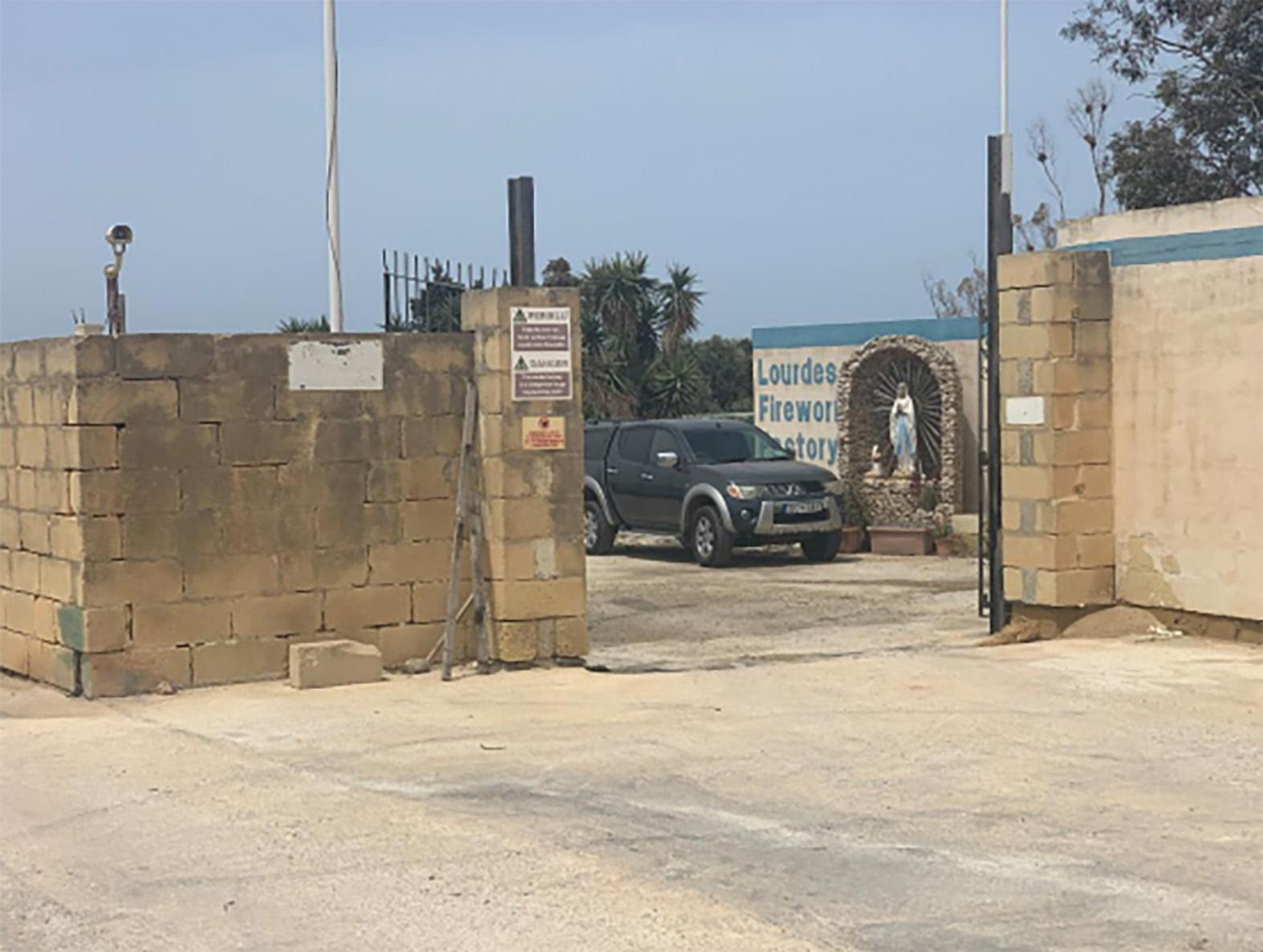 The Lourdes fireworks factory before the blast. Photo: Planning Authority
High humidity levels before the blast
With investigations still under way, the cause of the blast is yet to be fully established, however sources close to the investigation believe that the high humidity in the hours preceding the explosion could have played a factor.
Weather reports show that humidity levels topped the 90% mark shortly before the blast.
A person is believed to have been working at the factory in the early evening the day before the explosion, which investigators believe was the last time somebody entered the factory.
More than 10 experts, each with their respective team, are currently combing through the site, which measures over 4,500 square metres, to piece together the sequence of events leading to the explosion.
Investigators nevertheless believe they have an indication of what happened on the day thanks to satellite data and seismic monitoring information, as well as through the experts’ work on the site.
The blast caused widespread damage in the area, with over 90 farmers suffering damages as a result of the explosion.
These include the owner of a nearby 250-strong cow farm, who has seen his farm’s milk production decimated. Ten cows were killed as a result of the explosion, four of them at the time of the blast, with several others put down in the days that followed.
In total, damages were registered across some 200 separate parcels of land, stretching across Salini up to Burmarrad, with farmers suffering thousands of euro worth of damage.
One farmer alone is believed to have suffered damages amounting to roughly €34,000.
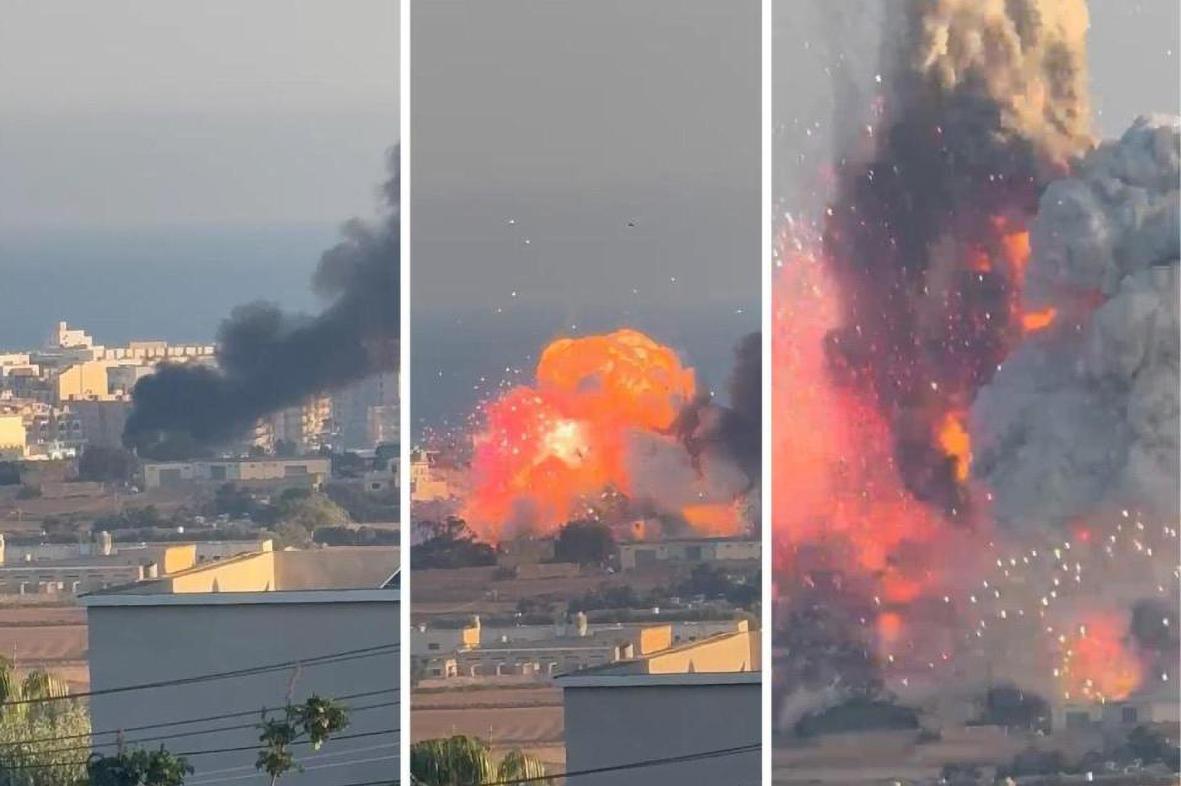 A video captured a rapid, terrifying chain reaction. But at first, only thick black smoke is visible.
Dog and mouse escape the site moments before the blast
Investigators have discounted an initial working theory that somebody may have entered the factory in during the night, just hours before the explosion.
CCTV footage first obtained by investigators showed a van parked outside the factory for a short six-minute spell at 4am, just two-and-a-half hours before the explosion.
The van’s presence initially puzzled investigators. However, they have since established the van’s driver was a farmer who was there to turn off a pump in a nearby field.
The footage indicates that animals in the area may have sensed the imminent explosion, with a dog and a mouse seen escaping from the complex just moments before the blast.
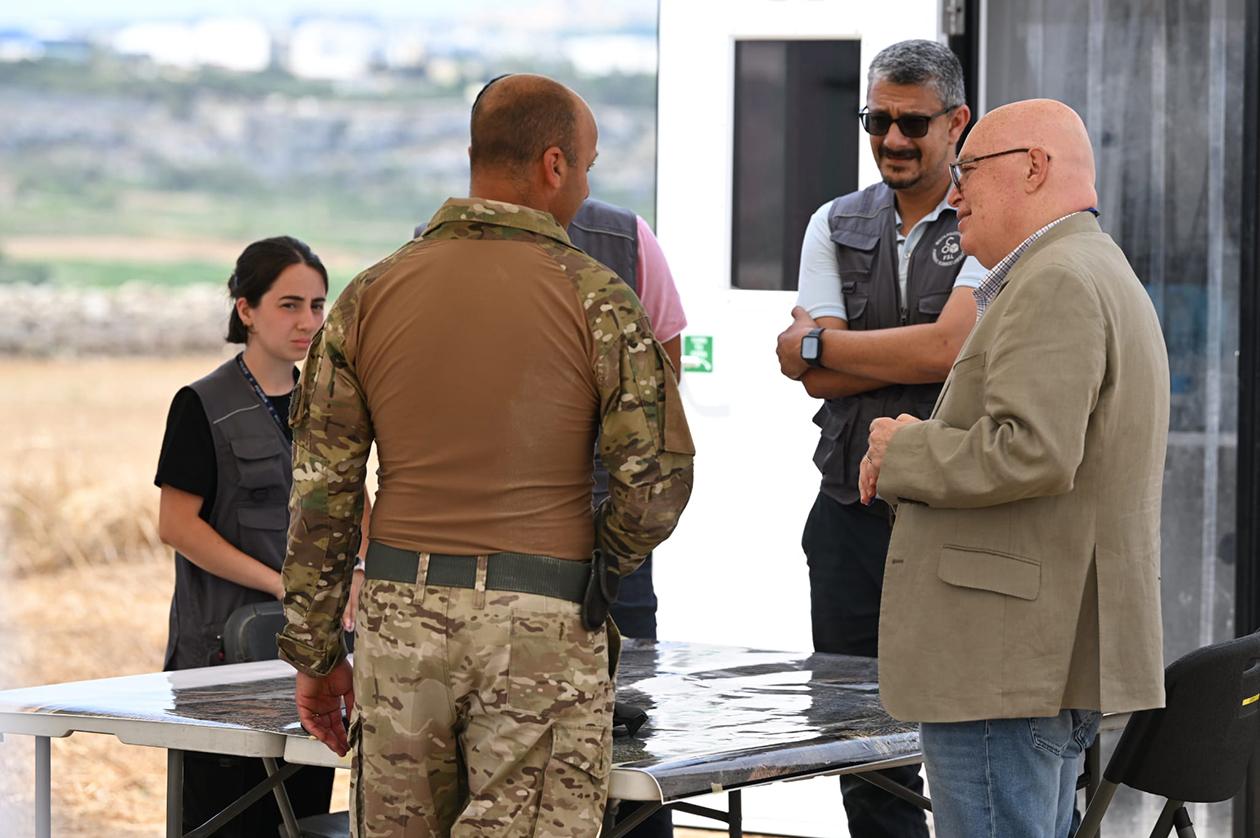 Magistrate Joe Mifsud (right) with experts on the scene of the blast. Photo: Matthew Mirabelli
2011 report
Sources say that the ongoing inquiry, led by Magistrate Joe Mifsud, will also examine whether the factory was operating in line with recommendations made in a 2011 report drafted by an independent commission headed by chemist Alfred Vella.
The report was drafted in response to a 2010 blast in Għarb that left three dead. It had recommended an urgent ban on dangerous chemical mixtures, testing centres for chemicals used in fireworks and improvements to transport vehicles, among other things.