Watch: The reshuffle that left almost no one satisfied
Ministers involved in cabinet changes did not get what they wanted
A small cabinet reshuffle on Wednesday left practically everyone dissatisfied, with most ministers involved not getting what they wanted. Many ministers and junior ministers wanted to stay put but a few wanted fewer, or more, or different responsibilities, for different reasons.
Sources agree almost nobody got what they wanted in the end and the whole exercise only made everyone involved somewhat more disgruntled with Robert Abela.
As one source put it, “it was a lesson in how to piss everyone off a little bit”.
Abela always wanted the reshuffle to be a contained one, involving only a handful of cabinet members. He himself hinted at some change on Monday, telling reporters he had full faith in Owen Bonnici and would soon back his long-serving minister “with greater force”.
Initially, rumour had it Bonnici would take on Byron Camilleri’s national security portfolio after Camilleri expressed a desire to “move on” to another ministry.
And discussions between Abela and several of his ministers indeed took place at Castille on Wednesday.
But when the ministers walked out of the office of the prime minister later that day and were chased by curious reporters who wanted to know what had changed, it seemed almost nothing, really, had changed.
This is the inside story, according to several government sources.
What Stefan Zrinzo Azzopardi wanted
Zrinzo Azzopardi wanted out from lands. The reason is not yet clear and he would not say why but sources agree his desire to take the Lands Department off his plate was what triggered the reshuffle in the first place.
And he got what he wanted.
Zrinzo Azzopardi, who was appointed minister for lands and the implementation of the electoral programme in early 2024, on Wednesday became minister for EU funds and retained the electoral programme portfolio.
In the end, he returned to familiar grounds, as the EU funds portfolio was his first cabinet post, as a parliamentary secretary, back in 2020.
The lands portfolio was handed to Bonnici.
 Stefan Zrinzo Azzopardi was appointed minister for EU funds and retained the electoral programme portfolio. Photo: Times of Malta
What Byron Camilleri wanted
Camilleri had, for a few months, been telling his colleagues that he would like a change. Not necessarily a smaller portfolio but, ideally, one that would not keep him up as much at night, sources said.
The 37-year-old has been running one of the government’s hottest ministries since Abela took over from Joseph Muscat in 2020.
He is one of the longest-serving home affairs ministers in history and is hailed in Labour circles as one of Abela’s most trusted and loyal people. But the burden of a ministry that is rife with controversy and involves working irregular hours was taking a toll on him and his family, having become a father a couple of years ago.
“To be responsible for migration, crime and national security is to have your nights frequently interrupted by calls about delicate issues that need urgent, serious, attention right there and then,” one source said.
“As a minister you can only keep doing that for so many years. That’s why most of them leave after a short tenure.”
Then again, Camilleri is still very young and is far from hanging up his boots, or even slowing down. So, “he was up for another, equally prestigious challenge”, as one source put it.
But who, in cabinet, would be ready to give up any part of their portfolio for a loyal colleague?
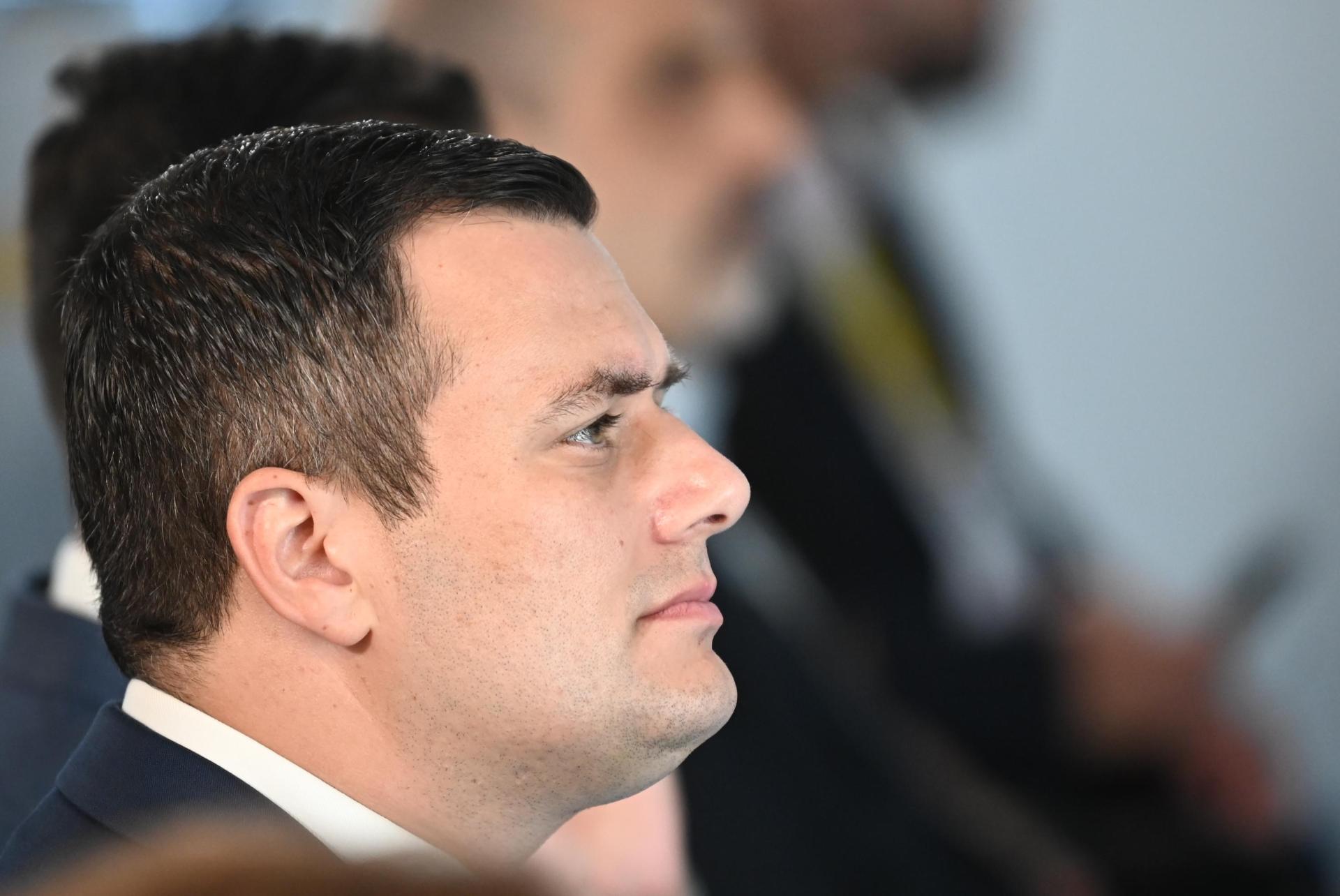 Byron Camilleri has been running one of the government’s hottest ministries since Abela took over from Joseph Muscat in 2020. File photo: Times of Malta
What Abela wanted
Abela was probably the man who wanted the reshuffle the least.
He is happy with his top brass, sources say, especially the ones he trusted with double portfolios or super ministries. People in Labour agree they are performing very well for a government that is regaining public support after a dip in popularity last year.
So, Abela wanted Camilleri to stay put. Camilleri has been through controversies, especially involving prison, allegations of police inaction over corruption in the aftermath of the Daphne Caruana Galizia murder and, most recently, he has had to offer his resignation after a massive drug heist from one of the army’s barracks.
But he has a good track record in Labour’s eyes.
He stunted irregular migrant boat arrivals (from 3,405 people arriving in 2019 to 48 this year), is tackling the foreign worker influx through his labour migration policy and improved a once-bleak situation in prison.
Figures show crime is also down and every murder that happened since he took over in 2020 has been solved on his watch.
“And, besides, you don’t meddle with a functioning home affairs ministry a year-and-a-half before the election.
“If the formula is working, you hold onto it, not risk it all,” one source said.
“It’s the kind of ministry that doesn’t win you votes but could lose you an election if the issues are not being properly tackled in the public perception. Having irregular migration and crime under control won’t get us many votes, as people take that as a given. But if we lose control of those – and, believe me, those are the two main issues for people – they’ll abandon us in a minute.”
For all these reasons, Abela wanted Camilleri to stay. However, he was ready to hand over the national security portfolio to Bonnici if Camilleri insisted he wanted out, a prospect which, according to sources, had already started to excite people at Bonnici’s culture ministry.
But what would Camilleri be left with then?
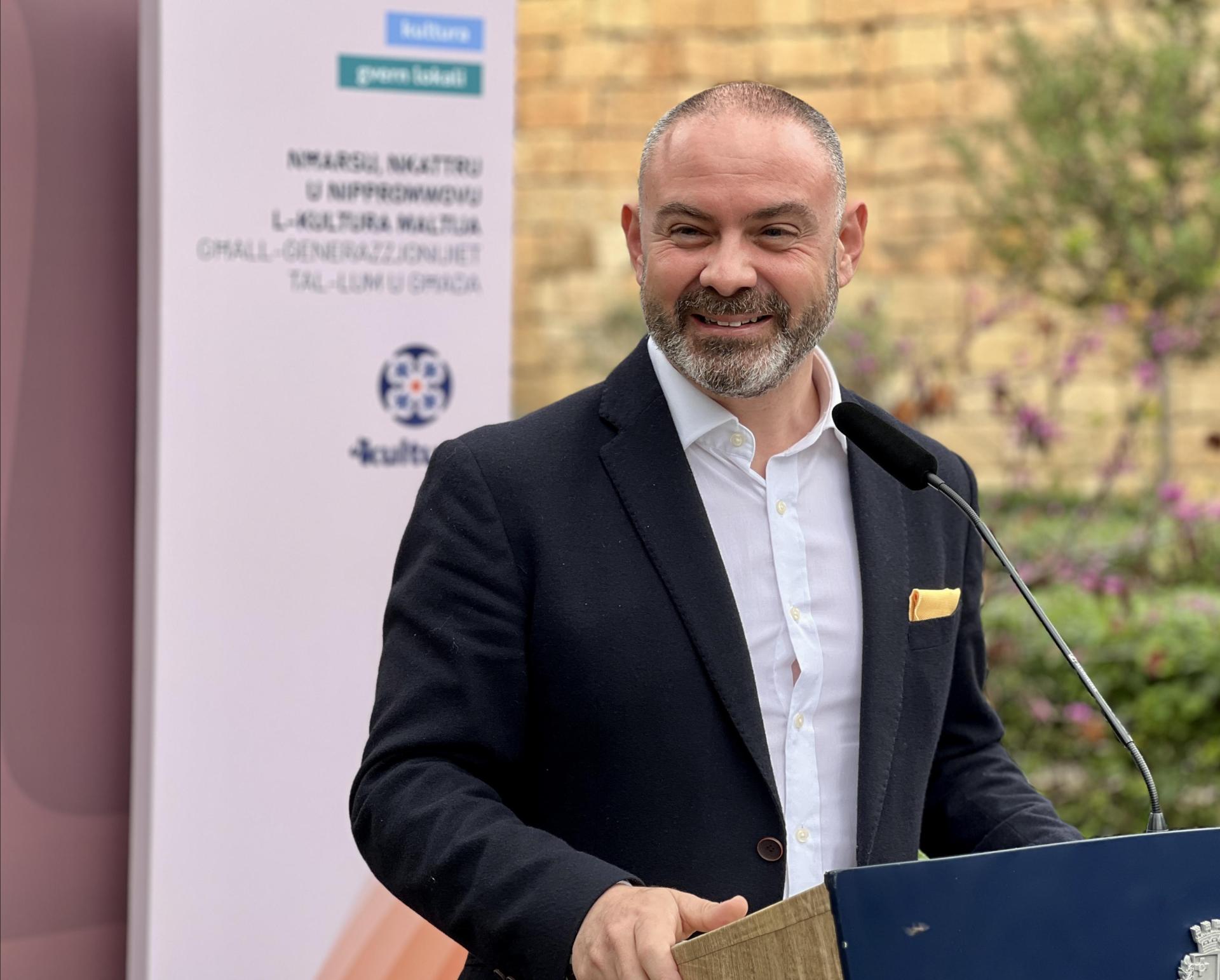 Robert Abela told reporters he had full faith in Owen Bonnici and would soon back his long-serving minister ‘with greater force’. Photo: Times of Malta
In walks tourism
Sources said at this point in the discussion it became clear that the only portfolio that could be moved to Camilleri was Ian Borg’s tourism remit.
Borg, sources said, was open to give that up for his colleague.
For a while, that appeared to be a win-win solution.
Camilleri would become tourism minister, Bonnici would get the national security portfolio he coveted and Borg would have his workload, already taxing with foreign affairs, eased.
But Abela strongly felt that both tourism and home affairs could only be best handled right where they were, at Borg and Camilleri respectively.
At this point, it became clear that if Camilleri insisted on moving on from home affairs, he would have to settle for a relatively weaker portfolio, potentially retaining his brief for employment.
That would have been perceived as a significant demotion for one of Labour’s youngest, most energetic and high-performing star candidates.
Therefore, the men agreed it was best if everything remained largely untouched for everyone.
In the end, Abela spun the reshuffle as one that was “in the national interest”.
“As with any company, without change every now and then things stagnate,” he said. “We wanted to give certain ministries a push and maximise the great talent at my disposal.”
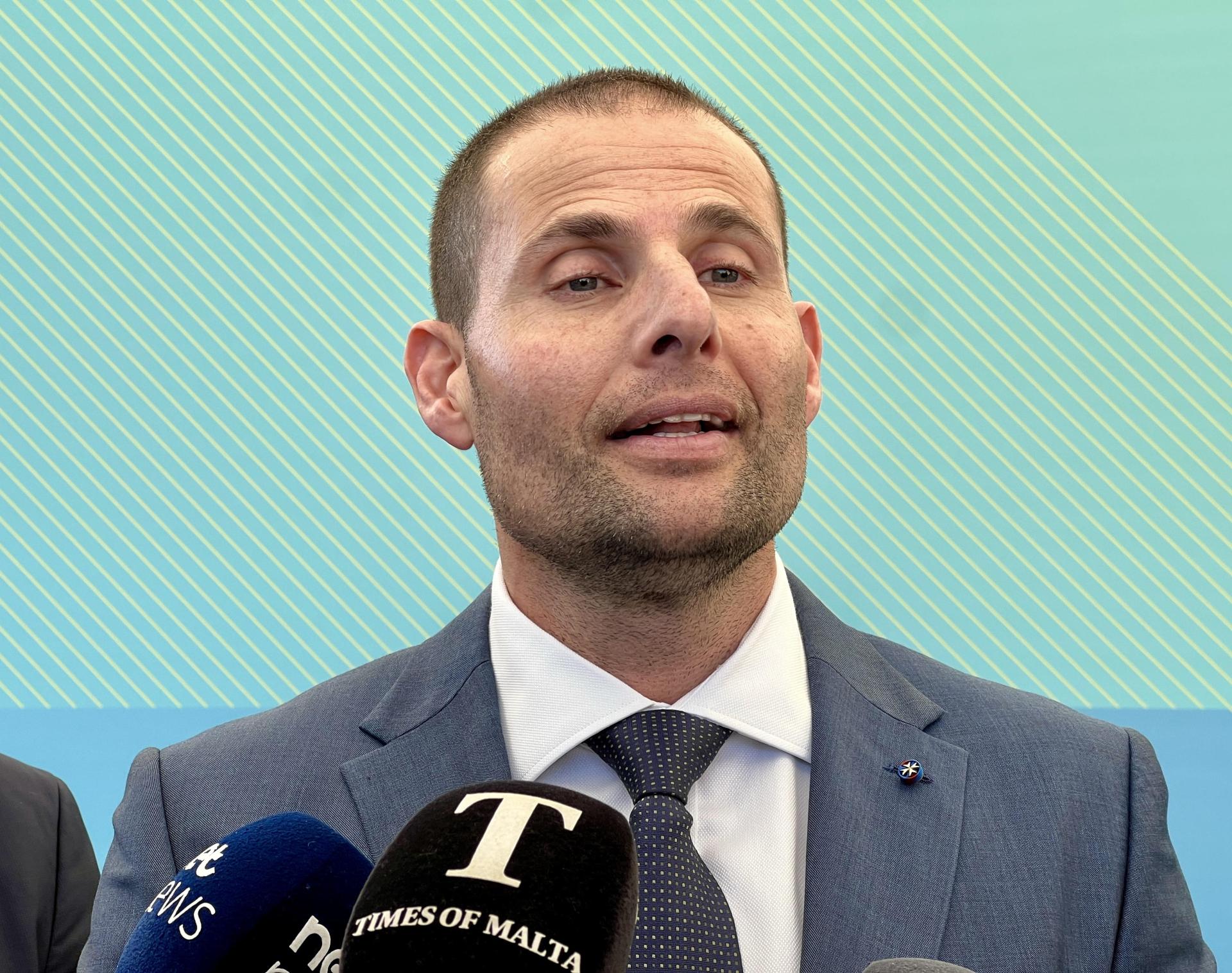 Robert Abela spun the reshuffle as one that was 'in the national interest'. Photo: Times of Malta