'We spent three terrible years waiting for our dad to die'
Paul Scicluna's family recall the pain of seeing him fade away in a vegetative state
A sudden cardiac arrest shattered the life of Paul Scicluna, a healthy and happy retired father in 2021. The event plunged him into a vegetative state from which doctors said he would never recover and for three years his family endured a painful vigil, watching him fade away, waiting for him to die.
Less than a year after Paul Scicluna’s death, two of his children – Kevin and Marilyn – have decided to open up to advocate for a more inclusive euthanasia law, believing that their father should have had the choice of a dignified end.
They told Times of Malta their father would have benefitted from the option, and that the government’s proposed criteria are too narrow to have helped him.
Paul, a vibrant musician and cyclist, suffered a sudden cardiac arrest while on holiday in Porto with his wife and friends in 2021. The ambulance took 20 minutes to arrive, a delay that his son believes was critical.
“That is where most of the damage was done,” he said. “He spent all that time without oxygen to the brain.”
In Porto and then back in Malta, their father spent three months in intensive care.
“Doctors told us he would be a vegetable for the rest of his life, and that he would eventually die in that state,” Kevin recalled.
“His brain had suffered too much damage and would never recover. He was already in an induced coma then.”
For the next three years, he lived in a state of unresponsive wakefulness. His body was healthy, all his organs functioning, only his mind was gone. But he never spoke to them again.
“He was just a person in a bed, eating from a feeder pipe attached to his stomach,” Kevin said. “His brain was switched off.”
‘We didn’t know if he could see or hear’
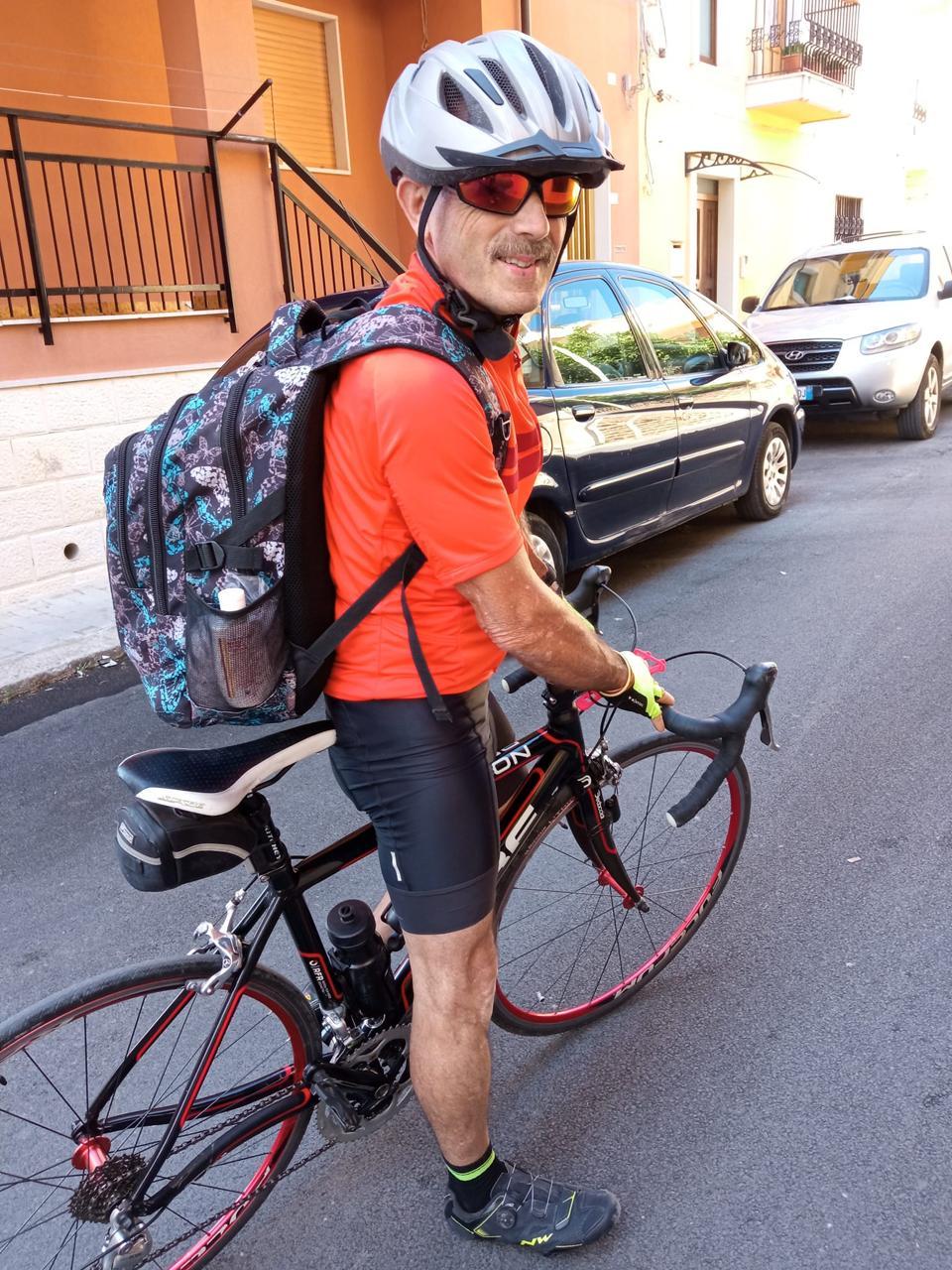 Paul Scicluna, a vibrant musician and cyclist, suffered a sudden cardiac arrest while on holiday in Porto in 2021. Family photo
Paul’s daughter, Marilyn, said they also had no idea whether he was seeing or hearing them and whether he was at all conscious. His body would sometimes move involuntarily. He would sometimes open his eyes, tilt his head or seem to look somewhere, but they were involuntary movements.
“We bought him a TV and we would play his favourite music, but we never knew if he was truly hearing or seeing anything,” Marilyn said.
“I pray that he wasn’t conscious,” Kevin added, the emotion raw in his voice. “Because imagine spending three years face up in a bed, your family comes to visit and you can’t say anything to them.
“In those three years all of us siblings got married and my brother had a baby. He missed out on all of this. To be honest, whenever I would visit him, I would never tell him what was going on in our lives. Because if he was listening, imagine how guilty he would feel for not being able to come to my wedding, or to congratulate me. So, I’d go visit him and just sit with him.”
Their father was a fit and joyful man, they said, and always lived life to the fullest. And they say that before the accident he had a clear opinion on end-of-life care.
“He would sometimes tell us to kill him if he ever ended up in a situation like that whenever we heard other people talking about such tragedies,” Marilyn said.
“We would joke about it, not knowing it would actually happen. We know he would have definitely wanted the euthanasia option in that situation.”
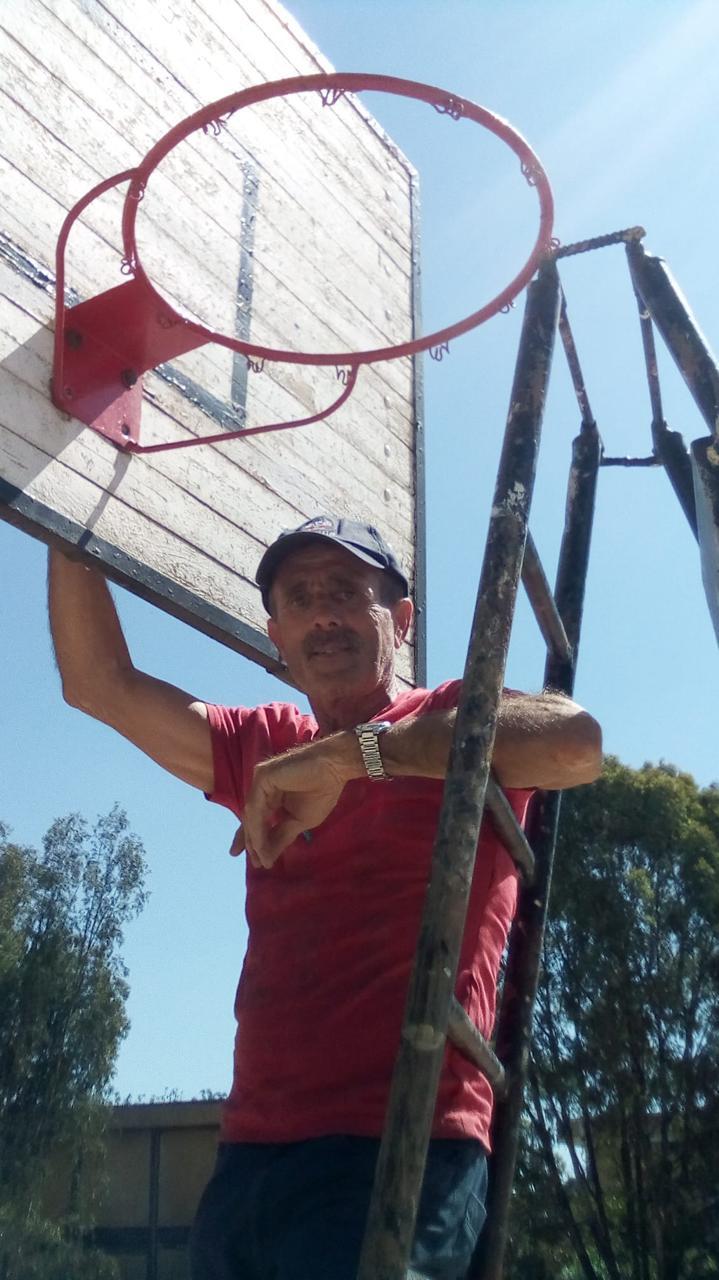 Paul was a fit and joyful man.
Three years
The family’s grief was a prolonged and agonising process.
“We lost dad on the day of the accident, not when he died,” Marilyn said. “We started grieving him while we were waiting for him to die. Because we knew he was going to die, we just didn’t know when.”
Kevin confessed to a difficult truth: “I don’t want this to sound bad, but I would pray for him to... not to die exactly, but to be relieved of what he was going through. Because it was torture to him, and it felt useless. He didn’t deserve that.”
The siblings said their father would sometimes contract COVID and other terrible infections but would manage to recover from each one, leaving his loved ones with a bitter-sweet feeling. It felt like he was only recovering just so that he can continue to suffer and die, they said.
Paul died on December 7 last year, with not much warning. Kevin said his organs shut down and he faded away, as if he had gone to sleep. Marilyn said it was so unexpected that nobody was beside him when it happened.
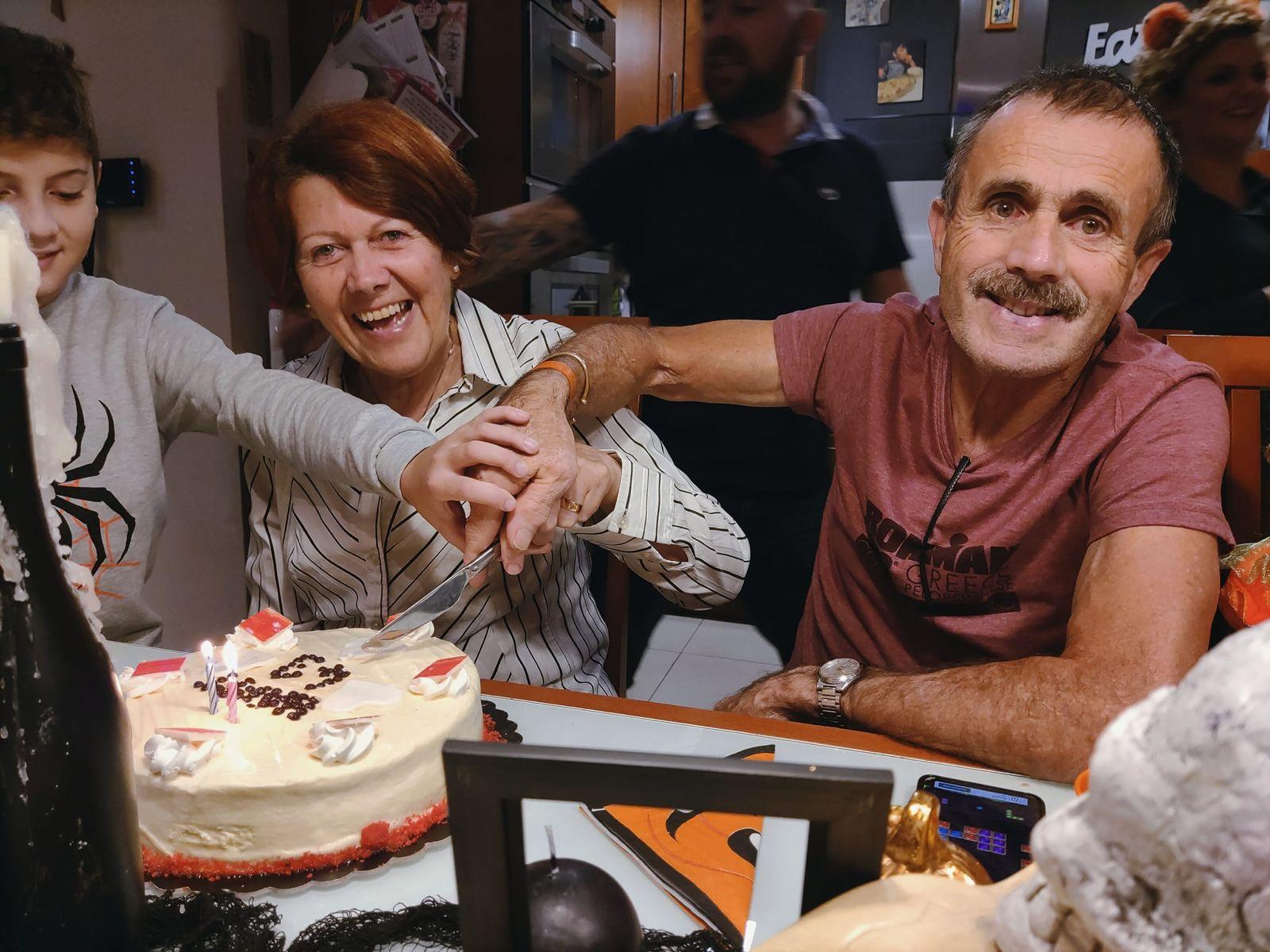 Paul with his wife Elizabeth. Family photo
A euthanasia law
Earlier this summer, the government launched a public consultation on a possible proposed law for assisted voluntary euthanasia. Currently, assisting a suicide is a criminal offense but the law would change this, under strict conditions.
When it launched the public consultation, the government said it would only allow it for patients over 18 who had a terminal, irreversible illness with a prognosis of less than six months to live. It also specified that a patient had to be fully conscious to make the request, and that conditions like disability, mental health issues, or age-related illnesses were not valid grounds.
It is these strict criteria that Kevin and Marilyn believe are a failing of the proposed law.
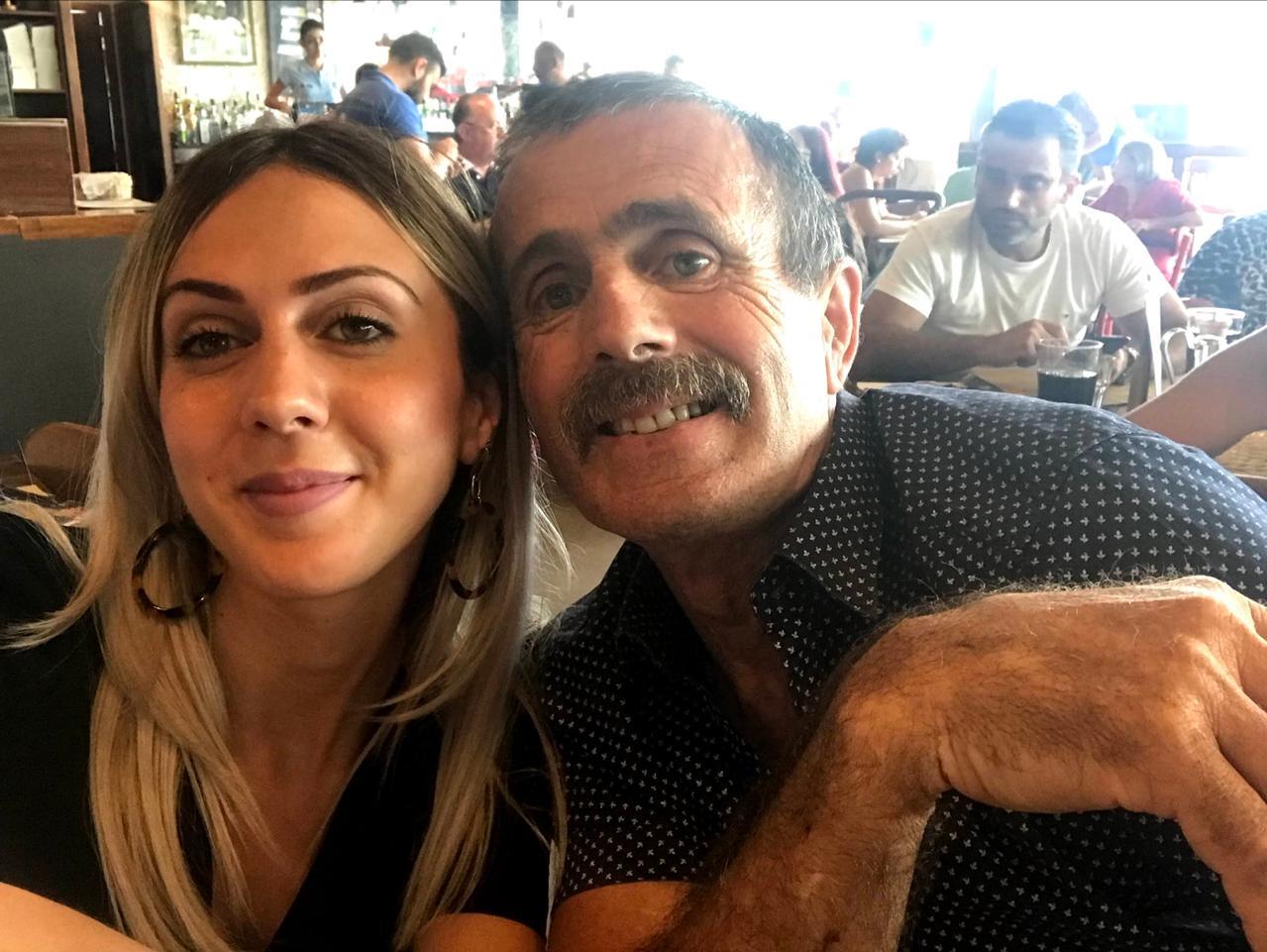 Paul with his daughter Marilyn. Family photo
“Had euthanasia been available, dad would have done it for sure. Plus, if he could opt for euthanasia [through a living will done earlier in life] he could have donated his organs, because they were all still working perfectly after the accident,” Marilyn said.
“But the principles of the law as proposed by the government wouldn’t even have made our dad eligible for it.”
“We’re not saying a euthanasia law should force people to opt for it,” Kevin said. “But if someone is going through something like our situation and they feel like it makes sense to them, then why take it away from them?”
Kevin and Marilyn said they, too, would create a living will if given the option, a document that would allow them to specify their wishes for end-of-life care.
“That way, at least we know that if we’re ever in a situation like that, we have a living will that can speak for us,” Marilyn said.
“My dad didn’t deserve to die like that.”