Repeat bail breaches that are taking their toll
Repeated bail cases have reignited debate over conditional release
An incident in which a man allegedly injured two Transport Malta officials while already out on bail has once again placed Malta’s bail laws under scrutiny.
Stoyan Gafà was charged with reckless driving after he crashed into the car of two officials as they were supervising traffic near the Santa Luċija tunnel.
It quickly emerged that Gafà was allegedly also behind the wheel for a Christmas Eve crash that killed 31-year-old Angie Marlene Mesa Gonzalez.
Gafà, who was charged with a series of offences which ranged from driving under the influence to carrying drugs and an unlicensed knife, was granted bail for the fatal incident.
This despite him already being on bail for another car crash, less than a week earlier, for which he was charged with driving without insurance.
Gafà’s is only the latest in a string of incidents in which defendants are repeatedly granted bail, only to be later charged with fresh offences.
In some high-profile cases, courts have yo-yoed between granting and revoking bail for alleged repeat offenders.
Last month, the courts withdrew bail initially granted to serial offender Melvin Debono, known as il-Quws, after he was granted bail for a seventh time, this time for allegedly threatening to burn down his ex-girlfriend’s apartment.
Similarly, Lilu King was granted bail for a third time last July after being accused of injuring a man, only for courts to overturn the decision shortly afterwards.
Other, less notorious cases, have attracted less attention, despite their sometimes puzzling nature, such as the case of a man granted bail after being charged with breaching multiple bail conditions.
Malta’s laws outline how courts may grant bail once they are satisfied the accused will not abscond, attempt to interfere with witnesses or commit other offences while on bail. This decision is left to the judge or magistrate’s discretion, giving them the responsibility of weighing whether bail should be granted.
When breaches occur repeatedly without proportionate consequence, victims’ confidence in the justice system is undermined, and their sense of safety is significantly compromised
Impact on victims
But NGO Victim Support Malta warned that repeated breaches of bail often cause victims to lose faith in the system and disengage from criminal complaints.
A spokesperson for the organisation told Times of Malta it had “seen victims feel pressured to withdraw complaints or disengage from proceedings” as a result of repeated breaches of bail.
Such incidents “erode their confidence in the system’s ability to protect them,” the spokesperson said, warning they create a perception that reporting crime may expose them to greater risk without adequate safeguards.
Experience shows these are not isolated incidents, but a recurring and deeply destabilising reality for many victims, the spokesperson said.
Victim Support Malta called for repeated bail breaches to be met with harsher consequences, particularly a “progressively stricter judicial response, including reconsideration of continued release on bail, stronger supervision measures and clearer, immediate consequences”.
While bail protects the accused’s fundamental presumption of innocence, this needs to be balanced against “the equally important right of victims to live free from fear, intimidation, and ongoing harm,” the spokesperson said.
“When breaches occur repeatedly without proportionate consequence, victims’ confidence in the justice system is undermined, and their sense of safety is significantly compromised,” they said.
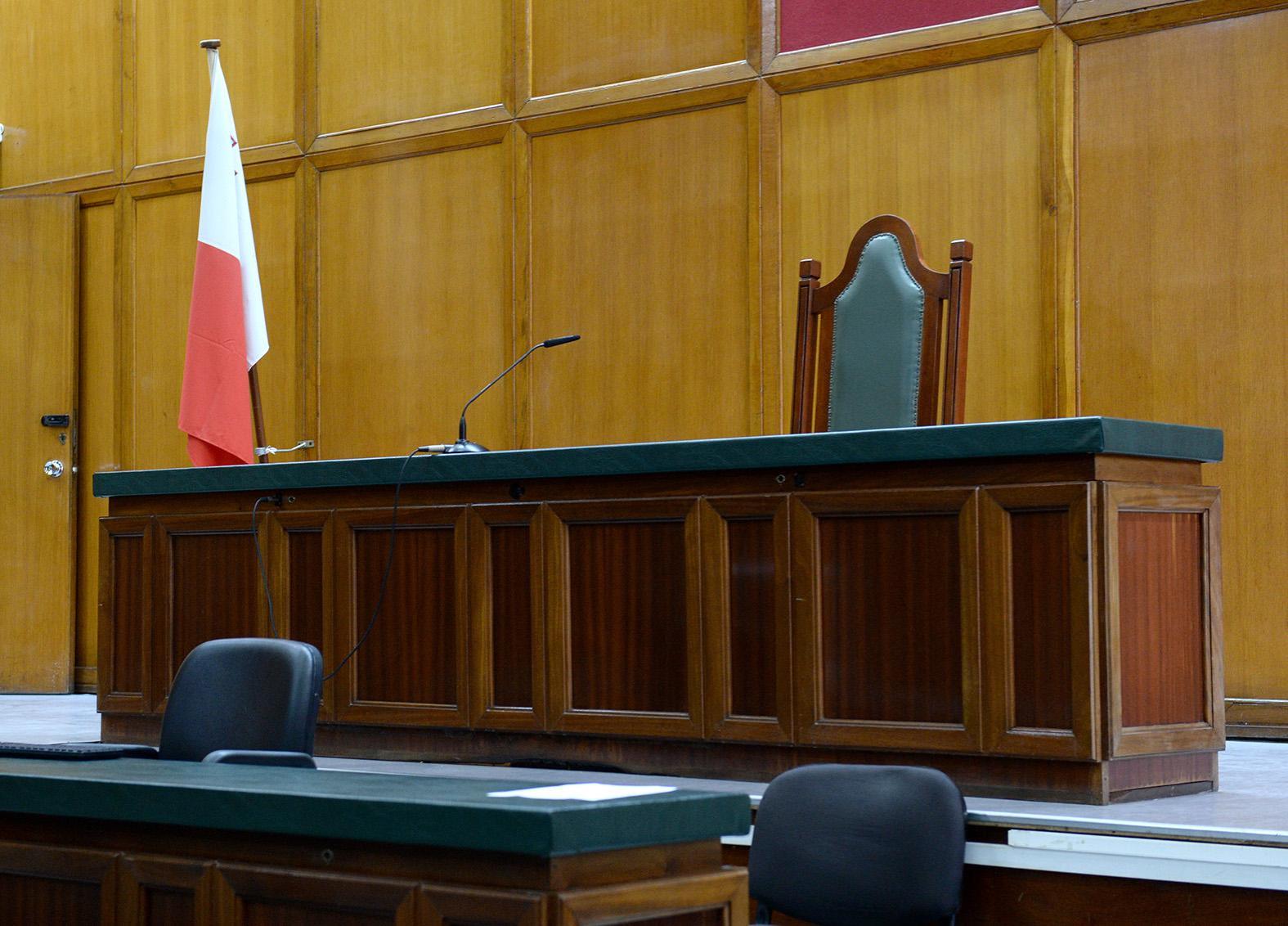 Debate over bail was reignited by a series of incidents involving people out on bail. File photo
Repeat bail offenders adding to court delays
Court experts who spoke to Times of Malta expressed their frustration at how repeated bail breaches often end up “crippling” Malta’s notoriously slow courts and grinding proceedings to a crawl.
“Why should a person be running free when they have broken the conditions of the first bail? That shows they are not trustworthy,” one court expert said.
“Aside from the danger, this is adding to the case list of an already crippled system full of systematic delays,” they added.
Despite slashing delays in some respects, with the IMF recently highlighting the country’s “substantial improvement”, Malta’s courts remain among the slowest in Europe.
However, lawyers working within the criminal courts say bail decisions are more complex than may initially appear.
“The fear victims experience is real, palpable and understandable,” lawyer Stefano Filletti said, when contacted.
“However, courts have to play a delicate and sometimes awkward balancing act” when considering bail, he said.
On the one hand, Filletti said, is a person’s presumption of innocence and right to liberty. On the other, the court’s reassurance that a person will not flee, tamper with evidence or commit other offences if not placed in remand.
The court does not always get this balance entirely right, but these are the exception, not the rule, lawyers insist.
In any case, they say, bail requests should always be viewed on a case-by-case basis, rather than introducing a hard and fast rule, they argue.
“Say you put a hard stop to all bail requests for people who have already breached bail, it might create a whole other injustice,” Filletti said, raising a hypothetical example of a person on bail for a traffic incident who is later involved in a second traffic incident through no real fault of their own, by way of example.
Filletti raised another, less immediately apparent, point.
Unlike others, who have the luxury of taking a broad view of matters, courts are bound by the legal principle stating they can only consider material presented in proceedings when considering a case.
In practice, this means courts are expected to block out all outside noise and examine a case purely on its own merits.
“This principle is crucial because doing otherwise risks prejudicing the case,” Filletti points out. “But sometimes it might shield you from the obvious when it comes to bail”.