Malta’s diplomatic balancing act in the ‘law of the jungle’ global order
As fears of US imperialism grow, foreign policy experts say Malta needs to reflect on its diplomatic strategy
Barely a fortnight into the new year, diplomats around the world, including those in Malta, have found themselves grappling with a dramatic shift in the world order, with decades-old diplomatic protocols upended by the US’s extraordinary military operation in Venezuela.
The move to capture and extradite Venezuelan President Nicolás Maduro, criticised by many as a unilateral assault on the Latin American state’s sovereignty, renewed fears across Europe that Donald Trump would turn his sights to Greenland next.
US officials have barely contained their glee at the prospect.
Secretary of State Marco Rubio said he would be meeting Danish officials over the coming days to discuss the US “acquisition of Greenland”, with the White House hinting that military action could follow if talks falter.
On Tuesday, White House deputy chief of staff Stephen Miller laid out arguably the clearest sketch of the US’ strategy yet, setting out what he described as “the iron laws of the world”. “You can talk all you want about international niceties and everything else,” Miller told CNN. “But we live in a world that is governed by strength, that is governed by force, that is governed by power.”
Trump himself doubled down in a wide-ranging interview with the New York Times, saying the only limit on his powers was not international law, but “my own morality. My own mind. It’s the only thing that can stop me”.
Throughout all this, EU leaders have been scrambling to piece together a response in the face of fears over US imperialism and the erosion of a rules-based world order.
On Tuesday, several European countries issued a joint statement in support of Denmark, calling for Greenland’s sovereignty to be respected, with EU foreign policy chief Kaja Kallas describing the situation as “extremely concerning”.
Malta has kept a low profile to date, remaining tight-lipped over both the Venezuela and Greenland situation.
Questions sent to the Foreign Ministry asking whether Malta backed the calls supporting Denmark and Greenland remain unanswered at the time of publication.
Times of Malta spoke to several local foreign policy experts about how Malta can navigate the increasingly stormy international waters.
EU solidarity over Greenland
Perhaps unsurprisingly, many called for Malta to lean more heavily into its EU partners, also as a form of self-preservation.
“The EU stands and falls with the mutual solidarity of its member states. Unity is strength,” Anna Khakee, a professor in international relations at the University of Malta, said. “Given the unreliability of the US, Malta’s best bet is to work for a united Europe which defends the sovereignty of its members.”
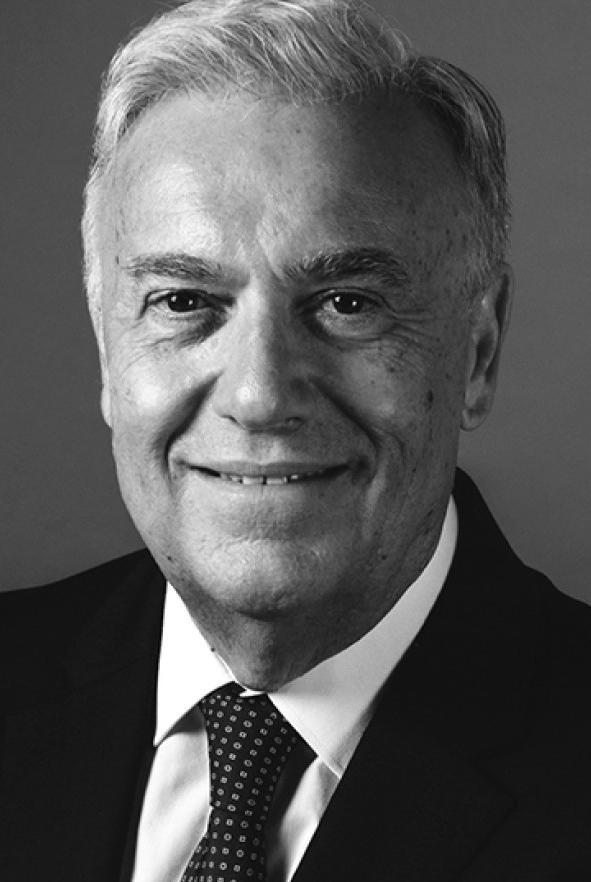 Michael Frendo
Michael Frendo, who served as foreign minister between 2004 and 2008, believes international law and EU membership are our only protection. This is especially true of small states such as Malta, he argued.
Malta should lobby strongly within the EU to speak with one unanimous voice supporting Denmark on the issue of Greenland, he said. Ultimately, Frendo said, “the EU is our home. If the EU collectively loses its relevance on the global stage, so does each and every individual member state”.
Malta’s former ambassador to the EU John Vassallo, shares this view.
“The best way to counteract Trump’s aggression is to strengthen the EU’s defence and foreign policy,” he said, arguing that Malta needs to embed itself more firmly within the European fabric.
“Getting closer to the inner circle of the EU and abiding by all its laws, especially in taxation, money laundering, passport sales and environmental regulations would help,” he said.
God forbid we don’t defend Greenland- Tonio Borg
‘Silence is a self-inflicted wound’
Quite how forceful Malta’s stance over certain issues should be remains up for debate.
International law expert Omar Grech argued that Malta should “stand vocally with Denmark” to defend its territorial integrity and self-determination, taking a stand against the “return to imperial spheres of influence”.
“For a small state, silence in the face of challenges to territorial integrity is a self-inflicted wound,” Grech said.
“God forbid we don’t defend Greenland,” said Tonio Borg, who succeeded Frendo as foreign minister between 2008 and 2012. “Even at the cost of not improving relations with the US, which has been a key ally, we should defend Greenland and follow EU policy.”
The real question, Borg said, is whether European states would be ready to defend Greenland militarily, a situation that could well “bring about the end of NATO”, triggering an internal crisis in the alliance not seen since the 1974 Turkish invasion of Cyprus.
‘The law of the jungle now prevails’
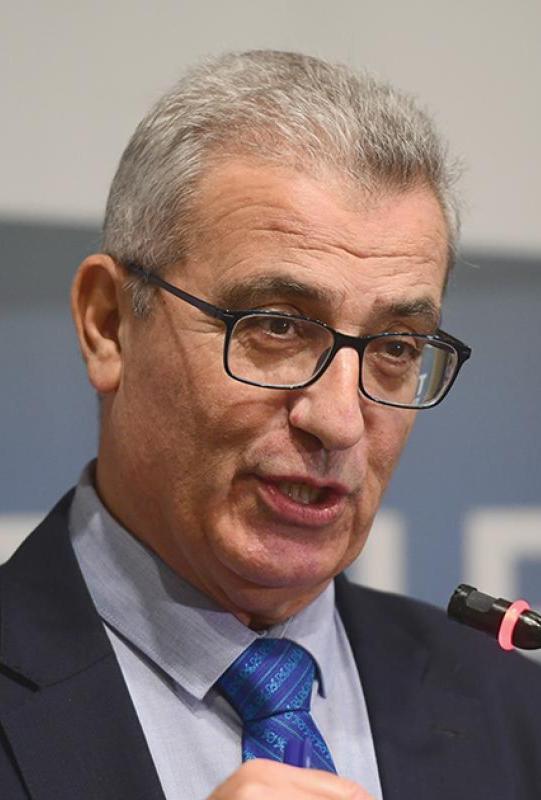 Evarist Bartolo
Evarist Bartolo, foreign minister between 2020 and 2022, took a broader view, warning that, regardless of Malta’s EU membership, the country must develop its own survival strategies, without putting all its eggs into any one basket.
We are now living in “a brutal world where the law of the jungle prevails,” he said, pointing to Miller’s comments earlier in the week.
“History teaches us that only we can look after our own interests. Others have come to rule us in their own interests,” Bartolo said.
“Sadly, the EU is turning itself into a sinking ship. We cannot save it. We must make sure that we have a small lifeboat for ourselves that does not go down with any sinking ship.”
Malta-US relations hanging in the balance
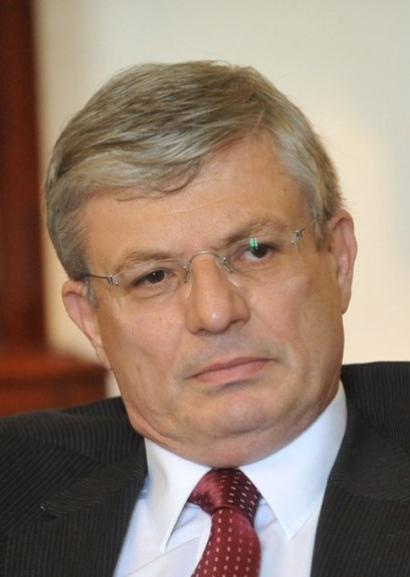 Tonio Borg
Malta has frequently found itself walking a diplomatic tightrope in its bilateral relations with the US, trying to protect Maltese interests without falling foul of Trump’s favour.
In 2020, the cabinet backtracked on plans to sign the controversial SOFA deal, long-coveted by the US, giving American troops special status on Maltese soil.
More recently, Foreign Minister Ian Borg, who was one of only eight world leaders invited to Trump’s inauguration, declared that he had nominated Trump for the Nobel Peace Prize, citing his work in mediating the conflict between Armenia and Azerbaijan.
Flattery, however, can only go so far, experts warn.
“Transactional flattery is a fragile basis for foreign policy,” Grech said. Malta’s relationship with the US, while important, “must be rooted in principled realism”. What’s more, Grech says, “we need to be aware that political pendulums swing, even in the US”.
Anna Khakee holds a similar view.
“Trump does not respect flatterers,” she said. “He enjoys them greatly, but he respects leaders who have found ways to retain their dignity and make their positions clear while creating a rapport with the US President,” she added, pointing to Finnish President Alexander Stubb and Mexican President Claudia Scheinbaum as two prominent examples.
Should Malta nurture relations with China?
But, given the US’s unpredictability and the EU’s growing fragmentation, should Malta hedge its bets and align itself more closely with other global superpowers such as China?
“Malta has always, under different governments, had a healthy relationship with China,” Tonio Borg said, endorsing efforts by EU leaders such as Emmanuel Macron to build bridges with the Asian superpower. “We may not agree with their systems, but we should not abandon our relationship with China, we should develop it even further.”
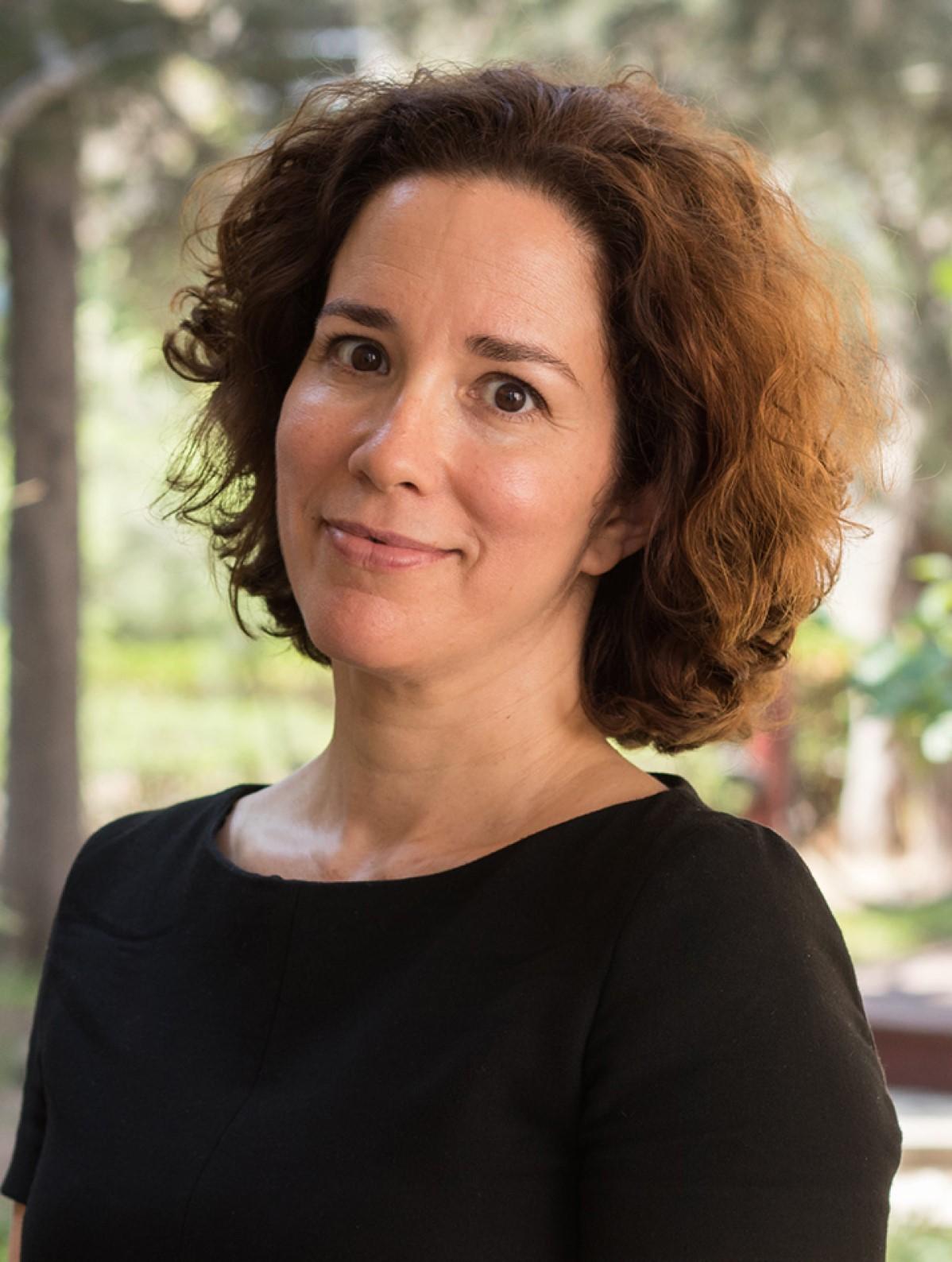 Anna Khakee
Khakee agrees that Malta can use its long-standing friendship with China to its advantage. “The EU as a whole, and here Malta can play a role given its historically good relations with China, should seek to engage with China, as it, too, is rattled by current events,” Khakee says.
“If China could be brought on board for a return to a more rules-based world order, that would greatly benefit Europe, including Malta.” This partnership would be “based on respect for sovereignty, international treaties and orderly, predictable commercial relations”, rather than promoting democracy and human rights, she said. “That’s probably the best we can hope for at the moment.”
Vassallo is less keen on the suggestion, seeing China’s democratic deficit as too big a hurdle. As an EU member, we are “a believer in the rule of law, of freedom of expression,” Vassallo says.
“China is the exact opposite and is dictatorial. Do not even consider such a move,” he warns.
Others are less categorical.
Malta “should build good relations with as many different countries as possible”, without venturing into disputes between states and promoting diplomacy and negotiations in cases of conflict, Bartolo said.
“Malta should maintain its current and historical friendly ties with China, but this is not a replacement for the EU,” Grech argued.
“While trade with China is necessary, our political and security future lies within a rules-based European framework,” he added.
Ultimately, Grech said, “fragmentation within the EU is a reason to lead,” calling on Malta to champion a “Coalition of Small States” within the union.