Who were the election’s winners and losers?
Some candidates emerged stronger, while others were left licking their wounds
Sunday's vote count threw up a series of surprises, with several new faces making it to parliament and a handful of notable names seeing their performances dip.
With the dust now settling on the election, we take a look at some of the main winners and losers from the weekend.
Winners
- Alex Borg
One of the clear winners of the night, despite his party’s defeat, was PN leader Alex Borg.
As Borg himself said in his first reaction to the election result, the PN emerges from the election with a renewed sense of hope, after so many years spent in the political wilderness.
Borg reclaimed the voters who had abandoned the party in its calamitous 2022 campaign, bringing the party’s total vote tally back to the 136,000 mark it recorded in 2017.
Aside from his party’s result, Borg also benefited from the boost typically awarded to party leaders to increase his own vote tally, topping all candidates with almost 22,000 first-count votes, more than three times the 6,108 votes he received in 2022.
While the PN has yet to make significant gains beyond its 2017 tally, the result means Borg is well placed to present himself as the person to guide the party through the next step.
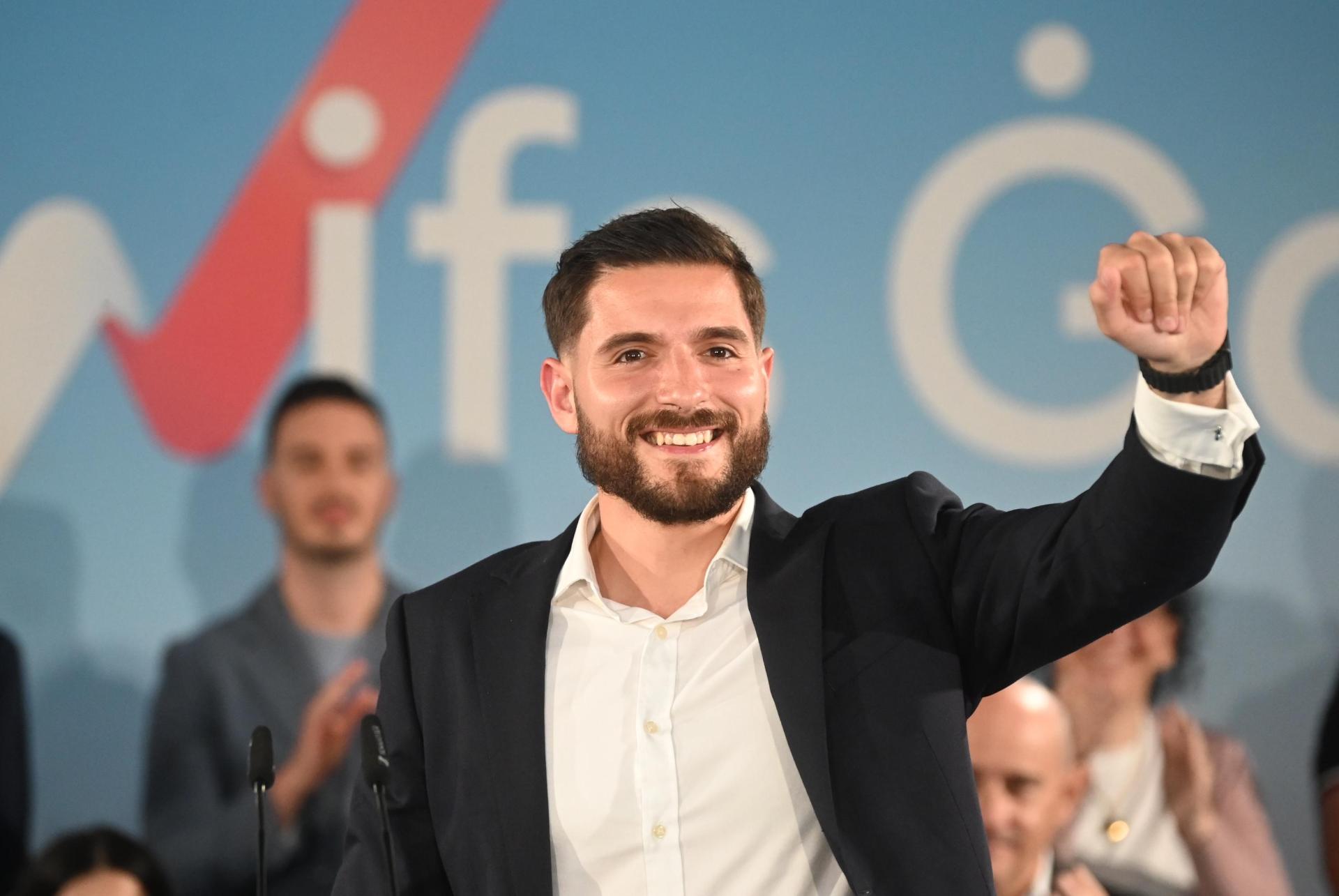 Alex Borg successfully won back the voters PN had lost in 2022. File photo: Jonathan Borg
- Conrad Borg Manché
Undoubtedly one of the highlights of the night was the outstanding turn by former PL Gżira mayor turned PN candidate Conrad Borg Manché.
Unveiled as the Nationalist Party’s star candidate when the campaign had already kicked off, many feared Borg Manché had entered the race too late, while insiders questioned whether voters on the 5th and 10th district would begrudge him his Labour past.
They need not have worried.
Borg Manché cruised his way to a seat on both districts, narrowly missing out on topping the PN vote tally in both cases. The extent of his success came as a surprise to many, not least to Borg Manché himself.
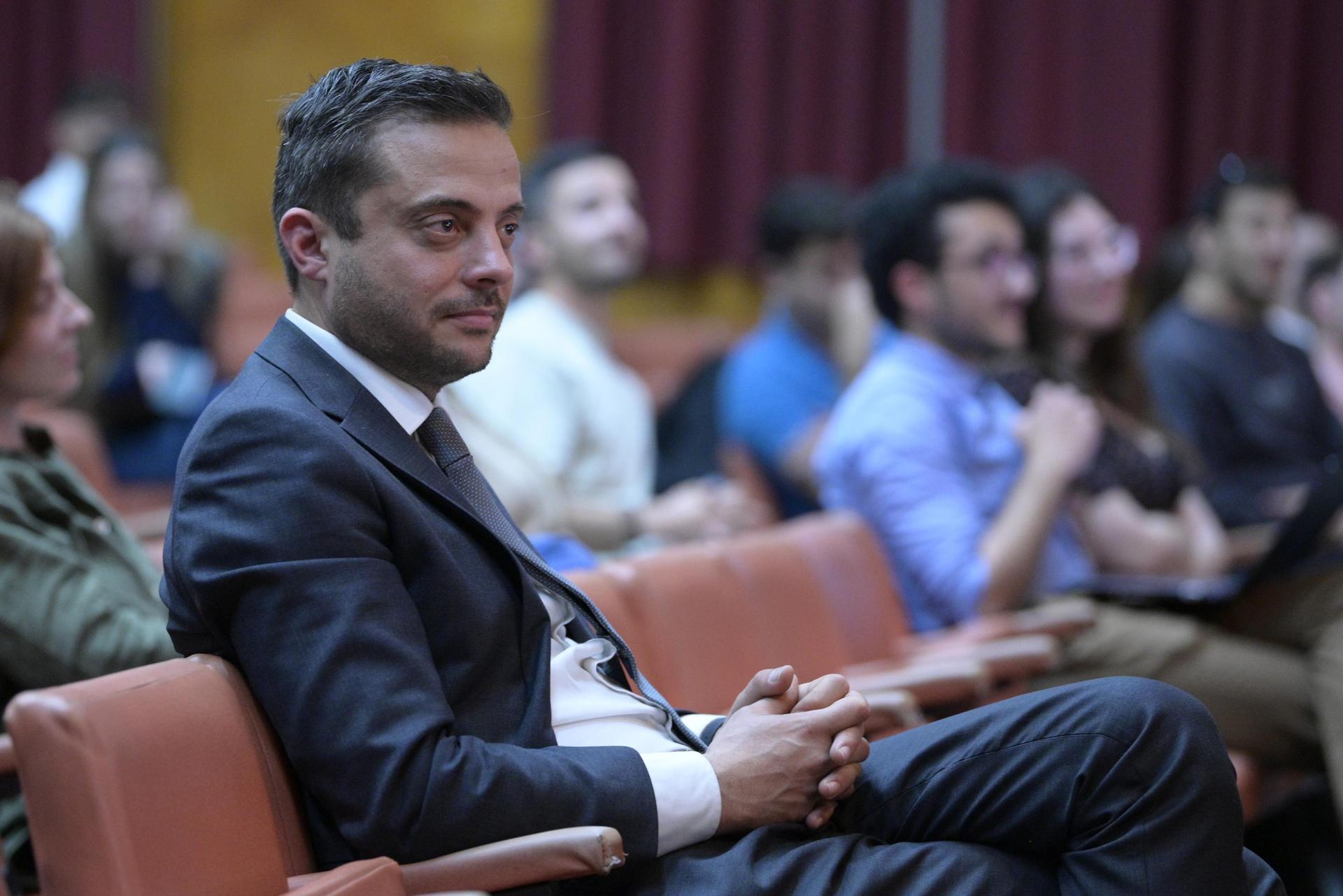 PN newcomer Conrad Borg Manché was elected on two districts. File photo: Matthew Mirabelli
- Young PN MPs
Several of the younger faces in the PN opposition saw their profile continue to surge this election.
Darren Carabott won almost 5,000 first-count votes in the first district, emerging as the party’s runaway leader in that district and only trailing Labour’s Keith Azzopardi Tanti by a few dozen votes in the district.
Meanwhile, Mark Anthony Sammut’s 5,900 overall first-count votes placed him among the party’s very top vote-getters, winning 3,000 more votes than in 2022 and nabbing him a seat in two districts.
Likewise, Jerome Caruana Cilia topped all candidates on district 6, winning over 5,100 votes.
Rebekah Borg was one of several women who performed strongly in the election. Having previously made her way to parliament through a casual election, she comfortably won a seat in two districts this time around.
Finally, Eve Borg Bonello, one of the 12 MPs elected through a gender corrective mechanism in 2022, will be pleased to have made it to parliament on her own steam this year.
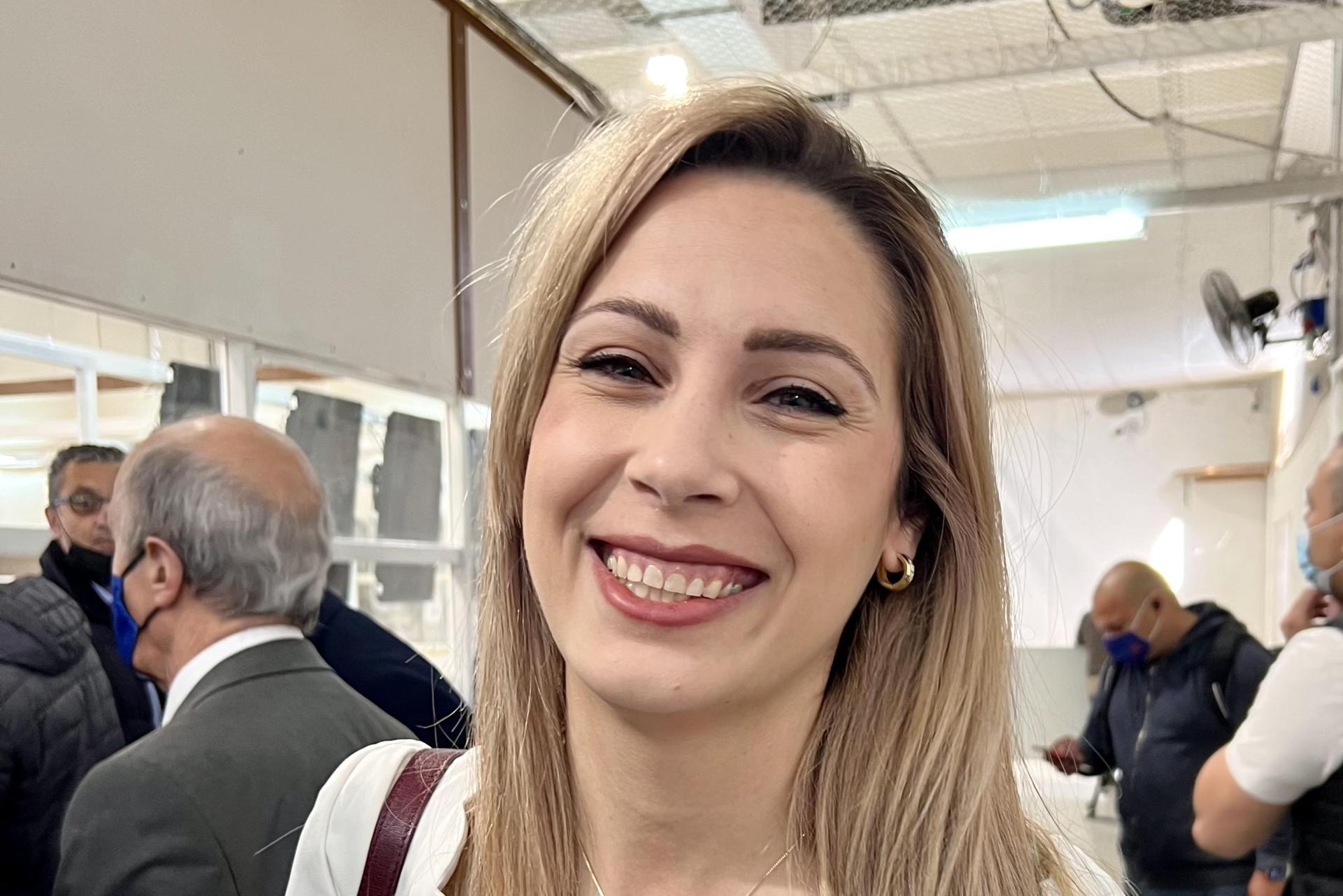 Rebekah Borg was elected on two districts. File photo
- (Some of) Robert Abela’s Cabinet
The members of Robert Abela's Cabinet won 15,000 more first-count votes than they previously had, but a handful of names did much of the heavy lifting.
Top of the list is Ian Borg, who took full advantage of a Roderick Galdes-shaped hole in district 6 to add 3,000 votes to his 2022 tally across two districts. Borg ended the night with over 10,000 votes, emerging as one of the election's best performers.
Several other cabinet members added to their 2022 tallies, including Clyde Caruana, Jonathan Attard and Jo Etienne Abela, all of whom saw their vote numbers increase sharply.
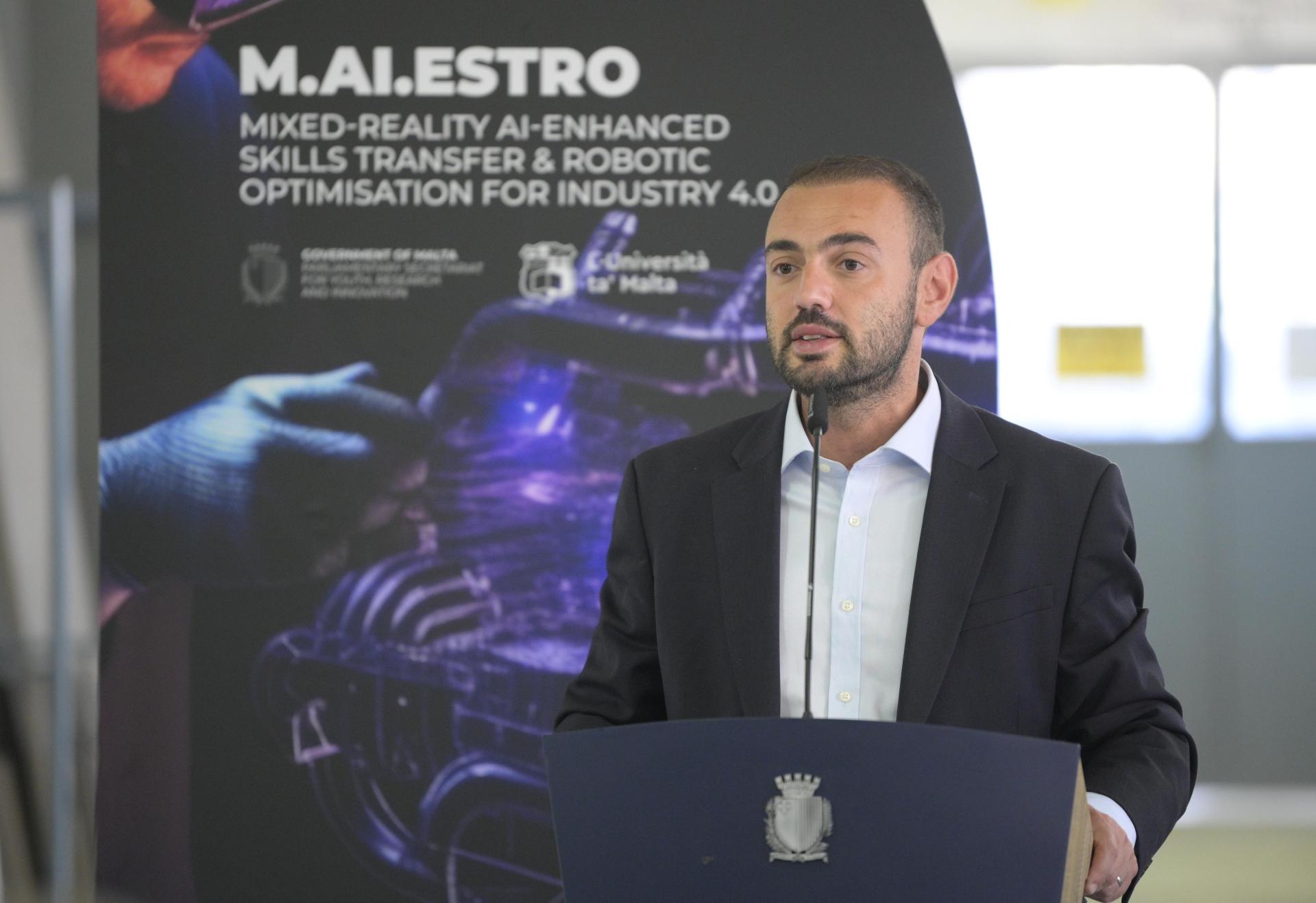 Keith Azzopardi Tanti got more Labour votes than anyone bar Robert Abela and Ian Borg. Photo: Matthew Mirabelli
Keith Azzopardi Tanti got more first-count votes than anyone in his party apart from Robert Abela and Ian Borg, solidifying his already strong showing in 2022. Omar Farrugia and Malcolm Paul Agius Galea also performed very strongly.
All be knocking on Robert Abela’s door to lobby for a ministerial position this week, a step up from parliamentary secretary.
Arguably the biggest winner of the lot, however, was Chris Bonett, who won 4,000 more votes than he had four years ago, despite spending part of the recent legislature in charge of the poisoned chalice that is the transport ministry.
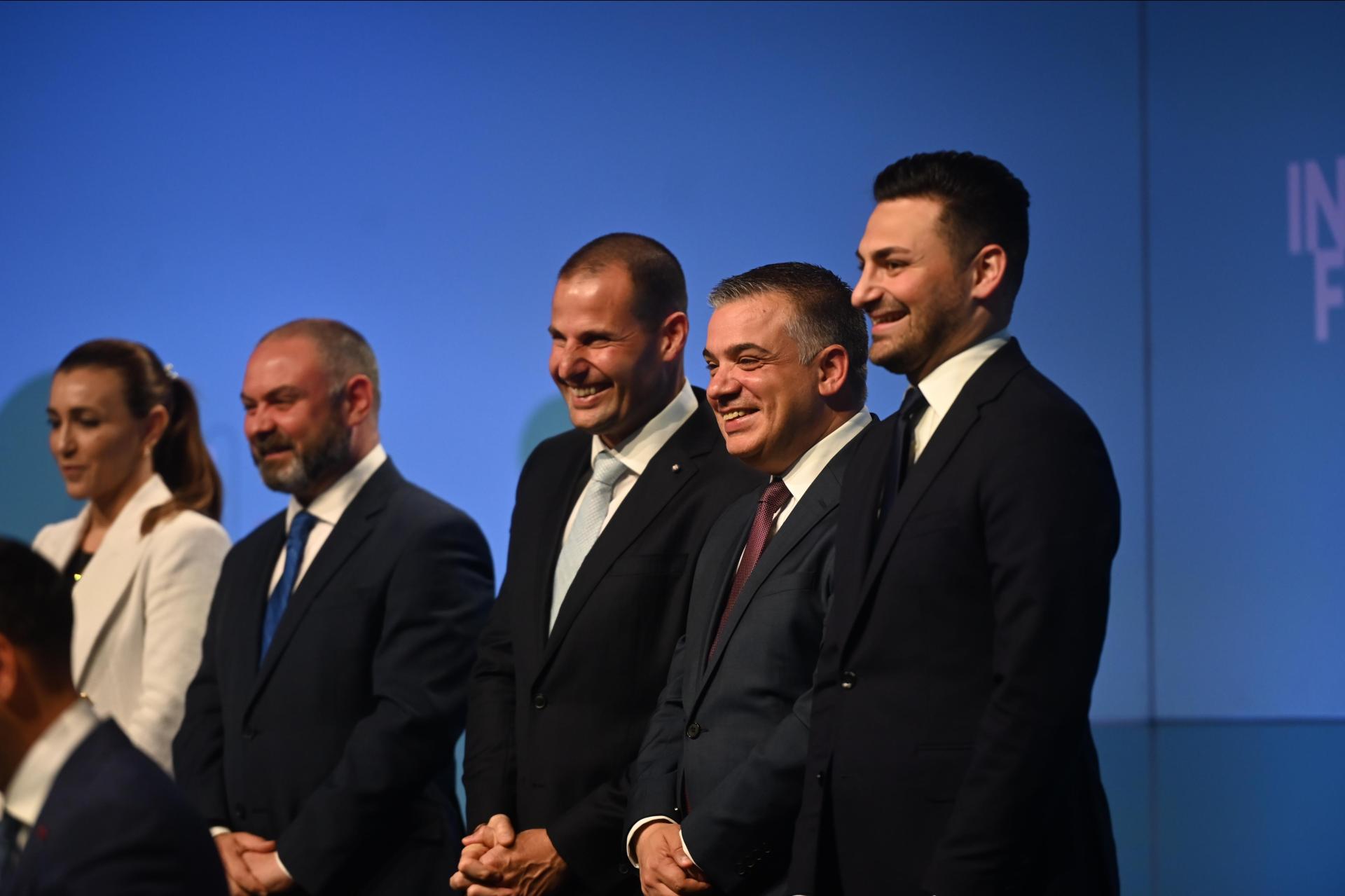 Several members of Cabinet, including Omar Farrugia and Chris Bonett, increased their vote tally. File photo: Jonathan Borg
- New candidates
Both parties fielded a number of new faces, with some of them performing better than initially expected.
One of the surprise packages of the election was PL newcomer John Grech, who nabbed a seat in district 8 on the back of 1,800 votes, beating former party president Ramona Attard in the process.
On the PN front, Siġġiewi mayor Julian Borg won the party’s second seat in district 6, securing over 2,200 first-count votes, having played a central role in some of the party’s pre-electoral pledges, particularly its €1.4 billion metro plan.
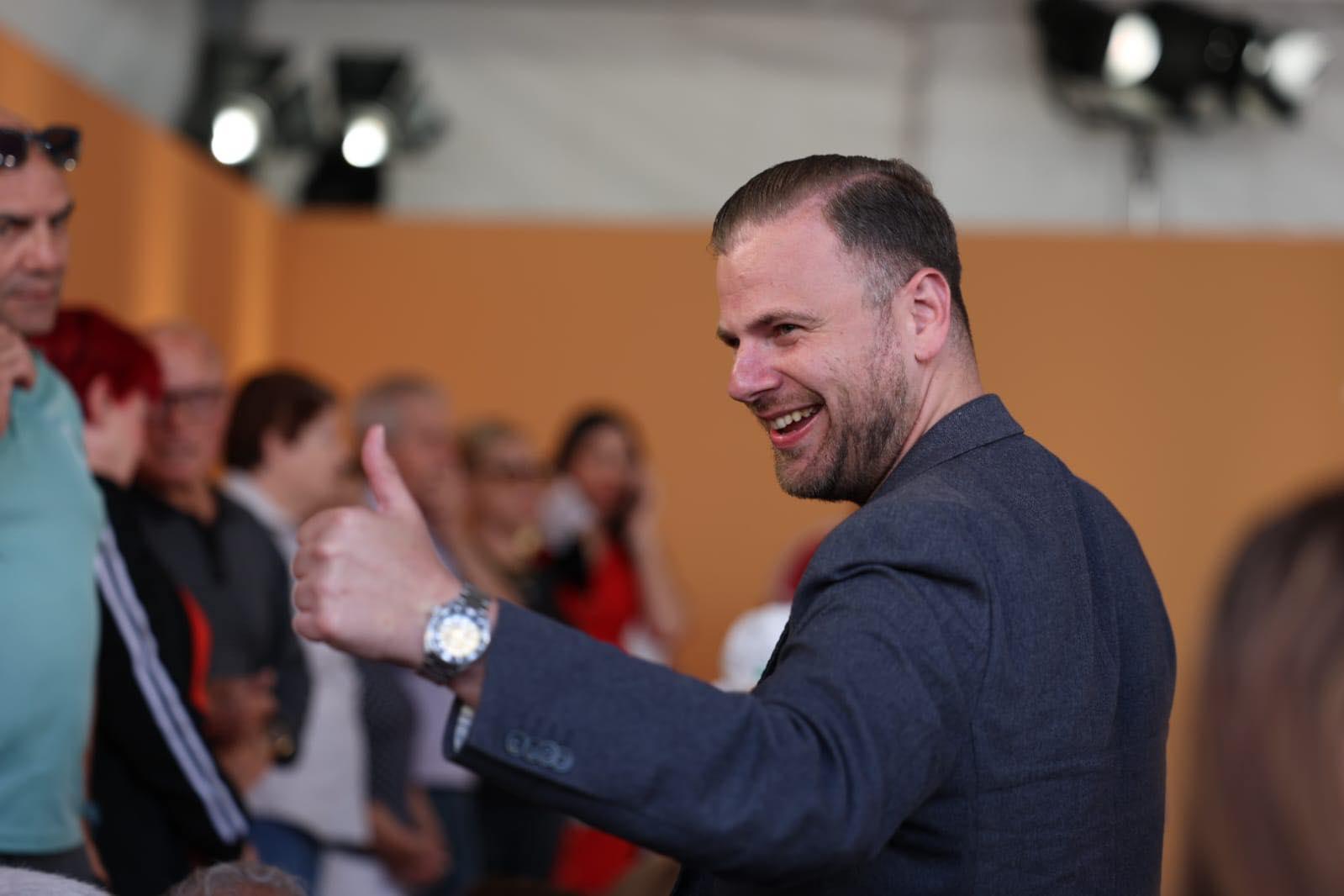 New Labour MP John Grech. Photo: Facebook/John Grech
6. Adrian Delia
Former PN leader Adrian Delia has emerged as the election’s best performer, aside from the two party leaders, winning almost 11,000 first-count votes across two districts.
Delia dominated the PN ticket in both districts, doubling his 2022 tally in district 7 to 4270 votes.
He added a hefty 4,200 votes in district 8, where he outperformed his Labour counterpart Clyde Caruana. He won 6,718 votes.
By the end of the count, Delia had topped all other candidates, including Labour deputy leader Ian Borg.
Another long-standing MP who saw his tally increase dramatically was Mosta's Ivan Bartolo, who upped his tally from just over 500 votes in 2022 to almost 3,300 this time around.
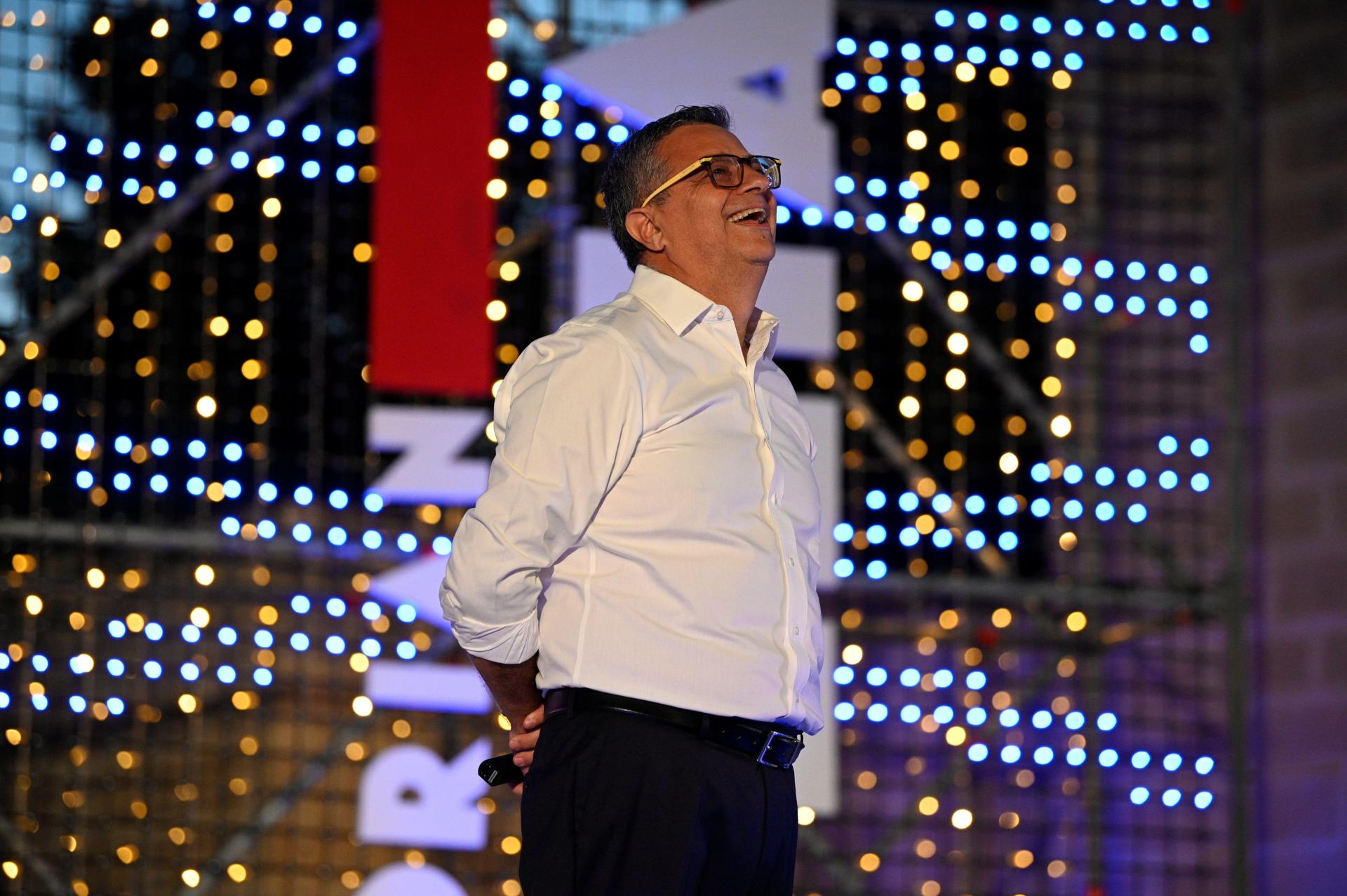 Adrian Delia secured more votes than anyone outside the party leaders. File photo
Losers
- Andy Ellul
Arguably, the person to emerge most bruised from the election is Andy Ellul, one of the few cabinet members to lose his seat on Sunday.
Ellul may consider himself particularly unlucky, given his overall vote tally actually climbed slightly compared to four years ago, when he was the last Labour candidate elected in district 3.
However, he faced stiff competition this time around, facing off against several party heavyweights in both districts 3 and 4, including Chris Fearne, Chris Bonett, Owen Bonnici, Byron Camilleri and Jonathan Attard.
In the end, he was pipped to the post by Carmelo Abela on district 3 and fell well short on district 4. Although he could still regain his seat through a casual election, his parliamentary future lies in the balance.
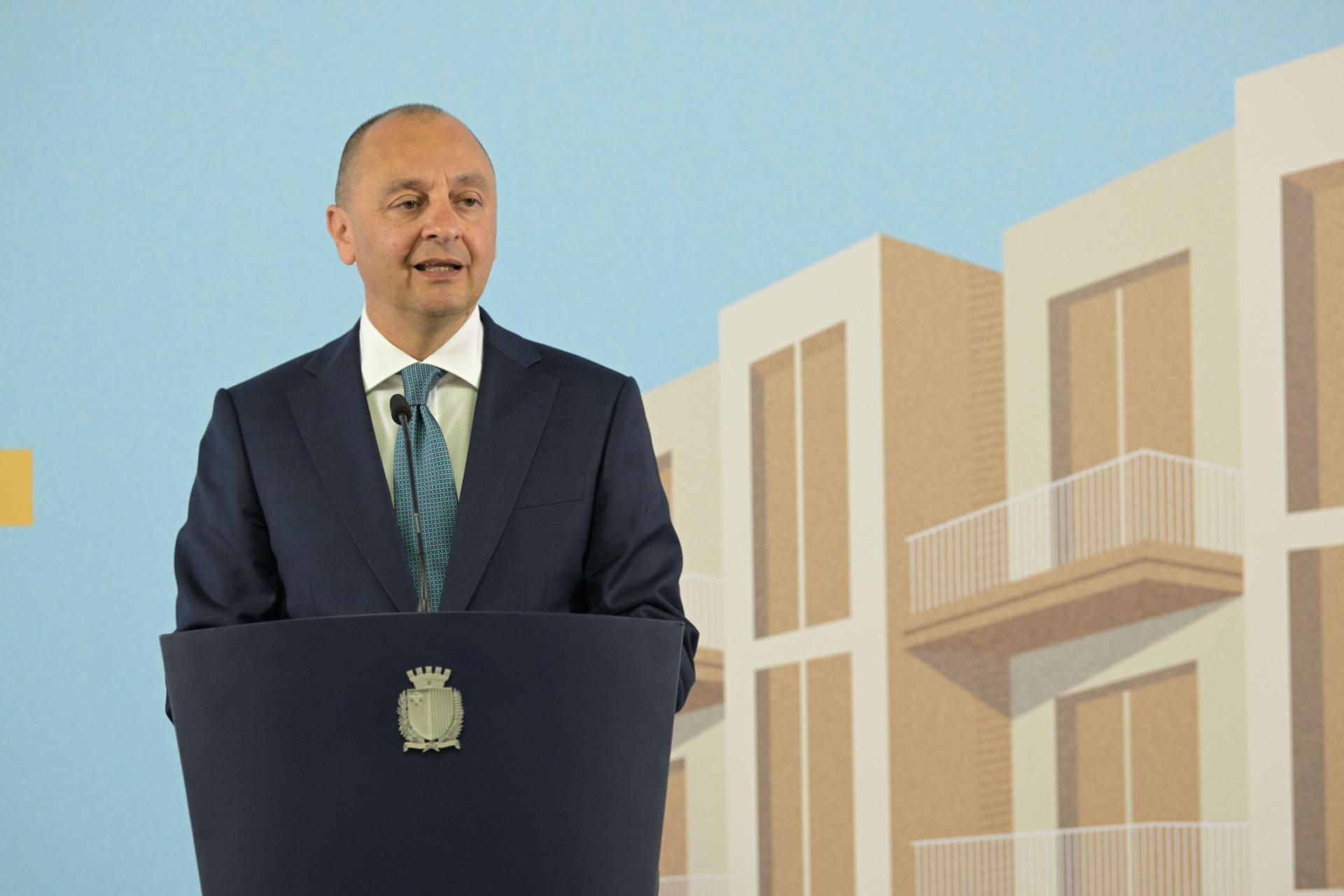 Andy Ellul lost his seat over the weekend. File photo: Matthew Mirabelli
- (The rest of) Robert Abela’s Cabinet
Several cabinet members saw their vote tally dip, as the party’s 40,000-vote lead was slashed in half.
In Gozo, Anton Refalo and Clint Camilleri both lost votes, while Clifton Grima’s impressive 7,000 votes in 2022 were cut down to 5,618 this time, though he was again comfortably elected across two districts, topping all candidates on the 9th.
Others, including Michael Falzon and Owen Bonnici, suffered slight dips, though Bonnici added over 200 votes in district 3, where he was comfortably reelected.
Silvio Schembri appears to have borne the brunt of voters’ disgruntlement on districts 6 and 7, shedding almost 2,500 votes compared to his 2022 tally.
He lost some 1,200 votes in district 6 alone, where Roderick Galdes voters appear to have drifted towards other Labour candidates, including Ian Borg, Rosianne Cutajar and Malcolm Paul Agius Galea.
His votes in district 7 dropped by a similar margin, with Schembri now overtaken by Agius Galea as the party’s second-most popular MP on the district, after Ian Borg.
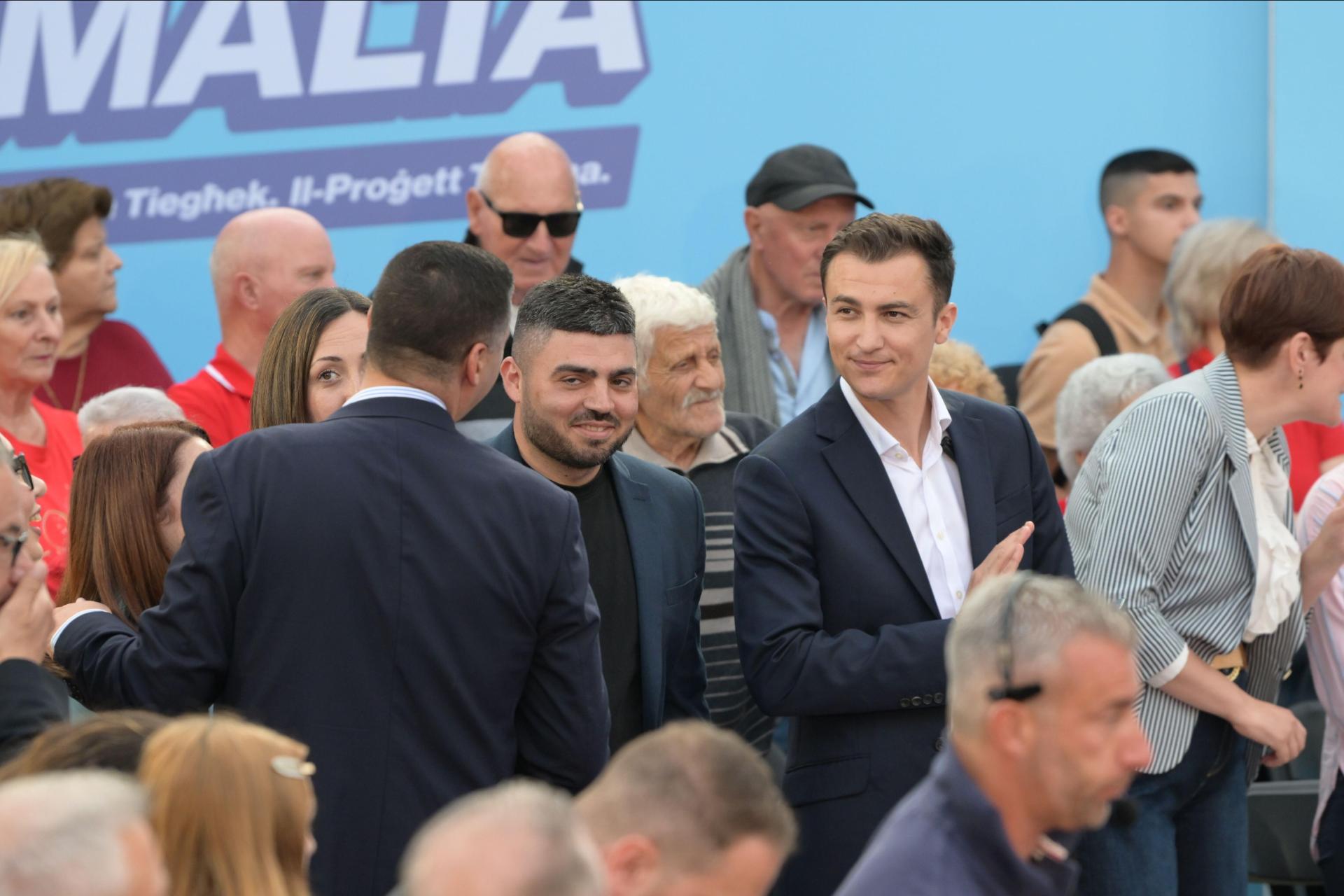 Silvio Schembri secured a seat, but saw his vote tally dip, particularly in district 6. File photo: Matthew Mirabelli
- Joe Giglio
Describing Joe Giglio, who was elected as the PN's frontrunner on two districts, as one of the election’s losers may appear counterintuitive.
However, Giglio will be disappointed to see his previously insurmountable tally of over 9,000 votes almost slashed in half.
Giglio shed over 2,000 votes in his home district of Sliema, where newcomer Conrad Borg Manché and party stalwart Mark Anthony Sammut are now within touching distance. He also lost a similar amount of votes in district 9.
PN veteran Beppe Fenech Adami saw his tally dip by almost 900 votes in his stronghold of Birkirkara, where former leader Adrian Delia dominated. Delia increased his district 8 tally by 4,200 votes, on his way to winning almost 11,000 votes across two districts, standing out as one of the party’s top performers in the election.
Labour’s Chris Fearne secured a staggering 12,600 votes in 2022, when the election was held at his highest peak, at the tail-end of the pandemic. At the time, only the two party leaders had received more first-count votes.
Fearne’s star has faded slightly since then, as he faced legal troubles which drove him to step away from a cabinet position, with his vote tally dipping by some 5,500 votes.
However, like Giglio, he nonetheless secured a seat in two districts, remaining one of his party’s best performers.
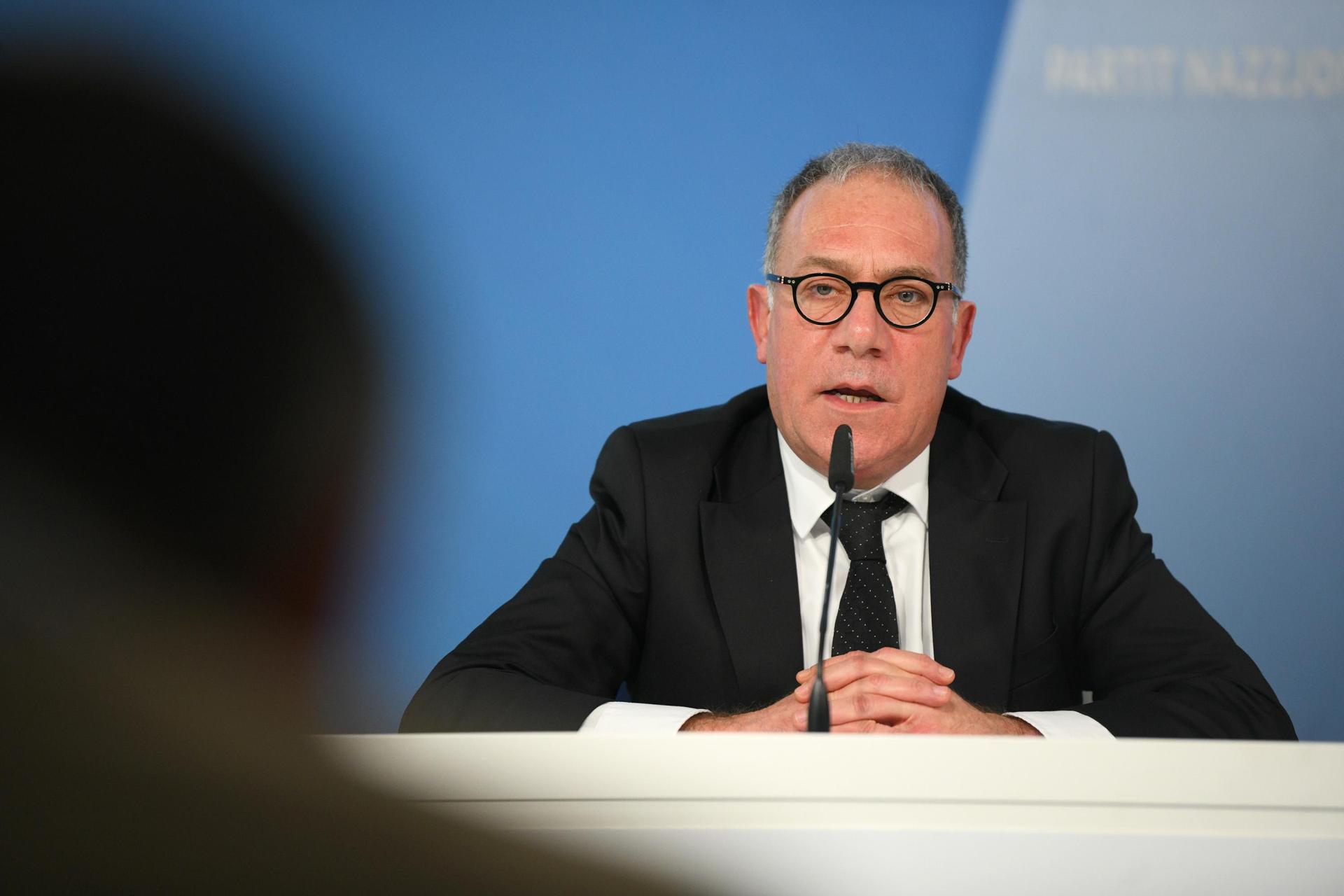 Joe Giglio was one of PN's top performers in 2022, but has seen his vote tally shrink since then. File photo: Matthew Mirabelli
- Star candidates
With the exception of Conrad Borg Manché, many of the more notable new names bandied about by parties performed poorly. While some of them may eventually find their way to parliament through a casual election, they fell far short of a seat at the first hurdle.
Former union man Josef Bugeja barely scraped together 350 votes across two electoral districts, despite the attention initially drawn by his Labour candidature.
Spare a thought for another union man, Jesmond Bonello, who’s six first-count votes on district 2 was the lowest tally of any of the 162 candidates running for election. Bonello inherited a further 20 votes from Robert Abela, but quickly exited the race with a final tally of 27 votes, propping up all candidates. He will have been relieved to see that he fared far better on district 8, winning 339 first-count votes in a respectable showing.
And Omar Rababah may well be wondering whether the flurry of racist abuse levelled at him throughout the campaign was reflected in his poor showing, winning just over 300 votes on two districts.
Likewise, George Vital Zammit, the author of PN’s electoral manifesto, will have hoped for a better showing. Despite securing a creditable 886 votes in district 6, his 73 votes in district 12 came as a surprise.
Meanwhile, Ray Gatt (PN) found himself out of the race fairly early in both districts 3 and 10, despite spending much of the campaign being presented as the face of the party’s proposed wide-ranging healthcare reform.
None will be more disappointed than Oliver Cini, the candidate presented as one of the experts behind PN’s fuel hub proposal. His 172 votes across two districts suggest that some of the criticism levelled at the project may have stuck.
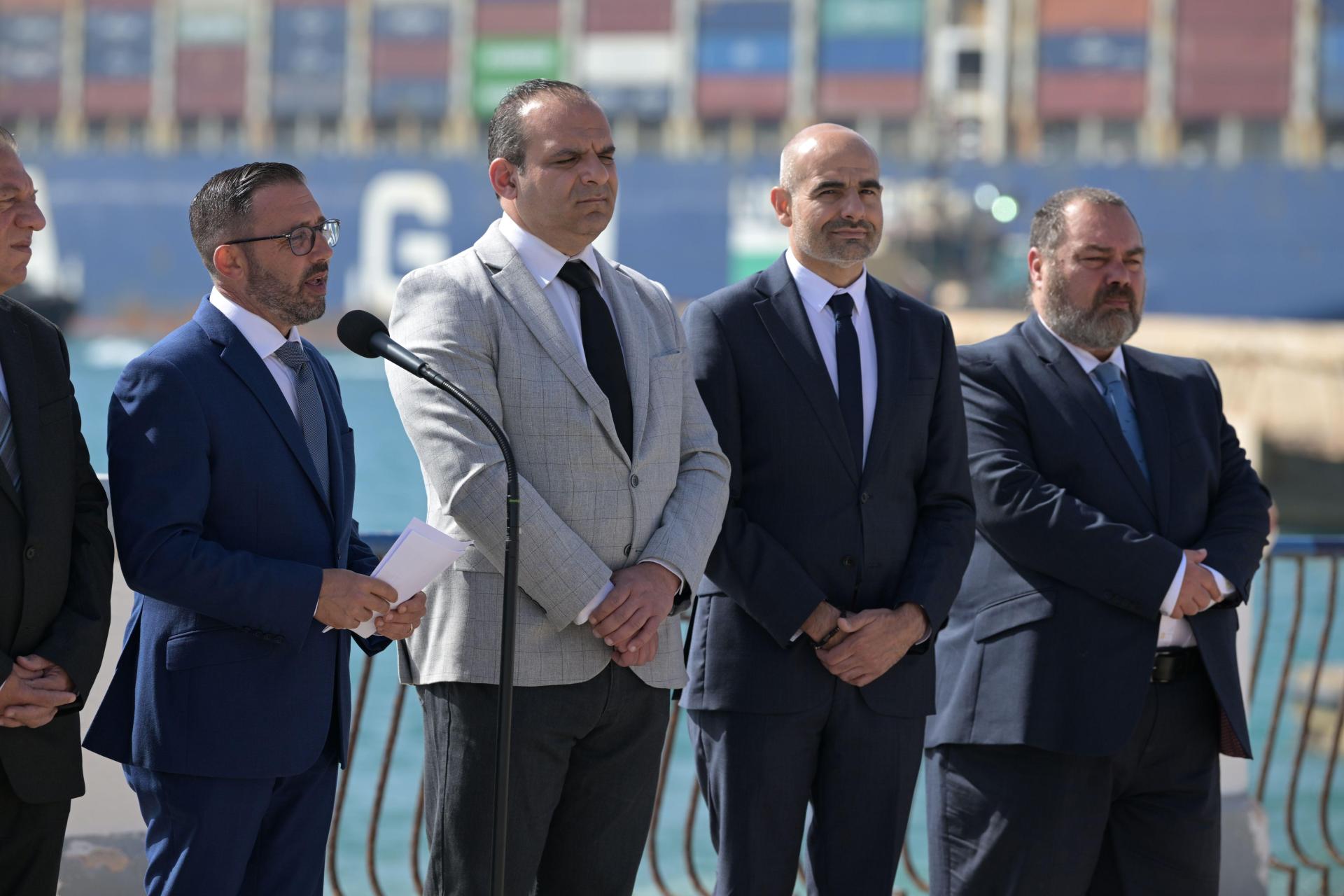 Oliver Cini (third from right) was one of the faces of PN's fuel hub proposal. File photo: Matthew Mirabelli
- Smaller parties
Another election, another valiant effort, but also another false dawn for smaller parties.
In total, Malta’s smaller parties and independent candidates secured 3.6% of the vote, a little under 11,000 votes.
They will likely, with some justification, point out that this is their best ever result in a general election, receiving a 1,500 vote bump, roughly 0.4 percentage points higher than in 2022.
Individual candidates, too, will argue that they performed better than ever.
Momentum’s Arnold Cassola’s 1,517 represent a marked improvement over the 900 he received in 2022, while ADPD’s Sandra Gauci also upped her tally to almost 1,000, from the 600 she received four years ago.
And Momentum’s Mark Camilleri Gambin showed promise, securing almost 1,000 votes in his first ever election.
Two years ago, smaller parties and independent candidates performed remarkably well in 2024’s European Parliament elections, securing over 12% of the total vote, largely driven by Cassola’s almost 13,000 votes nationwide.
The newly-hatched Momentum sought to capitalise on this, introducing a polish and organisation that had previously been lacking from smaller parties.
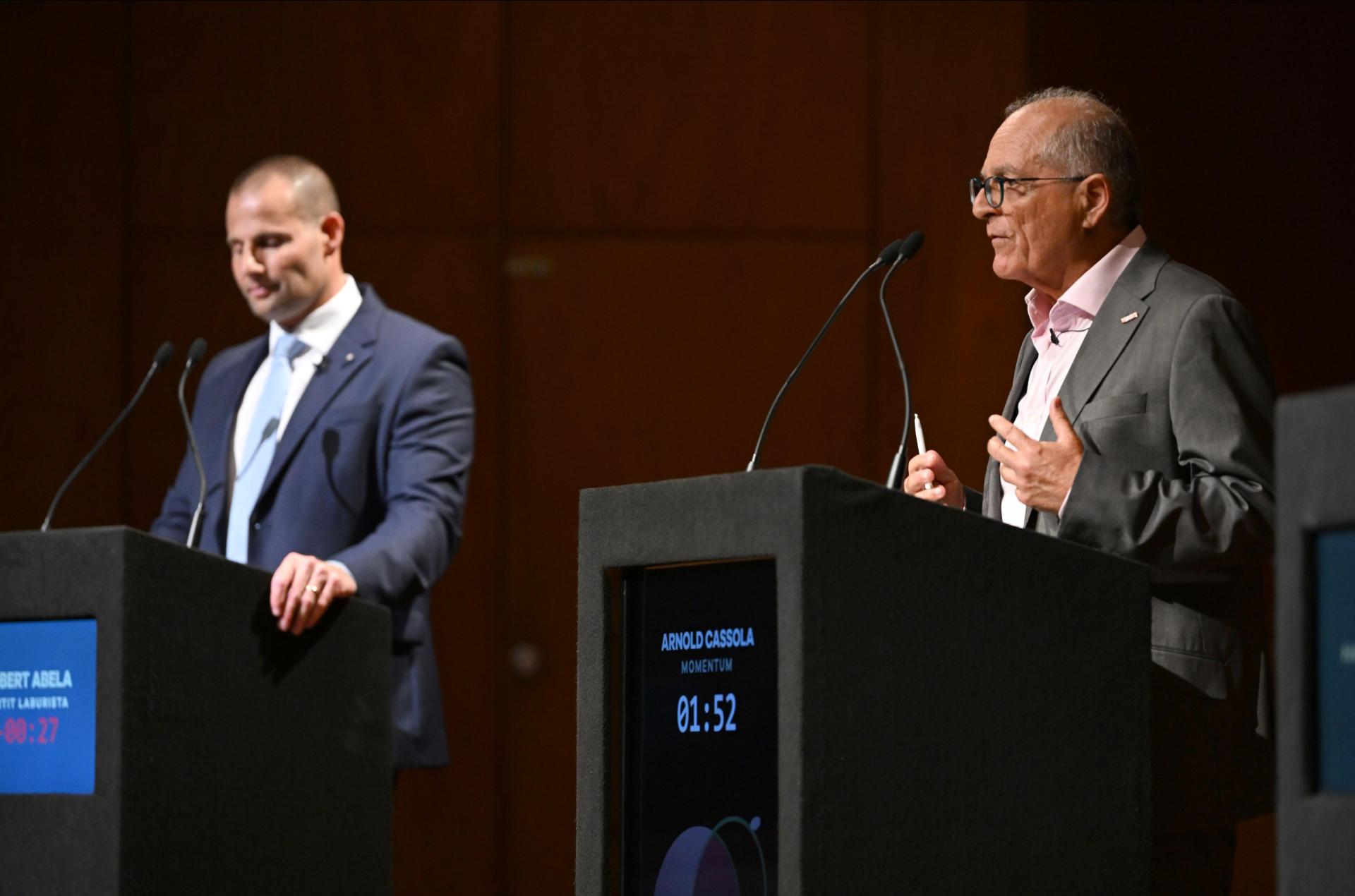 Arnold Cassola speaking at a debate at the University of Malta. File photo: Matthew Mirabelli
While replicating the 2024 result was always going to be a bridge too far, smaller parties likely set their sights on a more ambitious target than the relatively marginal increases they recorded over the weekend.
Cassola, in particular, would have been hoping for a boost in inherited votes from larger parties that simply never materialised.
And with Sandra Gauci already hinting at her possible exit from politics, it appears that at least one of Malta’s smaller parties will soon be back to the drawing board.