Election promises mount, but key voter concerns remain unanswered
Parties have focused on cost-of-living pledges, while traffic, construction and the environment remain less prominent
With Malta’s political parties yet to unveil their electoral manifestos, Labour and PN have spent much of the past fortnight drip-feeding pledges in the hope of catching voters’ attention.
However, as the campaign enters its third week, questions remain over the extent to which the flurry of promises made by both parties is addressing the concerns raised by voters in recent months.
Traffic proposals delayed
When asked to name Malta’s most pressing issues in a recent Times of Malta poll, voters put Malta’s traffic gridlock in pole position, well ahead of any other concerns.
However, to date, the topic has been conspicuously absent from both parties’ daily press conferences.
At the start of the campaign, PN leader Alex Borg promised the party would be unveiling its plans for a new mass transport system “in the coming days”. It appears that the train has yet to arrive at the station, with the party seemingly opting to launch its proposal closer to the election date.
Nevertheless, the PN is promising to move rapidly once it does unveil its plans, saying that the system would start operating within five years of the party being elected.
Labour, meanwhile, has barely addressed the topic at all, instead relying on the blurred lines between party and state to push its plans for the sector.
Last Tuesday morning, Prime Minister Robert Abela, Transport Minister Chris Bonett and Gozo Minister Clint Camilleri sailed into the brand new Buġibba jetty to unveil a new fast ferry service between Sliema and Mġarr, Gozo.
The service is just the latest cog in the government’s 15-year ‘Malta in Motion’ plan, with a similar ferry jetty lined up for Marsascala, they said. Whether more details from the plan, announced just a week before the campaign kicked off, will work their way into the party’s manifesto remains to be seen, with Abela seeming evasive when asked about the issue.
Meanwhile, the party’s only transport-related pledges so far have revolved around Gozo, with Abela promising free Gozo ferry trips for pedestrians and higher grants for Gozitans commuting by fast ferry. Meanwhile, on Friday night, he said Gozitans would also be getting a new on-demand bus service.
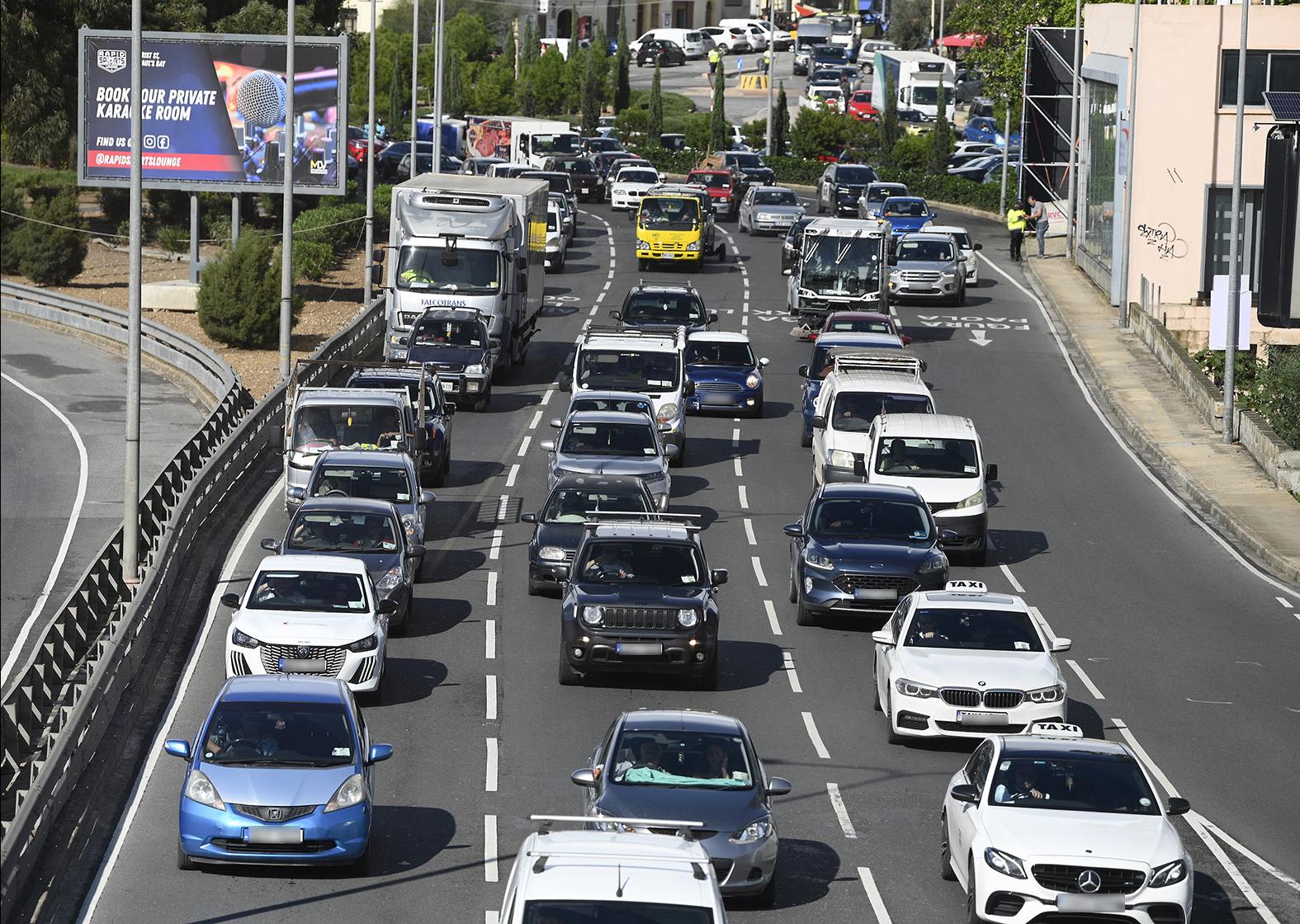 Malta’s traffic gridlock is voter’s no 1 concern but the topic has been conspicuously absent from both parties’ daily press conferences.
Parties turn to cost of living
Both parties have been far keener to push measures they hope will address the rising cost of living, the issue that dominated much of the past legislature, and one that voters fear will raise its head again as the impacts of the war in the Gulf reach Malta.
Labour’s second week of the campaign opened with the party’s pledge to give workers a yearly €1,000 “super bonus”, a measure they say will reward people for their hard work.
Rather than a traditional tax cut, which, Labour said, will be of little use to those on Malta’s lowest tax bands, the ‘super bonus’ will give all Maltese and EU workers (as well as TCNs who have lived here for more than five years) a blanket cash handout.
 Both parties have been keen to push measures they hope will address the rising cost of living. Photo: Shutterstock.com
By the end of the week, the PN had rebutted with their own measure, a pledge to revise income tax bands and give all workers a minimum €1,200 tax rebate.
The revision, which PN argued was long overdue, will see Malta’s highest tax band rise from €60,000 to €80,000, while families with children will also see reductions in their tax bill.
Both parties say these measures will leave people with more money in their pockets, helping families fend off inflation.
PN says it has several other measures up its sleeve to help families and workers make ends meet, from its long-running battle to remove tax on COLA, to a pledge to slash tax on the first €10,000 earned in overtime and part-time work.
Meanwhile, Labour has offered up a series of financial incentives over the past fortnight to ease costs, promising pension increases for the elderly, while young workers entering the job market will not pay tax for the first three years of their career, up to an income of €30,000.
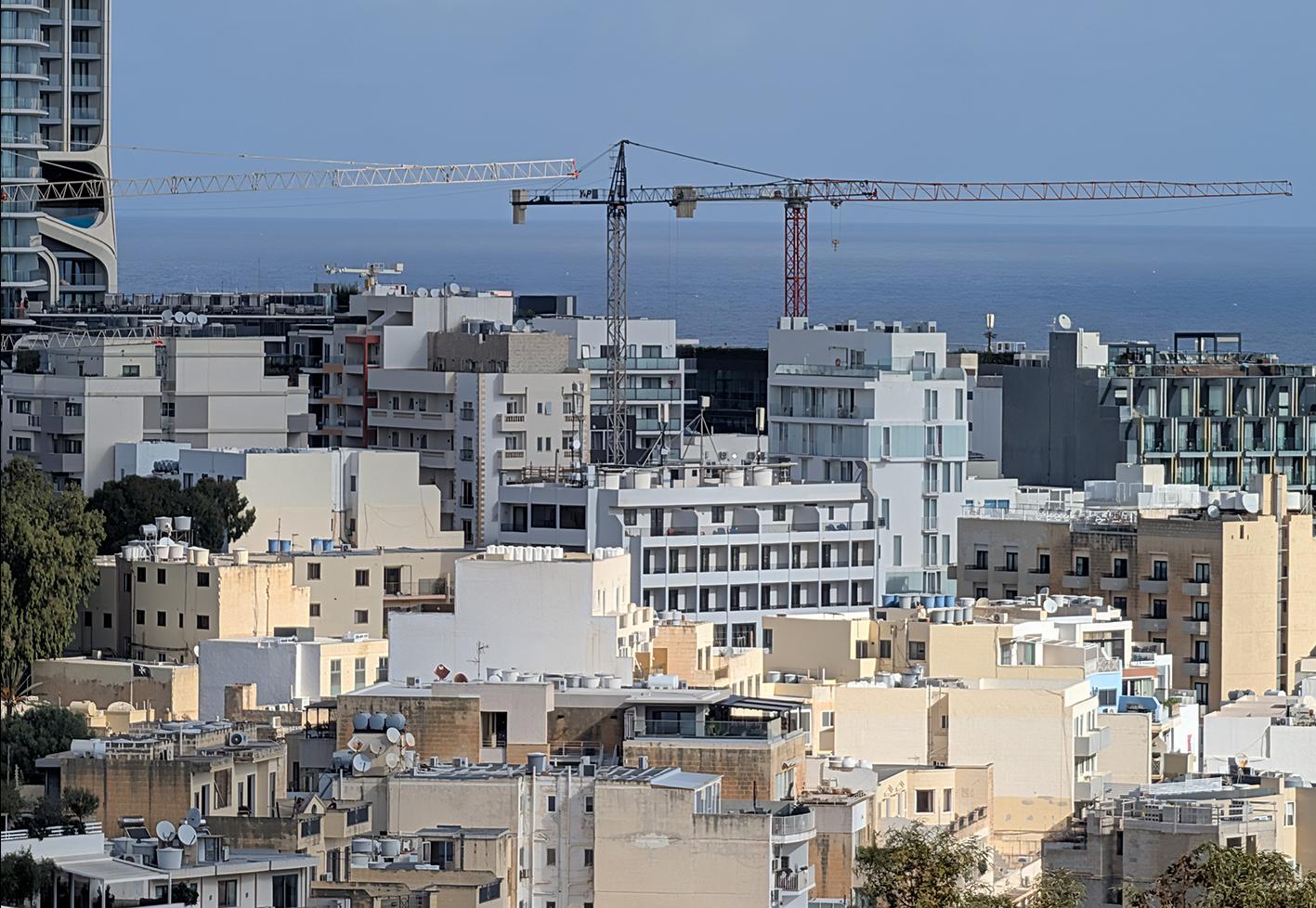 Neither of Malta’s two major parties has meaningfully spoken of ways to limit over-construction.
Over-construction, environment and migration on the backburner
On the other hand, both parties have skirted around several other issues that have frequently caught the public’s attention in recent years.
While the 2022 election was dominated by pledges to improve Malta’s natural environment and green spaces, the issue has barely featured in the campaign so far.
Likewise, neither of Malta’s two major parties has meaningfully spoken of ways to limit over-construction, the second-most worrying national issue, according to last month’s Times of Malta poll.
With the campaign bringing the parliamentary discussion over two controversial planning bills to a halt, it remains unclear whether either party plans to present changes to Malta’s planning laws, or a long-mooted revision to Malta’s local plans, within their manifesto.
And the issue of migration and Malta’s growing population, has remained largely in the background, only briefly emerging as the parties bickered over whether a PN pledge to build a series of new hospitals would require a further influx of foreign workers.
Corruption, the backbone of so many past PN electoral campaigns, also seems to have vanished from the party’s vocabulary throughout the campaign, with only occasional vague allusions to Labour attempting to buy votes.
With polls showing that the issue remains a sticking point among a segment of PN voters, time will tell whether this strategy will pay off.
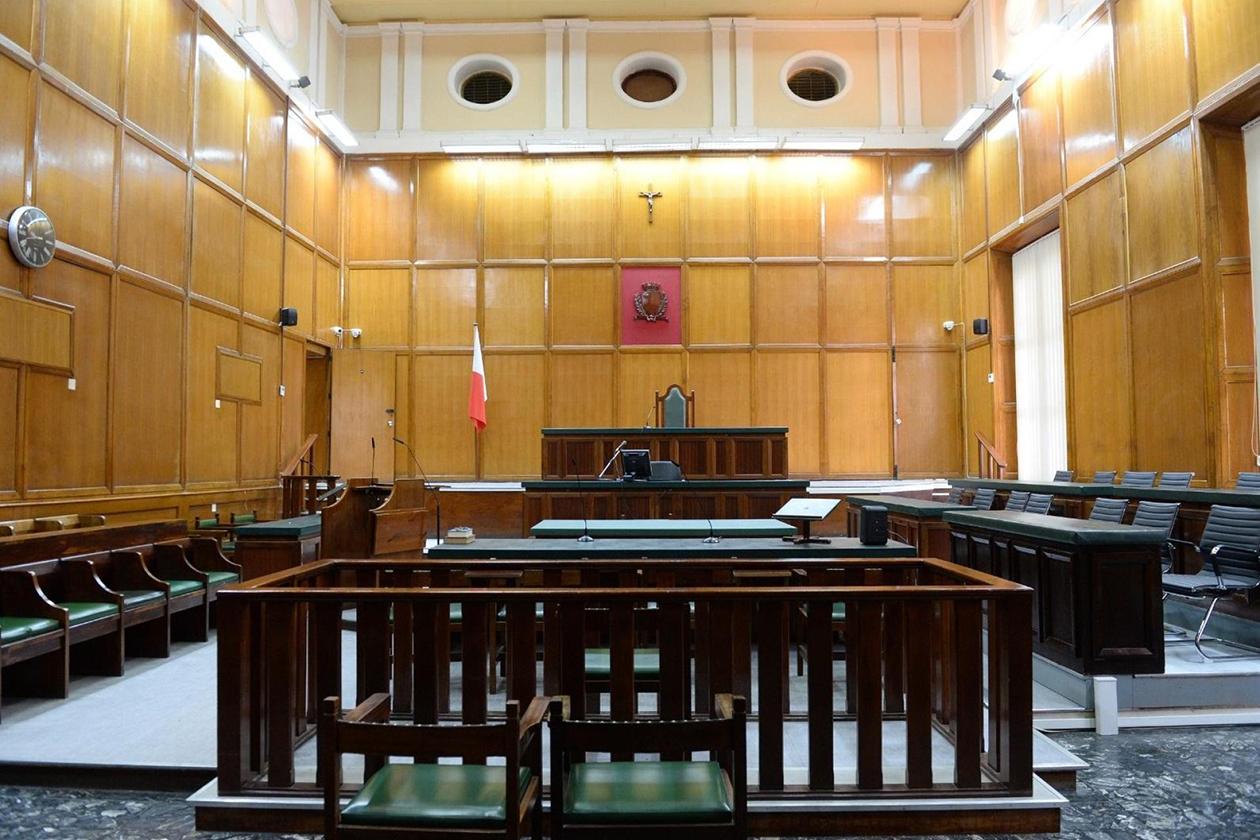 Corruption, the backbone of so many past PN electoral campaigns, also seems to have vanished from the party’s vocabulary throughout the campaign.
Housing affordability for Labour, large-scale infrastructure projects for PN
More broadly, the two parties have largely opted to cast their gaze in different directions during the early days of the campaign.
Labour kicked off its campaign by turning to the topic of housing affordability, an issue on which the PN has so far kept its cards close to its chest.
On the first day of the electoral campaign, Labour pledged to give first-time buyers an interest-free loan covering up to a quarter of the property’s value, in the hope that this will help people get on the property ladder.
It later promised to extend first-time buyers’ benefits to everyone from families with children to divorced couples and the elderly.
Meanwhile, PN has kept busy throughout the past week by focusing on a series of large-scale infrastructural pledges, first unveiling a plan to build a €450 million fuel hub off Hurd’s Bank intended to kick-start Malta’s fuel bunkering industry, and later promising a new €350 million creative district in Marsa.
It also made healthcare, a topic Labour is yet to address, the focus of the early part of its campaign, promising a new ‘national Health Village’ in Selmun.
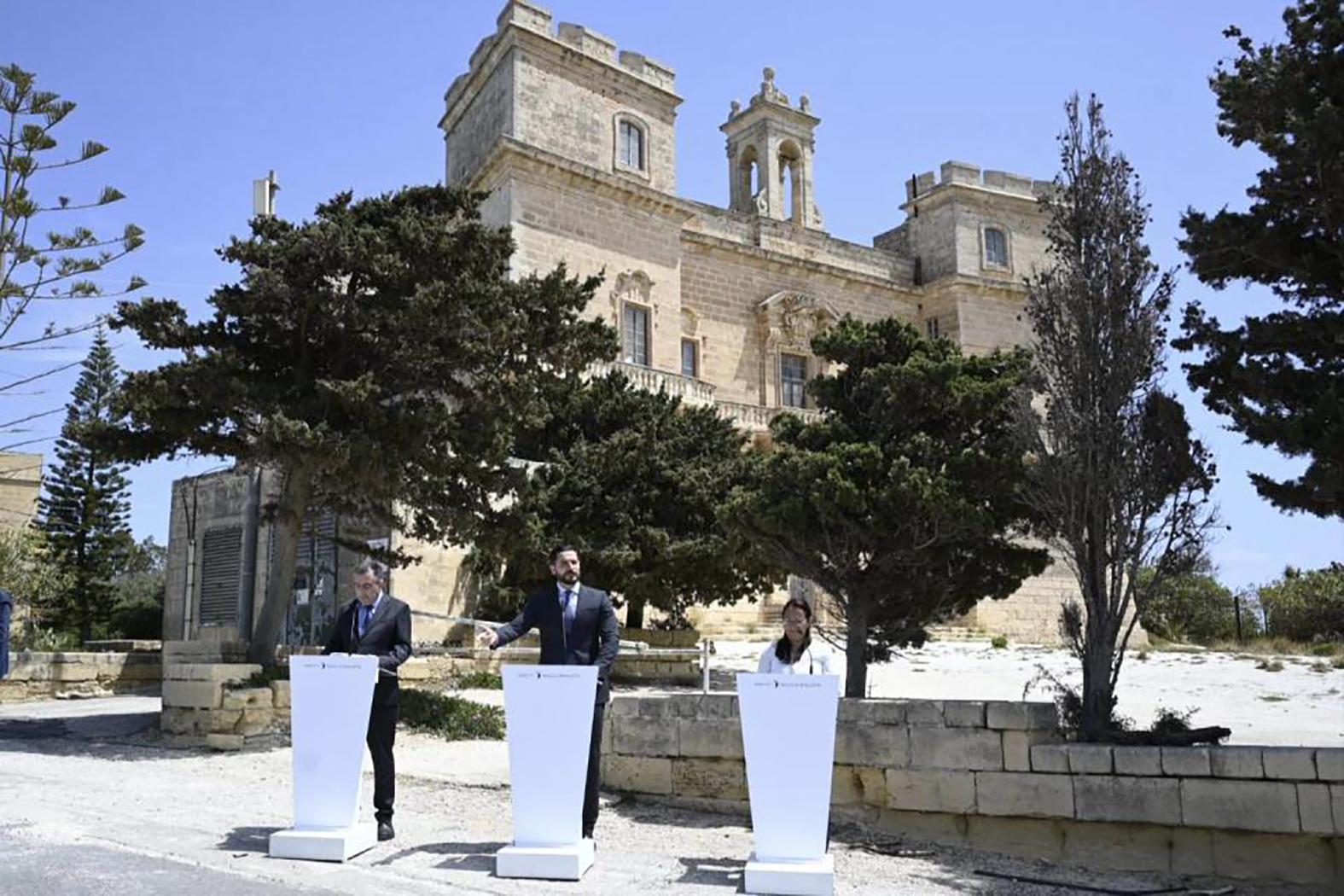 Alex Borg unveiling the PN’s proposal for a new ‘national Health Village’ in Selmun.
Future proofing Malta’s energy supply
Other issues which were previously not at the forefront of voters’ minds, such as Malta’s energy supply, have also emerged as key themes throughout the early days of the campaign.
This may come as no surprise, given the spectre of an energy supply crisis across Europe, with both parties pledging a shift to renewables in an effort to secure Malta’s energy sources for years to come.
Last week, PN presented its €60 million plan to cover all Malta’s public buildings in solar panels and reduce energy bills by 30%. This would be done by rewiring energy fee structures, they said, removing the second tier of energy pricing while scrapping rental fees for electricity meters.
Labour has said relatively little about the issue on the campaign trail, except for a pledge to build a €45 million cable between Malta and Gozo. However, it has, again, relied on the apparatus of the state to present its broader vision.
During the first week of the campaign, the government unveiled plans for a third energy interconnector linking Malta to Sicily, while saying it was also considering a similar link to North Africa sometime in the future.
The government said it would also be moving ahead with previously-announced plans to build an offshore wind farm and a large-scale battery storage system.
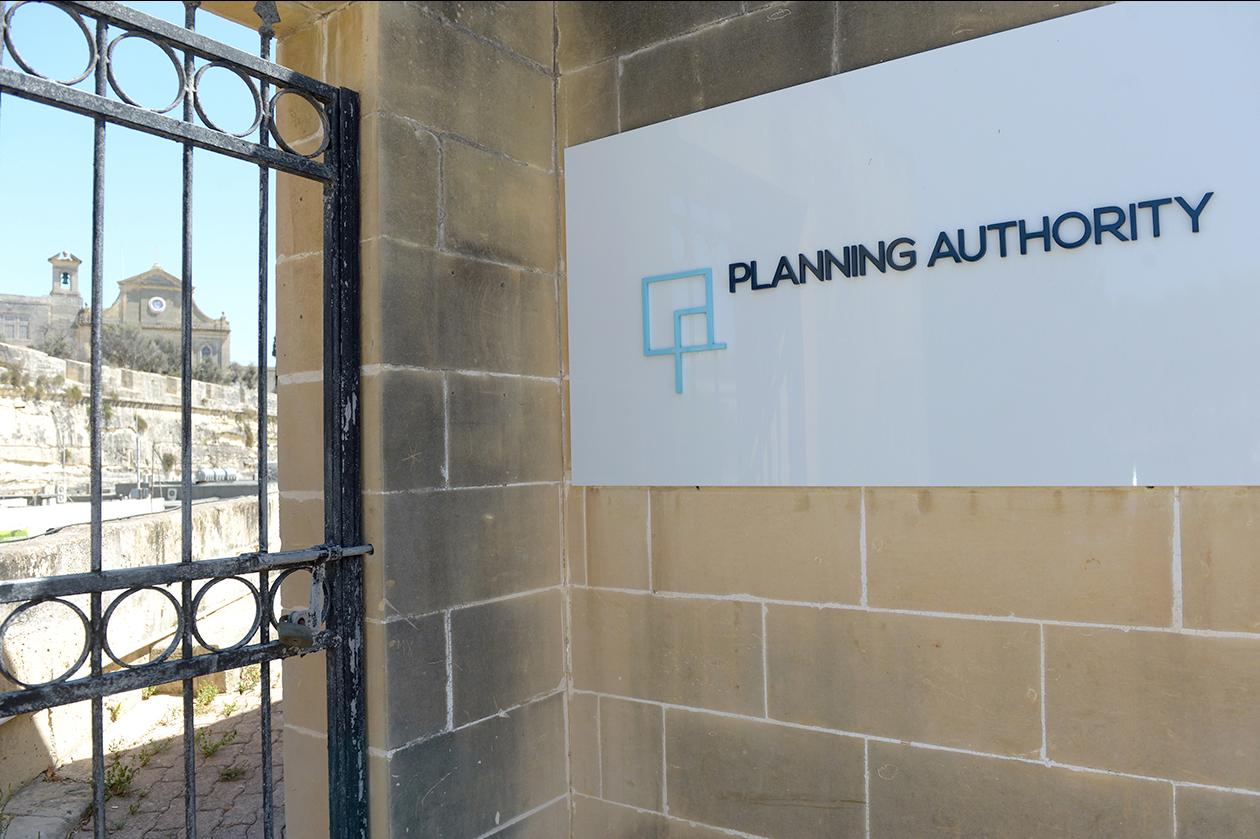 It remains unclear whether either party plans to present changes to Malta’s planning laws, or a long-mooted revision to Malta’s local plans, in their manifestos.