From Miriam Pace to Paceville: Malta’s building collapses and what happened next
Successive collapses have exposed systemic failures and led to calls for reform
The dramatic collapse last week of a block of flats in Paceville was the first serious incident of its kind since a collapse in 2022 resulted in the death of Jean Paul Sofia.
Times of Malta looks back at the other high-profile collapses in recent years, and what changes to the regulation of the construction industry were promised, and fulfilled, in their aftermath.
These incidents represent only the most high-profile examples of structural failures. In the three years between the 2019 Corradino and 2025 Paceville incidents, there have been numerous collapses of roofs, balconies and facades, some of them fatal.
2019: Three collapses result in close calls for residents
A spate of collapses in 2019 did not result in any fatalities but still traumatised residents.
During the night of April 24, the corner wall of an apartment block in Guardamangia came crashing down, with rubble spilling onto the road and into a construction site next door.
One of the residents was inside at the time of the collapse said they had filed complaints with the police about works that were being undertaken nearby.
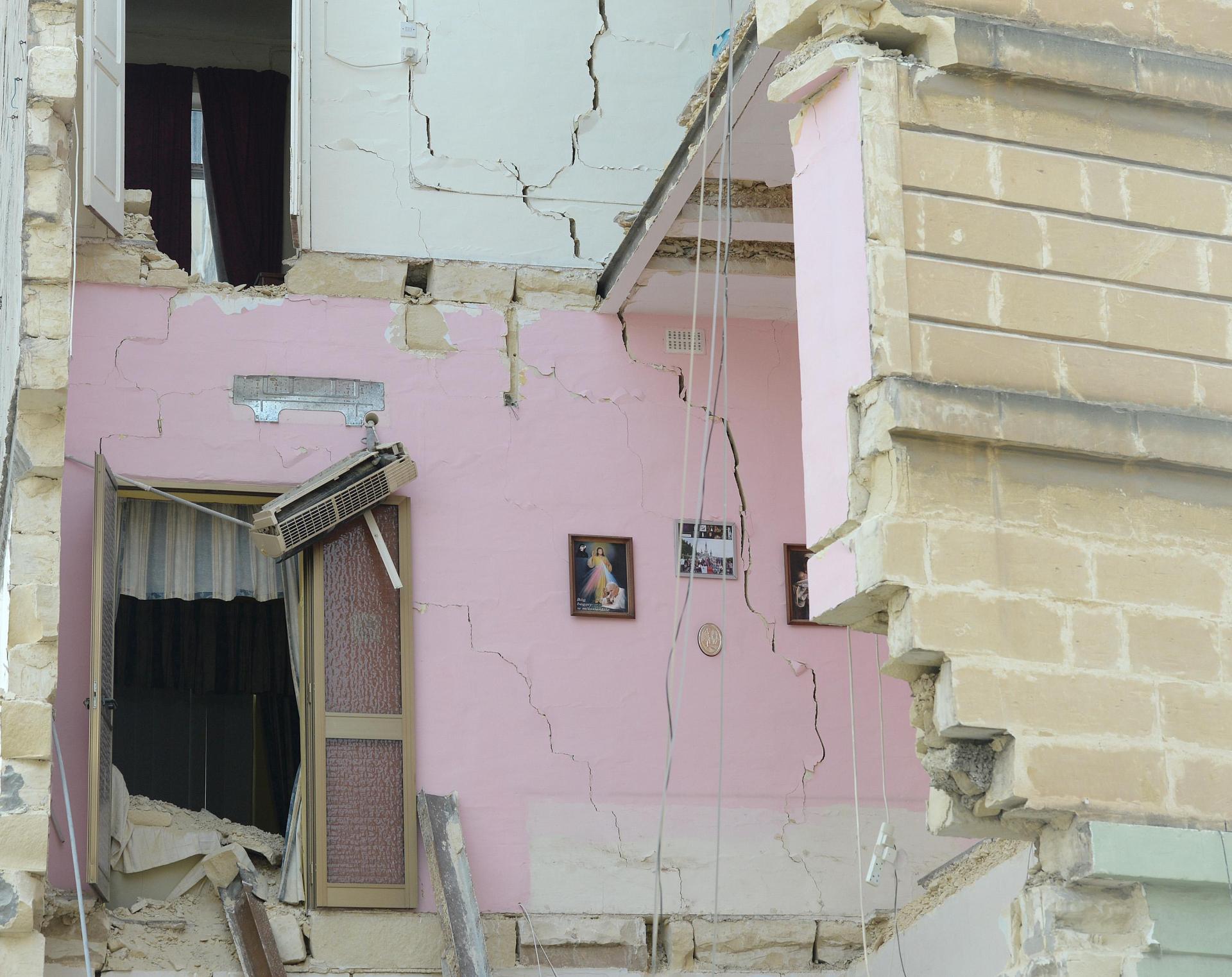
The Guardamangia collapse in April 2019. Photos: Matthew Mirabelli
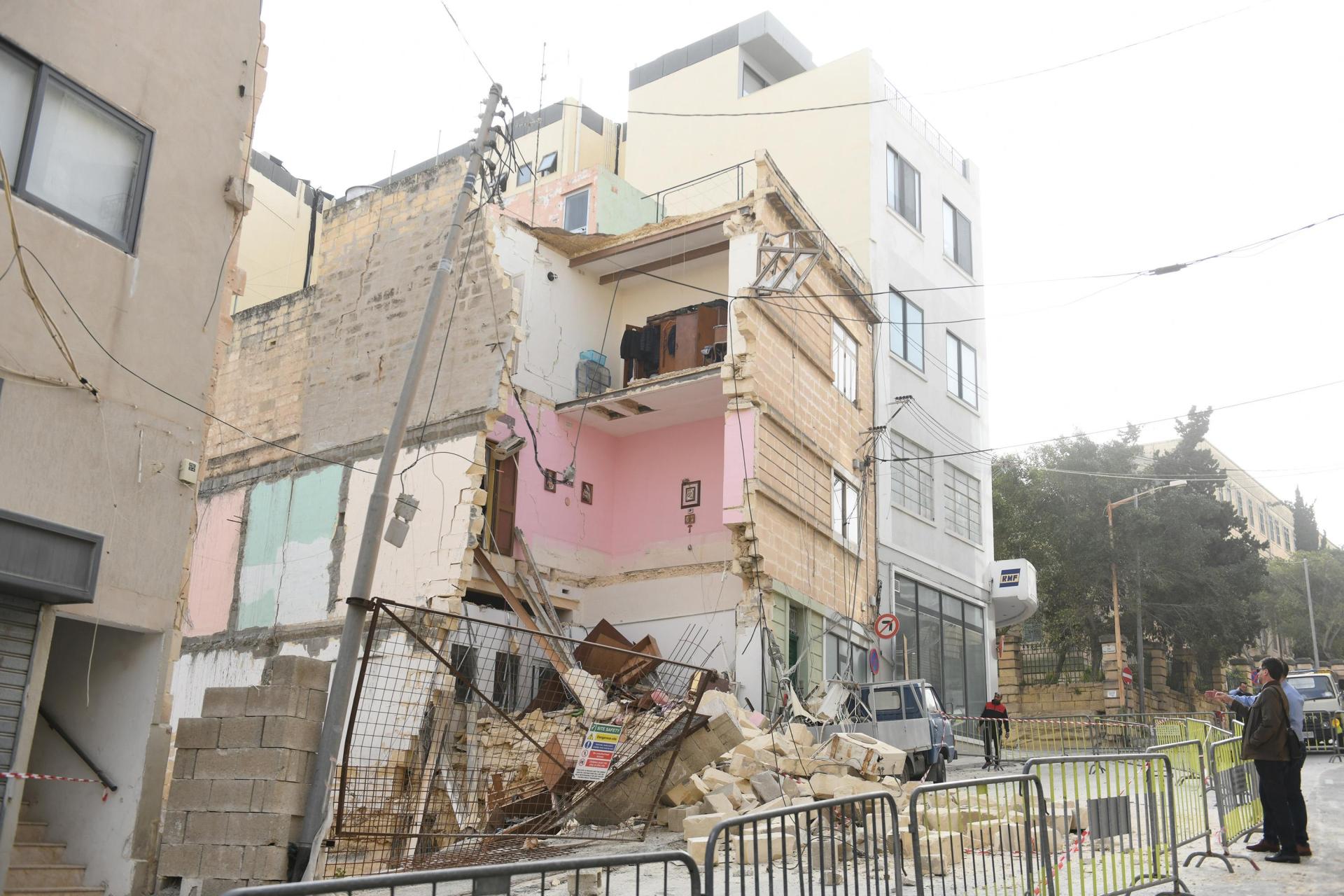
.
One family managed to save their blind dog, but the owner told Times of Malta they had nothing left except the clothes on their back.
On June 8, another apartment block came down, this time in Mellieħa.
A 77-year-old resident of the four-storey building was rescued from the building and rushed to hospital. She later died in hospital. Four people – the architect, developer and contractors – were later charged.
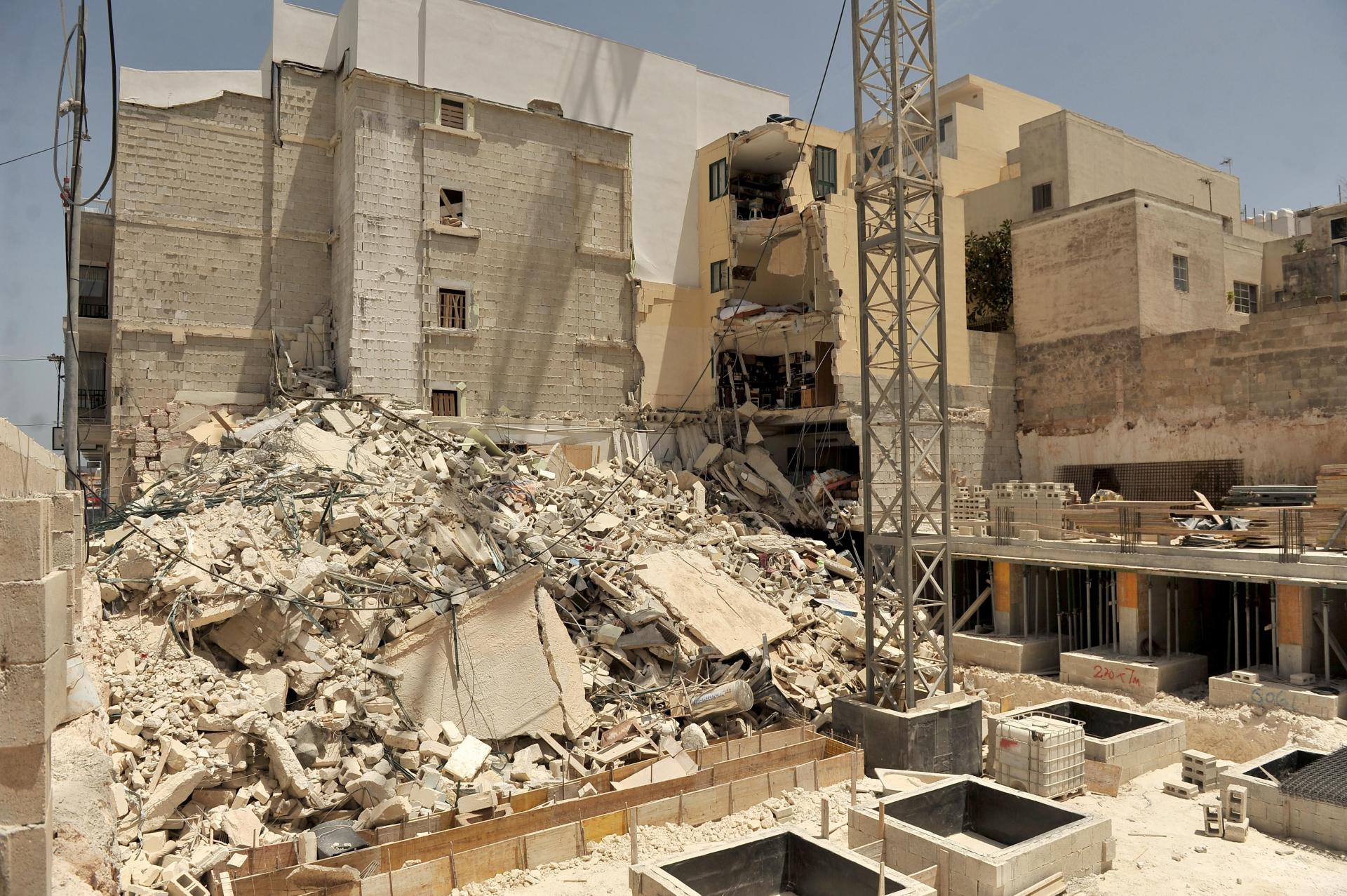
The Mellieħa building collapse which happened on June 8, 2019 at around 6am. Photos: Chris Sant Fournier
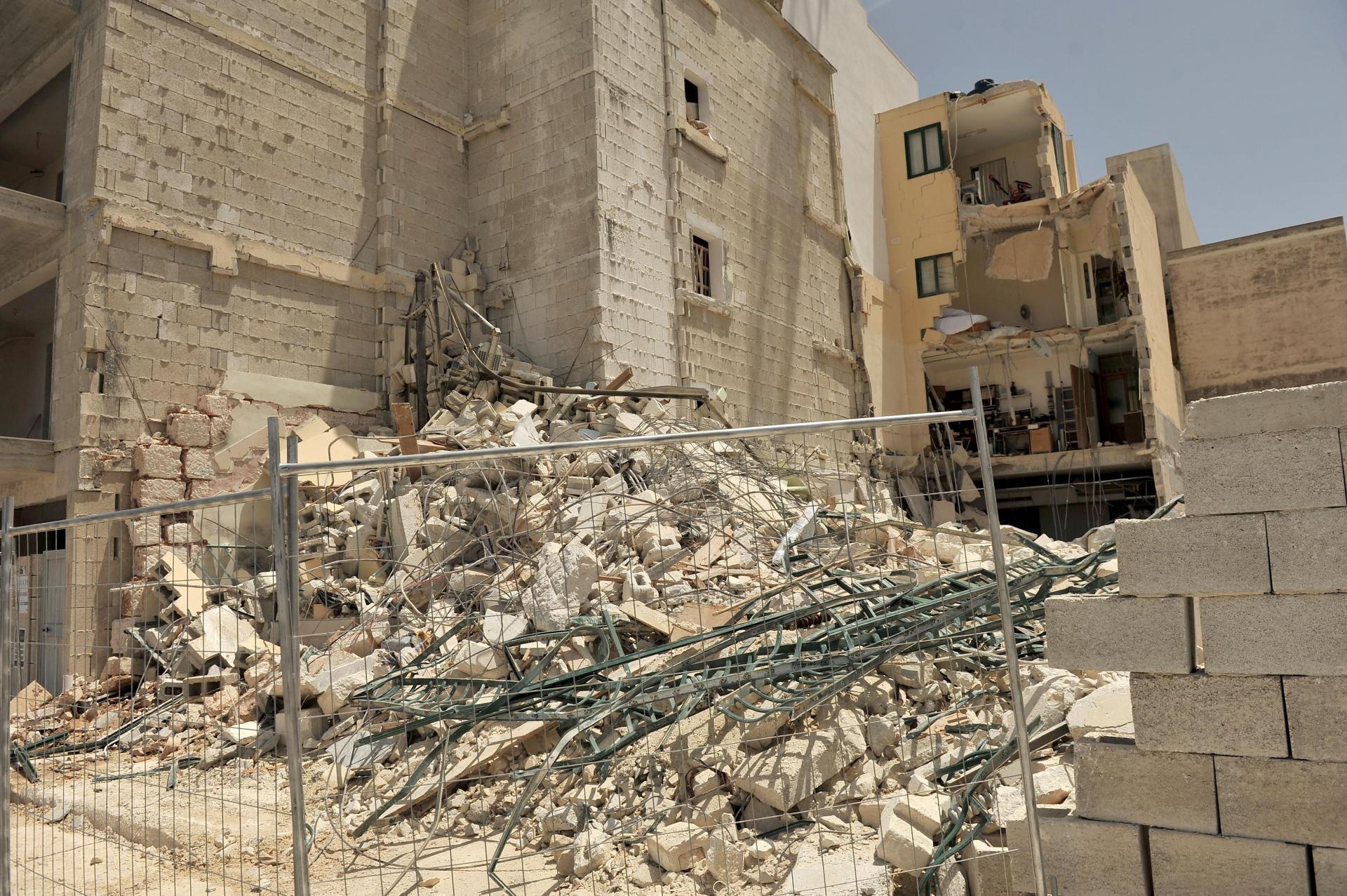
.
Less than a week later, Guardamangia was the scene of yet another collapse. Fourteen adults and five children were forced to evacuate from their block, after a wall adjacent to a building site collapsed.
Resident Janet Walker, who would go on to be one of the faces of a campaign to beef up construction legislation, said she had filed multiple reports about the dangers of the construction next door, but she and the other residents had been assured that the wall was safe.
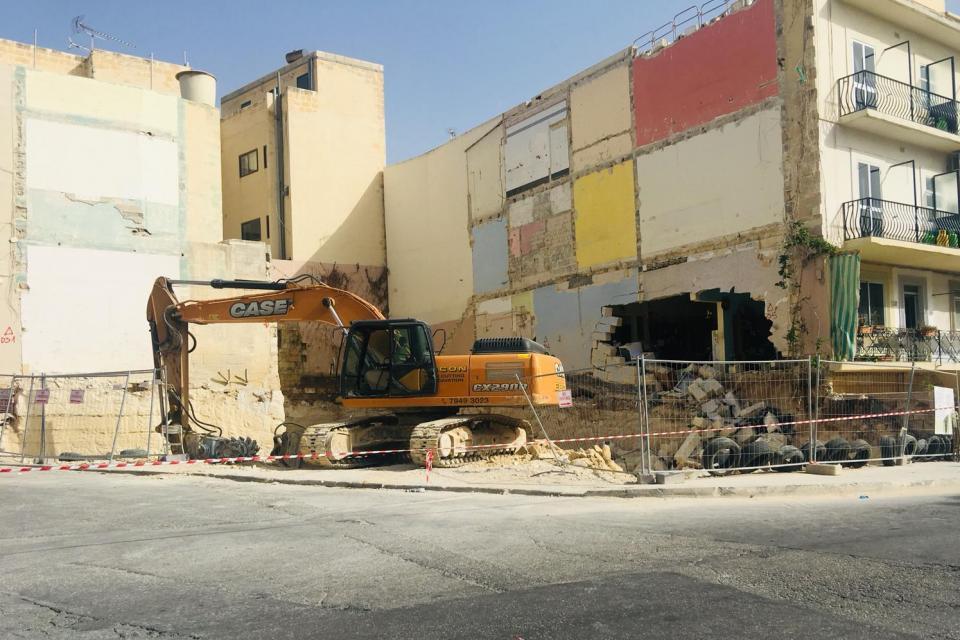 The gaping hole in a Guardamangia block of apartments after a wall collapsed.
Following the collapses, the government introduced the Avoidance of Damage to Third Party Property Regulations. These regulations aimed to protect neighbouring properties from construction-related damages by among other provisions, mandating the appointment of a site technical officer responsible for overseeing demolition and excavation.
However, the regulation faced criticism for being hastily drafted and lacking comprehensive consultation with industry stakeholders.
2020: Miriam Pace buried in her own home
A streak of near misses sadly came to an end the following March. Miriam Pace, a 54-year-old mother of two was killed when the Ħamrun house where she and her husband resided came crashing down on top of her.
Once again, excavation works were ongoing adjacent to the collapsed property. Pace’s husband Carmelo later said in court that his wife had been highly anxious about the works.
Four individuals – the architect, contractor, site technical officer and a construction worker – were charged with involuntary homicide and other offences related to the collapse.
Architects Roderick Camilleri and Anthony Mangion were found guilty of involuntary homicide and involuntary damage to third-party property. They were initially sentenced to community service and fined. However, upon appeal the court converted the fines into suspended jail terms.
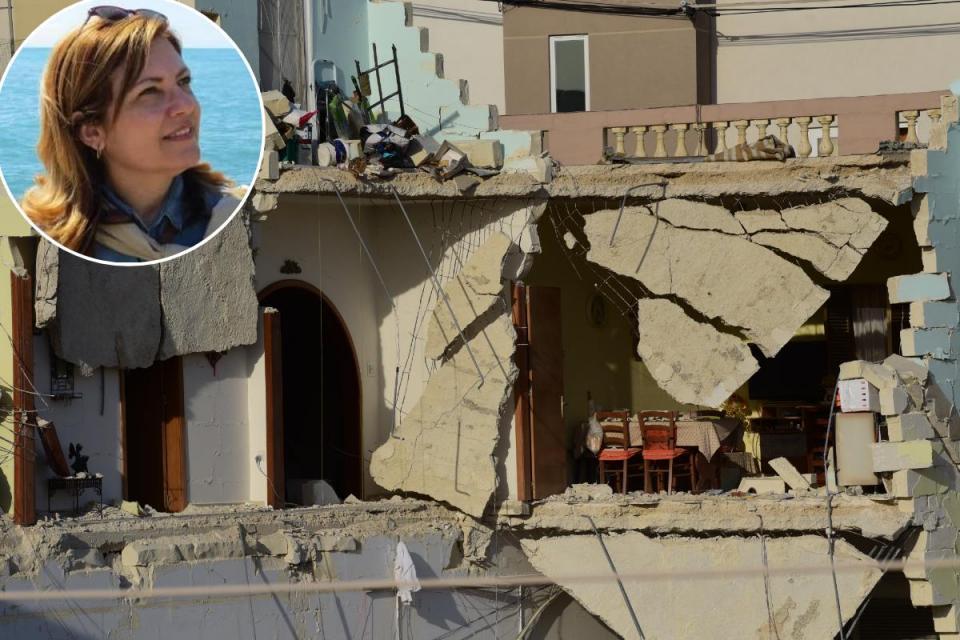 The Ħamrun collapse. Inset: Miriam Pace
Ten months after the incident, a report into the construction industry was tabled in parliament by Prime Minister Robert Abela, who had initially insisted it would not be published.
The report said the industry was plagued by “deep-rooted problems that are not straightforward to solve in the short term”.
It recommended a series of long-term changes to bring the sector in line with those of “other developed countries”, including ending the “very dangerous” practice of cutting rock flush with party walls using excavation equipment known as a trencher, and calling for significant investment by the government in enforcement to end abuse within the sector.
In 2021, the Building and Construction Authority was set up to centralise oversight, issue guidelines, process complaints, and maintain a register of service providers.
2022: Jean Paul Sofia becomes latest victim
In December 2022, the country was shaken by the news that a large construction site in Corradino had collapsed.
The structure, which was intended to be a timber factory, collapsed “like a pack of cards” during roofing works.
Over the next few hours, rescuers would pull five injured workers from the rubble, but another, 20-year-old Jean Paul Sofia, was found dead.
The young man had been delivering some tools to the site and had only been inside the structure for around eight minutes when it came down.
Initially, the government voted against a public inquiry into Sofia’s death, leading to widespread public outrage, led by the victim’s mother, Isabelle Bonnici. However, following intense pressure, including a vigil attended by thousands, Abela announced the initiation of the inquiry.
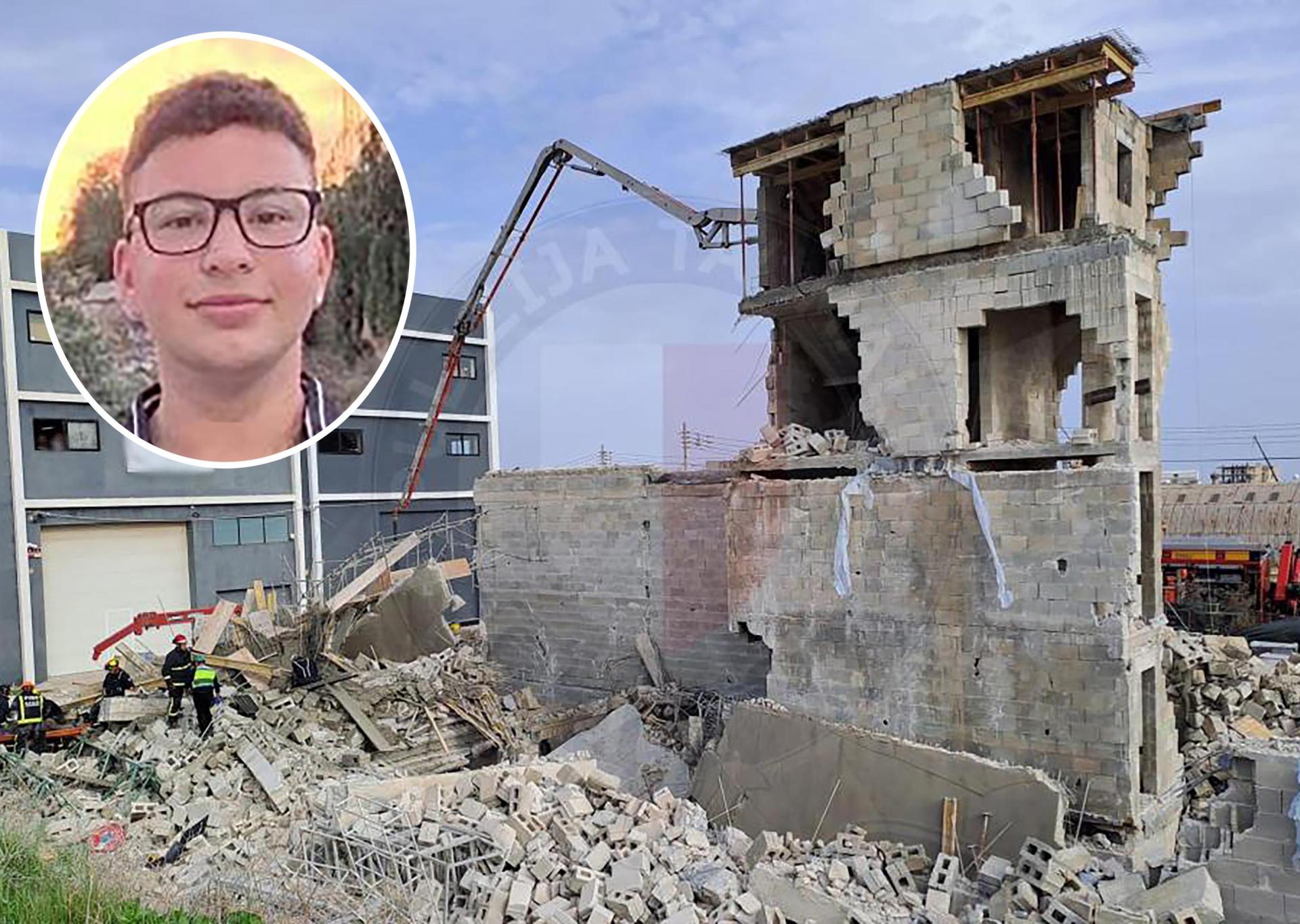 The Corradino collapse site. Inset: Jean Paul Sofia
The 484-page inquiry report concluded that Sofia died on an “essentially unregulated construction site” and held the state responsible for oversight failures. It highlighted a “comedy of errors” in construction legislation and called for significant reforms.
The report also revealed that the BCA lacked the legal authority to oversee the Corradino construction site, since a “significant legislative void” prevented it from enforcing regulations on free-standing structures.
As of March, the government reported that 22 per cent of the inquiry’s recommendations had been fully implemented, with 47 per cent at an advanced stage. Reforms included changes to how government land is allocated, contractor licensing, and enhanced workplace safety surveillance.
Plans to introduce 17 national building and construction codes over three years were also announced. The Kamra tal-Periti was tasked with leading the drafting efforts.
Construction Reform Minister Jonathan Attard said priority would be given to codes related to the structural integrity of buildings and construction sites, and fire safety.
In July 2024, a new Health and Safety at Work Act was passed unanimously in parliament, replacing outdated regulations and strengthening worker protections.
2024: Sliema ceiling collapse
A 51-year-old Albanian worker died, and another was hospitalised when a ceiling collapsed inside a house undergoing renovations, later found to be unsanctioned.
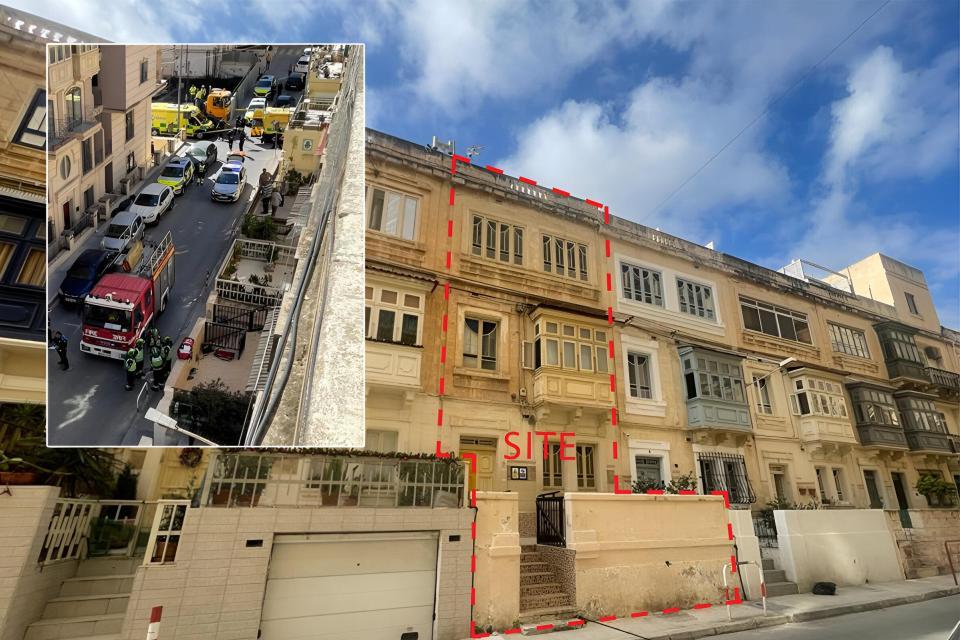 The townhouse on St Ignatius Street, Sliema, where the roof collapsed and (inset) the rescue operation that followed.
2025: Evacuated hours before Paceville block collapse
A multi-storey apartment block collapsed late on June 11, hours after 32 student residents were evacuated due to safety concerns. The building was adjacent to an active construction site.
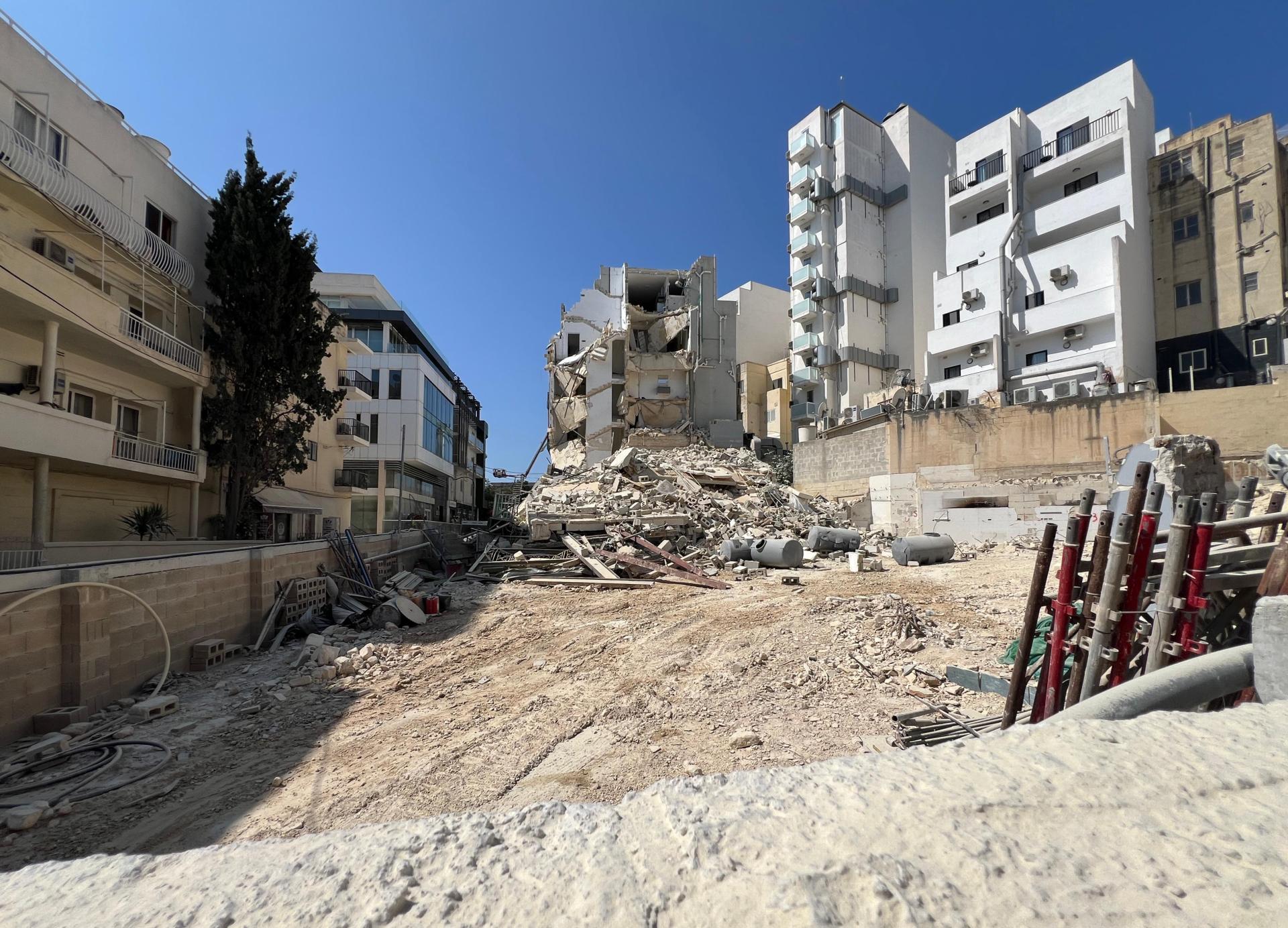 The collapse in Paceville last Wednesday. Photo: Chris Sant Fournier