From 'toast' to faħli and żrar, these were Malta's 2025 words of the year
Times of Malta teams up with associate professor Michael Spagnol to list the year's buzzwords
It’s that time of the year, where, as it has done for over a decade, Times of Malta teams up with associate professor Michael Spagnol, creator of the Facebook page Kelma Kelma, to list the year’s “buzzwords” in the Maltese language.
This year we have been regaled with newly coined words such as faħli, while others saw a comeback with a twist, such as toast, kant and… żrar.
Toast
The smell of toast ushered in the new year. Mr Sofrito’s food was, literally, on everyone’s lips.
While half the nation would head to Dingli early on Sunday, hoping to make it in time for a €9.90 toast, the other half would complain about the nerve – colloquially coining a new word toastaġni - of a group of people, who, in a frenzy to try toasted bread with ham and cheese, litter the countryside.
 People would queue for Sofrito's ham and cheese toast. Photo: Facebook
Ġbejna
By the end of January, the sheep ġbejna became Malta's first DOP product.
It’s now time to leave the word ‘cheeselet’ – which is not an actual English word – behind us in the year 2025.
Have you ever ordered ‘raw fish rolls’, instead of ‘sushi’? Or ‘Spanish wine punch’ instead of ‘sangria’? Traditional food names - ramen, hummus, paella, kimchi, panettone, tzatziki – are not translated. Same with ġbejna.
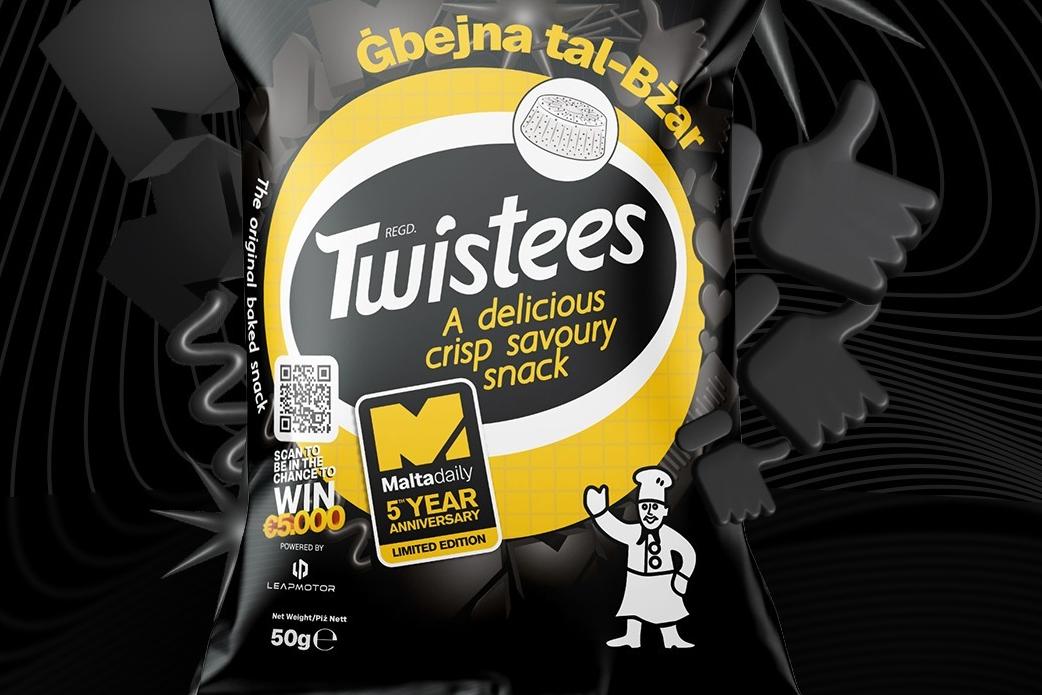 It's been a good year for the ġbejna. Photo: Facebook
Kant
By February, everyone was arguing over what Miriana Conte was actually serving: whether musical notes or pastizzi (not cheesecakes!).
The pun did not go down well with the EBU, and the only word in Maltese in the song was replaced with ‘aahh’. They didn’t like the Maltese kant, ħej…
 The one Maltese word that made it to this year's Eurovision Song Contest was censored. Photo: Facebook
Mesolitiku
We always thought the first Maltese were Neolithic farmers.
Plot twist.
This year, according to a discovery at Għar Tuta, we learnt that people managed to land on Malta 8,500 years ago in Mesolithic times.
History began with hunters. Eight millennia later… still hunting.
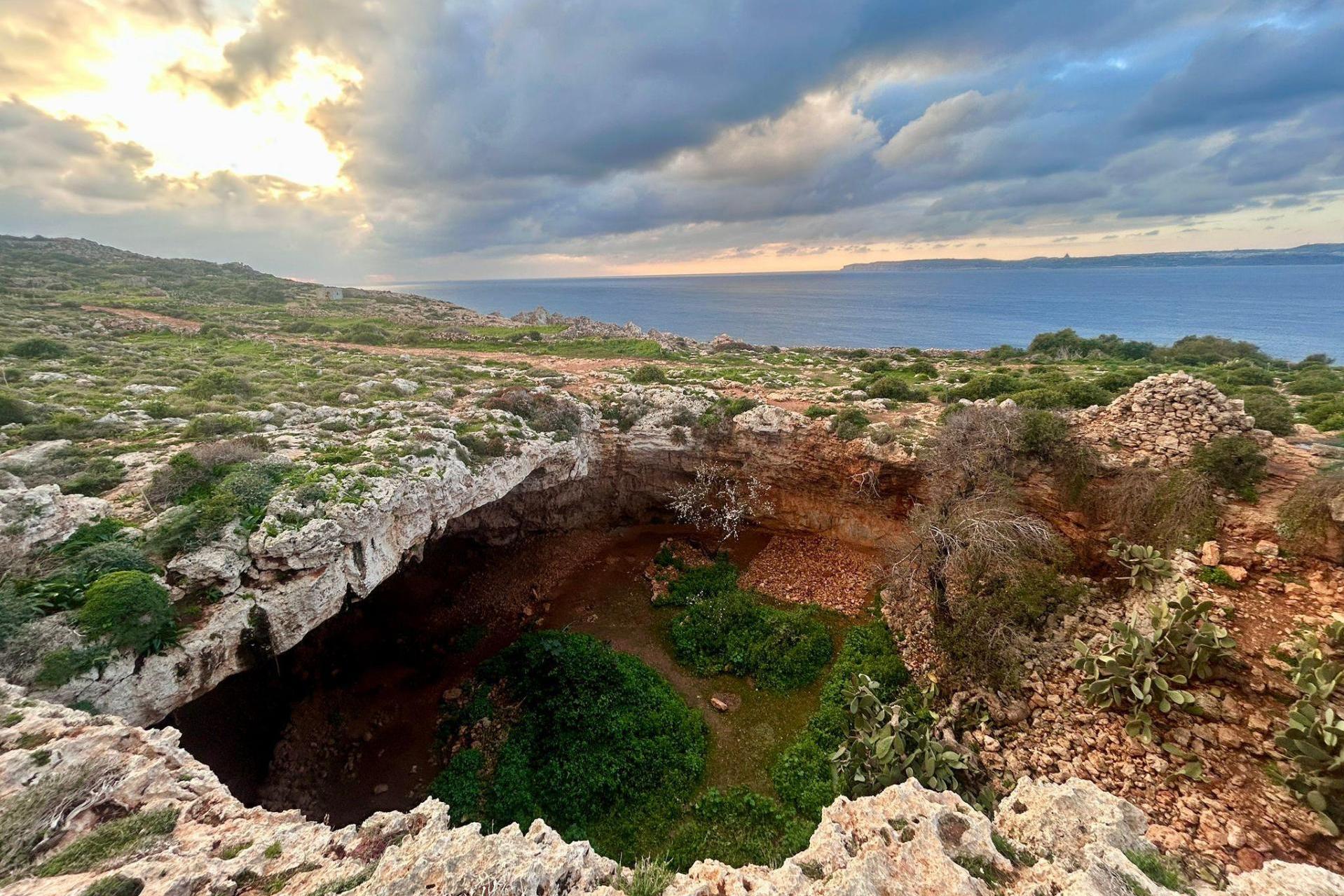 Mellieħa's Latnija cave (Għar Tuta), where the discovery was made. Photo: Huw Groucutt
Faħli
By June, Love Island opened its doors to this year’s participants. When one of the participants saw the word of the year 2022 on the wall, jaħli, she mispronounced it as faħli.
The word stuck.
It was used in memes, on shirts and mugs. The slip of the tongue reminded us of faħal (stallion), which is sometimes used for a very strong but stupid or useless man.
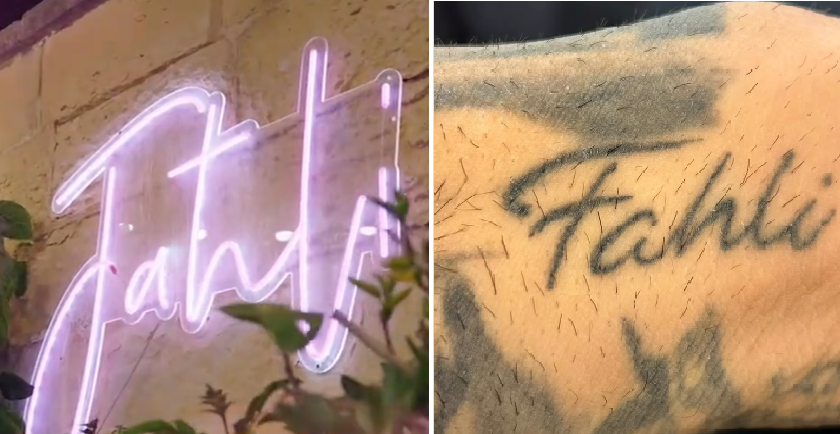 Jaħli: as seen on LoveIsland villa's wall (Photo: TikTok); and the word Faħli being tattooed and later removed by one of the contestants (Photo: Instagram)
Labubu
The line of collectable plush toys has been popular in Asia for years, but only made it to this part of the world this year.
Up until a few months ago, everyone wanted one, but the hype seems to have died down… is everyone għalabubu by now?
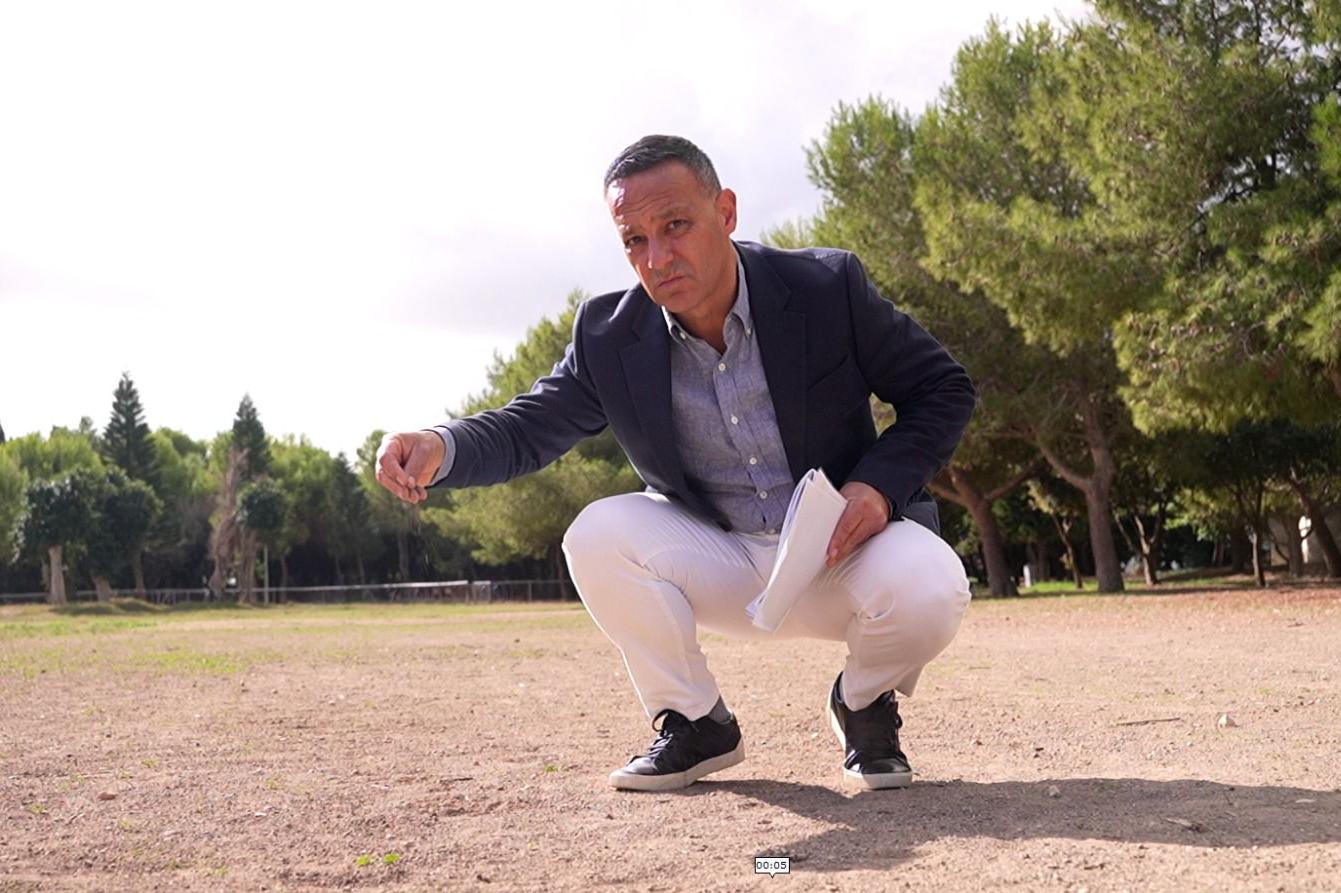 Jason Micallef accompanied Times of Malta during a visit to the Ta' Qali National Park.
Żrar/grevil
The saga at the Ta’ Qali National Park started in the middle of summer.
The park’s makeover included the replacement of grass and shrubs with żrar, xaħx, ramel or, as some are calling it, grevil. Five months on, the dust hasn’t settled.
The only thing still growing is the controversy.
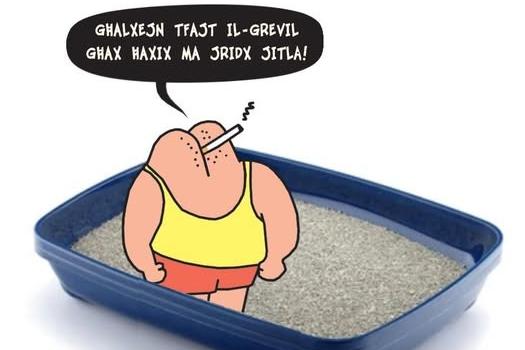 The grevil even made it to Steve Bonello's cartoons.
Bambujn
The past 12 months were marked by reality shows, some of them for the first time on Maltese screens: Big Brother, The Masked Singer, Come Dine With Me… and with them, the Gozitan dialect.
It was a year dominated by Marvic’s “legħba” and “sbeħ tal-Bambujn” of Josline aka Ġoslejn.
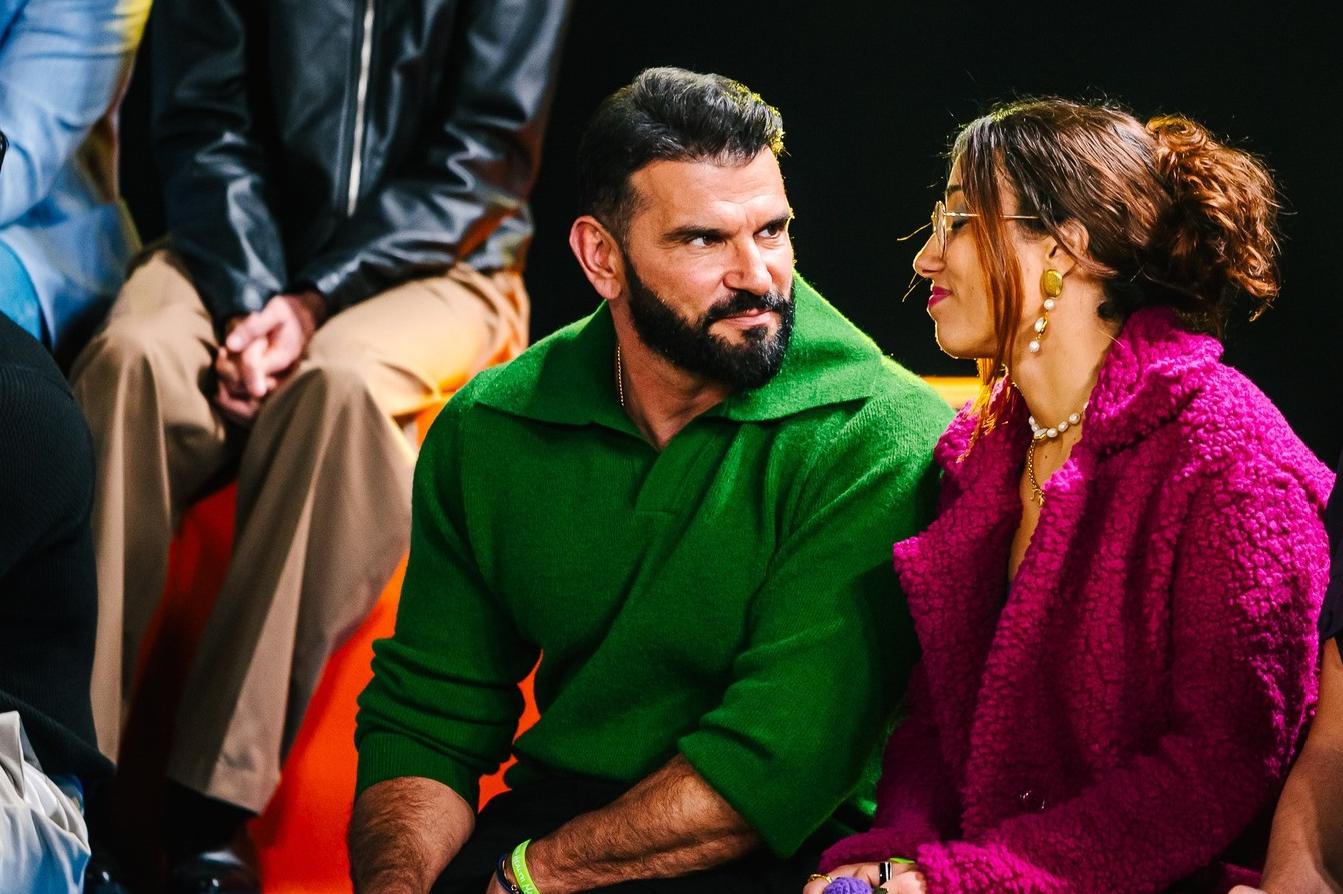 Marvic and Josline. Photo: Facebook
Jet2
Social media provided several linguistic gifts this year, from the Coldplay concert ‘kiss cam’ to 6-7, the slang term and meme, popular especially among Generation Alpha.
However, the phrase that became the soundtrack for summer 2025 - including locally, where a brawl broke out at a popular Mellieħa hotel and a Paceville hotel had to be evacuated after the collapse of a building nearby – was ‘Nothing beats a Jet2 holiday!’
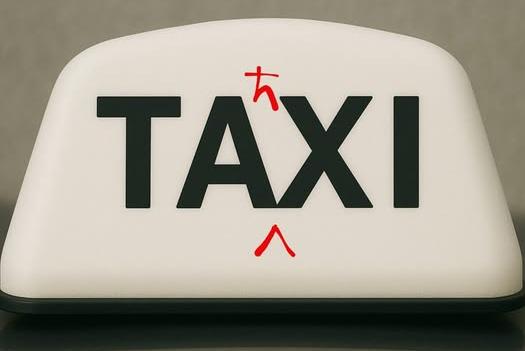 It was one steamy ride for a couple who took a taxi to their destination. Photo: Michael Spagnol
Ġobon fuq l-għaġin
This year, politicians revisited the issue of mass transport, such as trams and metros.
However, most people spoke about taxis.
A video of a taxi driver whose eyes didn't leave the road while his passengers copulated on the backseat spread like wildfire. But what spread even quicker was a reaction of a man who, upon seeing the video, said ‘Ara tgħidx li … ma tħobbx il-ġobon fuq l-għaġin!’
We started with ġbejniet and closed off with cheese. What a cheesy year!
A living language
Spagnol explains that living languages are constantly changing: new words are created, and existing words often develop new meanings.
A common type of change is extension, where a word acquires an additional meaning. In English, mouse once referred only to a small animal, but it now also denotes a computer device.
In Maltese, ħaraq originally meant ‘to burn’, but it is now also used to mean ‘to irritate someone’ (taħraqnix) and ‘to copy digitally’ (taħraq CD). Similarly, the verb kellem no longer only means ‘to speak’, but is also used to refer to texting or chatting online (issa nkellmek Messenger).
Another type of change is amelioration: a word develops a more positive meaning.
In Maltese, babaw, which originally referred to a frightening figure like a bogeyman, is now also used to mean something excellent or impressive (film babaw).
In contrast, pejoration involves a shift towards a more negative meaning: kiesaħ originally meant ‘cool’ or ‘cold’ in temperature, but it has also developed the figurative meaning of someone who is impudent, cheeky, disrespectful (tifel kiesaħ).
Interestingly, this development moves in the opposite direction to what happened in English cool, which originally described only temperature but is now widely used to mean something fashionable, impressive, or admirable.
These examples illustrate how word meanings evolve as speakers adapt language to new experiences, technologies and social contexts.