The story behind the stories of 2025
Times of Malta journalists pick one story that impacted them in 2025
Every year we ask the Times of Malta team to choose one story that impacted them and to share their behind-the-scenes experience with readers.
Here are their choices for 2025:
CLAUDIA CALLEJA: ‘Sadness and loss, but also kindness, hope and love’
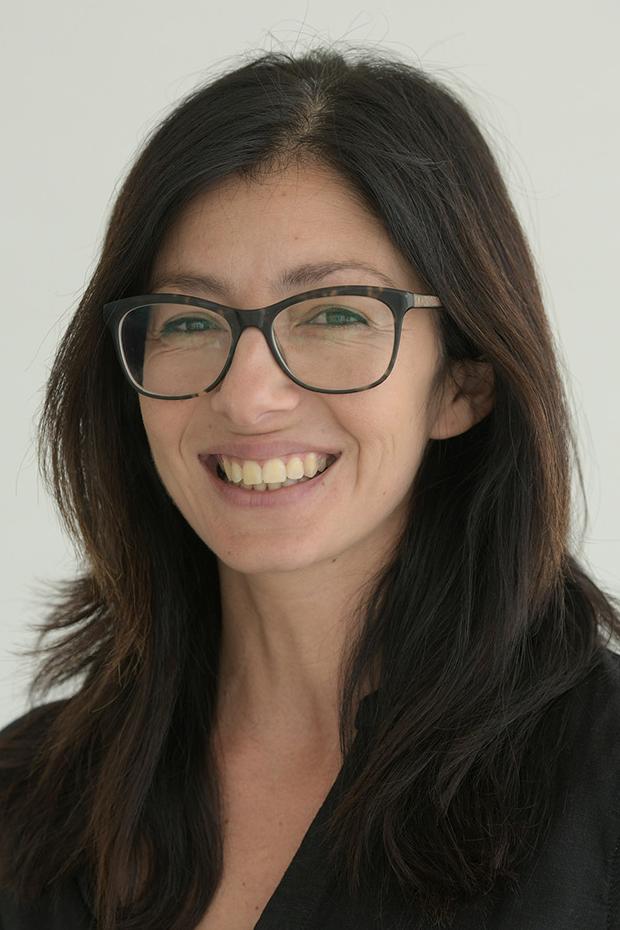 Claudia Calleja
My heart still tightens when I think of this story. I can still hear the gentle voice of Indian national Tom Jacob echoing through the hospital corridors as he looked into my eyes, tears welling up, and said: “I am not angry. I am sad.”
The story reached our newsroom through a woman who had met Tom at the restaurant where he worked as a sommelier at night – the only time he stepped away from his wife’s hospital bed.
After listening to his story and wanting to help, she called the Times of Malta newsroom and spoke to our news editor, Diana Cacciottolo, who passed it on to me.
With Tom’s number in hand, I reached out and met him at the hospital. I went with him to see his wife. He kissed her on the head before we stepped out to sit on the blue chairs in the hospital corridors, where he told me his story.
On July 16, his 29-year-old wife, Tonamol Baby – who was five months pregnant – was crossing the road on her way to work at Mount Carmel Hospital when she was hit by a car. Tonamol, a nurse, was replacing a sick colleague at the psychiatric hospital that day. She did not usually work there.
The accident killed their unborn baby and caused severe brain injuries, leaving her in a coma at Mater Dei Hospital. She remained there until a crowdfunding campaign raised enough money to cover her transfer home to Kerala, India, aboard a specially equipped medical aircraft. Tom’s GoGetFunding page raised more than €74,000 ‒ far exceeding the original €50,000 goal.
Throughout it all, Tom clung to the small signs of progress he saw in his wife, hoping for further improvement as he remained by her side.
Today, she is surrounded by family in India, thanks to the overwhelming support of the Maltese people.
This story stayed with me – perhaps because, beyond the sadness and loss, it was also a story of kindness, hope and love.
 Tom Jacob with his wife Tonamol Baby before the accident.
DANIEL ELLUL: From a ‘venial sin’ to a resignation
 Daniel Ellul
Before becoming a journalist, I imagined meeting sources would be far more cinematic.
My mind was filled with scenes from the 1970s film All the President’s Men: clandestine late-night encounters, shadowy figures and deep voices whispering “follow the money” from the corner of an underground parking garage.
But the reality is different. We usually meet the people who give us important public interest information at a coffee shop.
Earlier this year, however, I felt like a film character. One source wanted to meet at a specific location. There I was asked to sit in the back of a car.
It was then that I was given a copy of a contract of engagement at the Authority for Integrity in Maltese Sport for an ex-footballer banned for life over match-fixing.
The contract was signed by then CEO Jean Claude Micallef.
Jermaine Brincat, a Floriana FC player until 2013, was sanctioned by the Malta Football Association for attempting to bribe a fellow footballer.
He was handed a lifetime ban alongside other players.
My government contacts described the appointment as “embarrassing” but not bad enough to remove Micallef from his post.
“It’s a venial sin, not a cardinal one,” I was told.
But the weekend after that story came out, Micallef reacted on live radio, vowing retribution against the people who leaked the service contract. It was at that point that the story gained wider attention.
After hearing the radio comments, separate sources approached me saying that Micallef was being chased for money and had a court case over unpaid business bills.
Soon after, the authority chair, former judge Antonio Mizzi, and board secretary Frank Camilleri, offered to step down. The minister responsible, Clifton Grima, refused the offer. It was then that Micallef resigned. That offer was accepted.
In his resignation letter, Micallef pointed to photographs of the engagement contract, published by Times of Malta.
“The Times also published the clothing of the pseudo-photographer. Every employee at the authority knows who it was,” Micallef said.
Reading that line, I couldn’t help but smile. Because I had taken the photos.
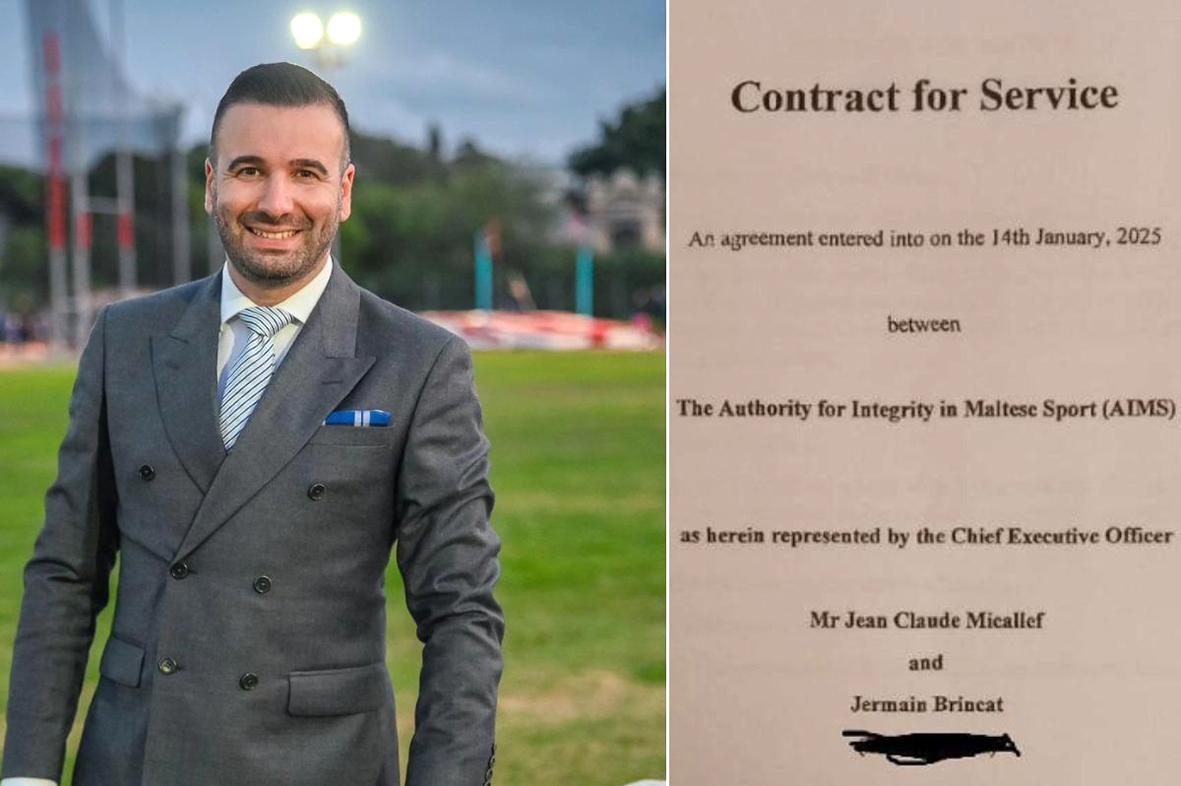 Jean Claude Micallef and (right) the contract in question.
MARC GALDES: When poverty becomes a crime
 Marc Galdes
I have vivid memories of visiting London as a child and being taken aback by the number of homeless people. I remember questioning why I never saw this in Malta. Only in recent years have I started to notice people sleeping rough here too.
The solution? Carrying out police raids targeting the homeless.
I took to the streets to speak with the homeless to understand why this is happening. The reality is grim.
They live in hiding and shame. Many have not showered in days, they sleep very little, eat irregularly and survive by rummaging through rubbish to collect empty cans and bottles. Above all, now they live in constant anxiety of being arrested.
The investigation revealed that most of them are dealing with drug addiction, particularly synthetic cannabis – a cheap substance that can be bought for as little as €5.
Yet this vulnerable group has few places to turn to. Shelters, which are already full up, operate on a strict zero-tolerance drug policies, effectively shutting out many of those most in need.
Rather than offering support, Malta has chosen to leverage antiquated laws – one dating back to 1854 – which outlaw begging and living “an idle and vagrant life”, effectively criminalising homelessness.
Another story revealed that within the European Union, only Croatia and Hungary maintain similar legislation, while other member states have abolished such laws.
NGOs and the Church have condemned the criminalisation of homelessness, arguing that it does nothing to solve the issue only humiliates the homeless. Yet the wider public’s response has largely been one of indifference.
Enforcement has a role to play when public safety is at risk. But arresting people solely for being homeless amounts to little more than sweeping the issue under the rug.
One homeless man being arraigned in court put it perfectly: “I do not understand how being homeless is a crime.”
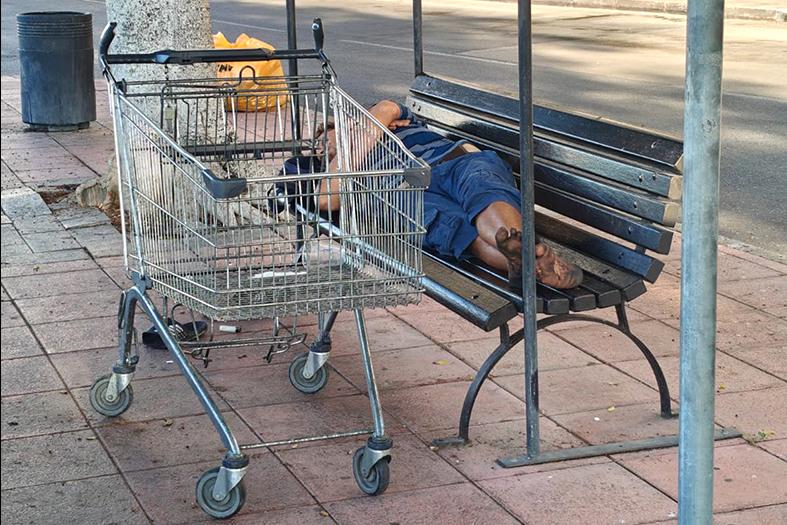 The homeless live in constant anxiety of being arrested.
EMMA BORG: Can tax cuts compete with cats and dogs?
 Emma Borg
I began the year with what quickly became the press conference that kept on providing numerous stories.
Organised by the National Commission for the Promotion of Equality (NCPE), it presented research into attitudes towards work-life balance in Malta, with a particular focus on family size. The study was conducted by professors Anna Borg and Liberato Camilleri.
Most press conferences require journalists to dig for a news line. This one supplied plenty. The data confirmed what many suspected: if my generation does not have at least three children, Malta’s population will not grow for almost a century.
The articles that followed, drawing on the conference’s findings on work-life balance and gender inequality in the home and childcare, were widely read and predictably controversial. But the reaction mattered. What began as academic research transformed into a public debate.
By October, that debate had reached the heart of the government. Families became a central feature of the budget, with the finance minister announcing measures aimed at boosting the birth rate. Chief among them was the widening of income tax bands for parents, a flagship policy set to deliver significant tax cuts over the next three years.
Whether fiscal incentives can reshape deeply ingrained social choices remains to be seen. For now, the question is whether it will be enough to persuade a generation increasingly inclined to choose pets over children.
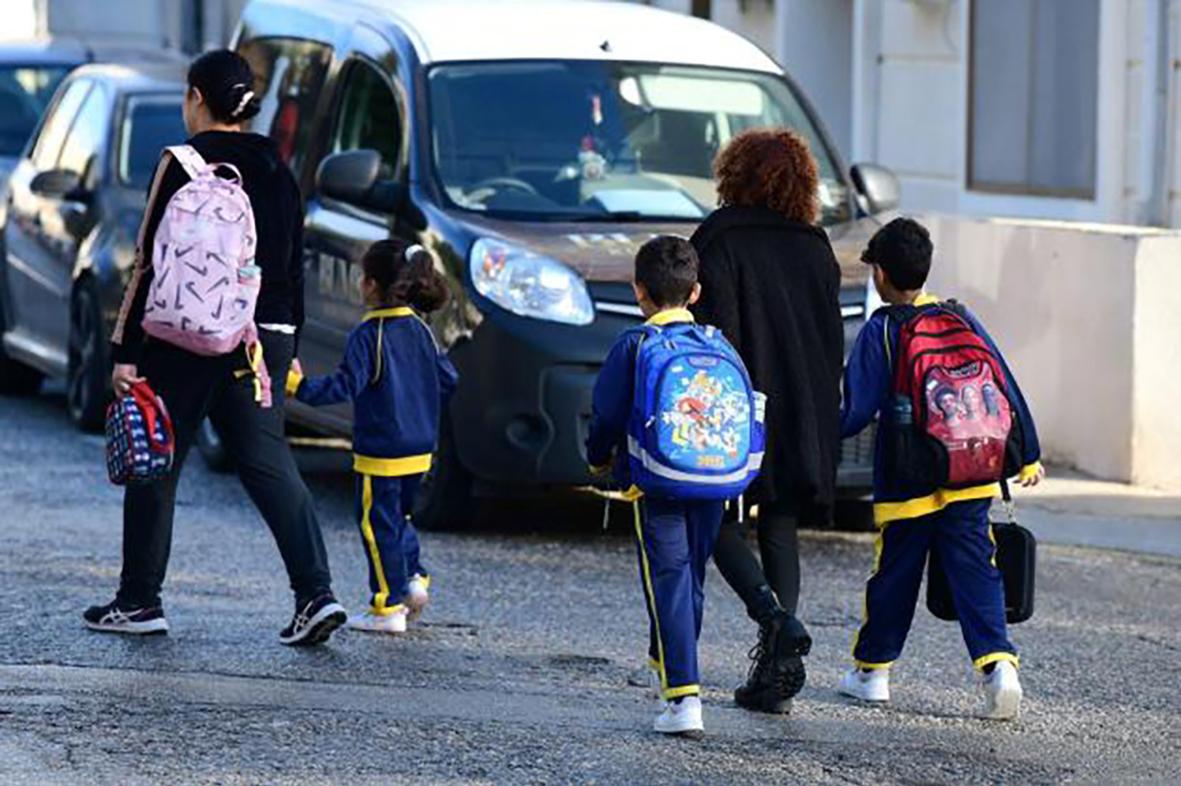 Families became a central feature of Budget 2026.
MATTHEW BONANNO: The attack on the Conscience and Greta Thunberg in Malta
 Matthew Bonanno
On May 2, while out on a mundane coverage, I received a phone call from my editor.
“Greta Thunberg has been spotted in Valletta. Could you try and find her?”
Early that morning, the Conscience, a boat carrying pro-Palestine activists on their way to Gaza, was allegedly attacked and crippled by Israeli drones while anchored just outside Maltese territorial waters. The Swedish climate activist, as it later transpired, was meant to board the vessel in Malta before it continued its journey to the war-torn enclave.
After a few phone calls, I found out Thunberg and other members of the Freedom Flotilla Coalition were at Moviment Graffitti’s headquarters in Valletta.
The building on Strait Street was a hive of activity – dozens of activists from all over the world were hunched over laptops or on their phones. Thunberg – clearly worn out from speaking to the international media – eventually made time to give me a comment on the incident. She was shyer than I had expected her to be.
In the days after the attack, which military and maritime security experts suggested was carried out with loitering munitions, attention turned to the fate of the stricken vessel and those aboard it.
Activists wanted the Conscience to be towed to Malta for repairs so it could continue on its mission to break Israel’s blockade of Gaza, while the government refused.
After two weeks of wrangling, crew members were brought to Malta before being repatriated to their respective countries, while the boat was towed to the Libyan port of Misrata.
To date, no country or group has claimed responsibility for the attack.
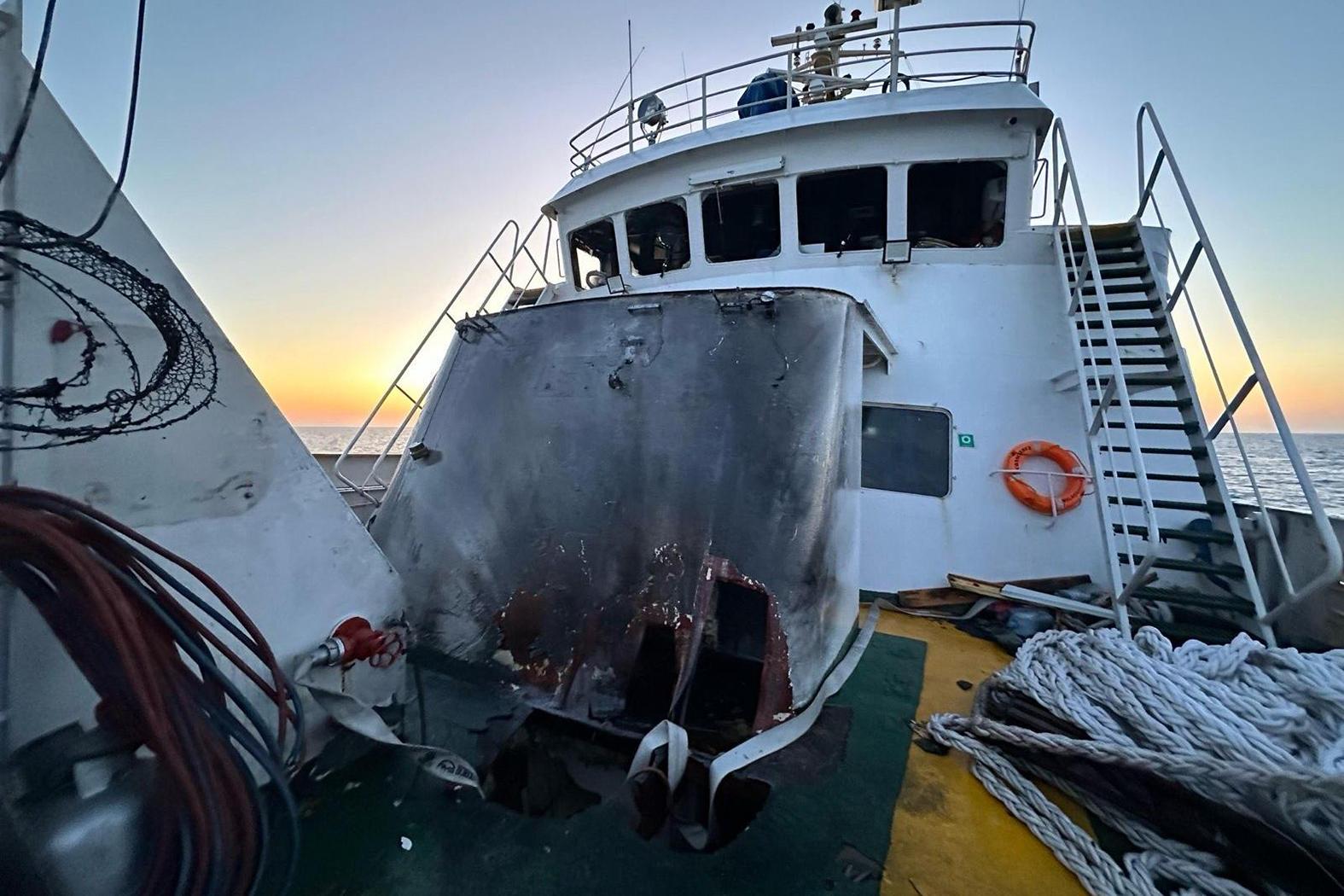 The Conscience suffered damage to its bow. Photo: Freedom Flotilla Coalition
MARK LAURENCE ZAMMIT: That time I went to prison
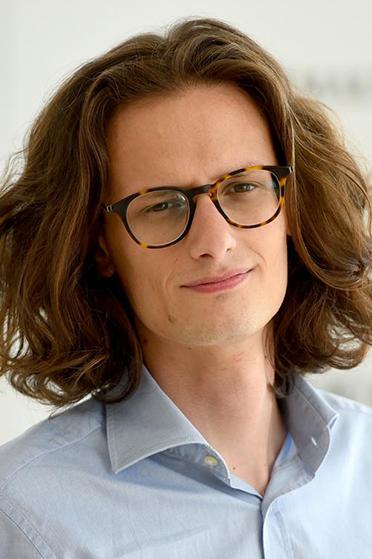 Mark Laurence Zammit
It has been nine months since I went to prison, and I still cannot shake off the chilling sensation I felt when I heard the heavy iron bars slide into the thick wall, locking me inside a small cell.
I knew it would be just a couple of minutes before I was out again, but the rush of panic and anxiety that enveloped me was as real as it could get, and it gave me a glimpse of how surreal life without liberty is. It does not even feel like life.
Within those heavily guarded, chunky walls, you forget what anything is like on the outside – you forget there even is an outside.
And I promise, I’m not exaggerating. Walking out of Corradino after a four-hour tour of the facility felt like discovering the world anew.
We were granted a very rare, extensive access to film inside prison for Times Talk last March.
The 45-minute documentary offered a unique glimpse into the inner workings of the facility, captured scenes from divisions, cells and other restricted areas, and gave people a taste of the reality of incarceration within the British-era structure, which currently houses over 700 inmates.
And it did capture the imagination of people, far more than I thought it would. People on the street would not stop talking to me about it for weeks after we published that episode, and I could see they felt the anxiety watching it, even though they had never been inside.
I just hope it was not merely superficial interest, but rather, an opportunity to empathise with people who were dealt a bad hand in life – who grew up in circumstances that would make many of us do the same things they did, or even worse.
However, I feel I am not done with prison. After that episode, I also got calls from inmates and people close to prison who said there was more to see.
They urged me to go back at some point to interview them or to ask to be let into cells, divisions and other places that are still in a very bad state. And I hope I will be able to do that next year.
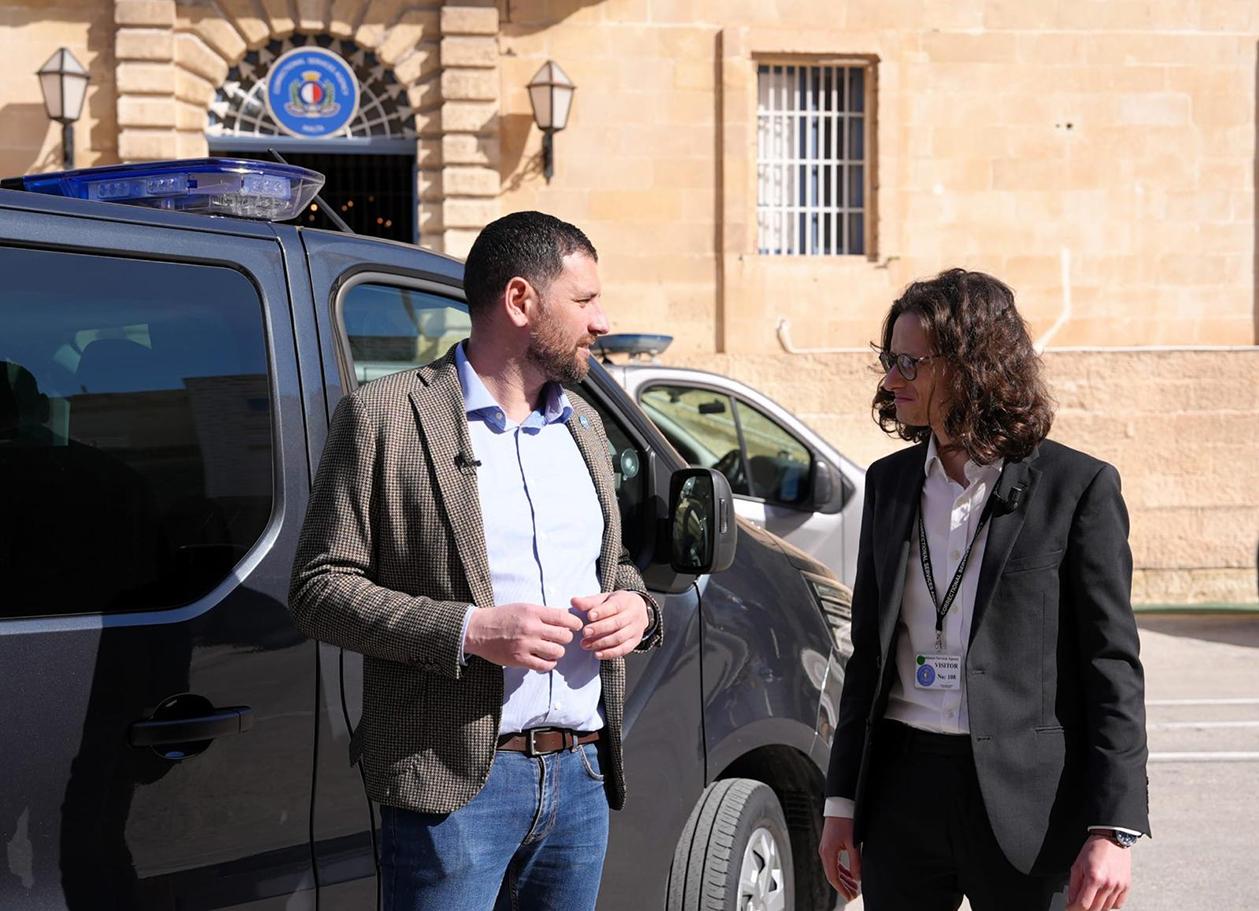 Prisons director Christopher Siegersma (left) and Mark Laurence Zammit outside the Corradino Correctional Facility.
JAMES CUMMINGS: Students left in limbo
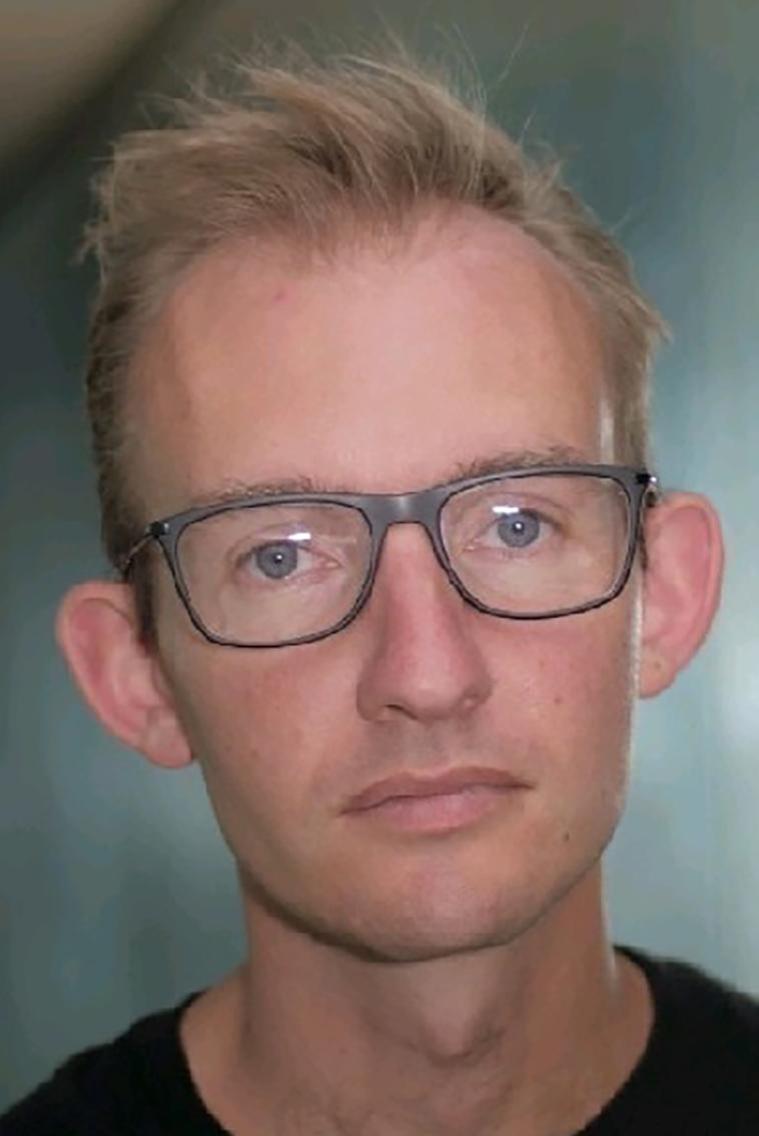 James Cummings
In August, I started hearing from prospective students of a private ‘university’ based in Gżira who complained they had been left thousands of euros out of pocket in unrefunded fees.
The students, all of whom were from outside the EU, described being “scammed” and having their lives “ruined” after losing thousands of euros to the International European University.
The institution’s licence was revoked at around the same time, but the story did not end there.
With the licence cancelled, the private university’s students saw their permits to be in the country also revoked – with immediate effect, triggering an outpouring of grief from the students and fears about their future – and support from across the country.
While private education can be good for the economy, this case brought home the importance of not forgetting about the human impact when something goes wrong. No student should be left in limbo when their future is at stake.
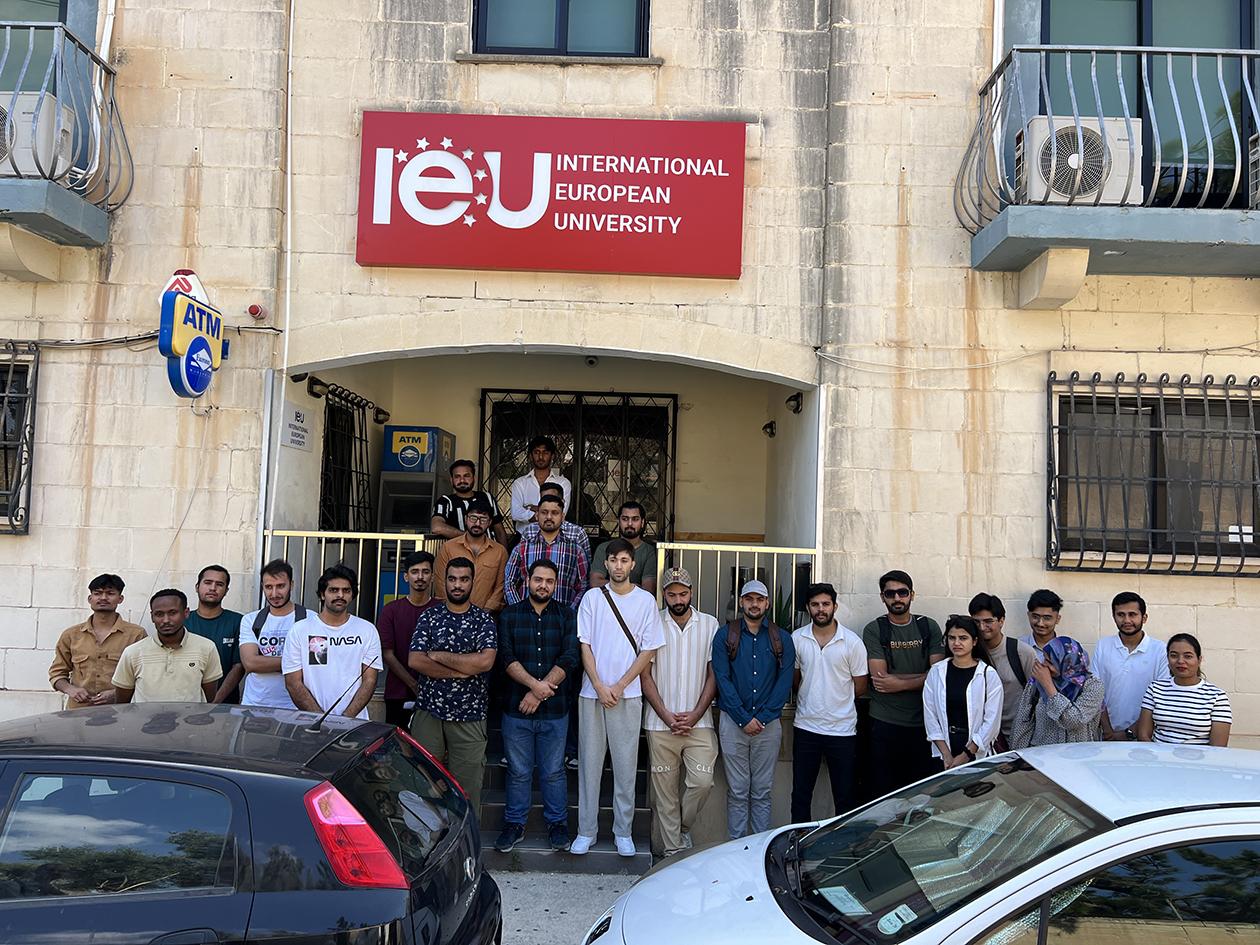 The students outside the private ‘university’. Photo: Chris Sant Fournier
FIONA GALEA DEBONO: The closure of Valletta’s iconic Wembley Store
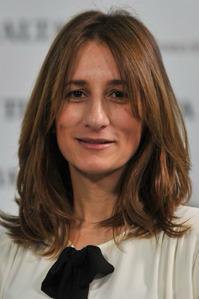 Fiona Galea Debono
It took a while to reach and interview the owners of Valletta’s iconic Wembley Store about its imminent closure after 101 years. I had gotten wind of this through the grapevine and the first step was to establish the facts, so it was one of those stories that remained on the backburner and could have just burnt out.
I had already written a series of articles for Times of Malta on the increasingly frequent and sad shuttering of long-standing, family-run shops in the capital – a phenomenon that has been growing due to prevailing commercial circumstances, including rental issues, or the takeover of catering establishments that have gripped Valletta, elbowing out the more traditional enterprises.
They are stories that capture generations of families and their legacies; of stores that encapsulate the history of the place, heritage, everyday life; withstanding the test of time and weathering important milestones, including wars and bombings in this case; and sparking memories, nostalgia and emotions every time, as a part of Valletta dies with them.
In this case, the landmark corner food shop on Republic Street was not forced to close but was described as a “fulfilled legacy” by its retiring owners. The late 19th-century building, with its unmistakable green façade, pictured in many a postcard over time and forming the backdrop to several historic photos, also offered an opportunity to go over the last century of Valletta’s story, the evolution of its main street and architectural elements, and the way life unfolded around it as a new business now starts to take shape.
Paying tribute and keeping the memories alive in these stories is something I suspect I will be doing more of in 2026.
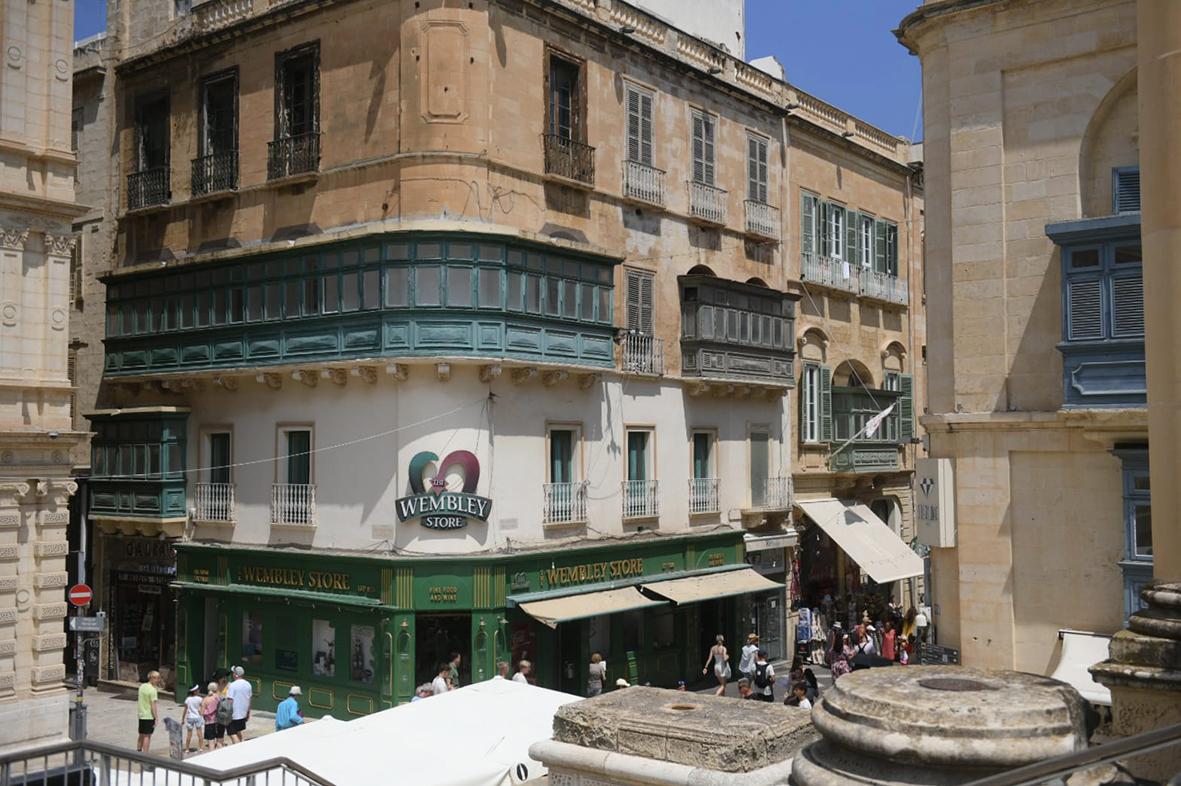 Wembley Store is another long-standing, family-run shop in the capital to be closed.
JACOB BORG: The ‘untouchables’ jailed for life
 Jacob Borg
Life sentences for four gang members linked to at least two murders marked a turning point for justice in Malta.
Two of the gang members, brothers Adrian and Robert Agius, known as Ta’ Maksar, had gained a reputation in Malta as untouchables.
They were sentenced by a jury to life in prison together with associates Jamie Vella and George Degiorgio for their roles in two brazen assassinations.
Lawyer Carmel Chircop was gunned down in 2015 outside his garage in Birkirkara, and journalist Daphne Caruana Galizia blown up near her Bidnija home in 2017. As detailed in an investigation by Times of Malta, OCCRP and Amphora Media, the brothers were “well connected” within the police force and politics.
Despite being on law enforcement’s radar as the “main criminals” distributing cocaine and heroin in Malta, the Maksars built a multimillion-euro empire unchecked.
They were only brought to justice after one of their own, Vince Muscat, turned on them in exchange for a reduced sentence in the Caruana Galizia murder and a pardon in Chircop’s.
As the Caruana Galizia put it after the June 2025 trial, the life sentences were a step towards a safer world.
 George Degiorgio, Adrian Agius, Jamie Vella and Robert Agius. Photo: Chris Sant Fournier
NEVILLE BORG: A chronicle of a death unnoticed
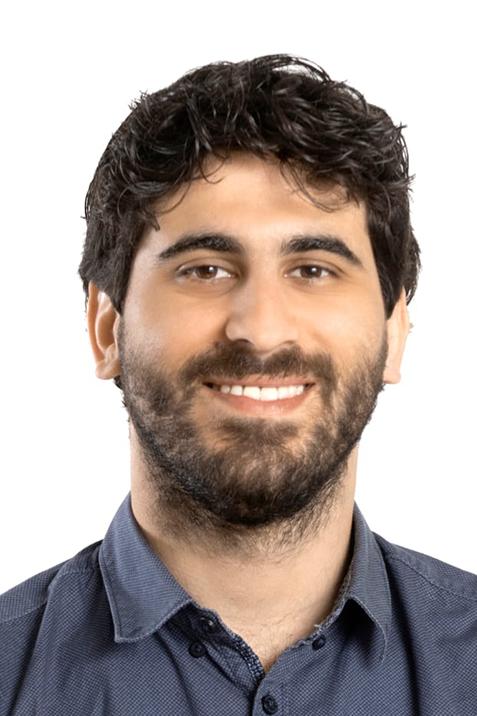 Neville Borg
A Facebook post in mid-January announcing Philip ‘Rokarja’’Pace’s death immediately caught my eye.
I had briefly met Pace years earlier.
At the time, I was a wide-eyed university student writing a thesis about Malta’s punk scene. He, on the other hand, was an icon of Malta’s 1980s counterculture, patiently taking the time to meet me and reminisce about the Tigné Rokarja scene he spearheaded.
The Facebook announcement, however, was anything but ordinary.
Pace had been dead for a year without anybody realising, it said. His body lay unclaimed at the hospital mortuary for months on end, until he was eventually buried in an unmarked grave.
The news baffled me.
The Rokarja community that Pace had lovingly nurtured is etched in Malta’s cultural memory, discussed to this day in academic papers and nostalgic Facebook groups.
How could his death have gone unnoticed for so long? Why did nobody give him the send-off his lifetime’s work deserved?
Speaking to Pace’s family and friends, and poring through archival photos and stories about Rokarja, what emerged was a story unlike any other that I worked on all year.
Pace’s life was a window into a bygone era in which scrawny teens took over Tigné’s abandoned barracks and transformed them into the beating heart of Malta’s rock scene, at least for a fleeting moment.
But the story also showed how, despite the onslaught of social media, human connections remain frail threads, ready to unravel at the slightest tug. And, as an introvert, I saw glimpses of myself in the descriptions of the older Pace immersed in his beloved music collection, shut off from the world outside.
In a year when I covered stories ranging from political disinformation to the sale of one of Malta’s major banks, this quiet story of one man and his lifelong passion for music affected me more deeply than any other.
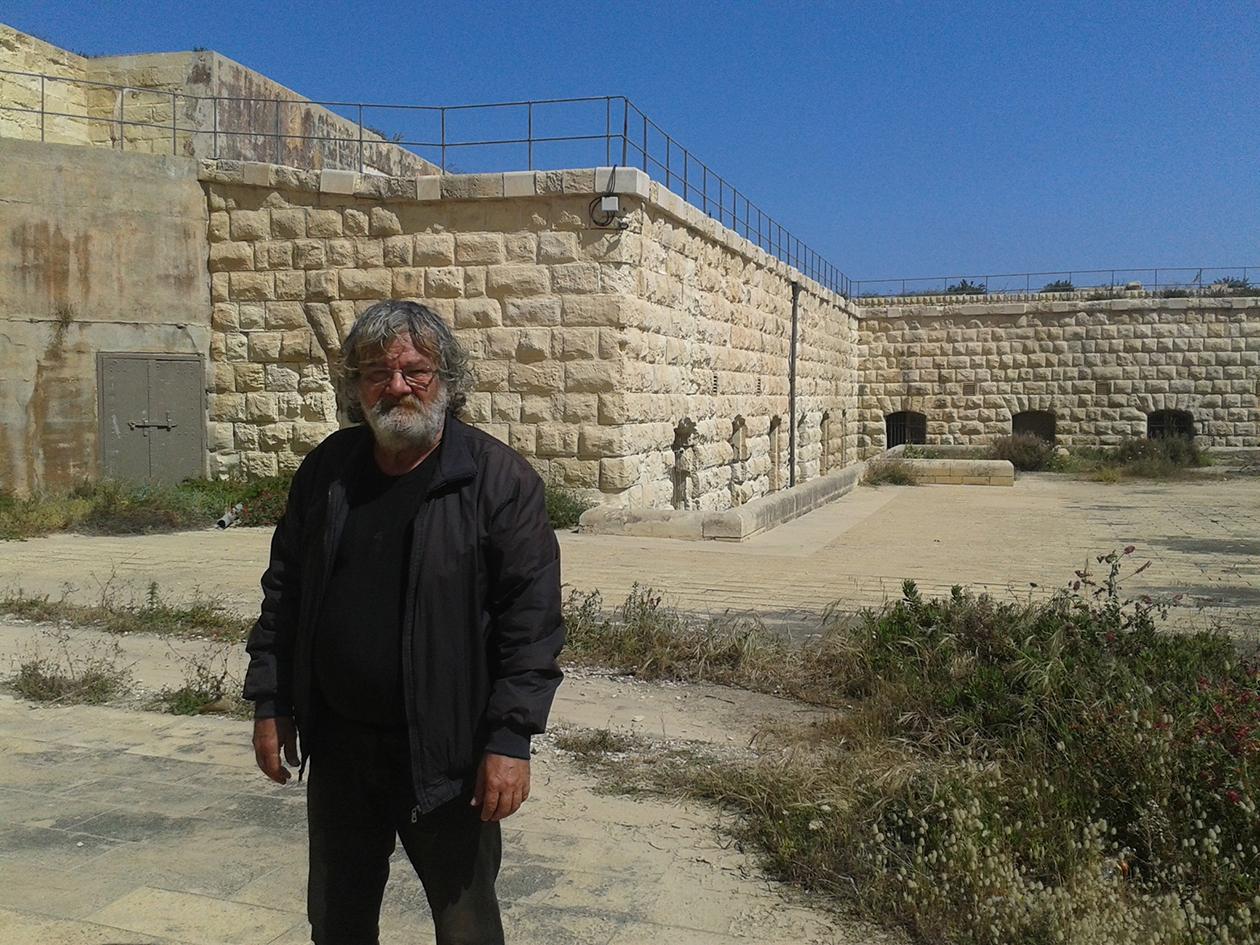 Philip ‘Rokarja’ Pace standing in front of the Tigné rehearsal rooms where he once made his name. Photo: Facebook.com
GIULIA MAGRI: Speaking out for the silent workers
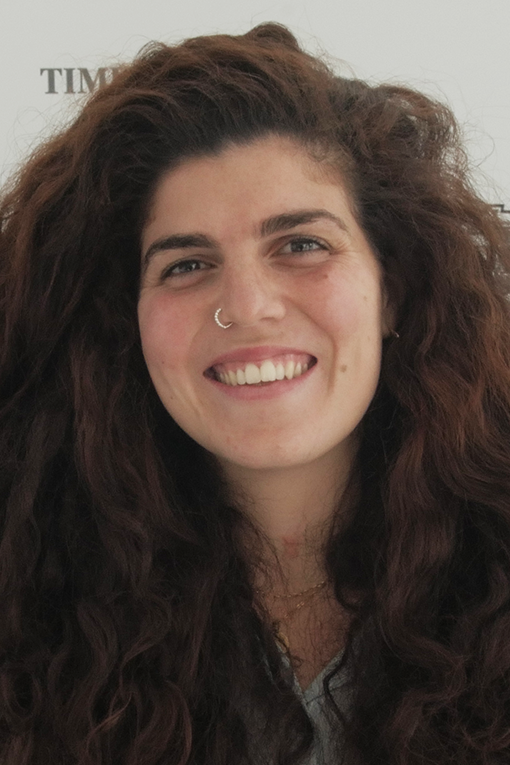 Giulia Magri
It all started with a Facebook post.
Asim Jatt, a Pakistani part-time courier, voiced his frustration after the burger restaurant Hermanos denied him access to the restroom. The restaurant responded by mocking him publicly, calling him a “part-time drama queen” and saying they were fed up with drivers leaving “Chernobyl” whenever they used their bathrooms.
Time and time again, my colleagues and I write about the exploitation and abuse non-EU nationals face as they try to build a new life in Malta. Courier drivers are seen as just a means for our food to be delivered, not as people who are out all day and night, come rain or shine, navigating through traffic and pollution to make a living. They are more than just their helmet and delivery bag – but people who deserve dignity and respect. We forget that the hundreds of courier drivers on our roads are essential workers for the country’s food industry.
So, in 2025, how are we still debating whether a driver is allowed to use a private restaurant bathroom?
That is why Asim’s story is important. He did not speak out for pity or fame, but he spoke out for many other couriers who silently suffer such mistreatment.
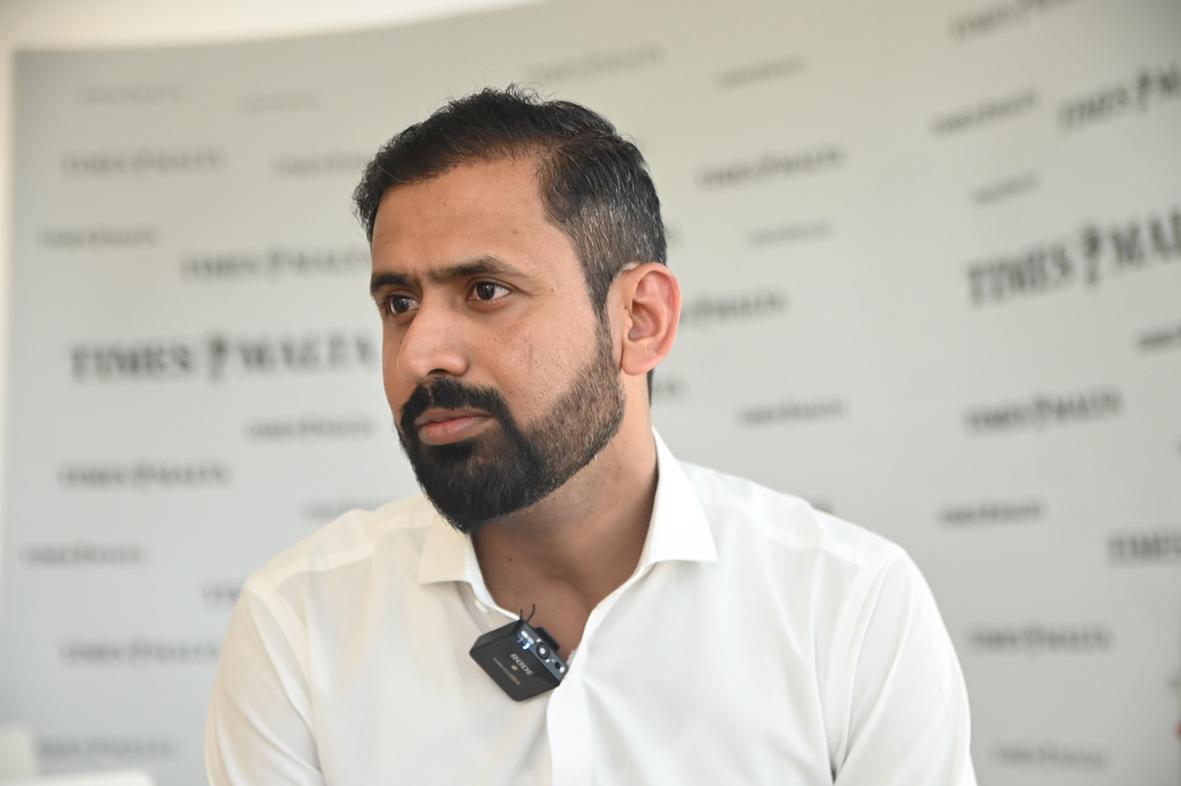 Asim Jatt, a Pakistani part-time courier.