Manoel Island activists are Times of Malta’s Person(s) of the Year
Movement behind one of the most dramatic planning U-turns awarded top title
It was a year marked by big developments in the Vitals-Steward case, political drama, archaeological discovery and that infamous gravel laid at Ta’ Qali. Yet, it is always the people who make the headlines. Times of Malta has selected those it believes made the biggest impact in 2025. Giulia Magri and James Cummings report.
They began as a coalition of activists challenging a 25-year-old inevitability. They ended the year by forcing one of the most dramatic planning U-turns in Malta’s recent history.
The Manoel Island activists behind the Manoel Island: Post Għalina campaign have been named Times of Malta’s ‘Person(s) of the Year’ after mobilising tens of thousands, shifting national opinion and compelling the government and developers to rethink the future of one of the country’s most contested public spaces.
Back in March, a coalition of 29 civil society groups launched the campaign to turn the Gżira island into a national park.
Development company MIDI plc had long planned to build a luxury residential and commercial complex on the island, yet those plans had still not been fully realised when it came to renegotiate the contract this year – a moment activists said was ripe to revisit plans for the area.
Many were sceptical; the Manoel Island saga goes back 25 years, ever since the government of the day handed the site over to MIDI through a 99-year-lease.
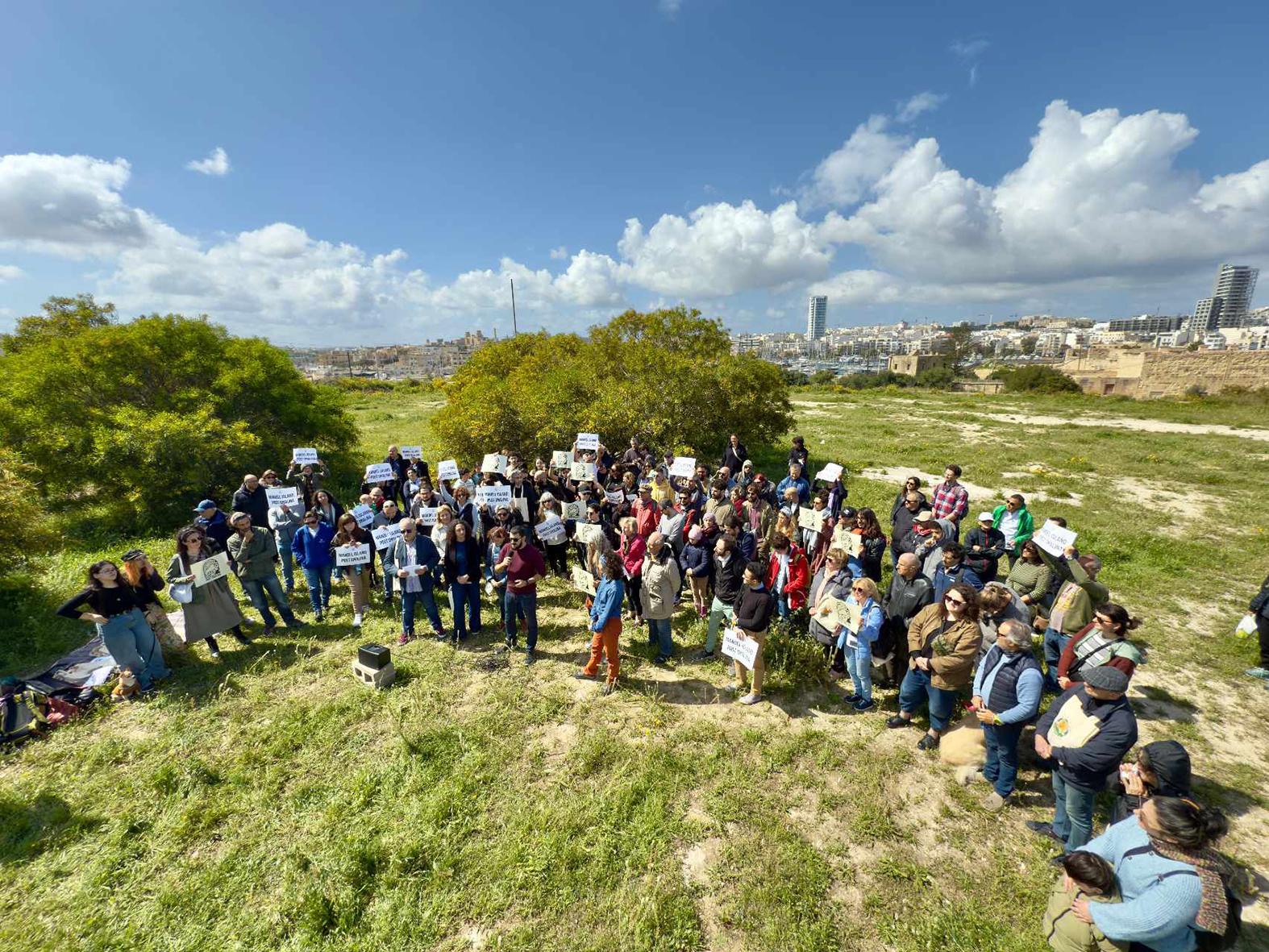 The activists demonstrating at Manoel Island. Photo: Daniel Cilia
And time and time again, NGOs had called for Manoel Island to be returned to the people, leading many to say it was all in vain.
But weeks later, following an intense campaign, more than 29,000 people had signed a petition for the site to be turned into a park, and pressure applied by activists – and the public – began to increase.
At first, the government tried to resist the calls. Environment Minister Miriam Dalli insisted the government’s hands were tied by the concession. And Prime Minister Robert Abela said taking the island back would cost “hundreds of millions” while stressing that 60 per cent of the island would remain accessible to the public under the terms of the government concession with MIDI.
But the pressure continued and days later, the narrative shifted. In a remarkable change in tack, Abela said it was his “dream” to give Manoel Island back to the people. The Nationalist opposition was also in agreement.
MIDI said it was committed to finding a solution that could return Manoel Island to the government. It was a clear victory for campaigners.
While the saga is by no means closed, with the government and MIDI wrangling over the terms of the agreement, the activists put not only Manoel Island on the agenda, but also other abandoned open spaces.
What 12 months ago might have seemed impossible has now seemingly become a regular fixture in key government announcements, with promises to also develop national parks at Pembroke’s White Rocks and Mellieħa’s Fort Campbell following.
While the public is yet to see finalised plans for the national park, the Manoel Island: Post Għalina campaign is a remarkable testament to the group’s resilience to protect what is left of the country’s environment.
Other Times of Malta Person(s) of the Year
Eleanor Scerri and Nicholas Vella, archaeologists
In April, a research team led by Maltese professors Eleanor Scerri and Nicholas Vella unveiled a landmark archaeological discovery that reshaped understanding of Malta’s earliest inhabitants and the capabilities of hunter-gatherers.
Excavations at Mellieħa’s Latnija cave (Għar Tuta) showed humans reached Malta around 1,000 years earlier than previously believed, and that the islands’ first settlers were hunter-gatherers, not farmers as long taught.
Beyond its local impact, prompting updates to textbooks and museum displays, the finding had global significance. It challenged the long-held view that hunter-gatherers could not reach small, remote islands and suggested far greater early seafaring ability than assumed.
The discovery raised new questions about prehistoric travel and connectivity, captured international attention and placed Malta’s deep past firmly on the global scientific map.
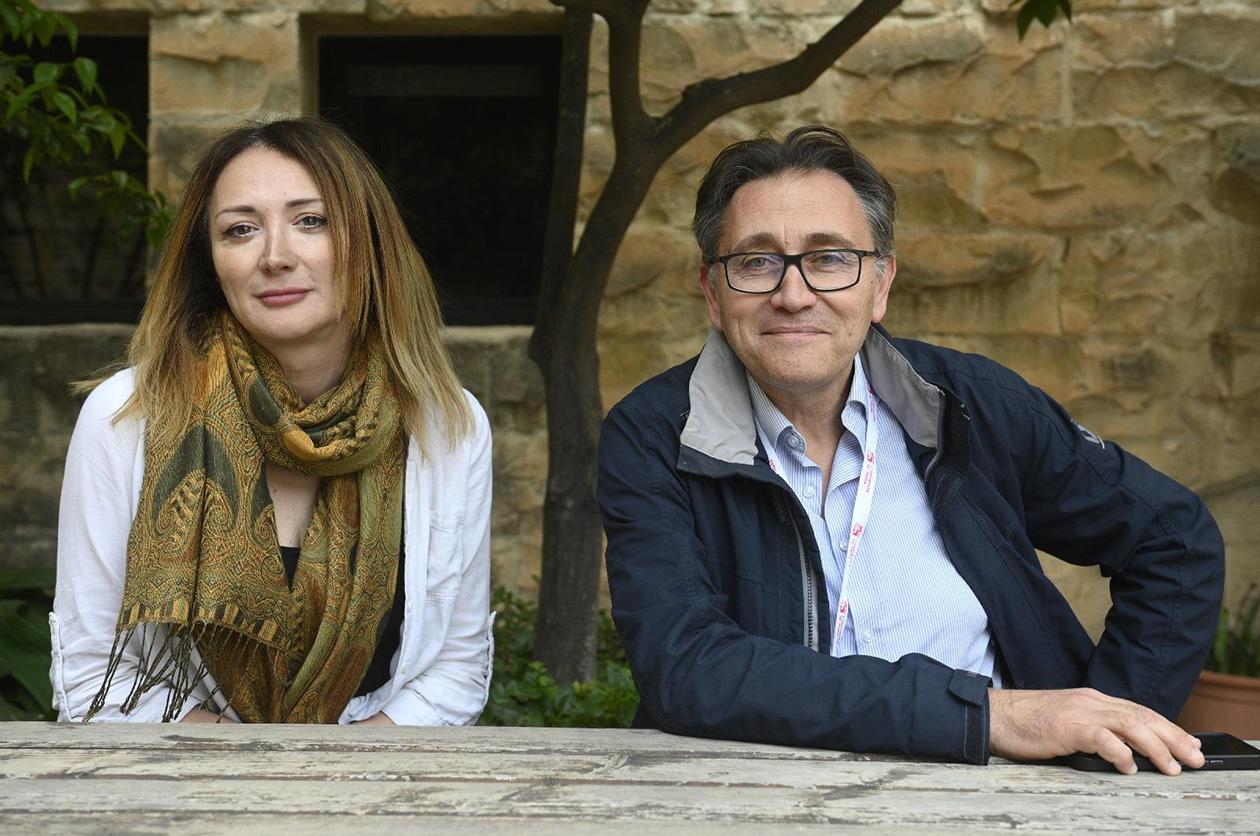 Eleanor Scerri and Nicholas Vella. Photo: Matthew Mirabelli
Jonathan Joslin, emergency doctor
Emergency physician Jonathan Joslin is a familiar presence at the scene of the most horrific street accidents. This year, he was adamant about delivering a clear message to the government in a bid to curb road carnage: introduce random drug and alcohol testing of motorists.
After a chronicle of accidents in summer, Joslin called for visible and routine police presence on the road and for higher fines and stronger punishments for motorists caught driving under substance influence.
“Random roadside testing for alcohol and drugs is not a luxury – it is a proven lifesaver,” Joslin wrote in a Times of Malta opinion piece this summer.
His call did not fall on deaf ears, with several organisations backing his call.
Amid mounting pressure, the government amended the law, granting police the power to randomly test drivers for alcohol or drugs and increase penalties.
 Jonathan Joslin’s pleas did not fall on deaf ears. File photo
Alex Borg, PN leader
Growing up, Alex Borg would sit next to his father, Tony Borg, in Giovanna Debono’s Gozo Ministry, watching his father hard at work. Fast-forward a couple of years, and in 2025, now aged 30, the young Gozitan lawyer has become the youngest Nationalist Party leader in history.
It has been quite a year for Borg, who clinched the PN leadership back in September, defeating Adrian Delia by just 44 votes, after Bernard Grech surprisingly stepped down.
Borg first emerged on the political scene just three years ago, when he secured the biggest number of votes in Gozo.
While many initially viewed Borg as too young and inexperienced for such a role, he has effectively leveraged his personal appeal and reputation as a bridge-builder, with recent surveys indicating that he has already begun to make meaningful gains.
 Alex Borg during his first post-budget speech. Photo: Matthew Mirabelli
Alex Sciberras, Labour Party president
Alex Sciberras’s election as Labour Party president in 2024 surprised many. Since then, however, he has rapidly emerged as one of the PL’s most effective political assets, an eloquent communicator who refuses to soften or dilute his socialist convictions.
Insiders credit his no-nonsense approach and willingness to call out wrongdoing, providing a welcome reprieve into a political scene rife with yes-men.
Sciberras has spoken out even when this placed him at odds with the party leadership on key domestic and foreign issues.
Earlier in the year, he called for Malta to recognise the Palestinian state, diverging from the prime minister’s initial and more cautious stance.
In July, he was among the first within the PL to signal opposition to the government’s controversial planning reforms, warning that “trust in the system is as important as the system itself”.
He also distanced himself from the foreign minister’s nomination of Donald Trump for a Nobel Peace Prize, saying he could “never endorse” a man who espouses populist, anti-democratic discourse.
In a political landscape dominated by partisanship, Sciberras’s readiness to publicly challenge his own party stands out as a rare trait.
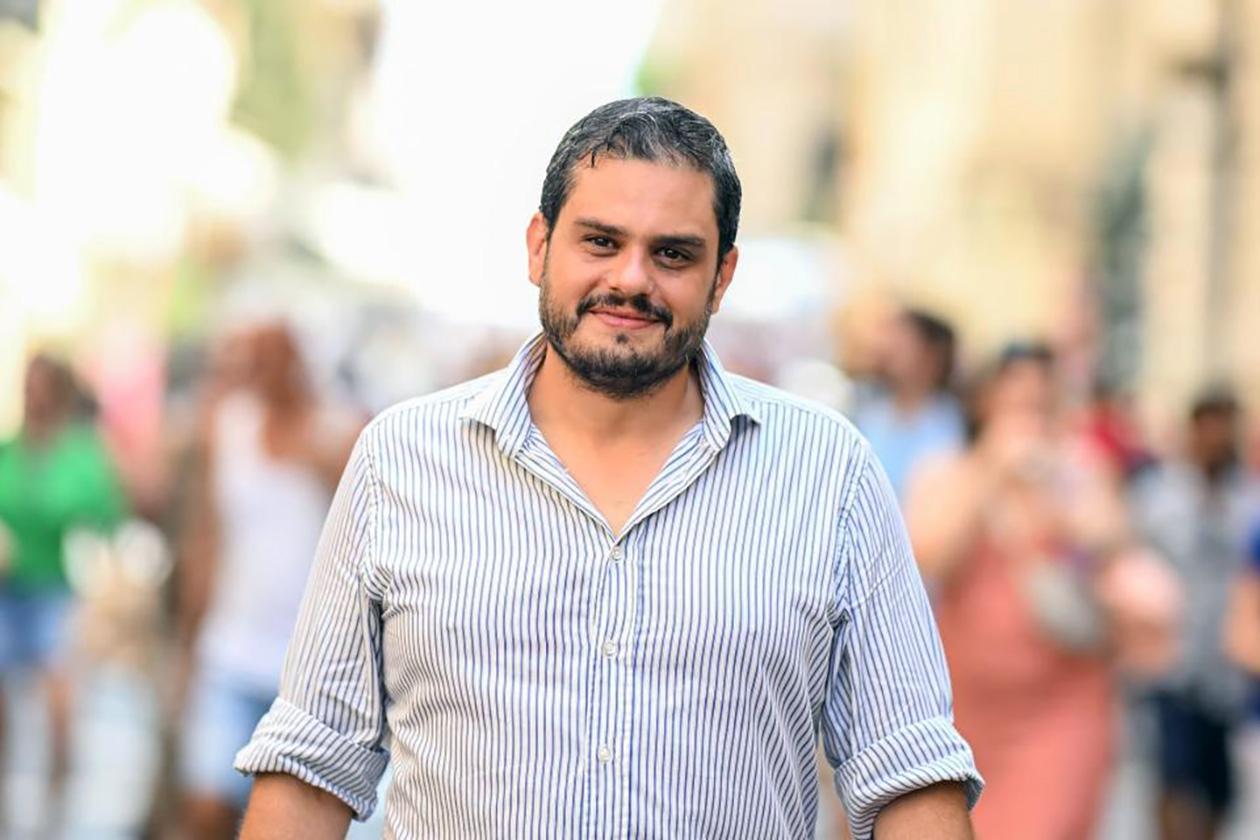 PL president Alex Sciberras. Photo: Alex Scibberas/Facebook
Denise Mulholland, theatre-maker and educator
Acclaimed actress, director, singer and educator Denise Mulholland has been a constant presence on the Maltese stage for nearly two decades, inspiring a generation of performers and artists.
A co-founder of the theatre collective The Shrinking Violets and artistic consultant to the Opera Nova Project, Mulholland reached new creative heights in 2025. She directed the critically acclaimed Dear Evan Hansen, The Magic Flute and Il-Każin tal-Imqarbin, productions that were met with standing ovations on most nights.
Il-Każin tal-Imqarbin went on to secure both ‘Best Theatre Production’ and ‘Best Music Production’ at Il-Premju għall-Arti.
Mulholland’s success is a reminder that the visionaries working behind the scenes are every bit as vital as those who take centre stage.
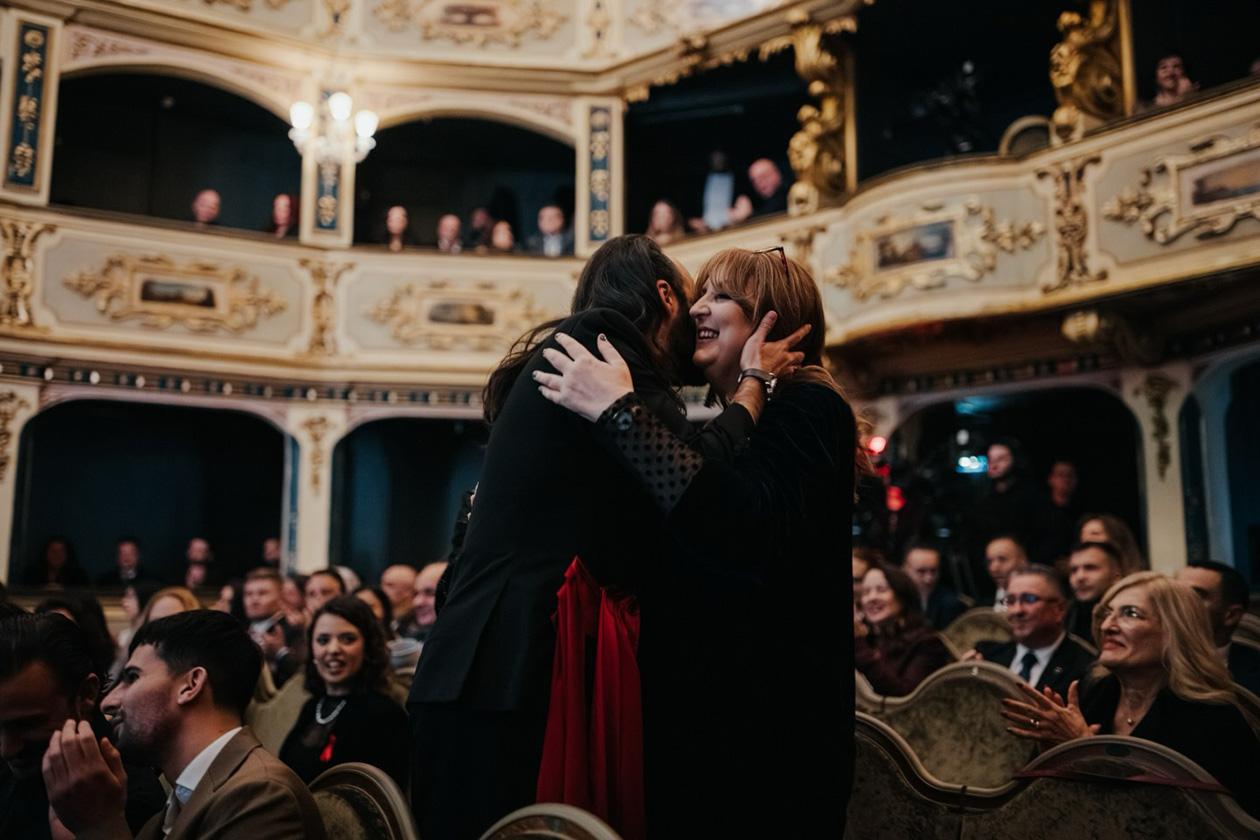 Denise Mulholland
Ħamrun Spartans, football team
Domestic success has not been eluding Ħamrun Spartans football club. They secured their 11the league title in May after beating Birkirkara in the final crunch match.
But it’s what happened after that which elevated Joseph Portelli’s team.
Ħamrun went on to make history as the first Maltese club to reach the UEFA Conference League league phase, defeating RFS of Latvia 3-2 on aggregate in playoffs after wins over Ballymena and Žalgiris. The Spartans continued their successful run in November, recovering from a goal down to beat Lincoln Red Imps and becoming the first Maltese team to win a League Phase match of the Conference League.
Ħamrun’s numerous fans had plenty to cheer about as they let off fireworks, and flares.
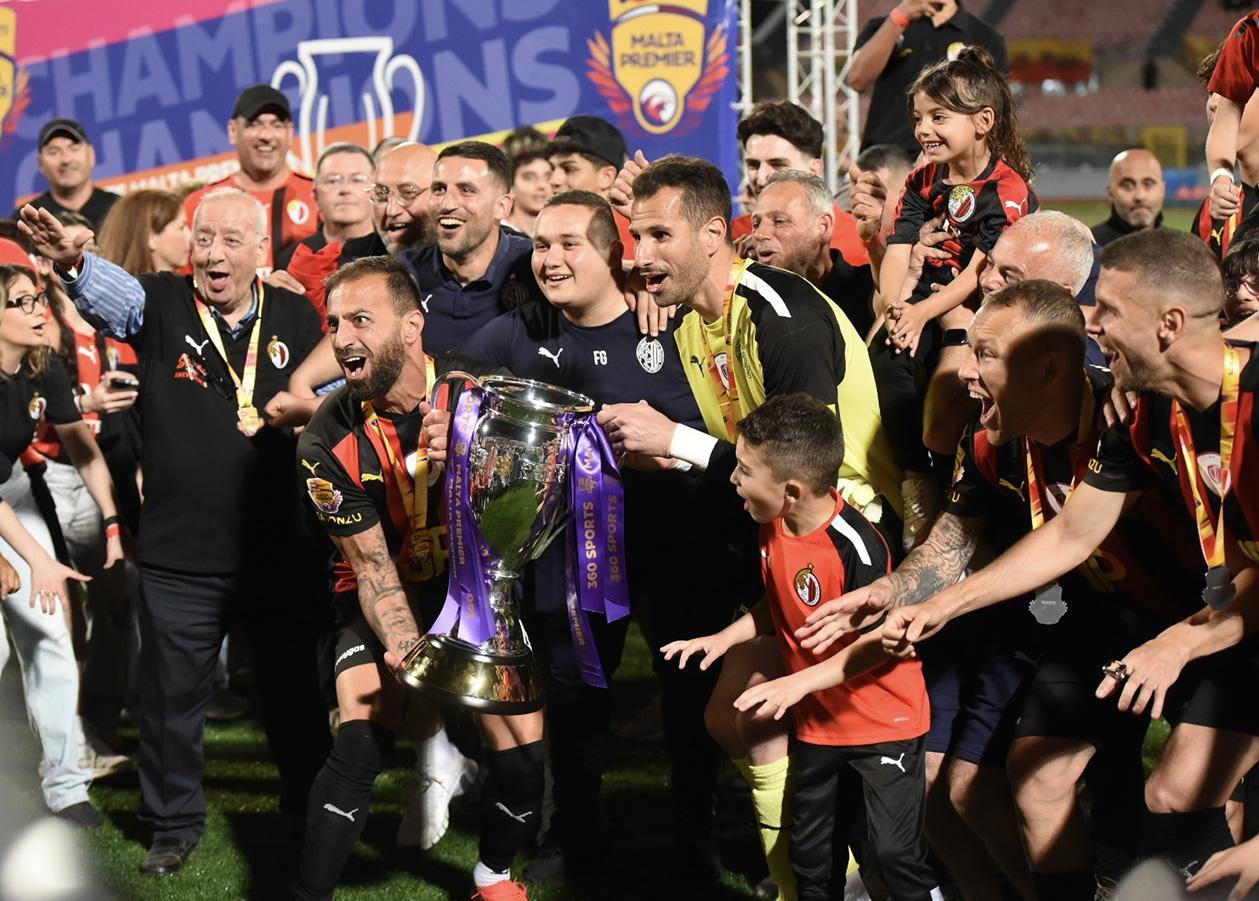 Ħamrun Spartans won the Premier League for the 11th time.
The criteria we used to select the list:
People who are recognised for shaping public discourse, advancing major issues, or influencing political, social, economic, or cultural movements. Their actions, decisions, or leadership resonate widely with contemporary challenges or debate.
The person or group has been a focal point in the media and public attention throughout the year.
Positive achievements, such as successful activism, or exceptional leadership.
The selection is not always celebratory; it may include individuals or groups whose actions sparked controversy or upheaval.